
REVIEW · SPAIN MURAL TOURS
Granada: “Street Art & The Caves” Unique Guided Walking Tour
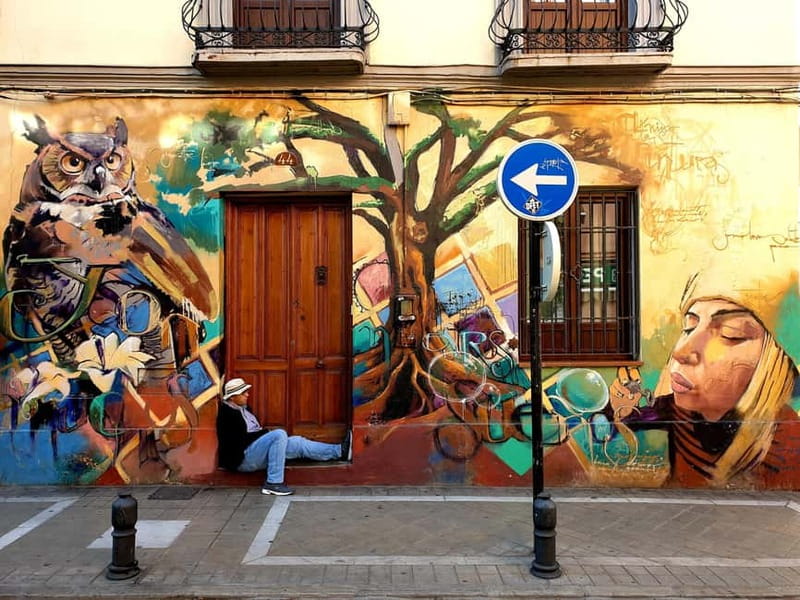
Granada’s best stories are painted on its walls. This three-hour walk links Realejo, Sacromonte, and Albaicín, mixing street art, local history, gardens, cave homes, and grand Alhambra views. I like that it takes you beyond the usual sightseeing route, and that guide Michael, also called Micky, adds personal tips about food, shops, and places worth returning to.
I especially like the visit to an old Sacromonte cave house and the time spent following the work of El Niño de las Pinturas, one of Spain’s best-known street artists. The small group, limited to eight people, also gives Michael room to adjust the conversation to your interests.
The main consideration is the walking. You cover about 8 kilometers, with uphill and downhill sections, and there is no lunch stop. Comfortable shoes are essential, and anyone with limited mobility, a wheelchair, or a recent surgery should choose a gentler experience.
Key points at a glance
- Street art with local context: See murals connected with El Niño de las Pinturas and other artists from Spain and Europe.
- Three historic districts in one walk: Visit Realejo, Sacromonte, and Albaicín, each with a very different mood.
- A real cave-house visit: Enter one of Sacromonte’s oldest cave homes and learn how these unusual dwellings developed.
- A peaceful garden stop: Carmen de los Mártires offers flowers, birds, and a welcome pause during the walk.
- Useful Granada advice: Michael shares recommendations for tapas, restaurants, shopping, local art, and places to visit after the tour.
- A serious but manageable walk: Plan on about 8 kilometers, some steep streets, and roughly three hours with breaks.
Why this Granada walk feels different
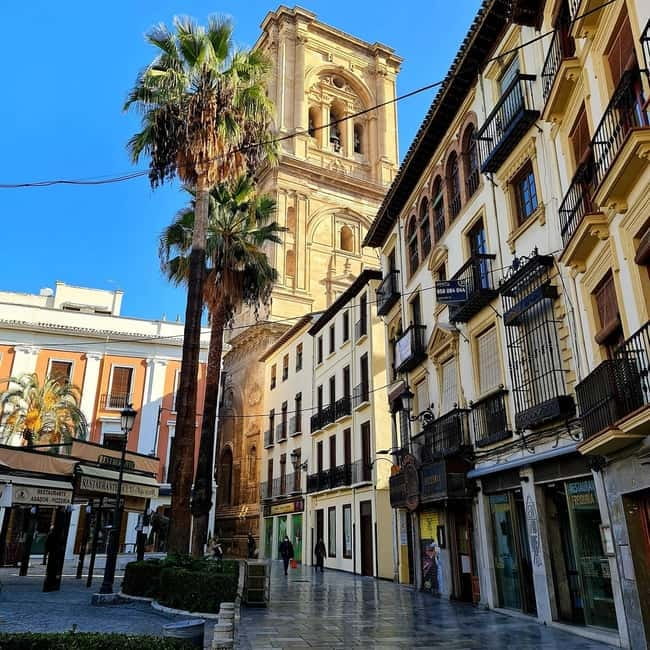
Granada is often reduced to two sights: the Alhambra and the Cathedral. Both deserve your time, but this tour helps you understand the city between those landmarks. You move through former Jewish streets, the Roma and flamenco district of Sacromonte, and the old Albaicín, seeing how art, religion, housing, and daily life overlap.
I like the balance. This is not only a street-art walk, and it is not only a history tour. The murals give you a modern entry point, while the cave homes and old neighborhoods show how people have lived in Granada over many generations.
Michael is a large part of the experience. The feedback about him is consistently warm, with visitors describing him as friendly, passionate, and generous with local advice. He is also praised for speaking clear English and taking time with a small group rather than rushing from stop to stop.
The price is $35 per person. That is good value if you want several districts, a professional guide, a cave-house entrance, and practical recommendations in one outing. You would pay more for several separate guided visits, though this walk does not include an Alhambra ticket, a meal, or a flamenco performance.
More Street Art Walking Tours in Spain
- Barcelona: Raval Street Art and Graffiti Walking Tour
★ 4.9 · 60 reviews - Bilbao: Art District Walking Tour
★ 4.8 · 27 reviews - Street Art, Sculptures & Crime Stories Walking Tour – Barcelona
★ 5.0 · 11 reviews
Starting at Plaza de las Pasiegas
The meeting point is the steps at the main entrance of Granada Cathedral, in Plaza de las Pasiegas. This is a sensible place to begin because it is central, easy to recognize, and close to the end point as well.
The tour returns to the same plaza. That makes planning easier, especially if you have an evening reservation or want to continue exploring the city center afterward.
The walk usually lasts three hours, though the pace and conversation can stretch it slightly. One group finished after four hours because of extra stops and conversation, so I would avoid scheduling something immediately afterward.
Bring comfortable walking shoes and a reusable bottle. Water refills are available at fountains along the route, and breaks for drinks and toilets are built into the walk. Bring a snack if you need one, since lunch is not included.
Realejo: murals in Granada’s old Jewish quarter
The first neighborhood is Realejo, traditionally known as Granada’s old Jewish district. Here, the focus turns to street art, especially the work of El Niño de las Pinturas.
His murals are not presented as random decoration. Michael explains the artist’s stories, style, and place in Granada’s current art scene. That context matters because street art can be easy to miss when you walk past it alone. A painted wall becomes far more interesting when you know who created it and why local people recognize the work.
You will also see pieces by graffiti artists from Spain and elsewhere in Europe. The art gives Realejo a different character from the pale stone and formal monuments found in the center. I like this early section because it quickly shows that Granada is not a museum frozen in the past.
The tour may also include a stop at the artist’s shop, where you can look for locally made souvenirs. Treat that as a useful possibility rather than the main reason to book. The real value is learning how to notice the city’s public art after the tour ends.
Realejo is also connected with the story of Joe Strummer, the singer of The Clash, and one stop points out a square named after him. It is a small detail, but it shows how many outside influences have found a place in Granada.
Carmen de los Mártires: flowers, birds, and a quiet pause
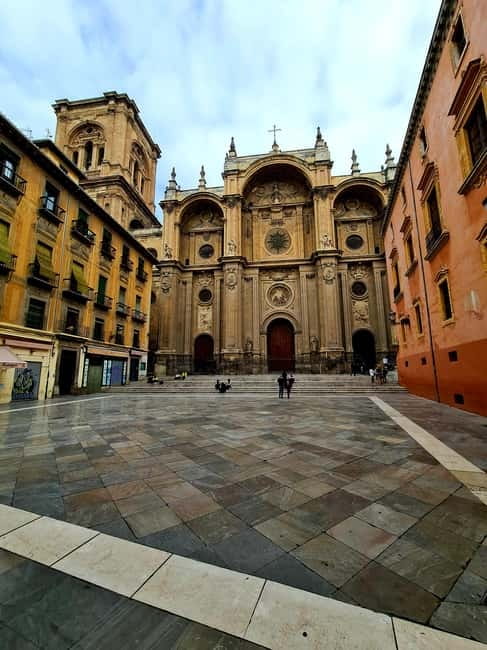
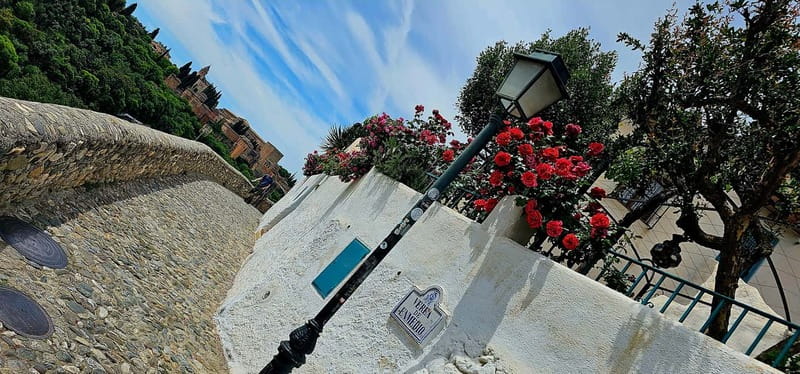
Carmen de los Mártires is one of the tour’s calmer stops. It is a traditional Spanish house with gardens, flowers, and birds, offering a change of pace after the urban walls of Realejo.
This is also a useful break in physical terms. The route is long enough that a quieter garden helps you catch your breath before heading toward Sacromonte and Albaicín. You can take photographs, listen to the guide, and enjoy a softer view of the city.
I would not expect a full garden tour with extensive botanical detail. The attraction here is the atmosphere and the example of a traditional Carmen, a Granada house associated with private gardens and open views. It helps explain the city’s local architecture without requiring another formal museum visit.
The stop lasts about 25 minutes. That is enough time to enjoy it, but not so long that the tour loses momentum.
Same walls, a different guide:
- Barcelona Street Art and Graffitti Bicycle Tour
★ 5.0 · 361 reviews - Madrid: Street Art Tour with Local Graffiti Hunter
★ 4.8 · 270 reviews - Street Art Guided Tour in Madrid
★ 5.0 · 175 reviews - Barcelona Street Art Tour with Exclusive Artist Studios Visit
★ 5.0 · 152 reviews
Sacromonte and the old cave houses
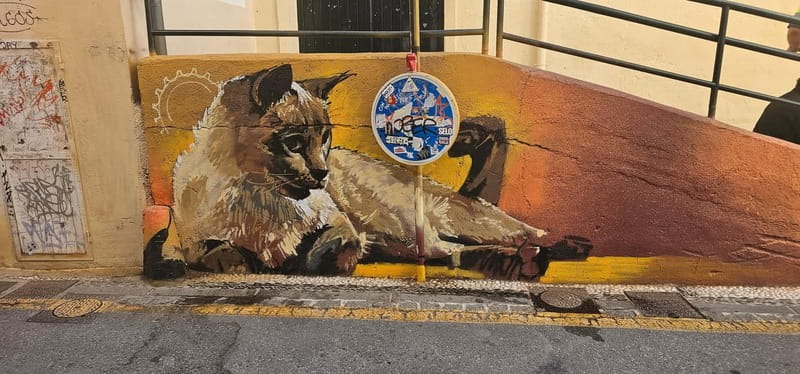
Sacromonte is the most unusual section of the walk. The neighborhood climbs into the hills above Granada and is linked with Roma communities, cave homes, and the development of flamenco culture.
The route includes uphill walking, so this is where the physical demands become most noticeable. The reward is a part of Granada that feels very different from the cathedral area. Instead of grand facades, you see mountain paths, whitewashed buildings, and homes cut into the hillside.
The cave-house visit is included in the price. You enter one of the oldest cave homes in the area and hear about its history and use. This is more valuable than simply looking at a cave from outside. The interior gives you a better sense of how these homes functioned and why Sacromonte developed such a distinctive identity.
The tour connects the caves with flamenco culture and the people who have lived in Sacromonte for centuries. It does not replace a dedicated flamenco show, but it gives you useful background before attending one. If flamenco interests you, Michael’s local suggestions can help you decide what to see later.
The mountain setting also brings some of the best views of the day. You can look back toward Granada, the surrounding hills, and the Alhambra. Keep your camera ready, but watch your footing on uneven or sloping streets.
Albaicín: old lanes and Alhambra viewpoints

From Sacromonte, the tour continues into Albaicín, Granada’s oldest district and a UNESCO World Heritage site. The neighborhood is famous for its narrow lanes, whitewashed buildings, small shops, tapas bars, and viewpoints called miradores.
This part of the walk is not simply a photo stop. Michael places the streets in context and points out how the district’s layout reflects its long development. You get a sense of how different Albaicín feels from Realejo and Sacromonte, even though all three are within walking distance of one another.
The views toward the Alhambra are a major reward. From the higher parts of Albaicín, the palace complex seems close enough to touch, with the hills behind it. These are excellent places for photographs, but the tour’s value is not just visual. You also receive ideas for shops, food, tapas, and places to return to on your own.
One practical advantage of seeing Albaicín with a guide is orientation. The lanes can feel confusing, especially when you are trying to reach a viewpoint or find your way back down. Michael can help you identify areas worth revisiting later.
The downside is the pavement and slope. You will be walking uphill and downhill, sometimes on narrow streets. This is not the right choice if you need level access or tire easily on hills.
Returning to the Cathedral
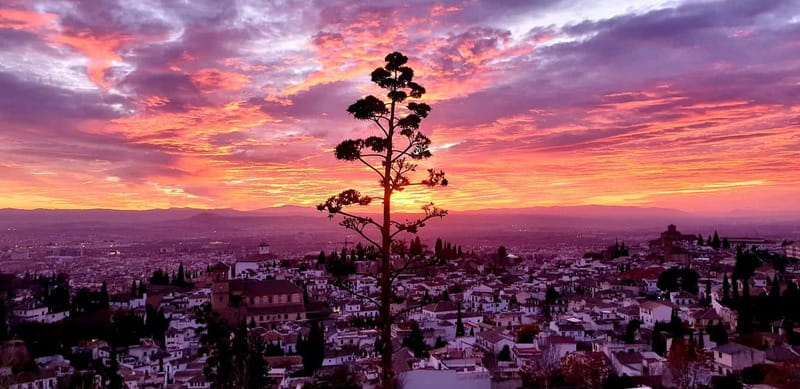
The final section brings you back toward Granada Cathedral and Plaza de las Pasiegas. The cathedral receives a short guided visit and photo stop before the tour ends where it began.
That closing location is convenient. You are near central restaurants, shops, and other sights, and you can easily use Michael’s recommendations while they are still fresh in your mind.
The cathedral stop is brief, so I would not book this tour expecting a detailed interior visit. It works better as a final piece of the city story, linking the Christian center with the Jewish quarter, Sacromonte, and Albaicín that you have just crossed.
How much walking is involved?

The distance is around 8 kilometers, completed in about three hours with breaks. That is a solid city walk, not a gentle wander between nearby monuments.
You should expect:
- Uphill walking toward Sacromonte and higher parts of Albaicín
- Downhill sections on the return toward the center
- Narrow streets and uneven surfaces
- Water and toilet breaks along the way
- No scheduled lunch stop
I would wear supportive shoes and bring a snack. The small group helps with the pace, and Michael has been praised for making water and toilet breaks easy to manage, but the route still requires reasonable fitness.
A mobility scooter user completed the walk with help from Michael, though the experience was challenging. That should not be treated as a guarantee of easy access. The tour is officially unsuitable for wheelchair users, people with mobility impairments, and anyone recovering from recent surgery.
The guide and the small-group advantage
The tour is limited to eight participants and conducted in English. That size matters here because much of the appeal comes from conversation and local recommendations rather than from a fixed script alone.
Michael is praised for knowing the city well, explaining the stories behind the art, and adapting parts of the walk to individual interests. He may point you toward a restaurant, a local artist’s shop, or a museum you would not have noticed while planning from home.
I also like that the recommendations are practical. One person followed his seafood restaurant advice and enjoyed the paella. Another appreciated learning that parts of the Alhambra area and some museums can be visited without the main Alhambra ticket, though this tour does not provide admission to the palace complex.
Because the group is small, you can ask questions without holding up a large crowd. That is especially useful if you want advice for the rest of your stay.
Is $35 a fair price?
At $35, this is a strong value for a three-hour guided walk that covers three major districts, includes a cave-house entrance, and provides unlimited water. The tour also saves you the work of connecting areas that are not always straightforward to combine on your own.
The price makes the most sense if you want local interpretation. If you only need directions to viewpoints, you can explore Albaicín and Realejo independently. But you may miss the background behind the murals, the cave homes, and the relationship between Granada’s different neighborhoods.
The experience is less suitable if you want a slow, restful morning, a sit-down meal, or detailed entry into major monuments. It is a moving city walk with several short stops, not a relaxed sightseeing bus or a formal museum tour.
Free cancellation up to 24 hours before the start and the option to reserve now and pay later make booking less risky. Still, check the available starting time and plan around the physical effort.
Who should book this walk?
I would recommend it to first-time visitors who want an overview of Granada beyond the Alhambra. It also suits repeat visitors who have already seen the major monuments and want a more local look at the city.
Art lovers will appreciate the focus on El Niño de las Pinturas. People interested in flamenco, housing, or neighborhood culture will get the most from Sacromonte. Photographers will enjoy the gardens, murals, hillside views, and Alhambra outlooks.
I would also book it early in your stay. Michael’s advice about restaurants, shops, museums, and extra sights can shape the rest of your visit. One person who took it on the final day wished it had been scheduled first, which is a useful lesson.
FAQ
How much does the tour cost?
The tour costs $35 per person.
How long does the tour last?
The stated duration is three hours, including breaks for drinks and toilets.
How far do you walk?
The walking distance is around 8 kilometers.
Where does the tour start?
It starts on the steps at the main entrance of Granada Cathedral in Plaza de las Pasiegas.
Where does the tour finish?
It finishes back at Plaza de las Pasiegas, beside Granada Cathedral.
What language is the tour conducted in?
The live tour guide speaks English.
How large is the group?
The group is limited to eight participants.
Is the cave-house entrance included?
Yes. Entrance to a cave house in Sacromonte is included.
What should I bring?
Bring comfortable shoes and a reusable water bottle. A snack is also sensible because lunch is not included.
Is the tour suitable for people with mobility limitations?
No. The walk includes uphill and downhill sections and is not suitable for people with mobility impairments, wheelchair users, or people with recent surgeries.
Should you book it?
Book this tour if you want Granada explained through its neighborhoods, street art, cave homes, gardens, and viewpoints rather than through monuments alone. Michael’s local advice and the eight-person limit add real value, especially if this is your first day or two in the city.
Skip it if 8 kilometers and steep streets sound tiring, or if you want a slow tour centered on the Alhambra. For an active visitor who wants unusual sights and a stronger feel for Granada’s everyday character, $35 is a sensible buy.
Just added around Spain
- Small-Group Graffiti Tour and Workshop in El Carmen★ 5.0 · 2 reviews
- Bilbao Urban and Street Art Walking Tour★ 5.0 · 2 reviews
- Barcelona Street Art, Graffiti and Tapas Tour★ 4.0 · 5 reviews
- Salamanca: Private Guided Street Art Walking Tour★ 5.0 · 2 reviews
- Private Barcelona Street Art Tour★ 5.0 · 2 reviews
- Barcelona | StreetArt Bike Tour Moco Museum★ 4.6 · 13 reviews
- Madrid Street Art Tour (Malasaña Chueca Gran Via & Lavapies)★ 3.5 · 8 reviews
- Málaga: Street Art Tour in the Soho District★ 5.0 · 4 reviews
Spain Mural Tours, compared.
Barcelona Street Art and Graffitti Bicycle Tour
Read our review →

Barcelona Street Art Tour with Exclusive Artist Studios Visit
Read our review →
Raval Street Art and Graffiti Guided Tour in Barcelona
Read our review →

Private Barcelona Street Art Workshop with a Street Artist
Read our review →Browse the lists this tour appears in