
REVIEW · SPAIN MURAL TOURS
Bilbao: Art District Walking Tour
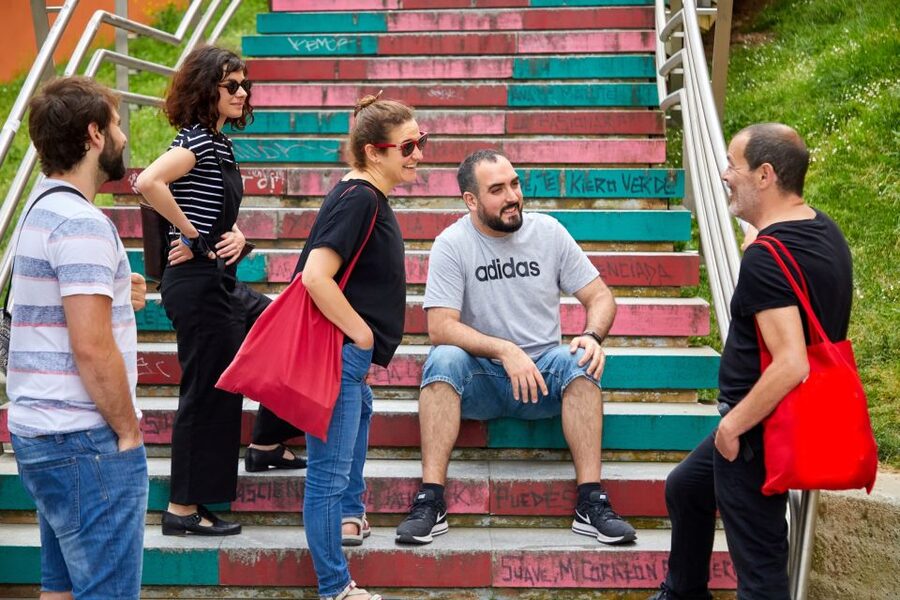
Bilbao paints beyond the museum walls. This three-hour walk connects La Vieja’s alternative art scene with the Guggenheim, showing how murals, social projects, and public sculpture helped reshape the city. I like the strong local focus, and I like that the tour ends with the Guggenheim’s outdoor art rather than stopping at the museum door.
The small-group format should keep the pace personal, while the bar break with craft beer and a snack adds a welcome local touch. The main caution is practical: this is a walking tour through old streets, and it is not suitable for people with mobility impairments.
Key points at a glance
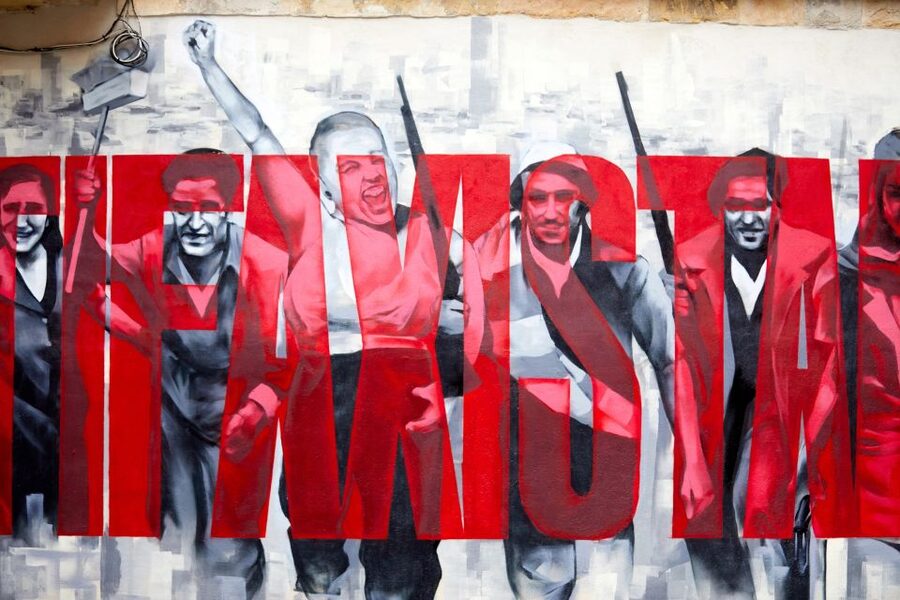
- La Vieja comes first: Begin in one of Bilbao’s oldest neighborhoods, where traditional streets meet street art and community projects.
- Art comes with context: The guide explains the social history, politics, identity, and everyday concerns behind the murals and modern pieces.
- The Guggenheim is the finale: Finish outside the museum with a guided look at its notable sculptures.
- Craft beer breaks up the walk: A local bar stop includes one beer and a snack, giving you time to rest and watch neighborhood life.
- English-speaking art guide: The tour is led in English by a guide focused on art and culture. Guides such as Txema have also brought broad knowledge of Bilbao’s history to the walk.
- Good value for art-minded visitors: At $69 per person, the price makes the most sense if you want explanation and local context, not just a list of sights.
Why this Bilbao art walk is different
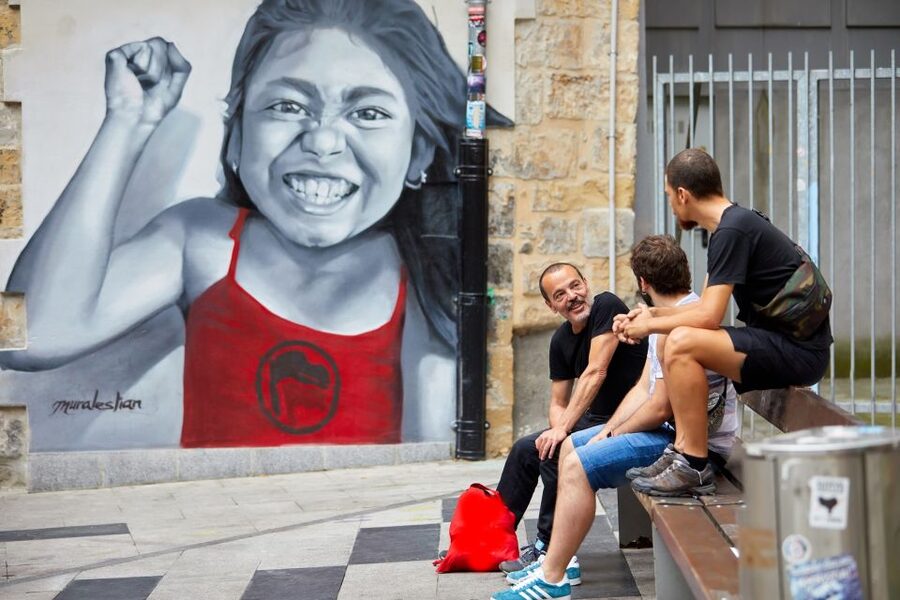
The Guggenheim often gets credit for putting Bilbao on the world art map. That is fair, but it is only part of the story.
This tour begins before the museum, both geographically and in spirit. You start at Tourné Bilbao on C/ de Villarías 1, 48001 Bilbao, then head toward the city’s older and more alternative quarters. The point is to see art as part of local life, not as something kept behind a ticket desk.
I like that approach. A museum can show you finished works. A neighborhood can show you who uses art, who argues with it, who funds it, and who turns a blank wall into a public statement. Here, street art and cultural projects are treated as clues to Bilbao’s social changes.
The tour lasts three hours, with plenty of stops. That matters because this is not a fast march from one photo stop to the next. You have time to look at a mural, hear the story behind it, ask questions, and notice how the surrounding streets shape the work.
More Street Art Walking Tours in Spain
- Barcelona: Raval Street Art and Graffiti Walking Tour
★ 4.9 · 60 reviews - Granada: “Street Art & The Caves” Unique Guided Walking Tour
★ 5.0 · 27 reviews - Street Art, Sculptures & Crime Stories Walking Tour – Barcelona
★ 5.0 · 11 reviews
Starting in La Vieja, Bilbao’s creative old quarter
The opening section takes you into one of Bilbao’s oldest and most artistic neighborhoods. This gives the tour a useful starting point: you see a part of the city where history and new creative work sit close together.
Expect old streets, colorful walls, alternative art, and local cultural activity. The precise pieces can change, since street art is rarely permanent. Paint fades, walls are altered, and new projects appear. That uncertainty is part of the appeal, but it also means you should think of this as a guided reading of Bilbao’s creative life rather than a fixed gallery visit.
The guide’s role is important here. You are not simply told that a mural is colorful or unusual. You learn how the art connects to local society, historical memory, identity, and current concerns. That extra layer is what separates this walk from wandering through a neighborhood with a camera.
The old streets also help you see why the city’s artistic identity did not begin with the Guggenheim. Bilbao had its own creative energy, social tensions, and community projects long before the famous museum became the city’s international symbol.
Reading murals and street art with local context
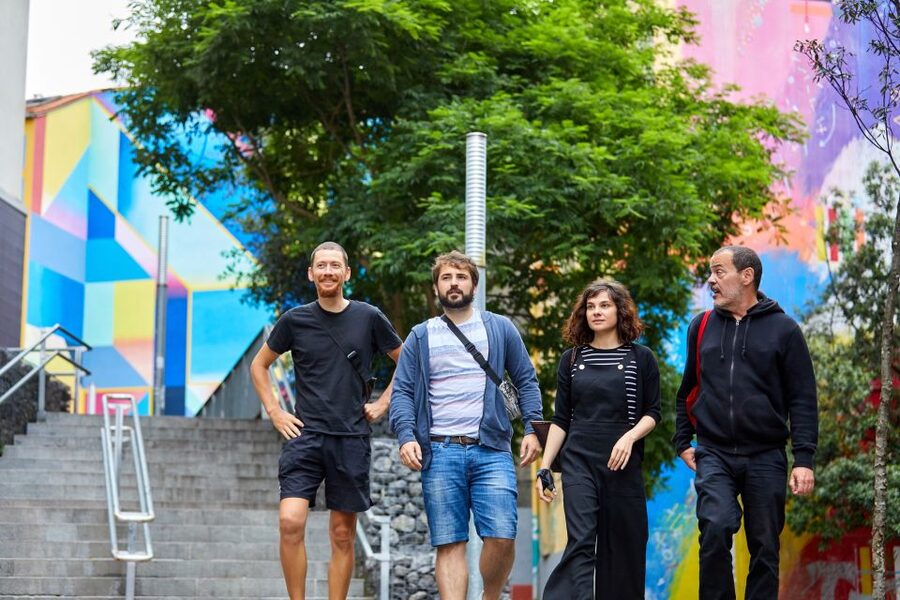
Street art can be easy to admire and hard to understand. A large mural may look impressive, but without context you may miss its criticism, humor, or reference to local events.
The guide discusses socially critical work, experimental projects, and the cultural spaces connected to them. You may find that the most useful part of the tour is not learning an artist’s name, but understanding why a particular work belongs in that street and what it says about the people around it.
This is also where the tour seems strongest. The highest praise has focused on the explanations of Bilbao’s social history and culture. Several people found neighborhoods they would not have visited alone, and the guide’s ability to answer broader questions about the city added real value.
If your guide is Txema, you can expect a particularly wide conversation. He has been praised for discussing not only street art, but also Bilbao’s history and wider culture. That kind of range is useful because the tour is not limited to art-school terminology. You can ask how the city changed, how local life connects with public art, or why certain projects matter.
The setting remains informal. You walk, pause, talk, and continue. The pace has been described as easy to follow, with enough time to look without feeling hurried. That makes this a good choice if you prefer explanation over a packed schedule.
The local bar stop, craft beer, and a practical pause
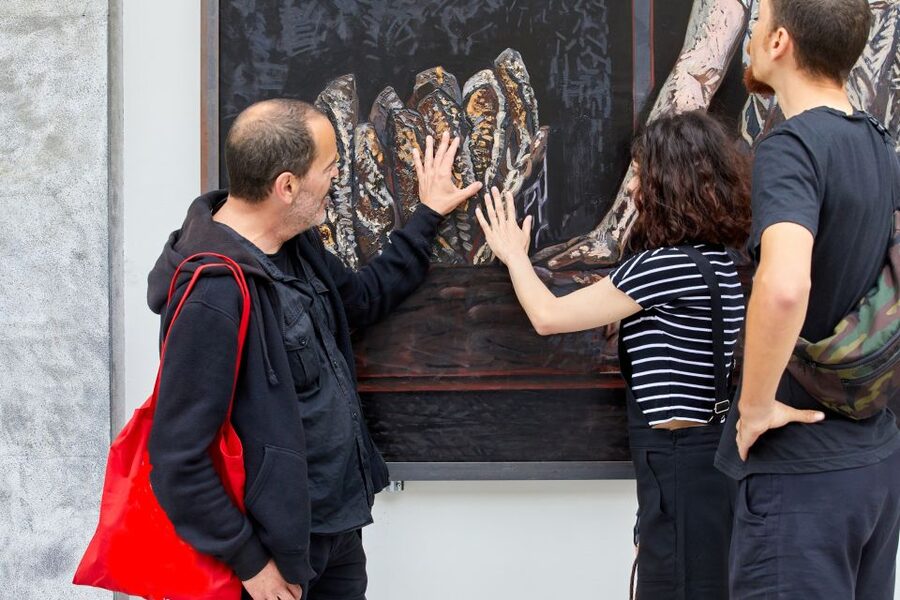
A three-hour walking tour needs a break, especially on warm days or after several stops. This experience includes a stop at a local bar for craft beer and a snack.
That small detail improves the rhythm. You get a chance to sit or pause, take in the neighborhood atmosphere, and continue the conversation outside the formal sightseeing pattern. It also gives you a taste of ordinary social life, rather than keeping the entire experience focused on monuments.
The beer is included, but the tour does not present the bar stop as a meal. Plan to eat properly before or after if you need lunch. The snack is best understood as a light refreshment and a local touch.
I also like the way this stop fits the subject. A tour about neighborhood culture should include a place where people actually meet. The bar break keeps the experience from feeling like a lecture delivered while walking.
That said, the stop will not suit everyone equally. If you do not drink beer, or if you prefer to keep moving, this part may feel less important. The supplied information does not specify alternative drinks, so ask the operator if that matters to you.
Same walls, a different guide:
- Barcelona Street Art and Graffitti Bicycle Tour
★ 5.0 · 361 reviews - Madrid: Street Art Tour with Local Graffiti Hunter
★ 4.8 · 270 reviews - Street Art Guided Tour in Madrid
★ 5.0 · 175 reviews - Barcelona Street Art Tour with Exclusive Artist Studios Visit
★ 5.0 · 152 reviews
Walking toward the Guggenheim without skipping Bilbao
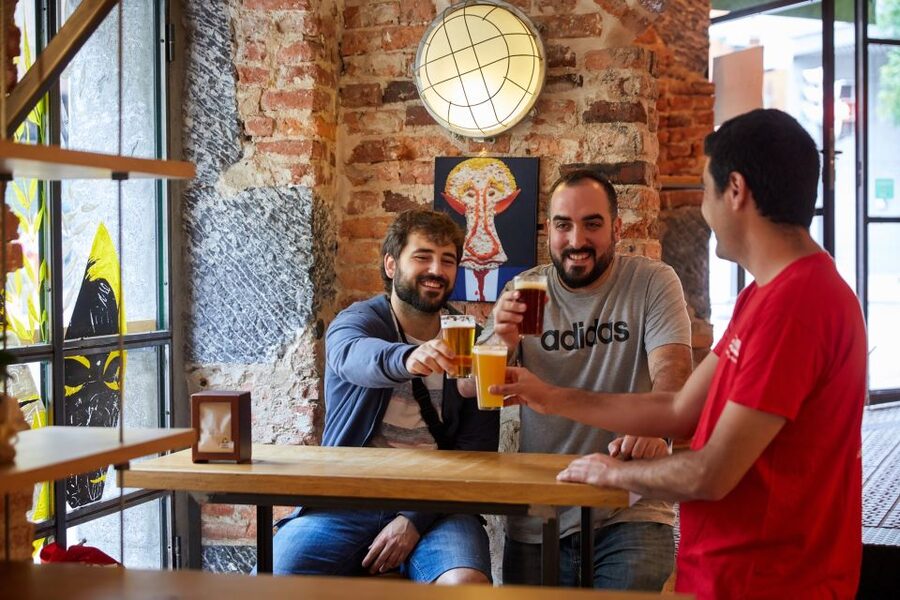
The final part leads you toward the Guggenheim Museum. By this point, the museum should feel less like an isolated attraction and more like the latest chapter in Bilbao’s artistic development.
That framing is valuable. You get to compare the smaller-scale work of streets and community projects with the international image created by the Guggenheim. One is often temporary, local, and openly social. The other is a major cultural institution known around the world. Seeing both in one outing helps explain why Bilbao’s art scene feels broader than a single building.
The tour ends in front of the Guggenheim Museum. It does not include admission to the museum itself, so you will need a separate ticket if you want to go inside. This can be a benefit for some people: you are free to visit the interior later, skip it, or use the tour as an introduction before deciding how much time to spend there.
For others, the lack of museum entry may feel like a gap. If your main goal is to see the Guggenheim’s galleries, this is not a substitute for a museum ticket or an interior tour. It is better understood as a city walk that finishes with the museum’s public art.
The Guggenheim sculptures deserve their own look
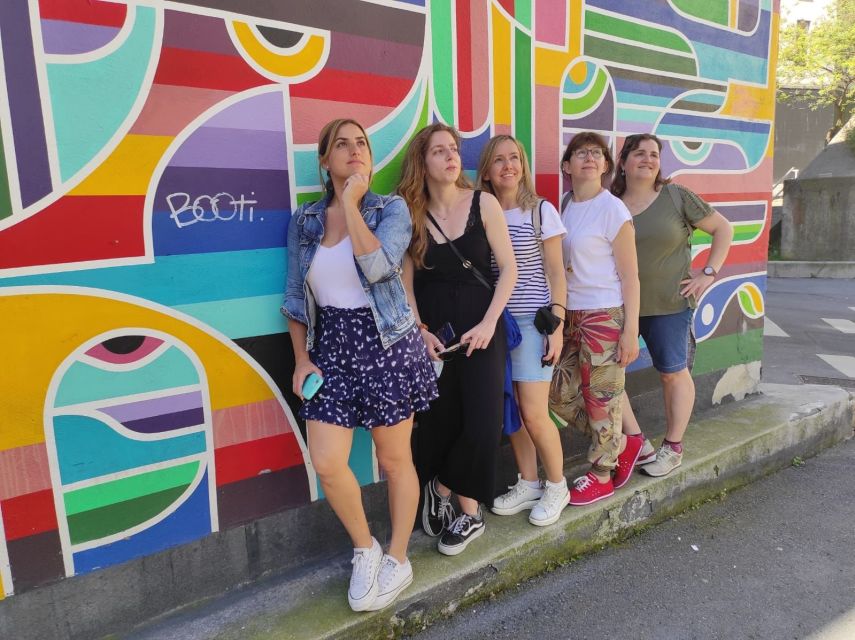
The outdoor sculptures are included in the guided portion of the tour. This is one of the strongest practical features because public art around the museum can easily become a quick photo stop.
Your guide points out the sculptures and explains their place in the museum setting. You can look at the forms, materials, scale, and relationship to the building rather than simply photographing the museum’s famous exterior.
I find this ending well chosen. After seeing murals and alternative projects, you arrive at art designed for a major international institution. The contrast gives you something to think about, and it makes the final stop feel connected to the earlier streets.
The tour does not promise museum entry, timed admission, or an interior explanation. If you want those, arrange them separately. Still, for a first look at Bilbao, ending with the exterior sculptures gives you a clear next step: enter the museum, explore more neighborhoods, or return to a work that caught your eye.
What $69 includes, and when it feels worthwhile
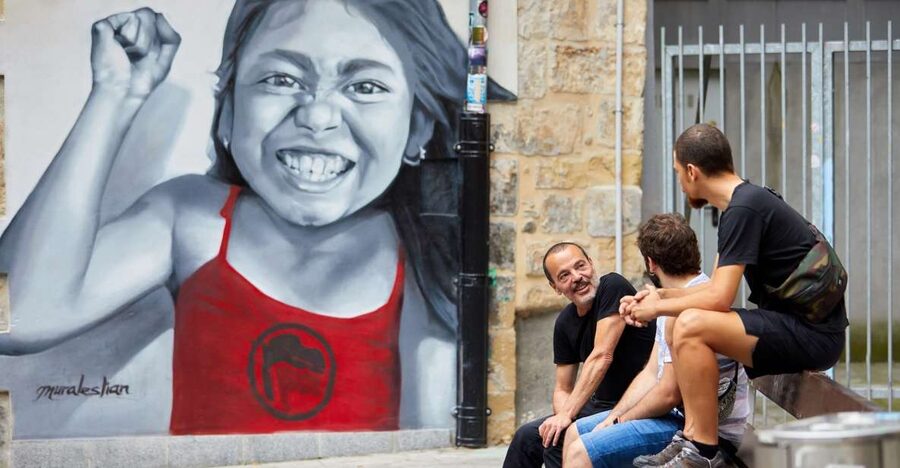
The cost is $69 per person. That is not a bargain walking tour, so the value depends on how much you want from the guide.
You are paying for three hours, a specialized art and culture guide, explanations of street art and modern pieces, the Guggenheim’s outdoor sculptures, and a craft beer with a snack. You are also paying for the route through areas you might miss if you stay around the central sights.
I think the price is fair for an art-minded visitor who wants interpretation rather than directions. It is less compelling if you are happy to admire murals on your own, use a free map, and read about the Guggenheim independently.
The small-group setting also matters. A relaxed group gives you more room to ask questions and makes it easier to hear explanations in narrow streets or near busy public art. The exact group size is not stated, so do not assume it will be private.
The strongest value comes from the guide’s local knowledge. The art itself is free to see. The paid part is the connection between the pieces, the neighborhoods, and Bilbao’s social story.
Pace, clothing, and who should book
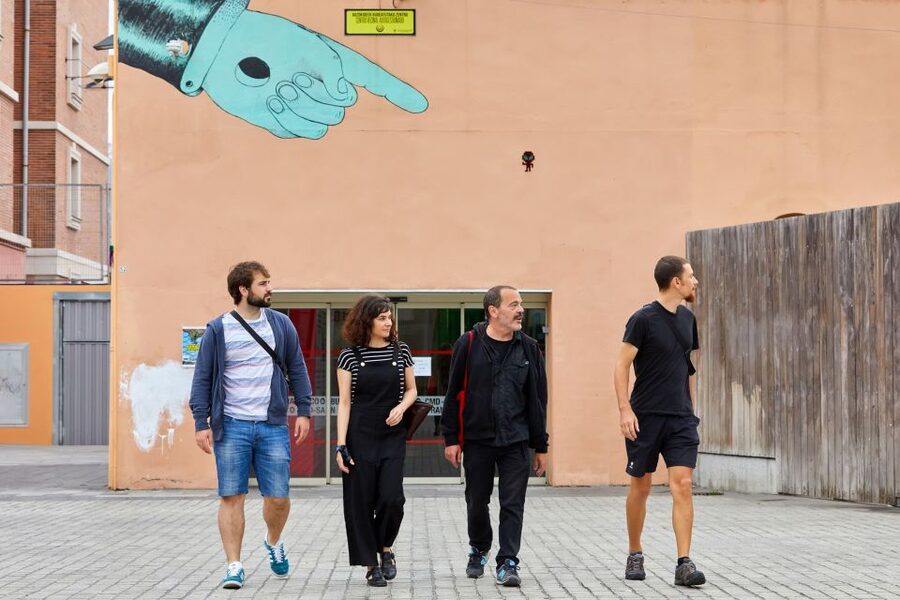
Wear comfortable shoes and comfortable clothes. That advice is simple but important because the tour involves a substantial walk, old streets, and repeated standing stops.
The operator states that the experience is not suitable for people with mobility impairments. If you have any concern about hills, uneven surfaces, or the amount of walking, contact the provider before booking. The information does not give a precise distance or accessibility plan, so do not rely on guesswork.
I would recommend this tour to:
- You if street art interests you as much as museum art.
- You if you want to understand Bilbao’s social and cultural changes.
- You if you prefer a relaxed pace with time for questions.
- You if you are visiting Bilbao for the first time and want a route beyond the most obvious center.
- You if you plan to visit the Guggenheim and want context before going inside.
I would be more cautious if you want a conventional museum tour, a short sightseeing route, or a fully accessible experience. Families can also consider the walking demands and the adults-only feel of a craft beer stop, though the supplied information does not set an age requirement.
The tour is offered in English with a live guide. If you need another language, this experience may not be the right fit.
Planning the start and finish
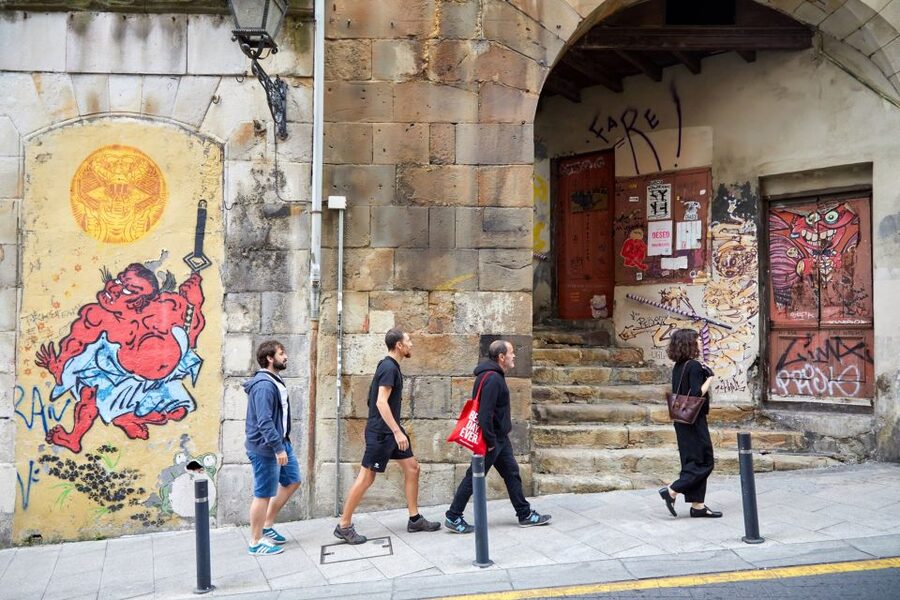
Meet at Tourné Bilbao, C/ de Villarías 1, 48001 Bilbao. Arrive ready to walk, since the tour begins in the city and does not use transport between the art areas.
The finish is in front of the Guggenheim Museum. That location is convenient for continuing your day. You can visit the museum if you have a separate ticket, explore the surrounding public art, or simply use the riverfront area as your next stop.
Because the tour ends at a major sight rather than returning to the starting point, think about your plans before booking. This is useful if you want to continue sightseeing nearby. It is less convenient if you have left belongings at the meeting point or need to return to the old town immediately.
Free cancellation is available up to 24 hours before the start, and you can reserve now and pay later. Those options help if your Bilbao schedule is still shifting, but the practical details of the walk remain the same: comfortable footwear, a flexible pace, and enough time afterward to enjoy the Guggenheim area.
Should you book the Bilbao Art District Tour?
Book it if you want Bilbao explained through its walls, public spaces, and local projects, not only through its famous museum. The strongest parts are the neighborhood route, the social context, the easy pace, and the final look at the Guggenheim sculptures.
At $69, it is best for people who value a good guide. You can see much of the art without paying an entry fee, but you cannot easily recreate the local connections and explanations on your own.
Skip it if your priority is going inside the Guggenheim, avoiding a long walk, or keeping costs as low as possible. For most art lovers and first-time visitors who want a more grounded view of Bilbao, this is a thoughtful way to connect the city’s older creative life with its famous modern identity.
FAQ
Where does the Bilbao Art District Walking Tour begin?
The tour begins at the Tourné Bilbao partner store on C/ de Villarías 1, 48001 Bilbao.
Where does the tour end?
It ends in front of the Guggenheim Museum.
How long does the tour last?
The walking tour lasts three hours.
Is the Guggenheim Museum ticket included?
No. The tour includes a guided look at the Guggenheim’s outdoor sculptures, but admission to the museum is not included.
Is a drink and snack included?
Yes. The experience includes a break at a local bar with craft beer and a snack.
What language is the tour offered in?
The live guided tour is offered in English.
Is the tour suitable for people with mobility impairments?
No. The experience is listed as unsuitable for people with mobility impairments. Comfortable shoes and clothing are recommended.
Just added around Spain
- Small-Group Graffiti Tour and Workshop in El Carmen★ 5.0 · 2 reviews
- Bilbao Urban and Street Art Walking Tour★ 5.0 · 2 reviews
- Barcelona Street Art, Graffiti and Tapas Tour★ 4.0 · 5 reviews
- Salamanca: Private Guided Street Art Walking Tour★ 5.0 · 2 reviews
- Private Barcelona Street Art Tour★ 5.0 · 2 reviews
- Barcelona | StreetArt Bike Tour Moco Museum★ 4.6 · 13 reviews
- Madrid Street Art Tour (Malasaña Chueca Gran Via & Lavapies)★ 3.5 · 8 reviews
- Málaga: Street Art Tour in the Soho District★ 5.0 · 4 reviews
Spain Mural Tours, compared.
Barcelona Street Art and Graffitti Bicycle Tour
Read our review →
Barcelona Street Art Tour with Exclusive Artist Studios Visit
Read our review →
Raval Street Art and Graffiti Guided Tour in Barcelona
Read our review →

Private Barcelona Street Art Workshop with a Street Artist
Read our review →Browse the lists this tour appears in