
REVIEW · BARCELONA MURAL TOURS
Barcelona Street Art and Graffitti Bicycle Tour
Art rewards a slower, wider look. This Barcelona bike tour takes you from the city center along the beach and into post-industrial Poblenou, where murals and graffiti replace the usual Gaudí circuit. I like the chance to cover a lot of ground by bicycle, and I especially like the way the ride links street art with local history, politics, and the working life of the neighborhood. The main consideration is traffic: parts of the route can feel busy, even though riders have generally felt safe.
The tour costs $41.13 per person and runs for roughly two to three hours, though one outing lasted closer to three and a half hours. I like that the group is capped at 15 people, with bicycles and helmets included. You should also know that the quality of the outing depends in part on the guide. Mike, also called Michael, receives especially warm praise for his humor, patience, and eye for detail, while one less satisfied participant found the commentary too rehearsed.
Key points to know before you book
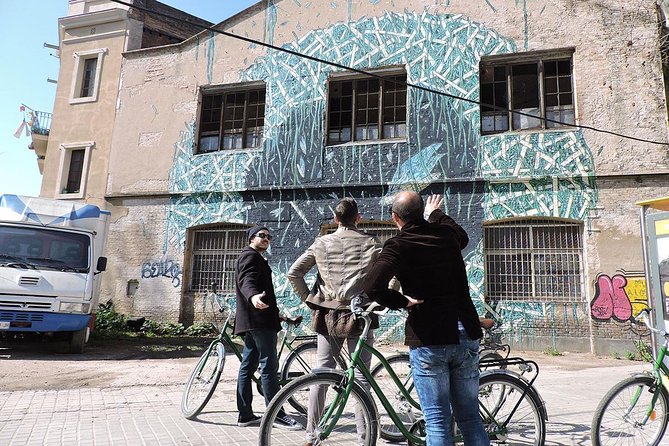
- The route begins in Ciutat Vella and follows the beach: You get a pleasant change of scene before reaching the art-filled streets of Poblenou.
- Poblenou is the main attraction: The post-industrial neighborhood offers a look at Barcelona beyond the famous old center.
- Mike or Michael is frequently praised: He is described as enthusiastic, patient, personable, and well informed about local street art.
- The ride is usually manageable: A three-speed, non-electric bicycle was comfortable even for riders who were not regular cyclists, though this specific bike setup is not promised for every departure.
- Small groups make stopping easier: The tour can take a maximum of 15 people, and a group of five was described as a particularly comfortable size.
- You must be ready to ride in city traffic: The route includes busy sections, so confidence on a bicycle matters more than speed.
Why this tour gets you beyond central Barcelona
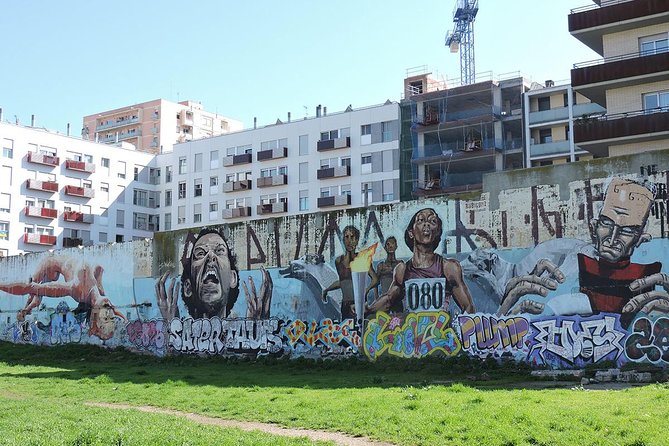
Barcelona is easy to enjoy from its grand boulevards and famous churches, but a bicycle lets you connect parts of the city that feel far apart on foot. This ride leaves the center, follows the shoreline, and then heads inland toward Poblenou. The change is useful in itself. You see the city shift from historic Ciutat Vella to the open beach promenade and then to a district shaped by factories, workshops, redevelopment, and street art.
I like this route because it does not treat graffiti as decoration pasted onto an otherwise ordinary sightseeing trip. The guide explains how artists work, how styles develop, and how the art connects with the neighborhood. You may hear about terminology, local politics, and the way an artist’s work changes over time.
That context gives the paintings and tags more meaning. A wall is no longer just a colorful backdrop for a photograph. You begin to notice scale, lettering, repetition, placement, and the difference between a quick mark and a more developed piece.
The ride also gives you a break from Barcelona’s major sights. If you have already spent time with Gaudí, Gothic streets, and crowded central avenues, this outing offers a different view of the city. It is not a museum visit on wheels. It is a moving look at a living art scene, and that means the exact pieces you see may change.
More Street Art Bike Tours in Spain
- Barcelona | StreetArt Bike Tour Moco Museum
★ 4.6 · 13 reviews - Barcelona | Street Art Bike tour
★ 5.0 · 3 reviews - Valencia: Street Art Tour on Bicycle, E-Bike or E-Step
★ 4.8 · 31 reviews
Starting at Carrer dels Escudellers
The meeting point is Carrer dels Escudellers, 48, in Ciutat Vella. The tour begins between 10:00 a.m. and 3:00 p.m., depending on the scheduled departure, and ends back at the same meeting point.
Starting in the old center makes the route practical for anyone staying in or near Ciutat Vella. The tour does not include hotel pickup, so you need to make your own way to the address. The meeting point is near public transportation, which helps if you are staying farther away.
At the start, you receive a bicycle, helmet, and local guide. The guide may be multilingual, so it is sensible to confirm the language arrangement when booking if English commentary is important to you. English is the advertised language for this experience.
The first moments matter. You will want to check that the bicycle feels comfortable and that the helmet fits before setting off. The supplied information does not promise electric bikes, and one outing used three-speed, non-electric bicycles. Riders who were not regular cyclists managed well, but you should still feel at ease riding in an urban setting.
Along the beach toward Poblenou
The first part of the route runs from the center along Barcelona’s shoreline. This is one of the tour’s most enjoyable transitions. Instead of spending the whole outing in narrow streets, you get open views, sea air, and a more relaxed stretch of riding before the art stops begin.
You also cover more ground than you could comfortably walk in the same time. That matters because the street art is spread through a neighborhood rather than gathered in one formal gallery. The bicycle turns the distance into part of the experience instead of a series of taxi rides or long walks.
The route may include a beautiful park before reaching the art area. That detail gives the ride some variety and helps break up the urban traffic. You are not simply pedaling from one wall to another. You move through several parts of Barcelona and watch the city change around you.
There is a practical catch. The route can pass through busy traffic, and you need to pay attention to the guide and the road. The ride has generally felt safe, but this is not the right choice if you want a completely traffic-free cycling path. A little cycling confidence will make the outing more enjoyable.
Exploring Poblenou’s street art
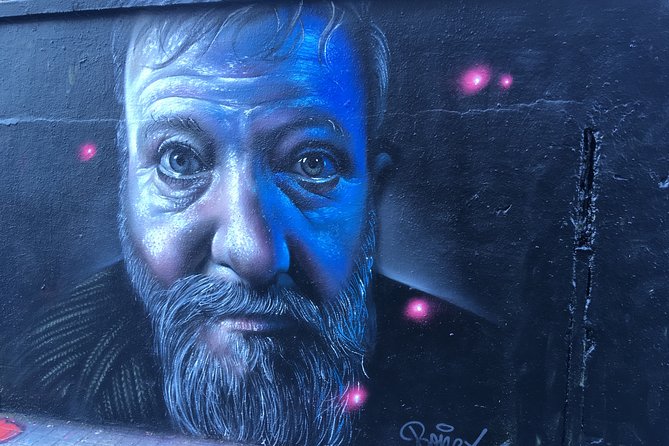
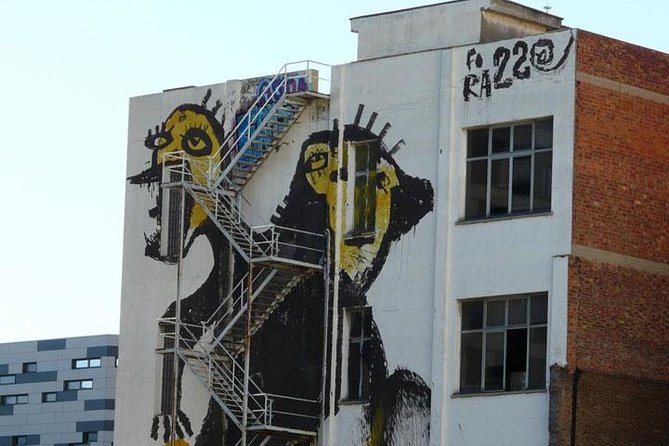
Poblenou is where the tour earns its price. The area’s post-industrial character gives the art room to breathe, and the neighborhood provides a setting that feels different from the polished center. You stop to look closely, take photographs, and hear the story behind selected work without worrying about finding a place to lock a bicycle.
That last point is easy to overlook. Street art sightseeing works poorly when you are constantly searching for parking or keeping track of bicycles while trying to look at a wall. Here, the guide organizes the stops, allowing you to focus on the art.
The commentary also adds a local angle. The tour covers the history of graffiti and street art, basic terminology, and the way artists develop their work. It can include current politics and neighborhood stories as well. This makes the outing useful for anyone who wants more than a photo collection.
I would not expect every wall to be a finished mural or every stop to appeal to every person. Street art is temporary and personal. Some pieces may be bold and detailed, while others may be rough, brief, or partly covered. The value is in learning how to read the scene, not in ticking off a fixed list of famous works.
One particularly useful feature is the guide’s explanation of how an artist progresses over time. That helps you see street art as a process rather than a single image. You may leave with a better sense of why certain marks, styles, and locations matter.
More Street Art Bike Tours in Barcelona:
- London Bike Tour: Landmarks, Secret Gems, Pub Stop & Street Art
★ 5.0 · 943 reviews - London: Landmarks & Secrets Bike Tour with Pub & Street Art
★ 4.9 · 314 reviews - Mexico City; ART NACO : Murals & Street Art Bike Tour
★ 5.0 · 284 reviews - Mexico City: Art Naco, murals & street art bike tour
★ 4.7 · 166 reviews
The guide can shape the whole outing
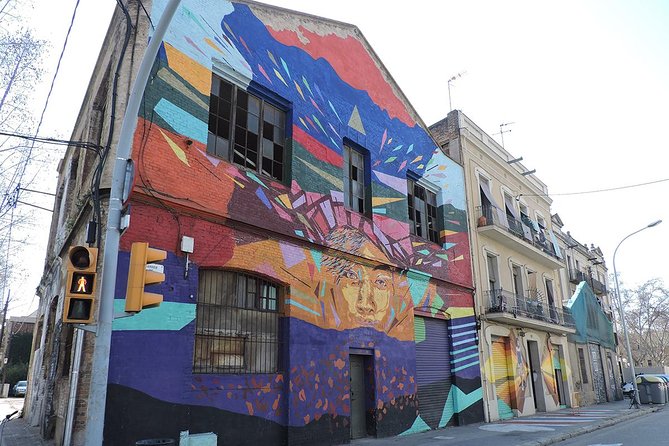
The strongest praise centers on Mike, sometimes referred to as Michael. He is described as enthusiastic, friendly, funny, and highly informed about both the art and the surrounding neighborhoods. One parent also appreciated his patience with an inquisitive child, which is a good sign for families who want an interactive outing rather than a silent ride.
A small group can make his style work especially well. One group of five found the size just right, and a maximum of 15 participants keeps the tour from becoming a huge bicycle convoy. Still, 15 is a limit, not a promise that every departure will feel intimate.
The feedback is not uniformly glowing. One participant found the guide uncommunicative and too dependent on a prepared script. That is worth keeping in mind because a street art tour relies heavily on interpretation. The walls are free to see, but the guide’s explanations are what turn them into a meaningful route.
If you care most about the art itself, you may still enjoy the outing even if the presentation is not your favorite. But if you want lively conversation, humor, and detailed answers, the guide will matter a great deal. Mike’s repeated praise suggests that many departures benefit from a strong personal touch, but guide assignments can vary.
How difficult is the bicycle ride?
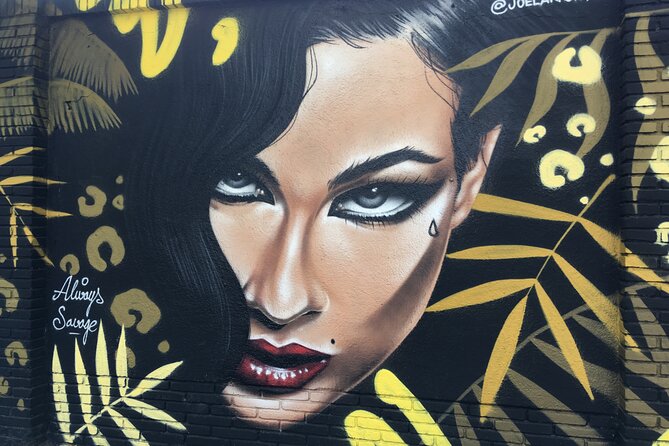
The tour is described as an easy ride by several participants, and the use of a bicycle makes it possible to see more without a hard workout. A rider who was not a regular cyclist felt comfortable on a three-speed, non-electric bike, and another description called the exercise a positive part of the day.
That does not mean you can ignore the physical side. You will be cycling for roughly two to three hours, with one outing lasting about three and a half hours. The route includes public streets and busy sections, so you need basic control, awareness, and comfort around other road users.
Most people can participate, according to the supplied information. The tour includes helmets, but food and drinks are not provided. Alcoholic drinks may be available to purchase, though that is not an important part of the ride and you should not plan to drink before cycling.
I would choose this tour for someone who enjoys an active morning or afternoon and does not mind adjusting pace to a group. It is less suitable if you want a seated art tour, a fully private outing, or a route limited to quiet paths.
Is $41.13 good value?
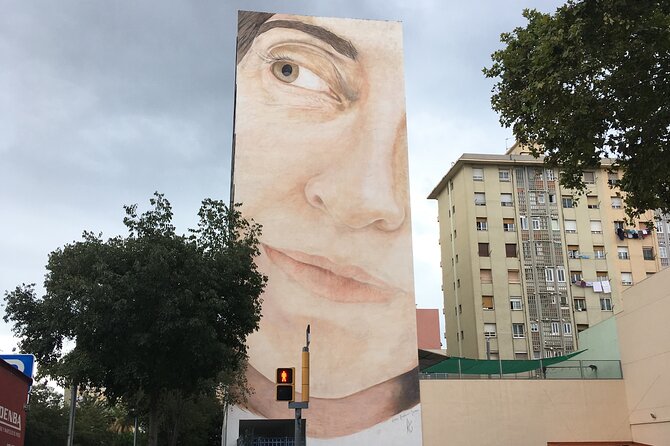
At $41.13 per person, the tour offers several useful inclusions: bicycle use, helmet rental, and a professional local guide. You are paying not just for transportation, but for a three-hour route that combines the beach, a park, Poblenou, and guided interpretation of the art.
The value is strongest if you want to see a part of Barcelona that is awkward to cover on foot. You would spend time and possibly money arranging transport between the center and Poblenou on your own. The bicycle handles that connection while the guide supplies background you would be unlikely to find by simply wandering past the walls.
The price also compares well with the small-group format, especially when the group is five or fewer. With a full group of 15, the personal attention will naturally be less direct. Even then, the guide’s local knowledge can help you see details that you might otherwise miss.
I would not book it solely because it is cheap. The real question is whether you value street art, cycling, and neighborhood context. If your main goal is Barcelona’s major monuments, this tour will not replace a visit to the city’s famous architectural sights. If you have already seen those or want a change of pace, the price is reasonable.
Timing, group size, and practical planning
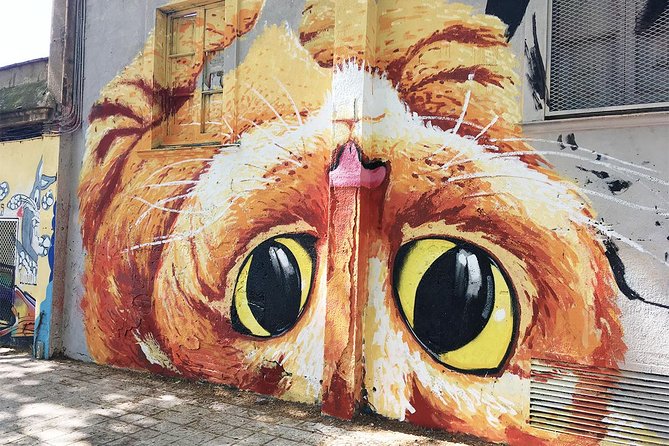
The experience is offered daily during the published operating periods, from 10:00 a.m. to 3:00 p.m. It lasts about two to three hours, but you should allow extra flexibility because one recorded outing ran longer. That makes it wise not to schedule a timed museum admission immediately afterward.
The group limit is 15 people, and at least two people are required per booking. Confirmation is sent within 48 hours, subject to availability. The experience is booked an average of 18 days ahead, so I would reserve early if your Barcelona dates are fixed.
You receive a mobile ticket, and free cancellation is available if you cancel at least 24 hours before the start time. Changes or cancellations made inside that window are not refunded. Keep the local cut-off time in mind when adjusting your plans.
The ride ends where it begins, at Carrer dels Escudellers. Since hotel pickup is not included, plan your route to and from the meeting point. Public transportation is nearby, which keeps the logistics simple.
Who should book this bicycle tour?
I would choose this tour if you want to combine light exercise with a different view of Barcelona. It suits repeat visitors especially well, since the route moves away from the standard Gaudí and Gothic Quarter circuit. It also works for curious families, provided everyone can ride comfortably in city conditions.
Street art fans will get the most from the commentary, but you do not need expert knowledge. The guide introduces the history and terms, then helps you understand what you are seeing. That makes the tour approachable for a first look at graffiti and urban art.
I would think twice if you dislike bicycles, need a completely fixed schedule, or want guaranteed electric bikes. I would also keep expectations realistic: street art changes, guide styles differ, and the route may include traffic.
Should you book the Barcelona Street Art and Graffiti Bicycle Tour?
Yes, if you want an active way to see Poblenou and you enjoy stories behind the art. The combination of shoreline riding, neighborhood exploration, and local commentary gives you a fuller afternoon than a simple mural walk.
Book it with the understanding that the bicycle and guide are central to the experience. Ask about the language and bicycle setup if those details matter to you, arrive ready for city riding, and leave room in your schedule in case the ride runs long. If Mike or Michael is leading your departure, the outing may gain an extra measure of warmth and humor.
For $41.13, this is a sensible choice for repeat visitors, street art fans, and anyone ready to trade Barcelona’s famous postcard sights for walls, wheels, and a less familiar side of the city.
FAQ
Where does the Barcelona Street Art and Graffiti Bicycle Tour start?
It starts at Carrer dels Escudellers, 48, in Ciutat Vella, Barcelona. The tour ends back at the same meeting point.
How long does the tour last?
The advertised duration is approximately two to three hours. One recorded outing lasted about three and a half hours, so allow some extra time.
What does the tour include?
The price includes use of a bicycle, a helmet, and a professional local guide.
Is hotel pickup included?
No. Hotel pickup and drop-off are not included. The meeting point is near public transportation.
What language is the tour offered in?
The tour is offered in English. The guide may be multilingual.
Can I cancel for a full refund?
Yes. You can receive a full refund if you cancel at least 24 hours before the experience start time. Cancellations or changes made less than 24 hours in advance are not accepted for a refund.
Just added around Barcelona
- Barcelona Street Art, Graffiti and Tapas Tour★ 4.0 · 5 reviews
- Private Barcelona Street Art Tour★ 5.0 · 2 reviews
- Barcelona | StreetArt Bike Tour Moco Museum★ 4.6 · 13 reviews
- Barcelona Street Art, Graffiti & Tapas Tour★ 5.0 · 5 reviews
- Barcelona | Street Art Bike tour★ 5.0 · 3 reviews
- Street Art, Sculptures & Crime Stories Walking Tour – Barcelona★ 5.0 · 11 reviews
- Barcelona: Graffiti E-Scooter Tour★ 4.4 · 9 reviews
- Barcelona: Insider Street Art Tour with Private Studio Visit★ 5.0 · 21 reviews
Barcelona Mural Tours, compared.
Barcelona Street Art Tour with Exclusive Artist Studios Visit
Read our review →
Raval Street Art and Graffiti Guided Tour in Barcelona
Read our review →
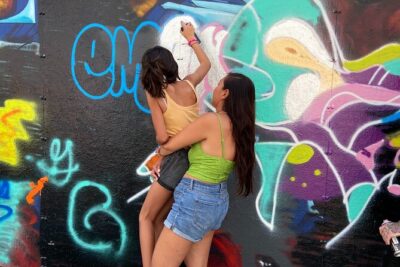
Private Barcelona Street Art Workshop with a Street Artist
Read our review →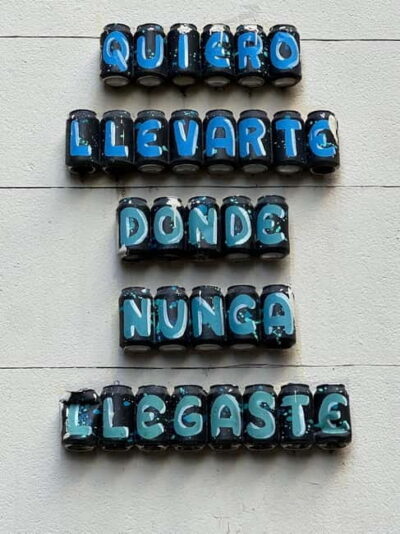
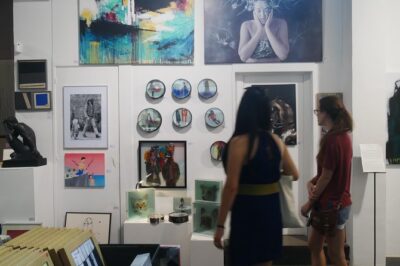
Barcelona Art & Wine: Galleries, Studios & Street Art
Read our review →
Insider Street Art Tour with Private Studio Visit
Read our review →Browse the lists this tour appears in