
REVIEW · ROME MURAL TOURS
Rome street art tour: off the beaten path with a local guide
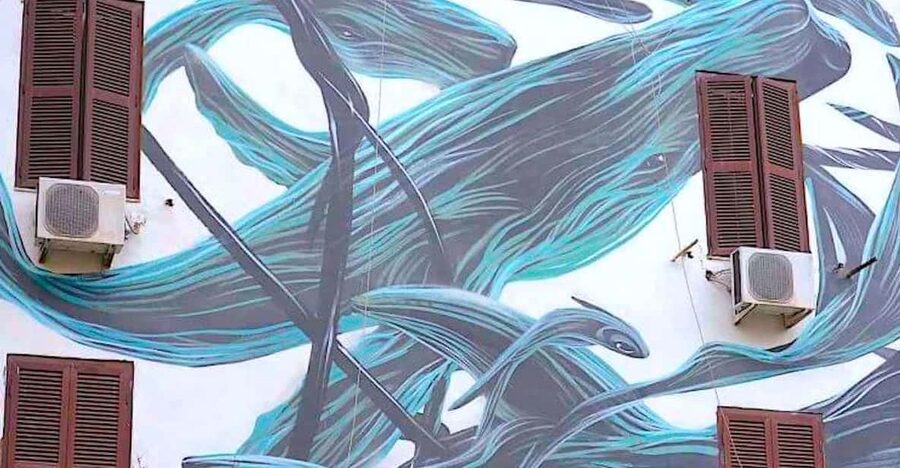
Rome has more color than ancient marble. This 2.5-hour street art walk takes you through Garbatella and Tor Marancia, two Roman neighborhoods far from the usual monument circuit. I like the mix of large murals, local history, and everyday streets, and I especially like that Lisa, a Rome native, leads the walk with an evident love for her city. The main drawback is the distance: you will cover about 4 kilometers on foot, often outdoors, so comfortable shoes and water are essential.
The tour also gives you a look at a side of Rome that many first-time visitors miss. You get a quieter setting, strong public art, and stories about the people and places behind the walls. Keep in mind that the stated timing varies slightly between 2.5 and 3 hours, and gelato is optional and paid separately.
Key points about Rome’s street art walk
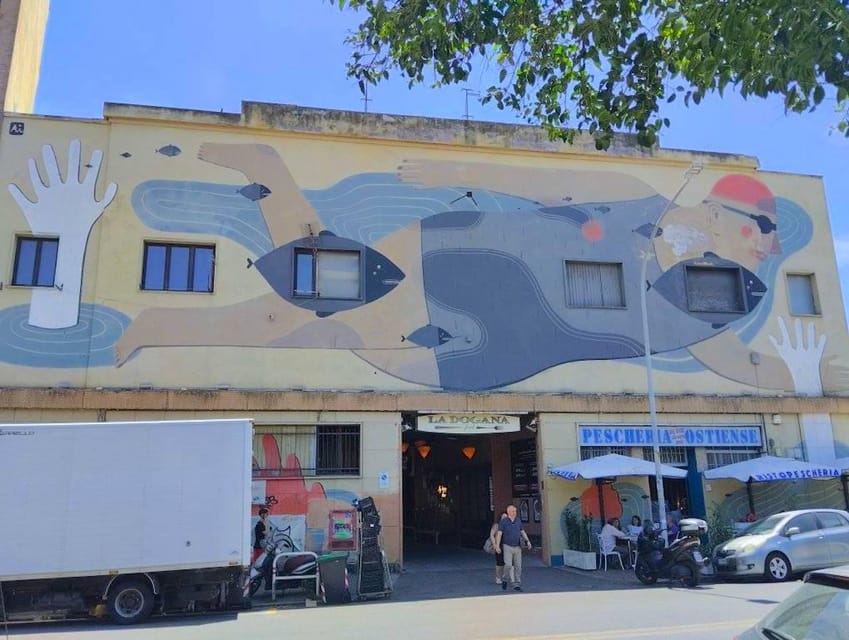
- Garbatella’s unusual design: Explore a neighborhood shaped by early 20th-century architects, with winding streets, small squares, murals, and a character unlike central Rome.
- Tor Marancia’s open-air art: See a large collection of contemporary murals created as part of an outdoor art project.
- Lisa’s local perspective: A Rome-born guide, Lisa connects the artwork with neighborhood culture and urban history.
- About 30 murals: The walk offers enough art to make the tour worthwhile for serious street art fans, while the historical commentary adds context.
- A 4-kilometer ring walk: You begin and finish at Garbatella Metro Station, with no need to arrange a taxi between neighborhoods.
- A good break from Rome’s main sights: This is a strong choice when you want local streets and public art instead of another queue for an ancient monument.
Why this tour makes sense after Rome’s major sights
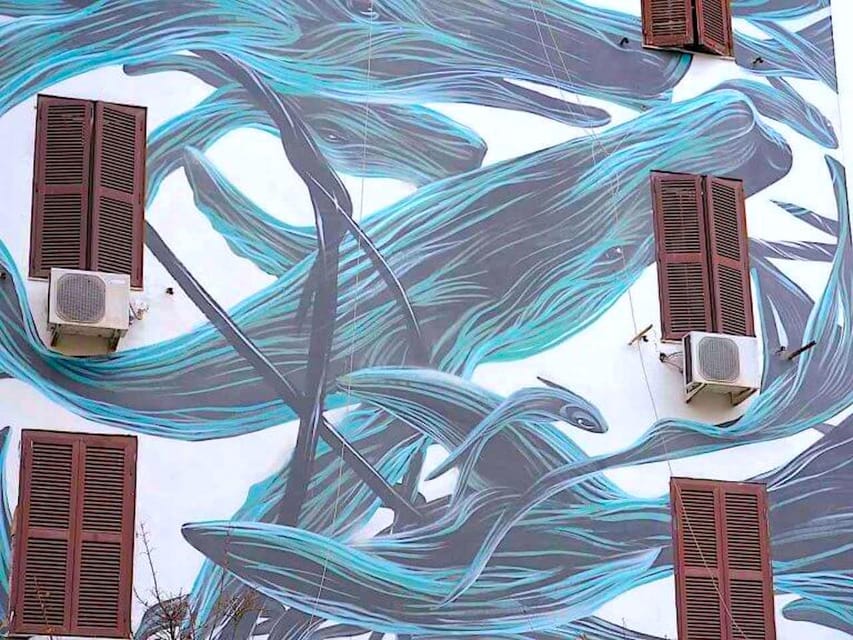
Rome is famous for ruins, churches, fountains, and grand palace interiors. Those sights deserve their place, but a city is also shaped by the neighborhoods where people live, meet, work, and paint. This tour shifts your attention from imperial Rome to modern Rome.
I like that the walk does not treat street art as a quick photo stop. The murals are tied to the places around them, and Lisa explains the history of Garbatella and Tor Marancia as you move through them. That gives the art a setting. You are not simply collecting colorful walls for your camera.
The tour has earned a perfect rating from 30 published bookings, with repeated praise for Lisa’s warmth, storytelling, English, and command of local history. That pattern matters. A street art tour depends heavily on the guide. The paintings are fixed in place, but the guide determines whether you understand why they are there and how they connect to Rome.
This experience will suit you best if you have already seen some of the classic center, or if you prefer local neighborhoods to major attractions. It is also a good fit for repeat visitors and anyone who enjoys photography, architecture, modern art, or urban history.
More Alternative City Tours in Italy:
- London Bike Tour: Landmarks, Secret Gems, Pub Stop & Street Art
★ 5.0 · 943 reviews - Budapest: Street Art and Underground Movements Walking Tour
★ 5.0 · 365 reviews - Berlin: Street Art and Alternative Tour
★ 4.7 · 98 reviews
Meeting Lisa at Garbatella Metro Station
The meeting point is the exit of Garbatella Metro Station on Metro B, Rome’s blue line. As you come out, look for the small colored amphitheater. Lisa waits there, and the group starts by getting acquainted and going over the route.
This is a practical meeting point. Garbatella is easy to reach by Metro B or local buses, and the tour begins and ends in the same place. You do not need to work out a complicated transfer at the end of the walk.
Arrive ready to walk rather than expecting a short neighborhood stroll. The route forms a loop of roughly 4 kilometers. The published duration is listed as 2.5 hours, while the itinerary also refers to a 3-hour guided tour. I would allow three hours in your schedule so you are not rushing afterward.
The tour is offered in English. Lisa’s English has been praised as clear and fluent, which is important because much of the appeal comes from explanations about art and local history rather than from simply looking at the walls.
Garbatella: Rome’s neighborhood with a different rhythm
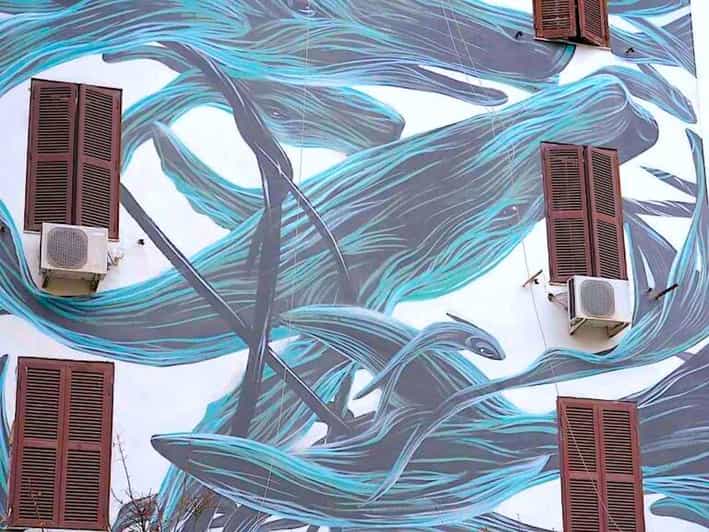
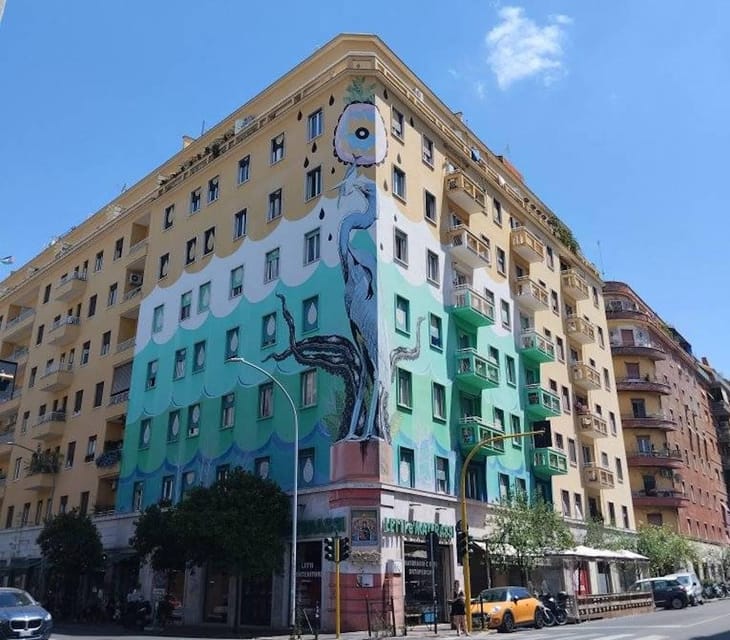
Garbatella is the first major part of the walk, and it gives you more than a series of murals. The neighborhood was designed by architects in the early 20th century, and its layout feels very different from the formal streets around the Colosseum or Trevi Fountain.
The tour lets you notice the neighborhood’s design as you walk. You may see a more residential side of Rome, with streets, buildings, and small public spaces that feel made for local life rather than sightseeing. That setting helps explain why the murals work so well here. They are part of a living district, not art placed in an empty gallery.
Lisa discusses the area’s history along with its public art. That balance is one of the tour’s strongest features. If you only care about the artists, you still get a useful setting for the murals. If you are more interested in Rome’s urban story, the art gives you a reason to explore a district you might otherwise skip.
The pace should give you time to stop for photographs and listen, but this is still a walking tour. You will move between different parts of Garbatella instead of remaining in one square. Wear shoes that you can comfortably use for several hours.
One optional pleasure is a stop for gelato at one of Rome’s best gelato parlors. Gelato is not included in the $41 price, so treat it as a possible extra rather than part of the package. It can be a welcome pause, especially in warm weather, but you should not assume the stop is guaranteed at every departure.
Murals that connect art with local stories
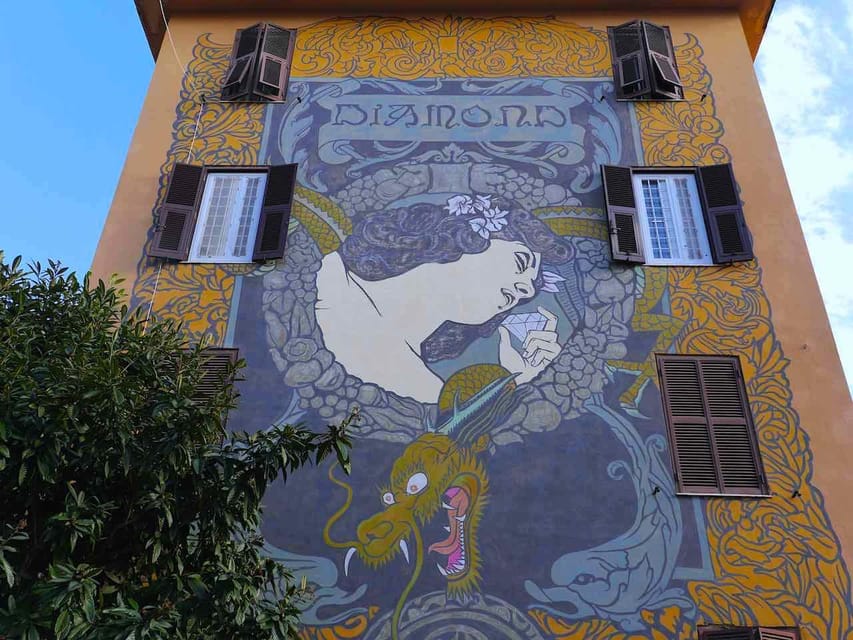
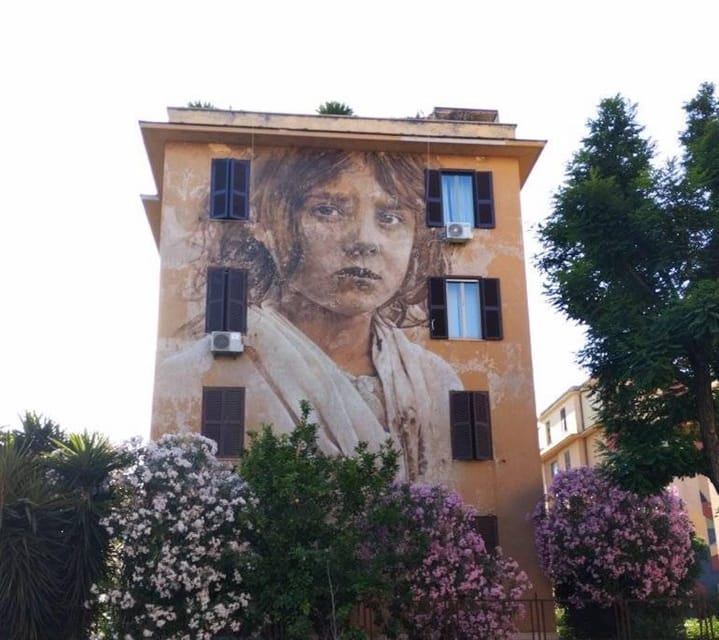
Across Garbatella and Tor Marancia, you can see about 30 murals. That is a substantial amount of public art for a single walking experience, especially when each piece is placed within a neighborhood rather than grouped inside a gallery.
The useful question is not only how many murals you see. It is how much you learn about them. Lisa explains their history and authors, giving you a way to look beyond color and scale. Large walls can be impressive in photographs, but the story behind a work often determines whether you remember it.
The art also creates a useful contrast with Rome’s older monuments. The Colosseum tells you about imperial power. These murals show a city that continues to change, commission art, and express itself in public spaces. You get a closer look at modern Roman culture without leaving the city.
The tour is especially rewarding if you bring a camera. The route offers many chances to photograph large-scale work, unusual architectural settings, and details that you might miss from a bus window. Still, try not to spend the entire walk looking through your phone. The explanations are a large part of what you are paying for.
More Guided Tours in Italy:
- Pisa Street Art Self-Guided Bike Tour
★ 5.0 · 36 reviews - London: Street Art and Graffiti Guided Walking Tour
★ 4.9 · 1,354 reviews - Berlin: City Street Art Guided Walking Tour
★ 4.8 · 1,051 reviews - Palermo: Graffiti and Street Art Guided Tour in English
★ 4.8 · 684 reviews
Tor Marancia and its open-air museum
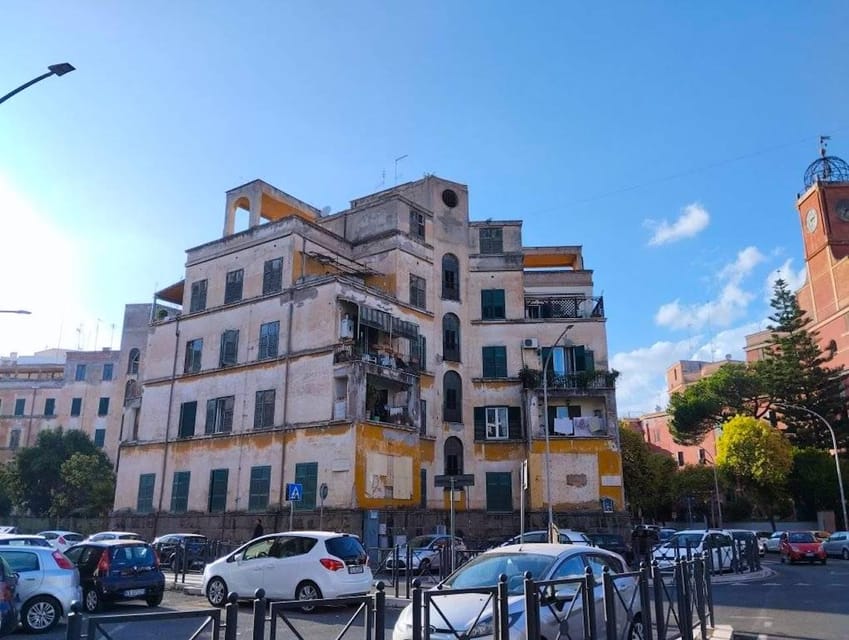
From Garbatella, the walk continues to Tor Marancia. This neighborhood is known for an open-air museum of contemporary art, and it is the biggest visual payoff of the route.
The phrase open-air museum is useful here because the art is integrated into the neighborhood. Instead of entering a formal museum with white walls and timed admission, you walk through a residential area and encounter large works as part of the streetscape. That changes the way you experience them. You can see the relationship between the murals, the buildings, and the surrounding daily life.
Tor Marancia also gives the tour a different feel from Garbatella. Garbatella offers architectural character and neighborhood history, while Tor Marancia places more focus on contemporary public art. Seeing both in one route makes the tour feel varied rather than repetitive.
I would expect Tor Marancia to be the part most likely to appeal to visitors who already follow street art. The scale of the works makes a strong impression, and the guided explanation helps you understand that the murals are not random decoration. For anyone with limited interest in modern art, the neighborhood history keeps this section accessible.
One practical point: you are walking to Tor Marancia, not taking a separate vehicle. The route is manageable for most people who are comfortable with a 4-kilometer walk, but it may feel tiring in hot weather or if you have already spent the morning on your feet.
The return route adds more than a simple walk back
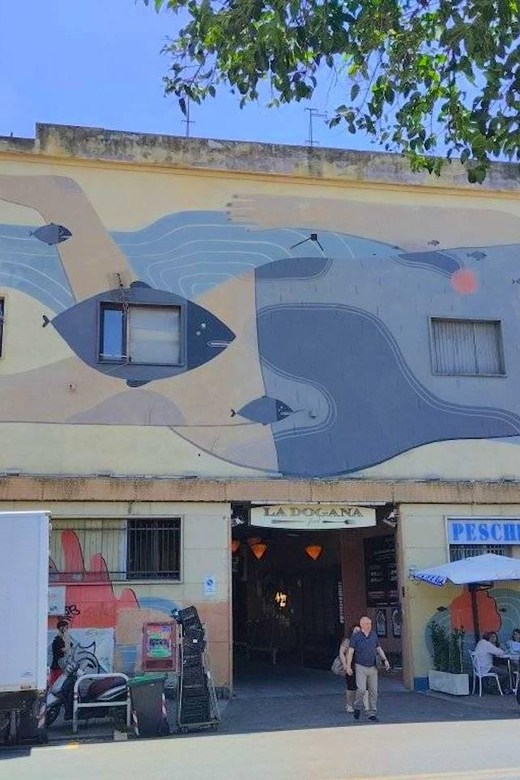
After exploring Tor Marancia, you return toward Garbatella Metro Station through more street art. This is a useful detail because the return is not just dead time between the final stop and the meeting point.
Lisa continues discussing local history and culture on the way back. You get another chance to notice artwork you might otherwise pass without understanding, and the loop gives the tour a clear beginning and ending at the same station.
Finishing where you started is convenient. You can continue on Metro B, make your way to another part of Rome, or return to your accommodation without figuring out a new pickup point. It also makes the tour easy to fit into a day of independent sightseeing.
The route does not promise famous ancient monuments. That is part of its appeal, but also something you should understand before booking. If you want a tour that combines street art with the Pantheon, Roman Forum, or Trevi Fountain, this is not that experience. It is deliberately away from the classic center.
What $41 buys you
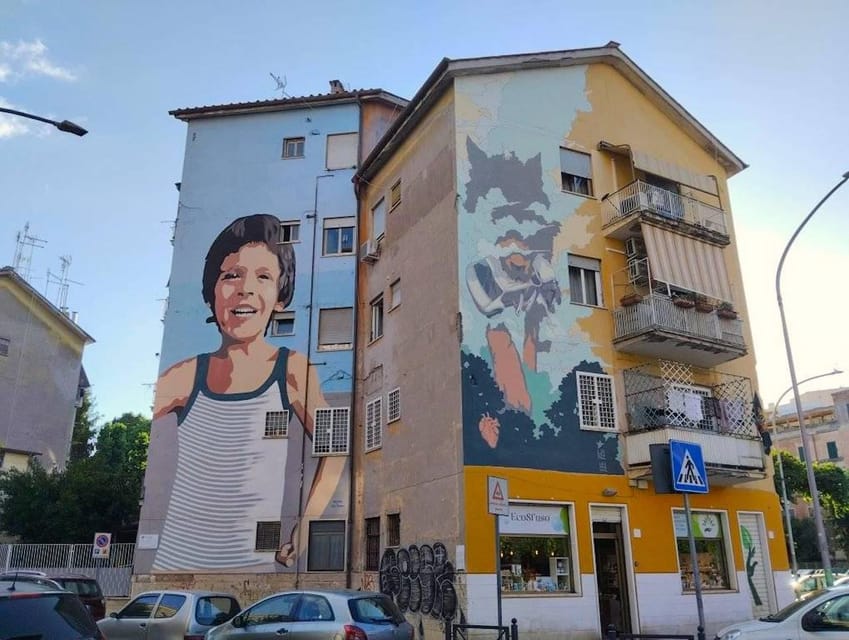
At $41 per person, the tour is priced above a casual self-guided walk but below many private sightseeing experiences. The value comes from three things: Lisa’s local knowledge, the number of murals, and the time spent walking through two neighborhoods that are easy to overlook.
You could visit Garbatella and Tor Marancia without a guide. You would save the tour fee, and you could move at your own pace. But you would also lose the explanations about the artists, the history of the districts, and the connection between the artwork and its setting.
I think the price is fair if you care about context. It is less compelling if you only want a list of mural locations for quick photographs. The tour’s repeated praise focuses on Lisa’s storytelling and local insight, not just on the paintings themselves. That tells you where the value sits.
Gelato costs extra, and no food or transport is included. Your Metro or bus fare to Garbatella is also separate. These are small additions, but include them in your planning.
The experience offers free cancellation up to 24 hours before departure and a reserve-now, pay-later option. Those policies are useful if your Rome schedule is still shifting, though the main decision should be your willingness to walk outside for several hours.
Practical advice for a comfortable walk
Wear comfortable shoes. This is not a suggestion to ignore. The route covers about 4 kilometers and includes walking between neighborhoods, stopping at murals, and returning to the station.
Bring a water bottle. You can refill it for free during the walk, which is especially helpful in summer. A hat is recommended in warm weather because much of the experience takes place outdoors.
I would choose a morning departure during hot months if that option is available. The walk is exposed to the weather, and a cooler start should make the distance easier. In milder seasons, the tour may feel more relaxed and allow you to focus on the buildings and artwork.
Give yourself extra time before any later reservation. Since the published information gives both 2.5 hours and 3 hours, I would not schedule a major attraction immediately after the expected finish. The group may pause for questions, photographs, or gelato.
This is a live English-language tour, so you should be comfortable listening while walking. If you need frequent seated breaks, the route may not be the best match. The provided information does not specify accessibility arrangements, so ask the provider directly if that is important for you.
Who should book this Rome street art tour?
I would recommend it to you if you want a quieter side of Rome, enjoy modern art, or have already covered the central monuments. It also works well for photographers, architecture fans, repeat visitors, and anyone who prefers a guide who can explain the city through its neighborhoods.
Lisa’s background matters. She was born and raised in Rome, and the strongest praise centers on her friendly manner, clear English, local insight, and storytelling. That makes this more than a route between murals.
You may want to skip it if your Rome visit is very short and you have not yet seen the major ancient and Renaissance sights. You should also think twice if a 4-kilometer outdoor walk sounds tiring, especially during a hot spell.
Should you book it?
Book this tour if you want Rome beyond the postcard views. For $41, you get a guided look at about 30 murals, two distinctive neighborhoods, and the perspective of a Rome-born guide who brings the artwork and streets together.
Skip it if you want a short, central sightseeing tour or if your schedule cannot spare three hours. For everyone else, this is a thoughtful way to trade crowded landmarks for local streets, large-scale art, and a more modern view of the city.
FAQ
Where does the Rome street art tour begin?
The tour begins at the exit of Garbatella Metro Station. Look for the small colored amphitheater just outside the station, where Lisa meets the group.
Where does the tour finish?
The walk returns to the starting point at Garbatella Metro Station.
How long is the tour?
The activity is listed as lasting 2.5 hours, while the itinerary also refers to a 3-hour guided tour. Allow around three hours when planning your day.
How far do you walk?
The route is a ring walk of about 4 kilometers through Garbatella and Tor Marancia.
Which neighborhoods does the tour visit?
The tour visits Garbatella and Tor Marancia, including the murals and street art found in both areas.
Is gelato included?
No. Gelato is an optional stop and is paid for separately.
What should I bring?
Wear comfortable shoes, bring a water bottle, and consider wearing a hat during summer. The tour includes a chance to refill your bottle for free.
Just added around Italy
- Art & Craft: Beer Tour with Street Art in Rome★ 4.5 · 6 reviews
- Torpignattara Photo Tour: melting pot, street art and politics★ 5.0 · 5 reviews
- Naples Murals Catacombs and Folklore Sanità District Tour★ 4.5 · 5 reviews
- Street Art of Spanish Quarters and Maradona Tour★ 3.5 · 3 reviews
- The Spanish Quarters, Street Art and Local Market Tour in Naples★ 5.0 · 23 reviews
- Private Street Art Tour: Exploring Milan’s Hype Neighborhoods★ 5.0 · 2 reviews
- Street Art&Urban Vibes in Milan’s Most Exciting Rising Areas★ 4.4 · 5 reviews
- Orgosolo Experience: Murals and Culture with a typical Lunch★ 4.4 · 5 reviews
Rome Mural Tours, compared.
Ostiense Graffiti and Modern Street Art Walking Tour
Read our review →
Torpignattara Photo Tour: melting pot, street art and politics
Read our review →Browse the lists this tour appears in