
REVIEW · ROME MURAL TOURS
Street Art Tour of Rome
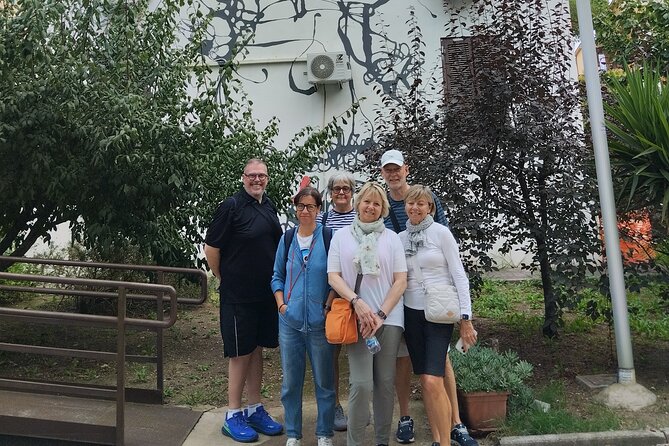
Street art gives Rome a new voice. This 2-hour-45-minute walk links Garbatella and Tor Marancia, two neighborhoods where murals meet working-class stories, unusual architecture, and contemporary culture. I like the way the tour moves beyond the usual monuments, and I especially like that guide Lisa explains both the art and the changing neighborhoods around it. The main drawback is its dependence on good weather, plus one reported missed meeting caused by a guide emergency.
You pay $38.41 per person for a walking tour capped at 25 people. That is a fair price if you want context rather than a quick mural checklist, though the value depends on your interest in modern art and local history. Bring water, since it is not included, but Rome’s public drinking fountains make refilling easy.
Key points to know before you book
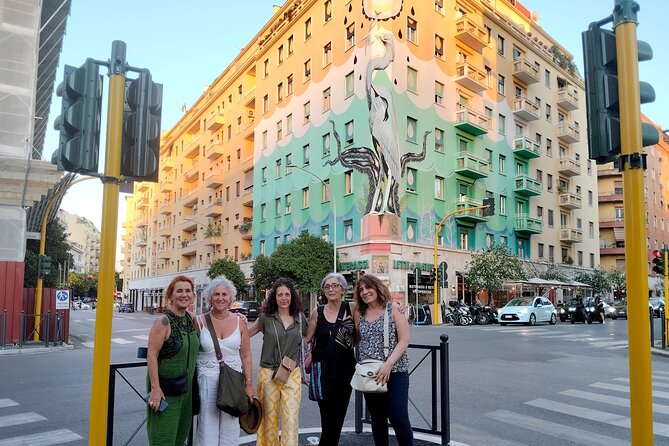
- Two very different neighborhoods: Garbatella brings distinctive architecture and street scenes, while Tor Marancia is the main mural stop.
- Lisa adds personal care: Her explanations, local tips, and help arranging a taxi have earned especially warm praise.
- Nearly three hours on foot: Plan for a steady walking outing, with about 90 minutes in Garbatella and one hour at Tor Marancia.
- A quieter side of Rome: You will spend time away from the Colosseum and Trevi Fountain crowds.
- Good value for art fans: The price covers an expert local guide, with no separate admission charge at either stop.
- Weather matters: A poor-weather cancellation brings a new date or full refund, but last-minute changes are not accepted.
Why Garbatella makes a strong first stop
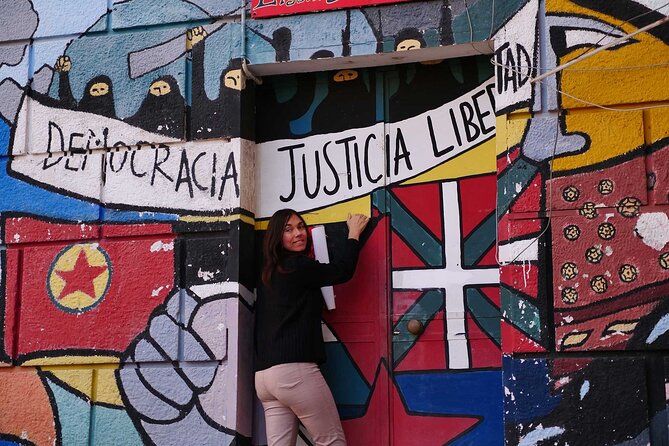
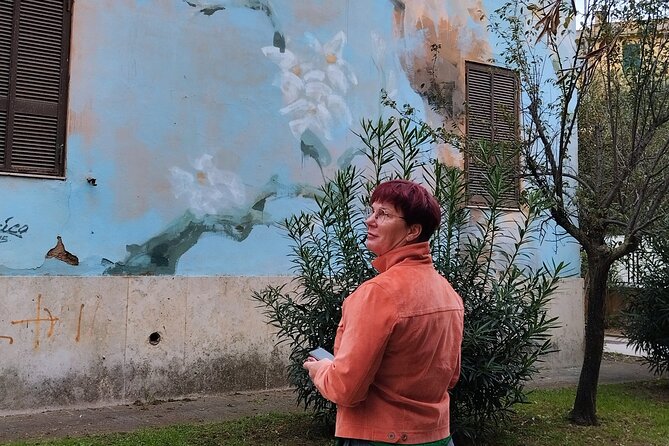
The tour begins at Via Giacinto Pullino, 103, in Rome’s Garbatella district. This is not a grand piazza encounter. You start in a neighborhood setting, where the pleasure comes from looking closely at walls, buildings, and the relationship between older local life and newer public art.
You have about 1 hour and 30 minutes here. That is enough time to see more than a few painted walls. The guide points out the stories behind the murals and explains pieces of Rome’s contemporary history, giving the art a place in the daily life of the neighborhood.
I like this opening because Garbatella gives you architectural context before the tour reaches its biggest mural display. You are not simply walking from one photograph to the next. You are learning how public art can change the feel of a street, call attention to a place, and reflect the people who live nearby.
The neighborhood is also useful for anyone who wants a different view of Rome. The famous center can make the city feel like a sequence of monuments. Garbatella offers a more local setting, and the tour uses its streets to show how Rome’s identity continues to change beyond the ancient and Baroque highlights.
The guide discusses well-known artists as well as people who are still building a name. That balance matters. You get some recognition of major figures in contemporary art, but you also hear about artists whose work may not yet appear in standard Rome guidebooks.
Bring a phone or camera if you enjoy photographing architecture and murals. The tour specifically allows time to admire and photograph the work, but you should still listen before rushing to take pictures. A mural often makes more sense once you know why it was created and what it says about its setting.
A few more mural tours around Italy worth a look
- Naples Spanish Quarters Walking Tour Street Art, Folklore & Sweet
★ 5.0 · 797 reviews - Naples: Spanish Quarters Folk Street Art w/ Sweets Tasting
★ 4.9 · 788 reviews - Graffiti art tour in Rome
★ 5.0 · 714 reviews
Tor Marancia delivers the visual payoff
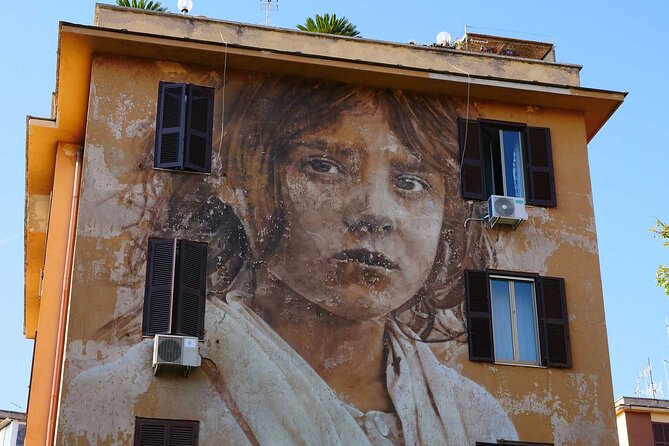
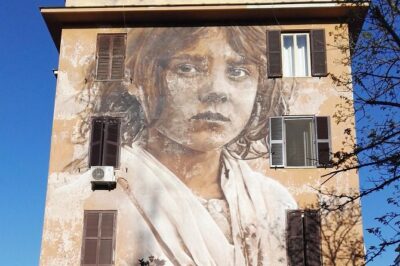
After Garbatella, the tour continues to the Museo Condominiale di Tor Marancia. This stop lasts about one hour and is described as the high point of Rome’s street art scene. The name refers to a neighborhood project where large murals are part of the residential setting, rather than isolated pieces placed in a gallery district.
Tor Marancia gives the tour a different rhythm. Garbatella is about art, streets, and architecture together. Tor Marancia puts the murals front and center, with broad wall paintings that are easier to appreciate as a group than as single images.
I would save plenty of camera space for this part. The murals are the clearest reason to choose this tour over a general neighborhood walk, and the guide’s explanation helps you see more than color and scale. You learn how the works were made and how they relate to the neighborhood around them.
The contrast between the two stops is one of the tour’s best features. Instead of showing you one style of street art, the walk places different approaches side by side. Lisa has been praised for explaining those differences clearly, which is useful if you like art but do not have formal training in it.
There is also a social side to Tor Marancia. The murals are not presented as decoration alone. Their place in a residential neighborhood gives the art a connection to everyday Rome, and that makes the visit feel different from entering a museum for an hour.
Admission is free at both stops. That does not mean the tour lacks value. You are paying for the guide’s explanations, route planning, and ability to connect separate works into a story. Without that help, you could see some of the murals but miss the reason they matter.
Lisa’s guiding style adds warmth
The guide named most often in the supplied feedback is Lisa. Her strengths are clear: she explains the art, gives historical context, and keeps the outing personal rather than formal.
One particularly useful detail is her willingness to help beyond the planned walk. When one person needed a taxi, Lisa called one and stayed until it arrived. She also offered coffee and practical tips during another outing. Those small acts matter in a city where transport can become confusing, especially after spending nearly three hours in unfamiliar neighborhoods.
The strongest praise centers on Lisa’s ability to connect contemporary murals with neighborhood history. That is the key skill for this tour. A guide who only identifies artists would give you a thinner experience. Here, the goal is to explain how the murals were created and what they say about Rome today.
The rating is 4.8 from 19 reviews, and 95 percent of people recommend the experience. Those numbers point to a consistently positive outing, though the sample is still small. I would treat them as a useful signal, not a guarantee that every departure will be perfect.
There is one serious service issue to keep in mind. One person arrived at the meeting area at 10 a.m. and found no guide, with no cancellation message. The operator apologized, explained that an emergency while returning from another city prevented contact, and offered to refund taxi costs. It sounds like an isolated problem, but it is worth checking your messages before leaving for the meeting point.
The $38.41 price: fair for the right audience
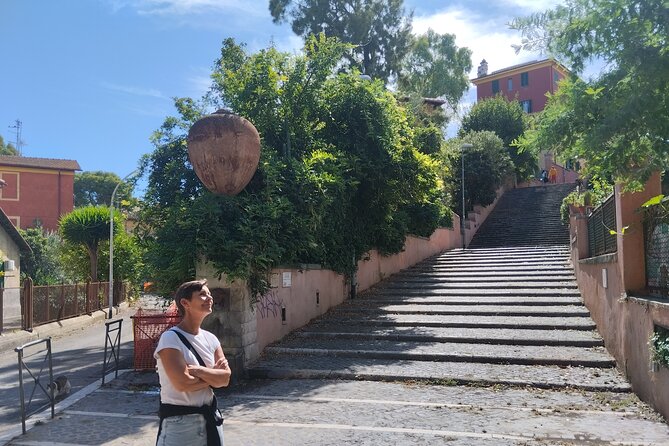
At $38.41 per person, this is not the cheapest way to see public art in Rome. You could walk through a neighborhood on your own without paying an admission fee. The question is what you want from the outing.
If you already know the artists, understand the neighborhoods, and enjoy researching murals yourself, the price may feel unnecessary. You can photograph public art for free, and the tour does not include a meal, bottled water, or museum entry.
I think the cost is fair if you value explanation. The guide gives you a planned route, background on the artists, context about contemporary Rome, and an introduction to two areas that many visitors would not reach on a typical first visit. That saves research time and makes the murals easier to understand.
The two stops also spread the value across nearly three hours. You are not paying for a brief photo stop followed by a hurried departure. The longer Garbatella segment allows room for architecture and local stories, while Tor Marancia provides a concentrated hour of mural viewing.
The free admissions help. Since there are no ticket charges at either stop, most of the price goes toward the guide’s time and expertise. For an art lover, that is a sensible trade. For someone who only wants a few colorful photographs, it may not be.
Same walls, a different guide:
- Naples: Street Art, Wine and Food Tasting Walking Tour
★ 5.0 · 163 reviews - Naples Essentials: Monuments, Local Life & Street Art
★ 4.9 · 79 reviews - 4×4 tour of Orgosolo: Murals and typical lunch at the shepherd’s
★ 5.0 · 76 reviews - Naples: The Spanish Quarters, Street Art and Local Market
★ 4.7 · 59 reviews
Timing, transport, and what to bring
The walk lasts approximately 2 hours and 45 minutes and ends back at the starting point. That return-to-meeting-point arrangement makes planning simpler, but you should still allow extra time afterward in case the group finishes a little late.
The meeting point is Via Giacinto Pullino, 103, 00154 Roma RM, Italy. The tour is near public transportation, though the supplied information does not specify a particular metro or bus route. Check the route from your accommodation before setting out, especially if you are unfamiliar with Rome’s outer neighborhoods.
I would arrive with enough time to find the exact address. The previous missed meeting incident was unusual, but arriving early gives you time to confirm the location and check your phone for updates.
Water is not included. Rome has many public drinking fountains, so a refillable bottle is the practical choice. You will be outdoors for most of the walk, and the tour’s weather requirement is a reminder to dress for the conditions rather than treating this like an indoor museum visit.
Wear shoes you can comfortably use for almost three hours. The information does not specify the exact walking surface or elevation, so you should not assume the route will be effortless. Most people can participate, and service animals are allowed, but anyone with mobility concerns should confirm that the route suits their needs before booking.
The maximum group size is 25. That is not an intimate private walk, but it is small enough to hear a guide more easily than you would on a large city excursion. If every place is filled, the experience may feel less personal than the warmest accounts suggest.
What this tour does better than a standard Rome visit
This outing works because it changes the subject. Rome is usually sold through ancient ruins, Renaissance churches, fountains, and imperial monuments. Those sights deserve your time, but they can also make the city feel frozen in the past.
Garbatella and Tor Marancia show Rome as a living city. The murals bring current artists, community spaces, and modern concerns into the picture. You still get history, but it is the history of neighborhoods and recent urban change rather than only emperors and popes.
I also like the balance between famous names and newer artists. That keeps the tour from becoming a list of established stars. You get a sense of an art scene that is still developing, with room for different styles and fresh work.
The route is especially useful on a longer Rome visit. If you have only one day in the city, you may prefer the Colosseum or Vatican Museums. If you have several days, this walk gives you a different side of Rome without asking you to sacrifice an entire day.
It is also a good choice for repeat visitors. Someone who has already seen the main monuments may find more pleasure in neighborhood streets, murals, and the stories behind public art than in another crowded central attraction.
Who should book this walk
I would recommend it most strongly to:
- People who enjoy street photography and large-scale murals
- Art fans who want to learn about both established and newer artists
- Repeat visitors seeking parts of Rome beyond the central sights
- Anyone interested in how contemporary art connects with local neighborhoods
- Couples, friends, or families comfortable with a nearly three-hour walking outing
- Visitors who prefer a guide’s interpretation to exploring public art alone
I would think twice if your Rome schedule is packed with major monuments and you have little interest in modern art. The tour is not a substitute for the Colosseum, Vatican Museums, or the historic center, and its appeal depends on enjoying a slower look at neighborhoods.
It may also disappoint you if you expect a formal museum tour. Tor Marancia is called a museum in the stop name, but the experience centers on outdoor murals in a residential setting. This is a street-level art walk, not a traditional gallery visit.
Cancellation and weather details
You can cancel for a full refund up to 24 hours before the start time. Changes or cancellations made less than 24 hours before the tour are not accepted, and the local start time controls the deadline.
The activity requires good weather. If poor weather forces a cancellation, you receive the choice of another date or a full refund. That policy is reasonable for an outdoor walk, but it means you should keep some flexibility in your Rome schedule.
Confirmation arrives when you book, and the ticket is mobile. The tour is offered in English.
Should you book the Street Art Tour of Rome?
Book it if you want contemporary Rome, not only ancient Rome. The combination of Garbatella’s architecture and stories with Tor Marancia’s major murals gives you a fuller picture than a quick search for street art on your own.
The $38.41 cost is worthwhile when Lisa is guiding, since the strongest praise focuses on her explanations, kindness, local tips, and practical help. The one missed-meeting incident is a reason to check your messages and allow time to locate the start, not a reason by itself to reject the experience.
I would make this a strong choice for a second or third day in Rome, especially in good weather. Bring water, wear comfortable shoes, keep your phone charged for photographs, and arrive ready to listen as well as look.
FAQ
Where does the Street Art Tour of Rome begin?
The tour begins at Via Giacinto Pullino, 103, 00154 Roma RM, Italy.
Where does the tour end?
The activity ends back at the meeting point.
How long does the tour last?
The walking tour lasts approximately 2 hours and 45 minutes.
What neighborhoods does the tour visit?
The tour visits Quartiere Garbatella and the Museo Condominiale di Tor Marancia.
Is admission to the street art locations included?
There is no separate admission charge listed for either stop. The experience includes a walking tour with an expert local guide.
Can I cancel for a refund?
Yes. You can cancel at least 24 hours before the start time for a full refund. If poor weather cancels the experience, you will be offered another date or a full refund.
Just added around Italy
- Art & Craft: Beer Tour with Street Art in Rome★ 4.5 · 6 reviews
- Torpignattara Photo Tour: melting pot, street art and politics★ 5.0 · 5 reviews
- Naples Murals Catacombs and Folklore Sanità District Tour★ 4.5 · 5 reviews
- Street Art of Spanish Quarters and Maradona Tour★ 3.5 · 3 reviews
- The Spanish Quarters, Street Art and Local Market Tour in Naples★ 5.0 · 23 reviews
- Private Street Art Tour: Exploring Milan’s Hype Neighborhoods★ 5.0 · 2 reviews
- Street Art&Urban Vibes in Milan’s Most Exciting Rising Areas★ 4.4 · 5 reviews
- Orgosolo Experience: Murals and Culture with a typical Lunch★ 4.4 · 5 reviews
Rome Mural Tours, compared.
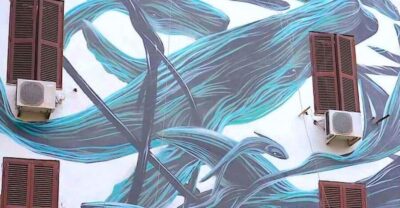
Rome street art tour: off the beaten path with a local guide
Read our review →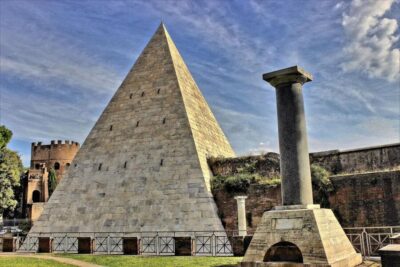
Ostiense Graffiti and Modern Street Art Walking Tour
Read our review →
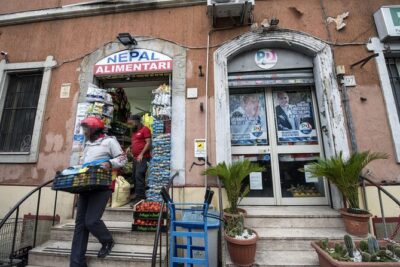
Torpignattara Photo Tour: melting pot, street art and politics
Read our review →Browse the lists this tour appears in