
REVIEW · BERLIN MURAL TOURS
Berlin: Street Art and Alternative Tour
Berlin keeps its best stories on the walls. This three-hour walk connects street art with Cold War history, showing how the former border helped shape the city’s alternative culture. I like the focus on Kreuzberg, where politics, art, social change, and gentrification meet in the same streets. I also like the choice of French- or Italian-speaking guides, including praised guides such as Martin, Marie, Antonella, and Iacopo. The main drawback is practical: you need to buy a 24-hour AB public transport ticket, and the meeting point changes with the option you book.
This is not a quick photo walk. The purpose is to explain why Berlin’s walls became public canvases after 1989, and why street art still matters now. You should expect plenty of walking, outdoor discussion, and a tour shaped more by history and ideas than by a simple checklist of famous murals.
Key points at a glance
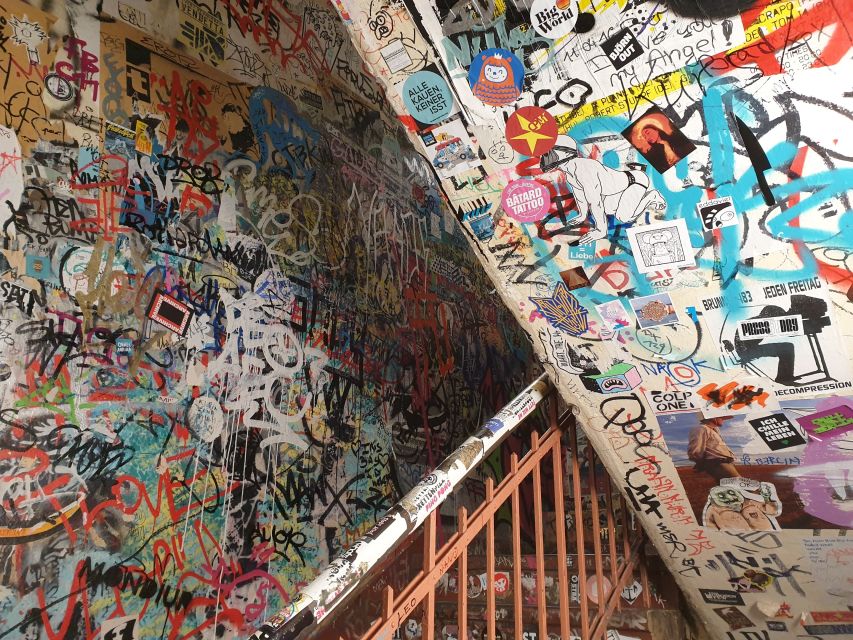
- Kreuzberg is the main stage: Walk through one of Berlin’s best-known alternative quarters and connect its street art to social and economic change.
- The Berlin Wall remains part of the story: The tour links art to the former East-West divide and the city’s revival after 1989.
- East Side Gallery adds a major landmark: You see one of Berlin’s most important public art sites along the former wall.
- Mitte may offer smaller discoveries: The tour also discusses small works in corners, courtyards, and streets away from the big murals.
- The guides shape the experience: French and Italian are available, with strong praise for the clear, warm approach of Martin, Marie, Antonella, and Iacopo.
- Plan for public transport: A 24-hour AB ticket is not included, so add that cost and preparation to the $31 tour price.
Why Berlin street art needs a history lesson
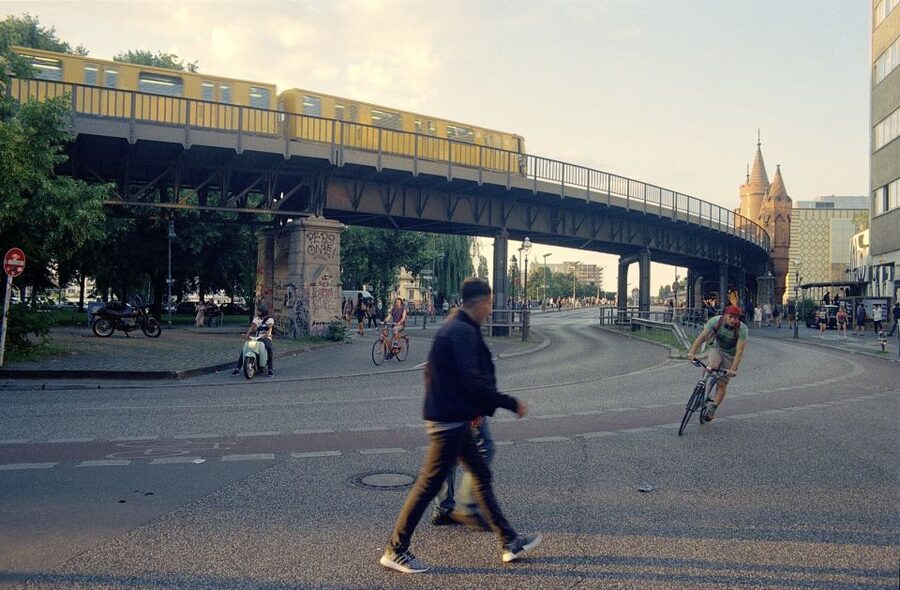
Berlin’s street art makes more sense when you know what happened to the city after the Wall fell. The former border was not only a political line. It also left empty spaces, damaged buildings, cheap rooms, and a feeling that the city could reinvent itself.
That atmosphere helped alternative culture take root in the 1990s. Artists, musicians, political groups, and new residents used walls and abandoned spaces to express ideas that did not fit the polished image of a capital city. The tour explains this link rather than treating each mural as a separate decoration.
I value that approach. A large painting can look impressive in a photograph, but the surrounding street often tells you why it appeared there. The guide’s job is to connect art to the economic and social changes that followed reunification, then explain how those changes led to today’s gentrification.
You will not simply hear that Berlin is creative. You will learn how public art became part of the city’s recovery and how the same areas later became more attractive, expensive, and contested. That gives the walk a useful tension: street art can challenge power, but it can also help make a neighborhood fashionable.
More Alternative City Tours in Germany
- Street Art and Alternative Tour of Berlin in French
★ 5.0 · 49 reviews - Berlin Alternative Street Art Tour
★ 4.0 · 26 reviews - Berlin: Alternative Street Art Tour
★ 4.4 · 18 reviews
Starting in Kreuzberg, where art meets daily life
Kreuzberg is the heart of the experience. This district is known for its alternative identity, and the walk uses its streets to show how Berlin’s social history appears in ordinary places.
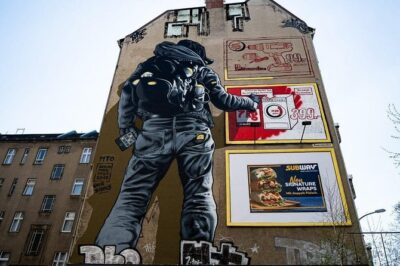
You may see large works between buildings, smaller pieces tucked into corners, and art placed along streets or in courtyards. The scale changes from one work to the next. One moment you might be looking at a wall-sized image, and the next you could be discussing a small piece that would be easy to miss alone.
That variety is important. Berlin street art is not confined to a single outdoor gallery. It spreads across the neighborhood, and the walk helps you read the city at street level. You should keep your eyes open rather than waiting for one famous mural after another.
The Kreuzberg portion also gives the guide room to discuss current issues. The route connects art to housing, changing businesses, and gentrification. The supplied information does not specify every street or stop, so you should think of this as a guided area walk rather than a fixed museum-style route.
That flexibility can be useful. Street art changes quickly, and a good guide can respond to what is still visible. It also means you should not book this expecting a guaranteed list of individual artists or murals.
From the 1990s revival to today’s gentrification
The most valuable part of this tour is its timeline. You begin with the Cold War division, move through the fall of the Wall in 1989, and then follow Berlin’s revival during the 1990s.
The guide explains how the former border areas became spaces for new forms of expression. Empty or neglected sites offered room for experiments, and the city gained a reputation for alternative culture. Art was part of that change, but it was not the only cause. Social movements, economic shifts, and new arrivals all played a role.
Then comes the less comfortable part: success changes places. The same creative identity that drew people to Kreuzberg and nearby areas also helped make them more desirable. Rising interest can bring new money, but it can also alter the people, shops, and spaces that gave a district its character.
I appreciate that the tour does not present alternative Berlin as a frozen 1990s fantasy. It asks you to consider what happens when anti-establishment art becomes a reason to visit, live, or invest in a neighborhood. That makes the experience useful for anyone who wants more than attractive walls for a camera roll.
The subjects can be serious, but the guide’s approach appears accessible rather than academic. Marie is praised for answering questions and adding current anecdotes, while Martin is described as sharing his affection for Berlin in a clear and approachable way. Those details matter because the tour depends on conversation as much as scenery.
The East Side Gallery and the former border
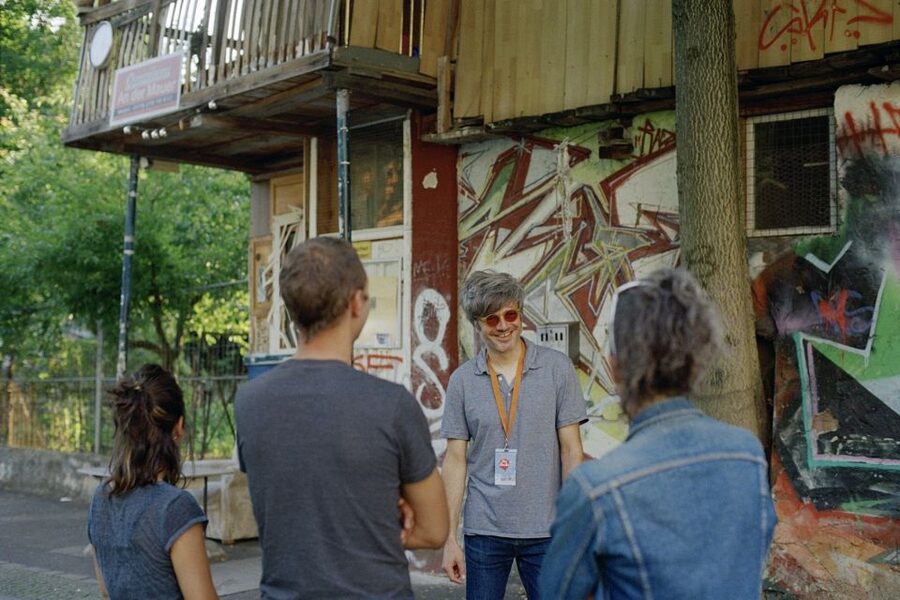
The East Side Gallery gives the walk a major visual anchor. This long section of preserved Berlin Wall is covered with painted works and is one of the city’s best-known public art sites.
Here, the connection between politics and art becomes easy to see. The Wall once divided Berlin. Now, its remaining section carries images about freedom, hope, protest, and the consequences of division. The tour places the gallery within the wider story instead of treating it as an isolated attraction.
You should expect a public outdoor setting, not a quiet museum visit. The East Side Gallery is a significant city sight, so it can feel more exposed and less personal than the smaller pieces in Kreuzberg or Mitte. Still, it gives you context that individual street art cannot provide on its own.
The exact order of the stops may vary, and the meeting point depends on the option booked. Public transport is part of the plan, so allow time for the route and purchase a 24-hour AB ticket before the tour. That ticket is not included in the $31 price.
More Alternative City Tours in Berlin:
- Alternative Berlin & Street Art Tour
★ 4.5 · 14 reviews - Berlin: Alternative & Street Art Tour
★ 4.5 · 10 reviews - Alternative Berlin Private Tour with Jacob – Graffiti and Squats
★ 5.0 · 6 reviews - Alternative Berlin / Street art tour – Private group
★ 5.0 · 6 reviews
Smaller works in Mitte and the value of looking twice
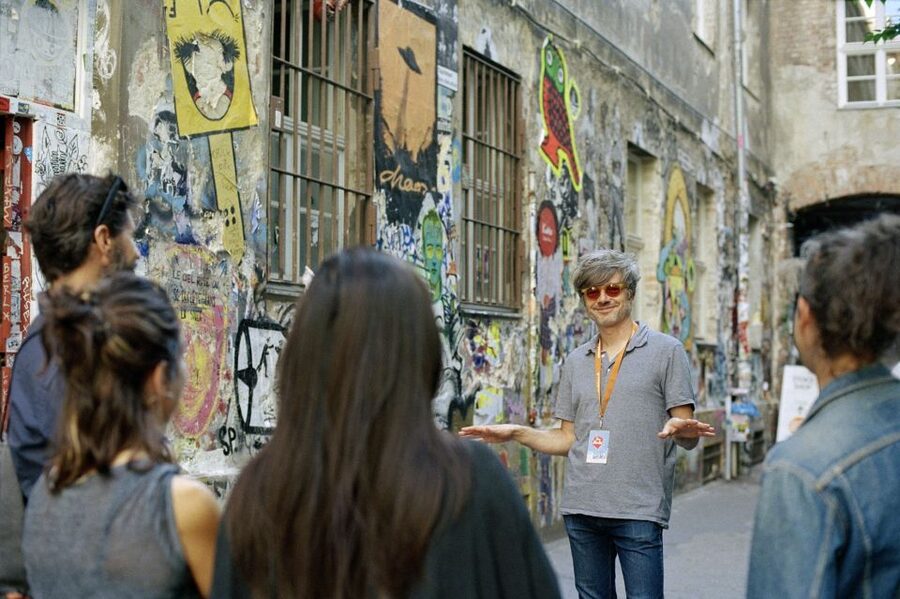
The tour description also points to pieces in Mitte, including art in corners, courtyards, and along streets. These smaller works can be more rewarding than the obvious landmarks because they require attention.
I like this part in principle because it trains you to look at Berlin differently. After the walk, you may notice how art appears beside doorways, on overlooked surfaces, or in spaces that a standard sightseeing route would pass without comment.
The information provided does not promise a fixed Mitte section on every option, so confirm the meeting point and route when booking. It is safest to regard Mitte as part of the tour’s broader view of Berlin street art, not as a guaranteed stop on every departure.
This is also where the guide’s experience matters most. Without explanation, a small work may seem random or easy to ignore. With context, its location, size, and placement can become part of the point.
What the guides add in French or Italian
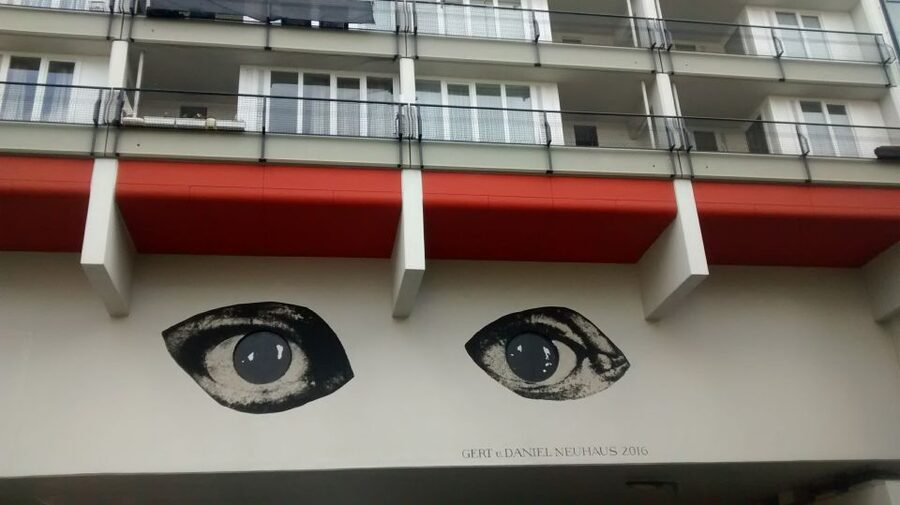
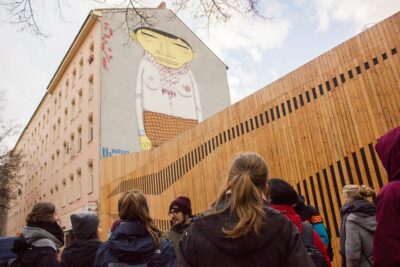
The tour is led in French or Italian, which makes it especially useful if you prefer to discuss history and politics in one of those languages. You are not getting an audio recording or a self-guided map. The value comes from asking questions and following the guide’s interpretation.
Several guide names appear in the feedback. Antonella and Iacopo were praised for their preparation, passion, and ability to lead people through the city’s history. Martin is noted for making his love of Berlin easy to understand. Marie received praise for her warmth, current anecdotes, and willingness to answer questions.
Those comments point to the tour’s strongest feature: the human explanation. The best version of this walk will help you connect one neighborhood to another and one decade to the next. It should also leave room for questions, especially if you want to discuss gentrification or the meaning of a particular work.
The language choice is a real advantage, but check it carefully when booking. The available languages are French and Italian. If you need English or another language, this is not the right choice based on the information provided.
Three hours on foot: the practical side
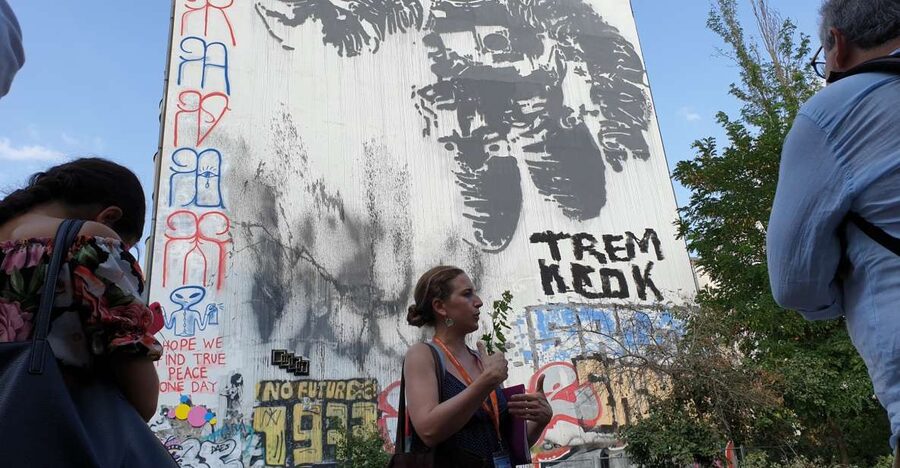
Three hours is long enough to build a story but short enough to fit into a day of sightseeing. You should wear comfortable shoes. The route involves walking outdoors through city streets, and the experience does not include a vehicle or indoor seating.
A small-group format should make it easier to hear the guide and ask questions. The exact group size is not provided, so do not assume an intimate private walk. Small group here means a shared walking tour rather than an individual guide.
Bring clothing suited to the weather, since the activity takes place outside. A phone can help with navigation to the meeting point, but the key preparation is the transport ticket. You need a 24-hour AB ticket, and the meeting location may vary according to the option you select.
One practical note came up about the meeting point. The tour may begin around Kotbusser Tor, but the meeting instructions can be listed elsewhere depending on the booking option. Check the final details instead of assuming you can simply arrive at the first neighborhood mentioned.
The schedule has some flexibility because starting times depend on availability. Cancellation is free up to 24 hours before the activity, and you can reserve now and pay later. Those terms are useful if your Berlin plans are still shifting, but they do not remove the need to check the start time and meeting location.
Is $31 a fair price?
At $31 per person, this tour offers reasonable value if you want interpretation rather than just a walk past murals. You are paying for three hours, a small-group guide, and a structured explanation of Berlin’s alternative culture, Cold War division, reunification, and gentrification.
The extra transport ticket slightly changes the calculation. Public transport is required and not included, so your total cost will be more than $31. Still, the ticket can cover your wider movement within the AB area for 24 hours, not only the tour, which may make it useful for the rest of the day.
The price is less attractive if you only want photographs of famous street art. You can see public works without booking a guide, and the tour does not promise entry to a museum or a private art space. Its value lies in meaning, neighborhood context, and the chance to ask questions in French or Italian.
The rating of 4.7 from 98 reviews supports a strong overall impression, but I would still choose it for the subject matter and language first. Street art routes can change, and no walking tour can guarantee that every piece will remain visible.
Who should book this walk?
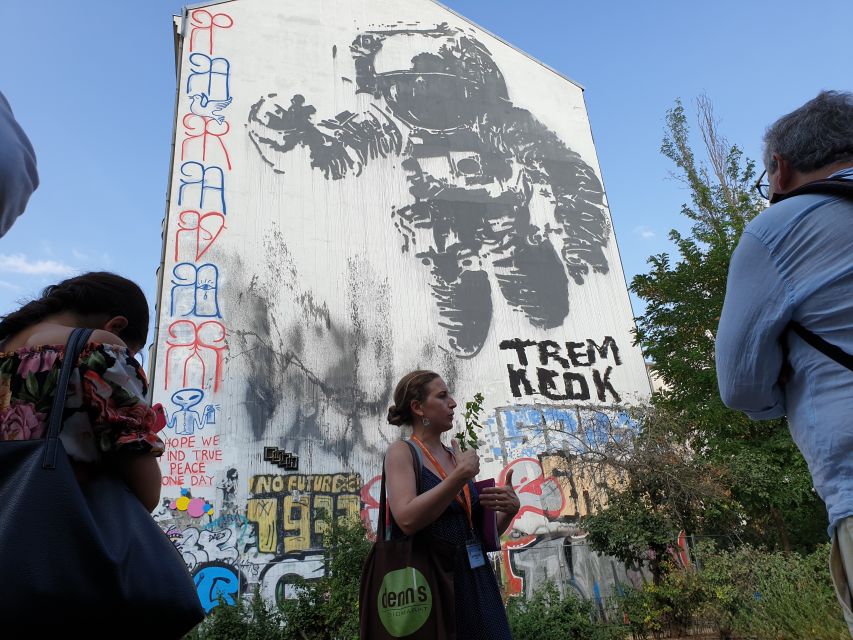
I would recommend it to you if you like urban history, political art, changing neighborhoods, and guided walks that explain why a place looks the way it does. It is a particularly good fit for French- and Italian-speaking visitors who want more than a standard capital-city tour.
It also suits repeat visitors to Berlin. If you have already seen the Brandenburg Gate and Museum Island, Kreuzberg and the former Wall offer a different way to understand the city.
Families with older children may enjoy it if they are comfortable walking and discussing serious subjects. The tour is less suited to anyone who wants a relaxed sightseeing ride, a short photo stop, or a guaranteed list of famous artists.
I would also choose another activity if you need a fully specified route before booking. The meeting point may vary, and the exact stops are not laid out in detail. That flexibility is normal for street art, but it may frustrate planners who want every detail fixed.
My verdict: book it for context, not just color
Book this tour if you want Berlin’s street art explained through the city’s divided past and changing present. The strongest reasons are the Kreuzberg focus, the East Side Gallery, the small works you might miss alone, and guides such as Marie, Martin, Antonella, and Iacopo who bring warmth to the subject.
Skip it if you want an English-language tour, dislike walking, or only want a quick collection of mural photographs. For everyone else, $31 plus the required public transport ticket is a fair price for a thoughtful three-hour look at how Berlin turned walls into arguments, memories, and art.
FAQ
How long does the Berlin Street Art and Alternative Tour last?
The tour lasts three hours.
How much does the tour cost?
The listed price is $31 per person.
Which languages are available?
The live guide is available in French or Italian.
Is public transport included?
No. You need to purchase a 24-hour AB public transport ticket for the tour.
Is the tour conducted in a small group?
Yes. The activity includes a small-group walking tour.
Which Berlin areas does the tour cover?
The experience focuses on Kreuzberg and includes the East Side Gallery. It also discusses street art in Friedrichshain and smaller works found in parts of Mitte.
What should I bring?
You should bring comfortable shoes for the walking route.
Can I cancel for a full refund?
Yes. You can cancel up to 24 hours in advance for a full refund.
Can I reserve now and pay later?
Yes. The booking option allows you to reserve your place and pay later.
Just added around Berlin
- Graffiti Workshop Berlin with professional graffiti artists★ 4.0 · 4 reviews
- Alternative Berlin Private Tour with Jacob – Graffiti and Squats★ 5.0 · 6 reviews
- Alternative Berlin & Street Art Tour★ 4.5 · 14 reviews
- Open graffiti workshop in the Mauerpark in Berlin★ 5.0 · 2 reviews
- Private Alternative Berlin Tour -Murals, Graffiti and Squats★ 4.8 · 5 reviews
- Street Art Workshop & Tour – Private Group★ 5.0 · 2 reviews
- Street Art & Berlin Gay, Queer, Trans History + Free Gay Map★ 4.9 · 15 reviews
- Berlin : Private Street Art Walking Tour (Private Tour)★ 5.0 · 2 reviews
Berlin Mural Tours, compared.

East Meets West: Berlin Food Culture & Street Art
Read our review →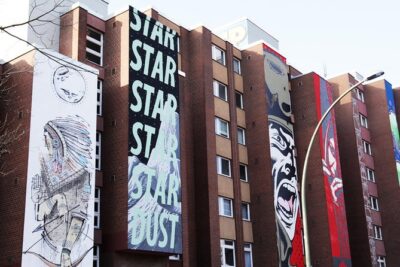
Street Art and Alternative Tour of Berlin in French
Read our review →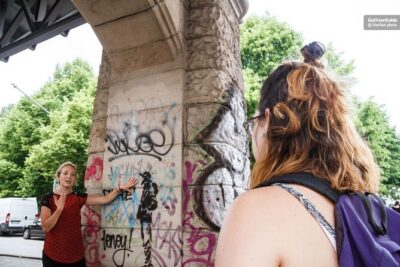
Browse the lists this tour appears in