
REVIEW · ITALY MURAL TOURS
Street Art&Urban Vibes in Milan’s Most Exciting Rising Areas
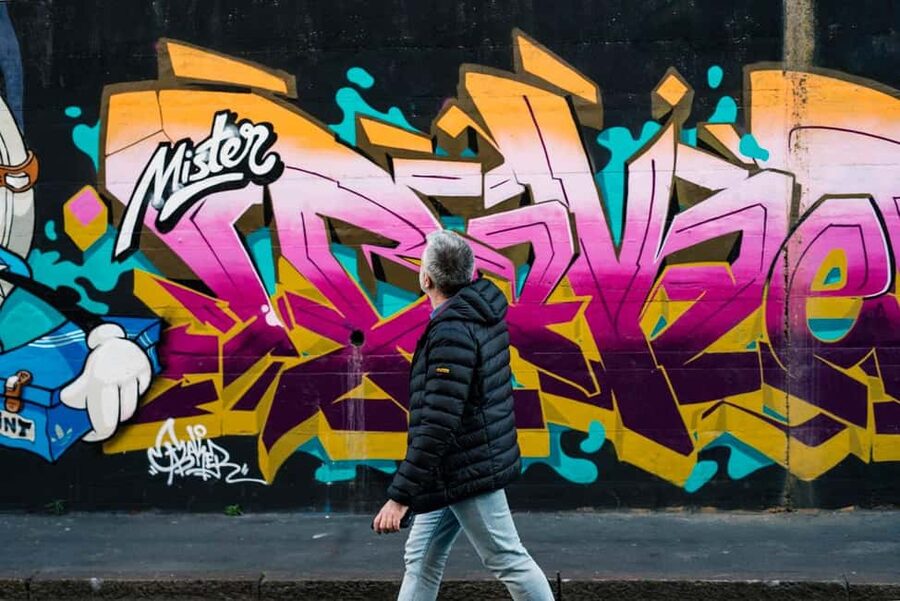
Milan’s rough edges are worth seeing. This two-hour private walk takes you beyond the usual center to Pasteur, Via Padova, and Viale Monza, where murals, working-class streets, and small creative businesses tell a different story about the city. I like the focus on places many visitors skip, and I like that the guide connects the artwork to Milanese and Italian street art. The main drawback is simple: at $90.63 per person, the price feels high for a two-hour walk unless you value a private guide and strong local context.
I also like the route’s mix of art and everyday life. You are not just stopping in front of painted walls. You visit alternative businesses such as Mosso, Bici&Radici, and Hug, while your guide explains how public art can reflect protest, migration, neighborhood change, and local identity.
The walk is offered in English or Italian and is wheelchair accessible. Public transportation to the meeting point is not included, so you need to make your own way to the Scaringi pastry shop near Pasteur. Guide Simon has received particular praise for making an effort, sharing lesser-known corners, and adding plenty of surprises to the route.
Key points at a glance
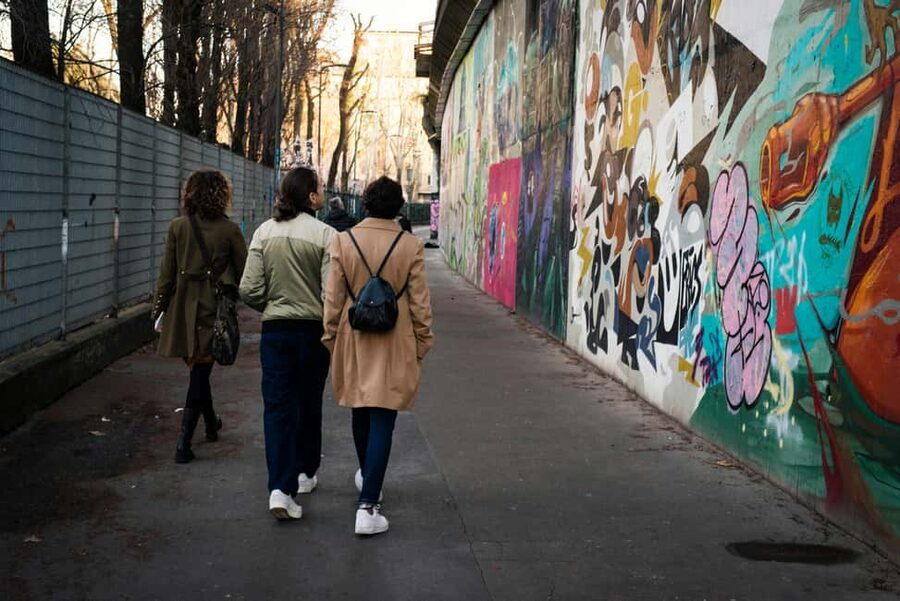
- Pasteur is your gateway to a less polished Milan: The tour begins and ends near the Scaringi pastry shop, making the route easy to follow.
- Via Padova brings the cultural mix: Expect street art, local stories, and a neighborhood shaped by many communities.
- Via Giovanni Pontano and Viale Monza show art in ordinary settings: The appeal is seeing murals alongside working streets, shops, and apartment blocks.
- Mosso, Bici&Radici, and Hug add a creative-business angle: These stops help you see how new projects are changing the area.
- A private guide keeps the experience personal: You can explore in a small setting rather than follow a large group through the streets.
- The two-hour length is easy to fit into a Milan day: It works well before lunch, after arriving in the city, or between other plans.
Why this side of Milan is worth your time
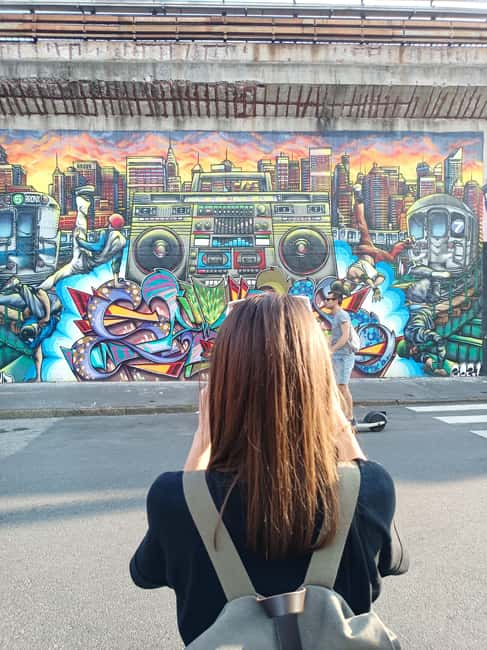
Milan is famous for fashion, design, grand churches, and polished shopping streets. Yet the city’s creative energy is not limited to the historic center. In neighborhoods north and northeast of the center, ordinary walls become canvases and former industrial or working-class areas attract artists, independent businesses, and community projects.
That contrast is the heart of this experience. You get to see a Milan that is less prepared for visitors and more connected to daily life. The streets are not presented as a perfect open-air gallery. Instead, the art appears among apartment buildings, shops, traffic, and neighborhood activity.
That matters because street art works best when you understand its setting. A mural can be attractive on a photograph, but its meaning changes when you know the street’s story or the social issue behind it. The guide’s job is to supply that background without turning the walk into a formal art lecture.
I would choose this tour if you have already seen Milan’s headline sights, or if you prefer local neighborhoods to landmark checklists. It is also a good fit if you enjoy photography. The route includes repeated photo stops, with plenty of color, scale, and unusual wall art.
A few more mural tours around Italy worth a look
- Naples Spanish Quarters Walking Tour Street Art, Folklore & Sweet
★ 5.0 · 797 reviews - Naples: Spanish Quarters Folk Street Art w/ Sweets Tasting
★ 4.9 · 788 reviews - Graffiti art tour in Rome
★ 5.0 · 714 reviews
Starting at Pasteur and the Scaringi pastry shop
The meeting point is in front of the Scaringi pastry shop near Pasteur. This is a practical starting place because the tour does not ask you to meet at a major monument or spend time crossing central Milan before the walk begins.
Pasteur also sets the tone. You are starting in an area that feels connected to local life rather than the city’s grand tourist circuit. From here, the guide leads you into streets where the art is part of the neighborhood rather than separated in a museum.
You should allow enough time to reach Pasteur by public transportation. That transport is not included in the price, and the meeting point is not the same as the main sightseeing area around the Duomo. The walk finishes back at the same meeting point, which makes the outing easier to combine with plans nearby.
Via Padova and Milan’s many cultures
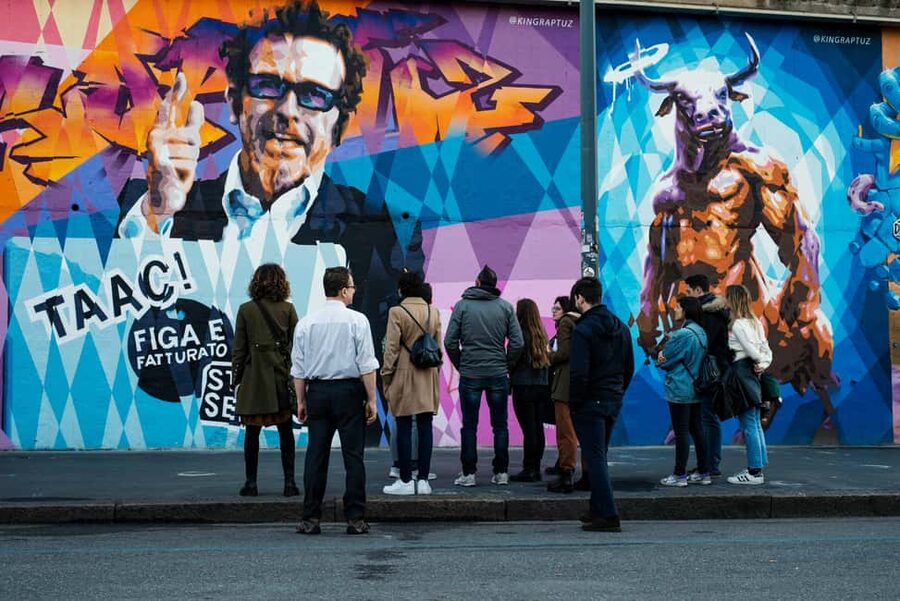
Via Padova is one of the most important stops because it gives the tour its social and cultural frame. The area is known for its mix of communities, independent shops, and changing identity. Here, street art is not simply decoration. It can reflect local concerns, political ideas, and the experiences of people who live in the neighborhood.
Your guide offers a walking tour and photo stop along the street. I would pay attention to the relationship between the murals and their surroundings. The point is not only to find the most colorful wall. It is to notice how art appears beside ordinary businesses and residential buildings.
This is also where the tour’s promise of an alternative Milan becomes clearest. You may find the street less polished than the central districts, but that is part of its value. The area gives you a sense of the city as a place where many cultures and generations meet.
If your main goal is flawless Instagram scenery, you may find the setting uneven. Some streets can feel busy or visually cluttered, and public art is not always displayed in a tidy sequence. If you enjoy real neighborhoods and stories with a social edge, that same quality makes the stop worthwhile.
Via Giovanni Pontano and art on the canal-side streets
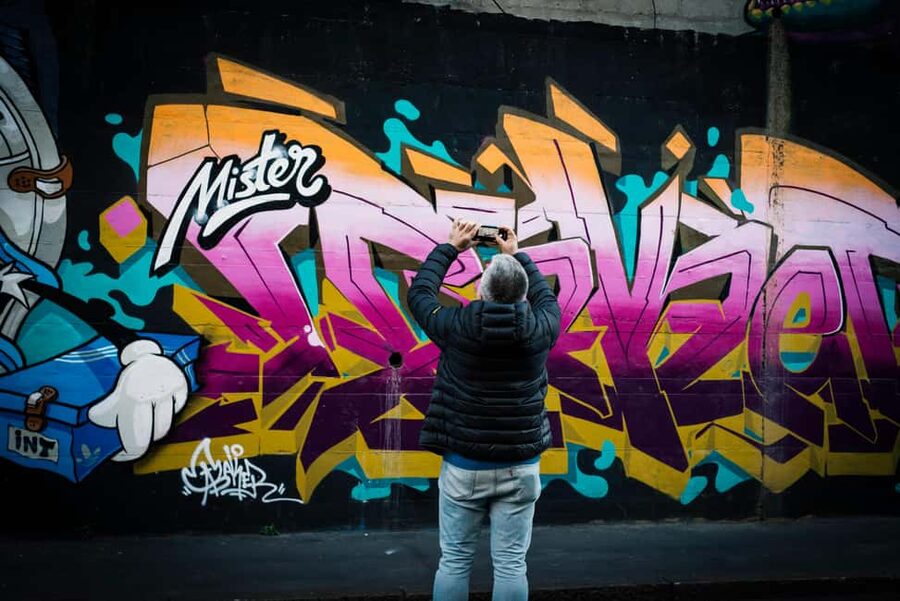
The route continues to Via Giovanni Pontano, another place for a guided visit and photographs. This stop adds a different texture to the walk and helps show that Milan’s street art is spread across more than one concentrated wall or district.
As you move through the area, the guide can explain how Italian street art developed and how Milan fits into that wider story. The value here is the connection between individual works and the city’s creative culture. You are not asked to judge each piece as an art critic. You are given enough background to look more closely.
This is a good section for keeping your camera ready. The tour is designed as an urban photo safari, so the guide points out details you might miss if you walked alone. The experience is not built around one famous mural. It is about collecting different views of the neighborhood.
The exact artwork can change over time. Street art is temporary by nature, and walls may be painted over, altered, or replaced. That is one reason a local guide adds value. A guide can explain what has changed and direct you toward works that still matter at the time of your visit.
Same walls, a different guide:
- Naples: Street Art, Wine and Food Tasting Walking Tour
★ 5.0 · 163 reviews - Naples Essentials: Monuments, Local Life & Street Art
★ 4.9 · 79 reviews - 4×4 tour of Orgosolo: Murals and typical lunch at the shepherd’s
★ 5.0 · 76 reviews - Naples: The Spanish Quarters, Street Art and Local Market
★ 4.7 · 59 reviews
Viale Monza and the everyday city
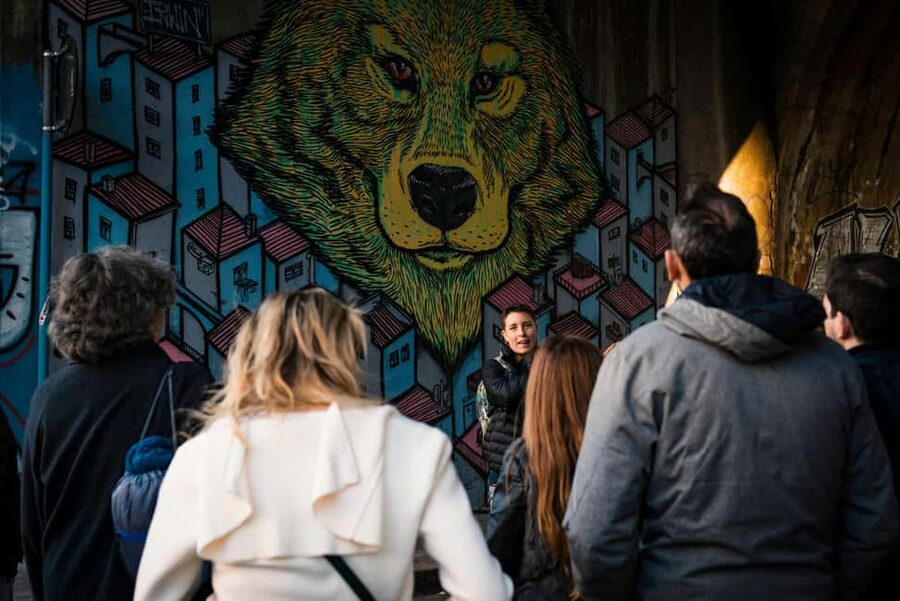
Viale Monza brings the route onto one of the area’s major streets. Here, the experience becomes less like a gallery visit and more like a walk through working Milan. Street art appears alongside traffic, shops, and apartment buildings, which gives the works a stronger sense of place.
I like this part of the route because it reminds you that public art is not isolated from daily life. A mural may be bold, humorous, political, or simply decorative, but it shares space with people going to work and residents running errands. That setting helps you understand why the tour focuses on the city’s alternative side.
You should wear comfortable shoes and expect a normal city walk rather than a stop-and-go museum visit. The route includes several guided stops, but you are still moving through active streets. Keep your attention on the guide and your surroundings, especially when taking photographs.
Viale Monza may be less immediately charming than Milan’s historic center. That is not a flaw, but it is a useful expectation. This experience is about urban character, not postcard architecture.
Mosso, Bici&Radici, and Hug
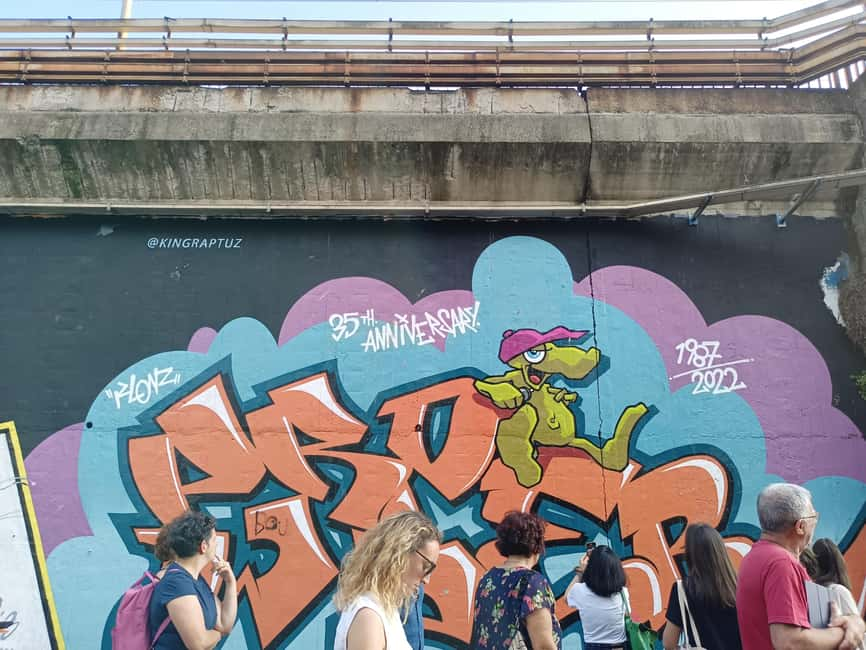
The visits to Mosso, Bici&Radici, and Hug give the tour a welcome change of pace. These are small and alternative businesses that show how creative projects are taking root in the area.
Mosso is included as a photo stop and guided visit. The name is associated with a cultural and community-focused setting, but the information provided does not specify exactly which parts you will see or whether there is a scheduled interior visit. Treat it as a stop where the guide introduces the place and explains its role in the neighborhood.
Bici&Radici adds a bicycle and plant-oriented flavor to the route. It helps widen your view of local creativity beyond murals. A neighborhood’s character is shaped not only by its walls but also by the businesses that choose to operate there. Small places like this can show how design, sustainability, and daily routines overlap.
Hug is another creative stop on the itinerary. Like the other businesses, it offers a look at the people and projects helping the area change. These stops are especially useful if you enjoy independent shops and local initiatives more than major chain stores.
Do not expect a long shopping session at every location. The experience lasts only two hours, and each stop is part of a guided route. You are mainly there to learn, look around, take photographs, and understand the neighborhood’s changing character.
What the guide adds to the walk
The guide is the key reason to choose this experience instead of walking through the area with a map. Street art can be easy to notice and hard to interpret. A local expert can point out artists, explain Italian and Milanese street art, and connect the work to neighborhood life.
The information emphasizes a guide who loves street art, not a general city guide simply adding one mural stop to a standard Milan tour. That focus should appeal to anyone who wants more than a few attractive backdrops.
Simon is specifically praised for making an effort, showing lesser-known corners, and filling the walk with information and surprises. If Simon leads your group, his approach sounds especially suited to this route. Guide assignments can change, so I would not book solely on the expectation that he will be your guide.
The private format is another advantage. You are not sharing the walk with a large public group, and the guide can keep the pace suited to your party. Private does not automatically mean slow or luxurious, but it usually makes a neighborhood walk feel more direct and personal.
Is $90.63 good value for two hours?
At $90.63 per person, this is not a bargain street-art stroll. The price makes more sense if you are booking a private experience, want an English or Italian-speaking local guide, and care about the social context behind the art.
The value is less convincing if you only want to photograph murals. You could explore public streets independently at no cost beyond transportation, although you would miss the guide’s explanations and the planned route through Via Padova, Via Giovanni Pontano, Viale Monza, Mosso, Bici&Radici, and Hug.
I would see the price as paying for access to local interpretation rather than admission tickets. No museum entrance or special attraction is included. You are paying for the guide’s time, neighborhood knowledge, and ability to connect artwork with Milan’s past and present.
The private group format strengthens the case for the price, especially for families, couples, or friends who want the route to themselves. Solo visitors may find the cost harder to justify unless street art is a major priority during the Milan stay.
Practical details before you book
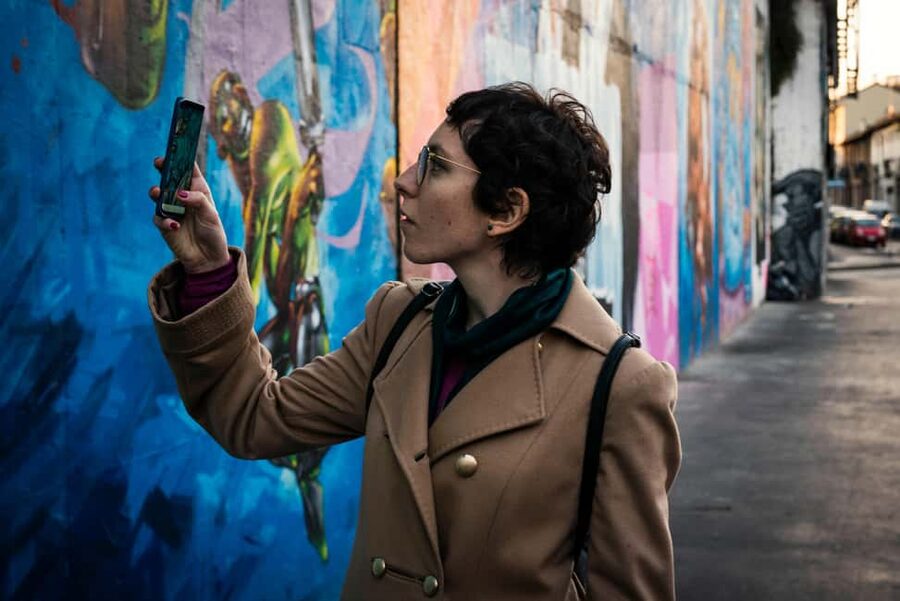
The activity lasts two hours and starts at a scheduled time shown when you check availability. Since the route begins and ends at Pasteur, you can plan around that location rather than arranging a separate return transfer.
The tour is available in English and Italian. It is wheelchair accessible, which is useful for visitors who need a more inclusive city walk, though the provided details do not describe the exact pavement conditions or restroom arrangements.
Public transportation to the meeting point is not included. Plan that part yourself and arrive in front of the Scaringi pastry shop. The end point is the same as the start, so you do not need to arrange transportation from a different neighborhood.
You can cancel up to 24 hours before the activity for a full refund. The reserve-now, pay-later option also gives you some flexibility while you finalize your Milan plans.
Who should book this Milan street art walk?
I would recommend it to you if you like urban photography, independent businesses, social history, and neighborhoods that feel lived-in rather than staged. It is also a good choice if you have already visited the Duomo, Galleria Vittorio Emanuele II, and the main central sights.
Families with older children may enjoy the colorful walls and short walking format. A private guide can make the experience easier to follow than a large group tour. Couples and small groups will also appreciate having the route arranged for them.
I would be more cautious if you have only one short day in Milan and have not yet seen the city’s essential landmarks. This is a specialist experience, not a general introduction to Milan. It also may not suit you if you want a formal gallery tour, a long shopping visit, or a low-cost activity.
Should you book it?
Book this experience if you want to see a less familiar side of Milan and understand why the street art is there, not just where to photograph it. The route’s strongest features are its private format, local guide, cultural focus, and stops at creative neighborhood businesses.
Skip it if $90.63 feels too steep for two hours or if your Milan schedule is already packed with central sights. For the right visitor, though, this is a useful way to spend part of a day in Pasteur, Via Padova, and Viale Monza, especially with a guide such as Simon who brings curiosity and local detail to the streets.
FAQ
Where does the street art tour start?
It starts in front of the Scaringi pastry shop near Pasteur in Milan.
Where does the activity finish?
The walk ends back at the meeting point near Pasteur.
How long does the experience last?
The experience lasts two hours.
What languages are available?
The live guide can lead the tour in English or Italian.
Is this a private tour?
Yes. The activity is offered for a private group.
Is the tour wheelchair accessible?
Yes, the activity is listed as wheelchair accessible.
Is public transportation to the meeting point included?
No. You are responsible for reaching the Pasteur meeting point by public transportation or another method.
What places are included on the route?
The route includes Via Padova, Via Giovanni Pontano, Viale Monza, Mosso, Bici&Radici, and Hug, with the tour starting and ending at Pasteur.
Can I cancel for a full refund?
Yes. You can cancel up to 24 hours in advance for a full refund.
Can I reserve now and pay later?
Yes. The reserve-now, pay-later option lets you book without paying immediately.
Just added around Italy
- Art & Craft: Beer Tour with Street Art in Rome★ 4.5 · 6 reviews
- Torpignattara Photo Tour: melting pot, street art and politics★ 5.0 · 5 reviews
- Naples Murals Catacombs and Folklore Sanità District Tour★ 4.5 · 5 reviews
- Street Art of Spanish Quarters and Maradona Tour★ 3.5 · 3 reviews
- The Spanish Quarters, Street Art and Local Market Tour in Naples★ 5.0 · 23 reviews
- Private Street Art Tour: Exploring Milan’s Hype Neighborhoods★ 5.0 · 2 reviews
- Orgosolo Experience: Murals and Culture with a typical Lunch★ 4.4 · 5 reviews
- Spanish Streets – Maradona Street Art & Murals★ 5.0 · 3 reviews
Italy Mural Tours, compared.
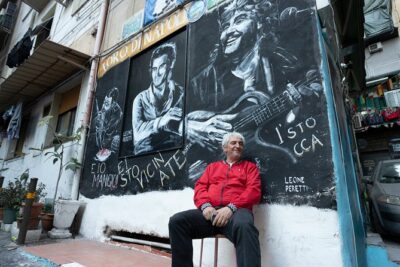
Naples Spanish Quarters Walking Tour Street Art, Folklore & Sweet
Read our review →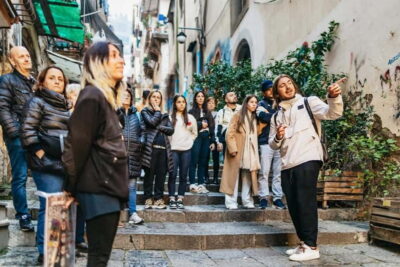
Spanish Quarters Folk Street Art w/ Sweets Tasting
Read our review →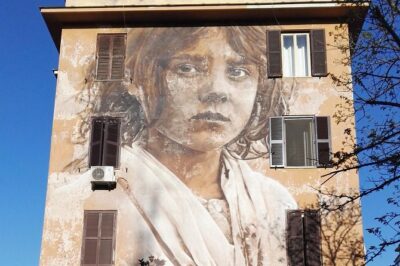
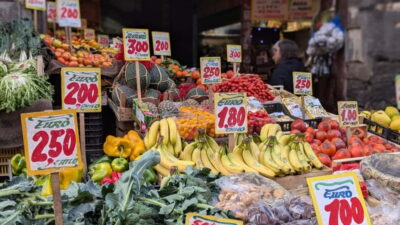
Naples Essentials: Monuments, Local Life & Street Art
Read our review →
4×4 tour of Orgosolo: Murals and typical lunch at the shepherd’s
Read our review →
Rione Sanità tour among baroque, revival, street art & food
Read our review →
The Spanish Quarters, Street Art and Local Market
Read our review →Browse the lists this tour appears in