
REVIEW · ROME MURAL TOURS
Rome: Ostiense Graffiti and Modern Street Art Walking Tour
Rome has more than ancient ruins. This two-hour walk takes you into Ostiense, a former industrial district where old factories, a giant gasometer, and modern street art share the same streets. I like the unusual contrast between the 2,000-year-old Pyramid of Cestius and the newer graffiti, stickers, and wheatpaste posters along Via Ostiense. I also like the small-group format, limited to 10 people, which should make it easier to ask questions and see the art without a crowd around you.
The main concern is value. At $94 per person, this is not a cheap city walk, and one booking reported a tour lasting about 1.5 hours rather than the expected duration. You should also expect a brisk pace, especially if your guide is trying to cover several walls and industrial landmarks in a short time.
Key points to know before booking
- The Pyramid of Cestius starts the story: This 36-meter white-marble tomb gives the tour an unusual opening, linking ancient Rome with modern Ostiense.
- The 1930s gasometer is the district’s big industrial symbol: Its huge cylindrical frame reflects the area’s working-class and factory past.
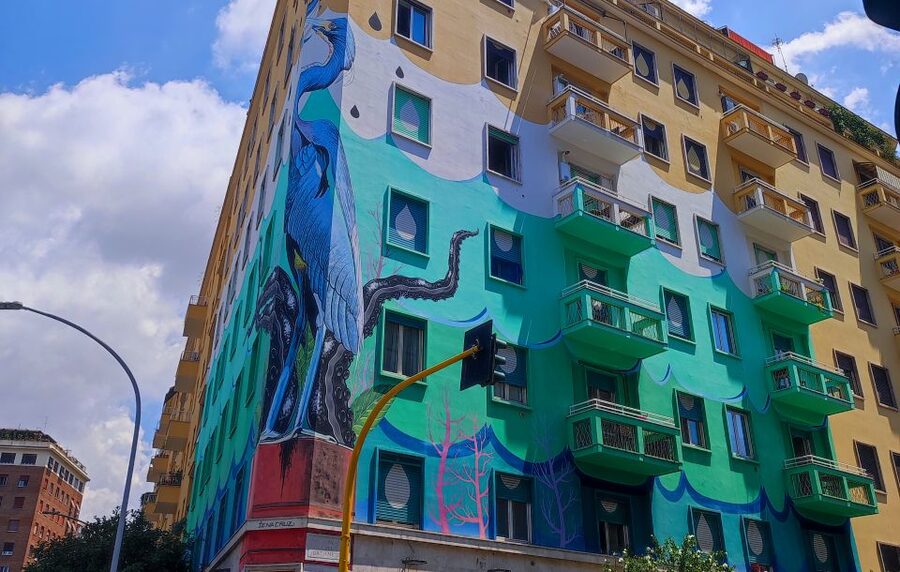
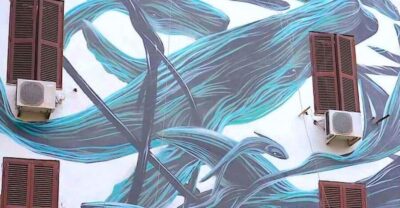
- Street art is the main subject: Expect graffiti, stickers, wheatpaste posters, color, and changing walls rather than a formal gallery visit.
- Small groups keep the walk personal: The maximum is 10 participants, with headsets provided if the group exceeds 10.
- The tour stays off Rome’s usual sightseeing route: That makes it a good choice if you want to see a less polished, more contemporary side of the city.
- Comfortable shoes matter: This is a walking tour, and it is not suitable for wheelchair users or people with mobility impairments.
Meeting the tour outside Piramide
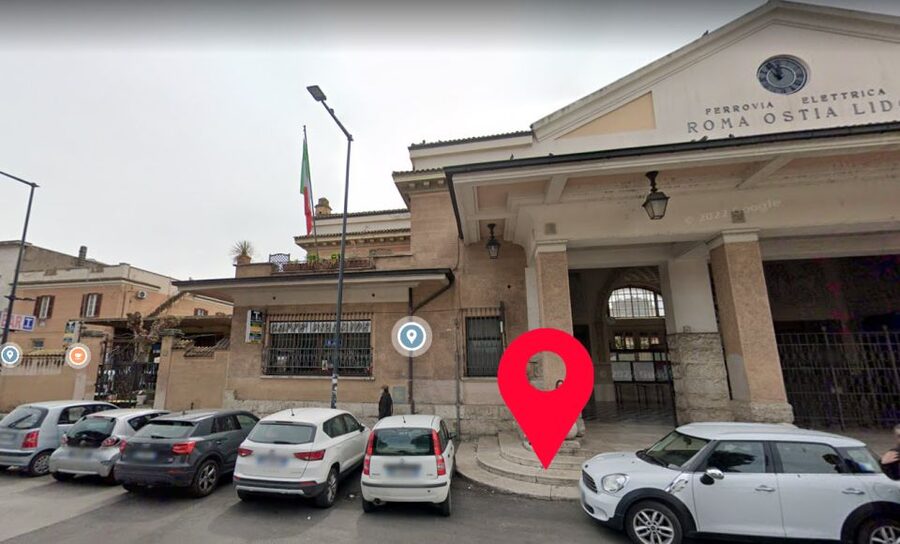
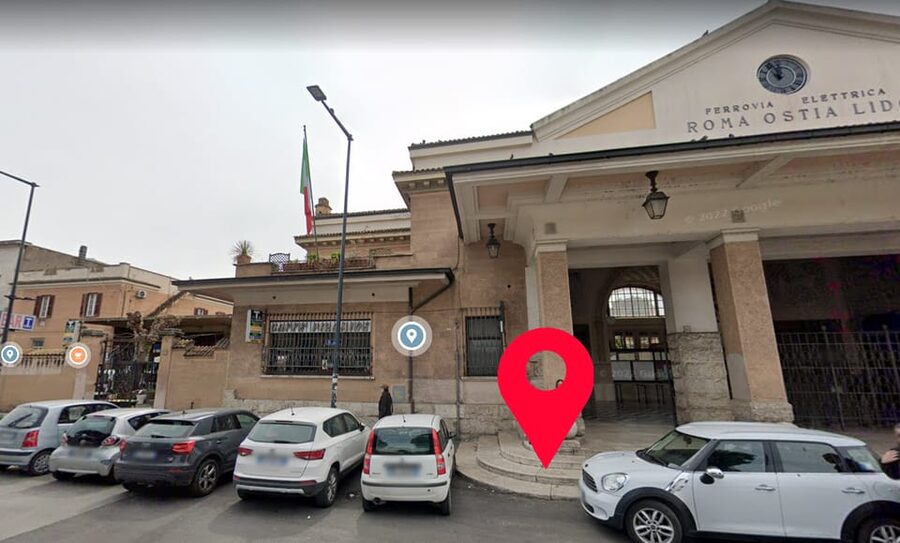
The meeting point is in front of Roma Ostia Lido Station, outside the Piramide metro stop. Check the meeting instructions and photo carefully before you set out, since the station area has several nearby roads and transport connections.
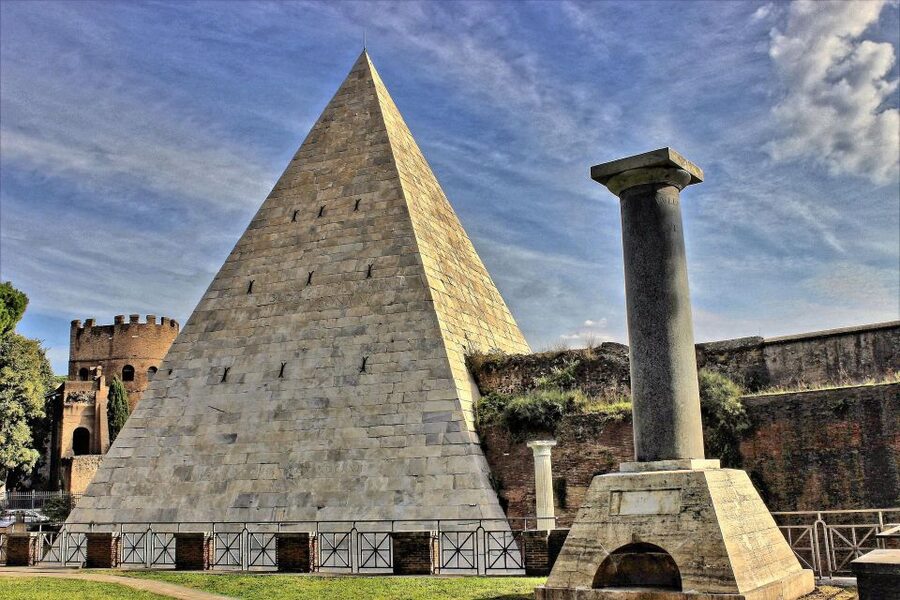
Piramide gets its name from the Pyramid of Cestius, which sits beside the station. That makes the meeting point more than just a practical place to gather. Before the walk begins, you already have one of Rome’s oddest sights in front of you: a Roman funerary monument built in the shape of an Egyptian pyramid.
The pyramid was commissioned by Gaius Cestius, a Roman official, as his tomb. It rises about 36 meters and is faced with white marble. The monument’s sharp geometric form looks surprisingly modern beside the streets and traffic around it.
I like this opening because it gives the tour a clear theme. Ostiense is not simply an area with painted walls. It is a place where different eras sit close together. Ancient Rome, industrial Rome, and today’s street-art culture all meet within a short walk.
You should arrive ready to walk rather than linger at the pyramid for a long guided visit. The information provided describes the monument as an opening point, not as a separate museum tour or interior visit.
More Graffiti Tours in Italy:
- Graffiti art tour in Rome
★ 5.0 · 714 reviews - Medellin: Comuna 13 Graffiti Tour, Cable Car & Street Food
★ 4.8 · 9,046 reviews - Wynwood Graffiti Golf Cart Small-Group Tour
★ 5.0 · 1,646 reviews
Walking Via Ostiense toward the former port
From Piramide, the route follows Via Ostiense. This road once led from Rome toward Ostia, the ancient port on the coast. That old connection helps explain why the district developed as a place of trade, transport, and industry.
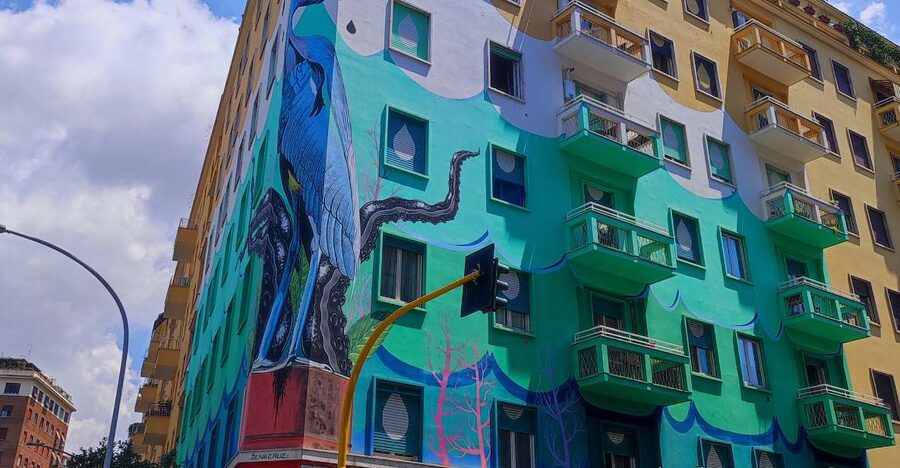
Today, Via Ostiense has a more modern city feel, but the older purpose of the road remains part of its character. As you walk, the first signs of the area’s street-art culture begin to appear. Look for painted walls, small stickers, and wheatpaste posters attached to urban surfaces.
This is one of the tour’s strengths. You are not being taken from one isolated mural to another in a neat outdoor gallery. Instead, you see how art appears in the middle of ordinary streets. Some pieces may be large and carefully planned. Others may be quick tags, layered posters, or small details that are easy to miss if you walk alone.
The trade-off is that street art changes. A wall can be painted over, damaged, or covered by newer work. The exact pieces you see may not remain in place for long. That is part of the appeal, but it also means this experience is less predictable than a museum visit.
A guide can add useful context by pointing out techniques, artists, and the way the neighborhood has changed. The tour is conducted in English, and its small size should help you follow explanations while walking. Still, keep your expectations realistic. The supplied information does not promise a detailed lecture on every artist or mural.
Reading Ostiense’s industrial character
Ostiense was once a major industrial zone. Factories and other buildings from the turn of the 20th century helped give the area its working-class identity. Many of those structures now contain apartments, bars, and restaurants.
That reuse is one of the most interesting parts of the walk. You get to see how a district built for work and production has shifted into a mixed urban quarter without losing every trace of its earlier role.
I would pay attention to the surfaces as much as the individual pictures. Brick, concrete, metal, old shutters, and patched walls give the art different settings. The colors and textures are not just decoration. They show how artists use the existing city rather than working on a blank canvas.
The huge cylindrical gasometer is the clearest reminder of Ostiense’s industrial past. Dating from the 1930s, it can be seen from around Rome and has become a local symbol. Its scale helps you understand the size and importance of the old industrial district.
The gasometer is not presented as an attraction with a separate entrance or formal tour inside. You see it as part of the city around you. Depending on the exact route and viewing point, the guide may use it to explain the area’s working roots and its changing identity.
This is where the tour can offer more than a collection of colorful walls. The best version of the experience connects the art to the buildings and streets around it. You are not just asking what a mural looks like. You are also considering why this former factory district became a natural canvas.
Seeing graffiti, posters, and large-scale art
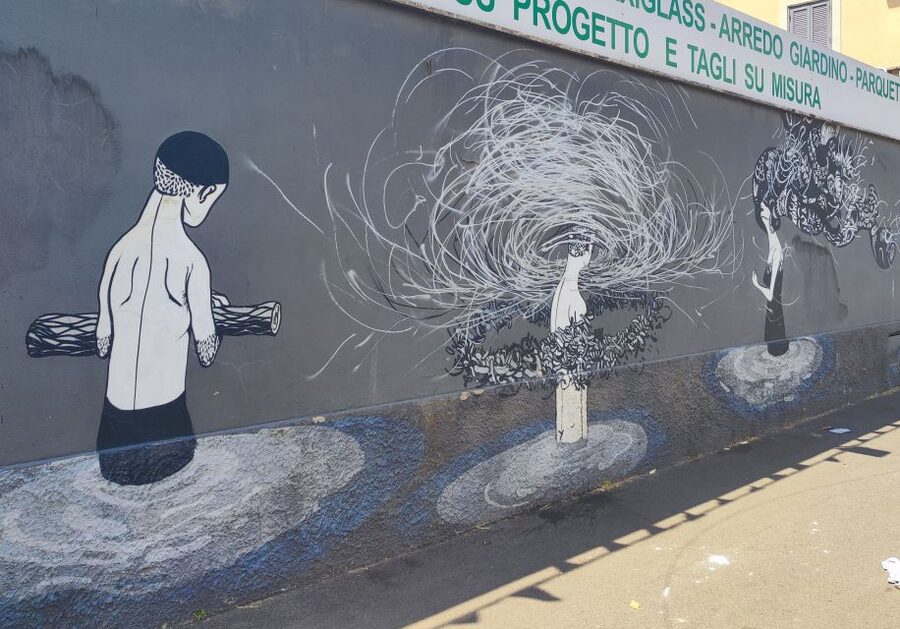
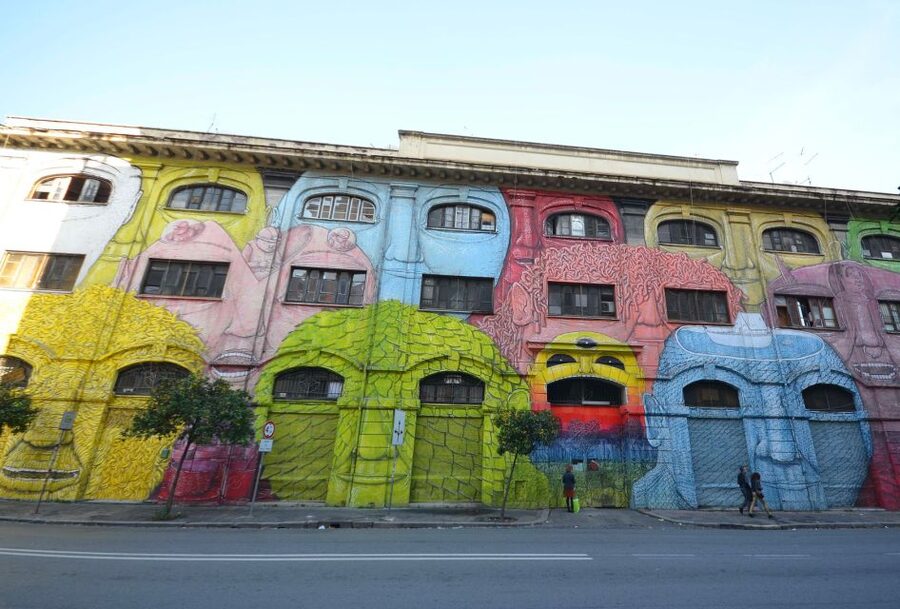
The street art portion is broad. Expect modern graffiti, stickers, wheatpaste posters, and painted works. The supplied details do not provide a fixed list of artists or guaranteed murals, so you should not book this expecting a precise checklist of famous pieces.
The description does say that well-known street artists from around the world have used Ostiense as a canvas. That gives the area international appeal, but the experience remains a street walk rather than a museum display of signed works.
I like this format for visitors who want to see Rome’s current creative side. You can compare quick, personal marks with large public works, then notice how one piece sits over another. The changing layers tell you that street art is active and temporary.
You will want time to stop, take photographs, and look closely. This is important because the main criticism attached to the experience was the pace. One person reported that the guide walked quickly and gave too little time to examine the art or take pictures. If you prefer a relaxed photo walk, tell the guide early that you need a moment at each major work.
The small group may help. With no more than 10 people, the guide should have a better chance of keeping everyone together without the stop-and-go delays of a large party. Headsets are included if the group is bigger than 10, although the stated group limit is 10 participants. In practical terms, you should still stay near the guide so you do not miss comments while crossing streets or moving between walls.
More Street Art Walking Tours in Italy:
- Naples Spanish Quarters Walking Tour Street Art, Folklore & Sweet
★ 5.0 · 797 reviews - Naples: Street Art, Wine and Food Tasting Walking Tour
★ 5.0 · 163 reviews - London: Street Art and Graffiti Guided Walking Tour
★ 4.9 · 1,354 reviews - Berlin: City Street Art Guided Walking Tour
★ 4.8 · 1,051 reviews
What the guides add to the experience
The strongest personal praise available for this tour focuses on guide Juan. One booking specifically called him a great guide and highlighted his passion for street art. That matters here because the district itself is open to interpretation. A guide who cares about the subject can help you notice work that would otherwise look like random paint on a wall.
Another short rating described the guide as excellent, but there is not enough information to say that Juan leads every departure. Guide assignments can change, so treat his name as a useful detail rather than a guarantee.
The quality of this tour depends heavily on the guide’s approach. A strong guide will give you context about the industrial buildings, explain what you are seeing, and allow enough time for photos. A rushed guide may reduce the walk to a fast series of stops.
At $94, you are paying for more than the physical act of walking between walls. You are paying for interpretation, a small group, and a focused route through a part of Rome that many visitors skip. If the commentary is thin or the walk finishes early, the price becomes difficult to justify.
The overall rating supplied for the experience is 3.1 from seven reviews. That is a mixed signal, not an automatic rejection. It suggests that the guide and pacing may shape the experience more than the subject itself. The positive comments point to an off-route experience and strong enthusiasm from at least one guide. The negative comment raises a serious concern about duration, information, and value.
Is two hours enough for Ostiense street art?
The stated duration is two hours. That is enough for an introduction to the neighborhood, the pyramid, Via Ostiense, the gasometer, and a selection of street art. It is not enough to inspect every wall or understand the whole district in detail.
One booking described the experience as lasting about 1.5 hours rather than 2.5 hours as expected. The official activity details give the duration as two hours, so plan around two hours, while recognizing that the actual finish may vary.
This makes the tour easy to fit into a day of sightseeing. You could schedule it between visits in central Rome without giving up half a day. The downside is that every minute matters. A long introduction, slow meeting process, or quick walking pace can leave little time for the art itself.
For the best experience, wear comfortable shoes and bring only a small personal bag. Large bags and luggage are not allowed. Since food and drinks are not included, plan to eat before or after the walk rather than expecting a café stop during the tour.
Who should book this Rome walk?
I would recommend it most strongly to visitors who have already seen some of Rome’s main ancient sights and want something less traditional. The route offers a different side of the city without requiring a full day outside the center.
It also suits people who enjoy photography, urban design, graffiti, and the way older buildings are reused. You do not need to be an art expert. The appeal comes from looking closely and seeing how the work fits into the streets.
The tour may be less suitable if you want a slow, highly academic art lesson. The available information does not promise a specialist lecture, a fixed set of artworks, or long stops at each wall. You should also reconsider it if walking is difficult, since the activity is not suitable for people with mobility impairments or wheelchair users.
Families and groups with large luggage should take note of the restrictions. Bags and luggage are not allowed, and the experience is built around walking through an urban district rather than sitting at a series of indoor sites.
Price, flexibility, and practical value
The cost is $94 per person. That is a premium price for a two-hour walking tour, especially when much of the subject is visible from public streets.
The price makes more sense if you value a small group and a guide who can explain the district’s art and industrial past. It is harder to defend if you mainly want to photograph murals on your own. You could explore the streets independently, but you would lose the planned route and the guide’s interpretation.
The booking terms offer some useful flexibility. You can cancel up to 24 hours before the start for a full refund, and you can reserve now while paying later. Those options help if your Rome schedule is still changing.
The tour is in English only. That is important if you need another language. Fees and taxes, the walking tour, and headsets for groups larger than 10 are included. Hotel pickup, hotel drop-off, food, and drinks are not included.
Should you book the Ostiense street-art tour?
Book it if you want an off-center Rome experience, enjoy modern art, and value a small group with a live English-speaking guide. The Pyramid of Cestius, the old road to Ostia, the 1930s gasometer, and the layers of graffiti give the walk a strong sense of place.
I would be cautious if the $94 price is a major concern or if you want a slow photography tour. The mixed 3.1 rating, the report of a shorter-than-expected walk, and the complaint about limited explanations all matter. Before setting out, ask your guide about the planned timing and mention that you want time to stop for photos.
For the right visitor, this is a smart way to see Rome beyond the usual monuments. Just book it for the neighborhood and the guide’s insight, not simply for a guaranteed list of famous murals.
FAQ
Where does the tour meet?
The meeting point is in front of the Roma Ostia Lido Station, outside the Piramide metro stop.
How long does the tour last?
The stated duration is two hours. Actual timing may vary, and one booking reported a walk of about 1.5 hours.
What language is the tour conducted in?
The live tour guide speaks English.
How many people are in the group?
The group is limited to 10 participants.
Are headsets provided?
Headsets are provided if the group is bigger than 10 people.
Is the Pyramid of Cestius included?
The tour meets outside the Pyramid of Cestius and includes a look at this 36-meter ancient monument as part of the route.
Are food and drinks included?
No. Food and drinks are not included.
Can I bring luggage or a large bag?
No. Luggage and large bags are not allowed.
Is the tour suitable for wheelchair users?
No. The activity is not suitable for wheelchair users or people with mobility impairments.
Can I cancel for a refund?
Yes. You can cancel up to 24 hours in advance for a full refund.
Just added around Italy
- Art & Craft: Beer Tour with Street Art in Rome★ 4.5 · 6 reviews
- Torpignattara Photo Tour: melting pot, street art and politics★ 5.0 · 5 reviews
- Naples Murals Catacombs and Folklore Sanità District Tour★ 4.5 · 5 reviews
- Street Art of Spanish Quarters and Maradona Tour★ 3.5 · 3 reviews
- The Spanish Quarters, Street Art and Local Market Tour in Naples★ 5.0 · 23 reviews
- Private Street Art Tour: Exploring Milan’s Hype Neighborhoods★ 5.0 · 2 reviews
- Street Art&Urban Vibes in Milan’s Most Exciting Rising Areas★ 4.4 · 5 reviews
- Orgosolo Experience: Murals and Culture with a typical Lunch★ 4.4 · 5 reviews
Rome Mural Tours, compared.
Rome street art tour: off the beaten path with a local guide
Read our review →

Torpignattara Photo Tour: melting pot, street art and politics
Read our review →Browse the lists this tour appears in