
REVIEW · BUDAPEST MURAL TOURS
Budapest: Alternative Street Art & Jewish Tour
Look beyond Budapest’s polished center. This three-hour walk links striking street art with the story of the Jewish Quarter, giving you two useful ways to read the city at once. I like the mix of serious history and present-day culture, and I like that guides such as Burak and Zsanett add practical advice about music, clubs, restaurants, and ruin bars. The main consideration is that this is an outdoor walking tour in all weather, with no food, drinks, or attraction admissions included.
At $23 per person, the tour is a good-value introduction to an area that can feel confusing on your own. You will not get a formal museum visit or a long list of interior sights. Instead, you get a local guide, murals, old community landmarks, and a useful orientation to one of Budapest’s most interesting districts.
Key Points to Know Before You Go
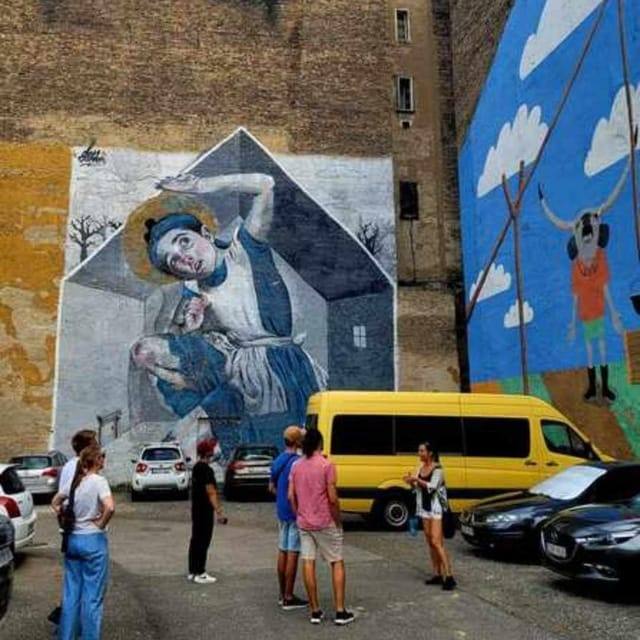
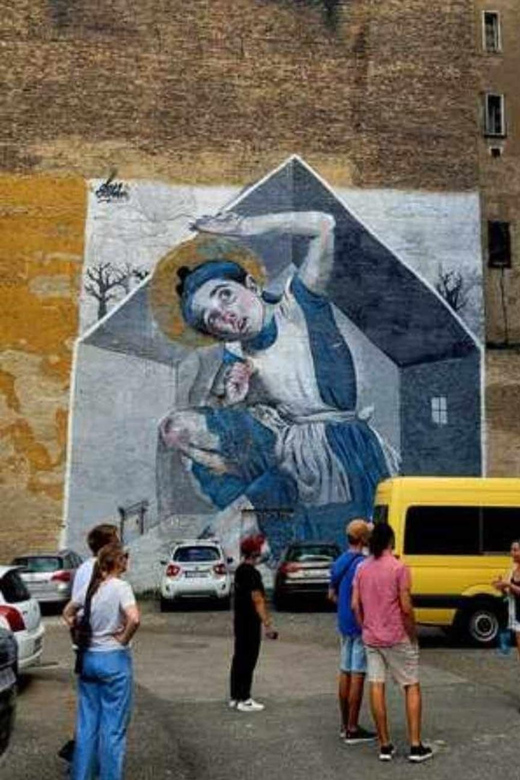
- Street art with a local angle: See works by Budapest artists, including the revolutionary Színes Város group.
- A two-part experience: The walk combines contemporary murals with the story of the Jewish community in Pest, Buda, and Óbuda.
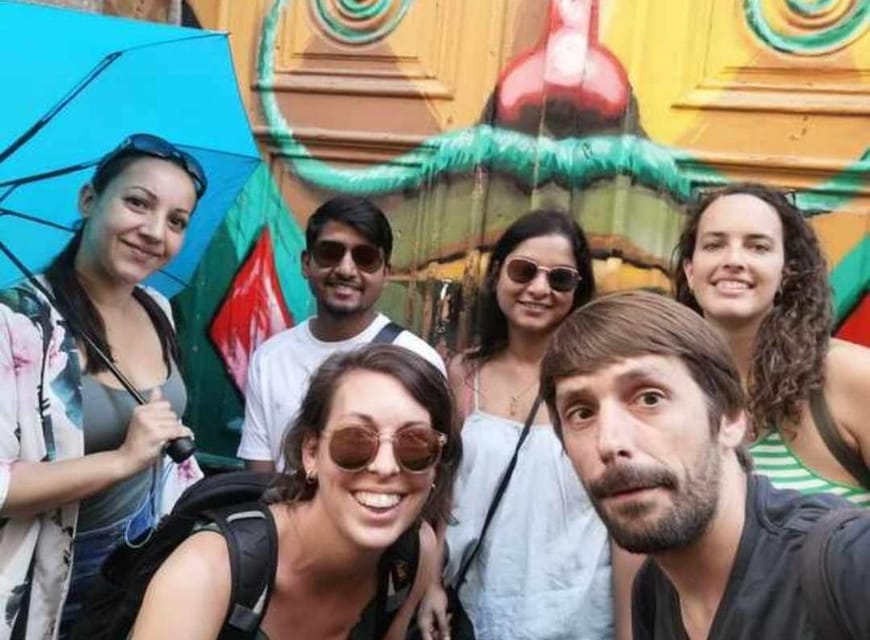
- Meeting point made simple: Look for a guide holding a blue umbrella outside St. Stephen’s Basilica.
- Practical nightlife advice: Guides can suggest live music, clubs, places to eat, and ruin bars, including a stop at one small ruin bar on some tours.
- A manageable three-hour walk: The route is long enough to build a picture of the district without feeling like an all-day march.
- Strong guide feedback: Burak and Zsanett are praised for friendly storytelling, useful recommendations, and attention to small groups.
Starting at St. Stephen’s Basilica
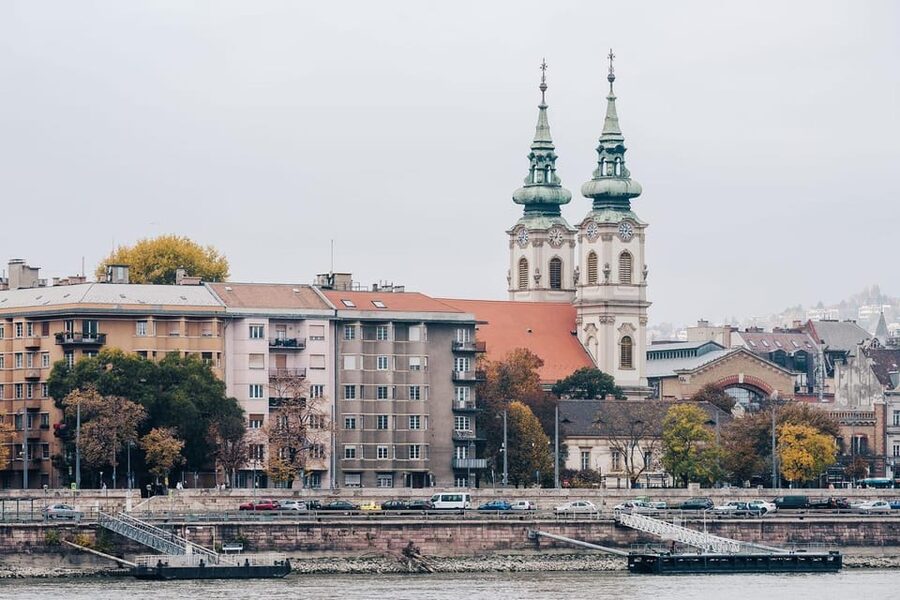
The tour begins by the entrance to St. Stephen’s Basilica at Szent István tér 1. Your guide will be holding a blue umbrella, which is a welcome bit of theater in a busy central square and makes the meeting point easier to spot.
Starting here puts you in central Pest, close to major sights and easy to reach on foot. You will want comfortable shoes, since the experience lasts three hours and takes place entirely outdoors. Bring clothing suited to the forecast, but keep in mind that the tour operates in all weather.
The opening moments are useful for setting the tone. This is not a simple mural hunt, and it is not a traditional synagogue-focused history walk. The guide connects the newer face of Budapest with the older streets and community landmarks that shaped the Jewish Quarter.
That combination matters. If you only look at the painted walls, you may see color and clever design but miss why this part of the city feels so layered. If you only focus on the past, you may miss how the district functions today, with shops, bars, clubs, and creative projects occupying the same streets.
More Alternative City Tours in the world:
- London Bike Tour: Landmarks, Secret Gems, Pub Stop & Street Art
★ 5.0 · 943 reviews - Budapest: Street Art and Underground Movements Walking Tour
★ 5.0 · 365 reviews - Berlin: Street Art and Alternative Tour
★ 4.7 · 98 reviews
Reading Budapest Through Street Art
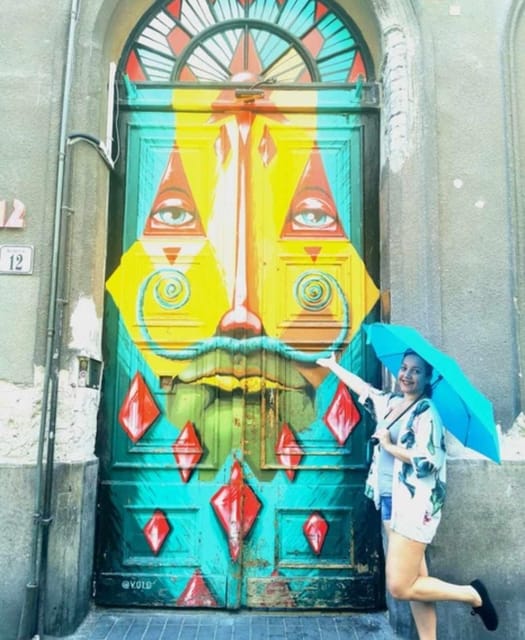
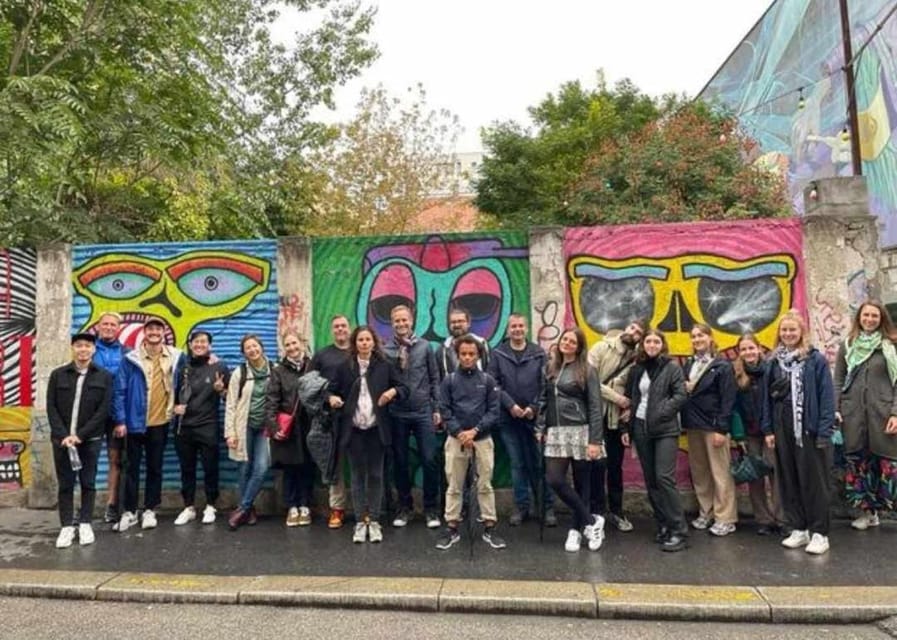
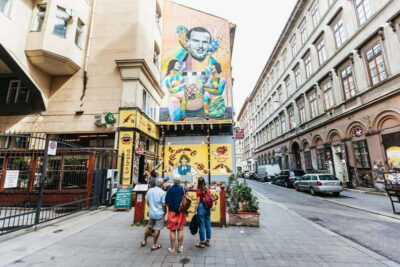
The first major pleasure of the tour is seeing public art in its own setting. Rather than viewing paintings in a gallery, you encounter them as part of the city’s daily streetscape. The surrounding buildings, shopfronts, traffic, and worn walls become part of the picture.
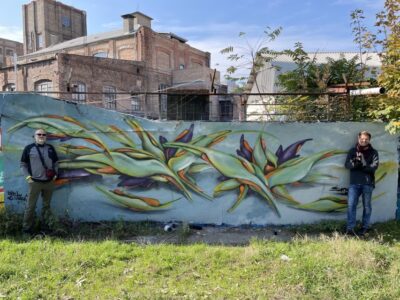
The tour highlights works by local artists and includes Színes Város, a Budapest movement associated with bringing color and public art into urban spaces. The guide explains the meaning behind individual murals, not just their appearance. That extra context is important because street art can otherwise become a quick photo stop.
You may find that the guide points out details you would have walked past: a visual reference, a local idea, or the way a mural responds to the building around it. The strongest part of this format is the conversation between new artwork and old architecture. Budapest often puts fresh paint beside crumbling façades, and the contrast tells you something about the city’s changing identity.
The route is especially useful if you enjoy photography, design, or urban culture. You get time to look, listen, and ask questions without the pressure of a large museum crowd. One review described a small group where Burak made sure everyone was included, creating a more personal feel. Group size can vary, so you should not assume every departure will be intimate, but a smaller outing clearly adds to the experience.
There is one limitation. Street art changes. Murals can fade, be painted over, or look different from one visit to the next. The value of this tour is therefore less about collecting a fixed checklist of walls and more about learning how to notice Budapest’s public art and the ideas behind it.
The Jewish Quarter Beyond the Nightlife

The Jewish Quarter is now closely linked with nightlife, especially ruin bars and late-night entertainment. This walk gives you a chance to look past that easy label.
Your guide explains how the Jewish community helped shape Pest, Buda, and Óbuda, also known as Old Buda. That broader framing keeps the district from being treated as an isolated pocket. You learn that Jewish life was part of the development of Budapest as a whole, not simply a backdrop for bars and murals.
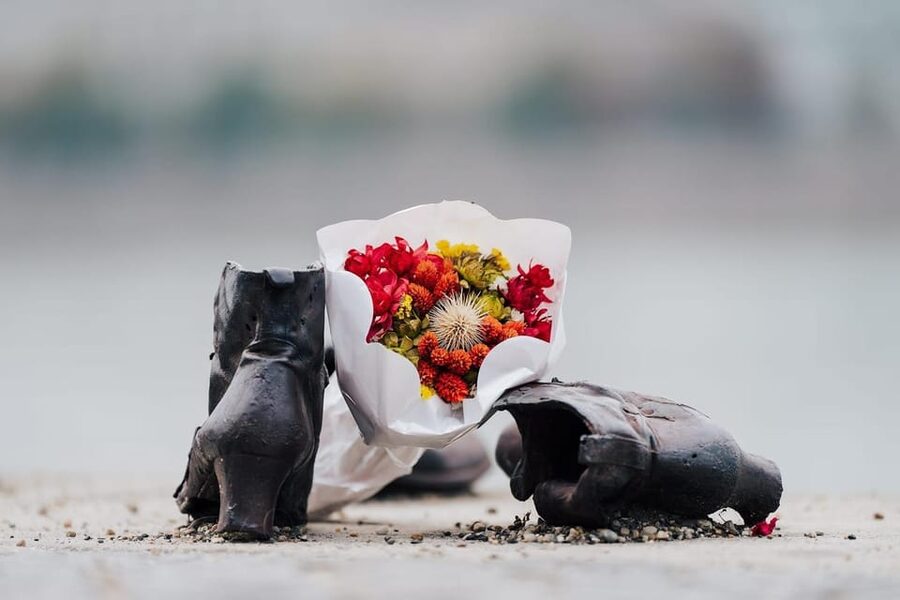
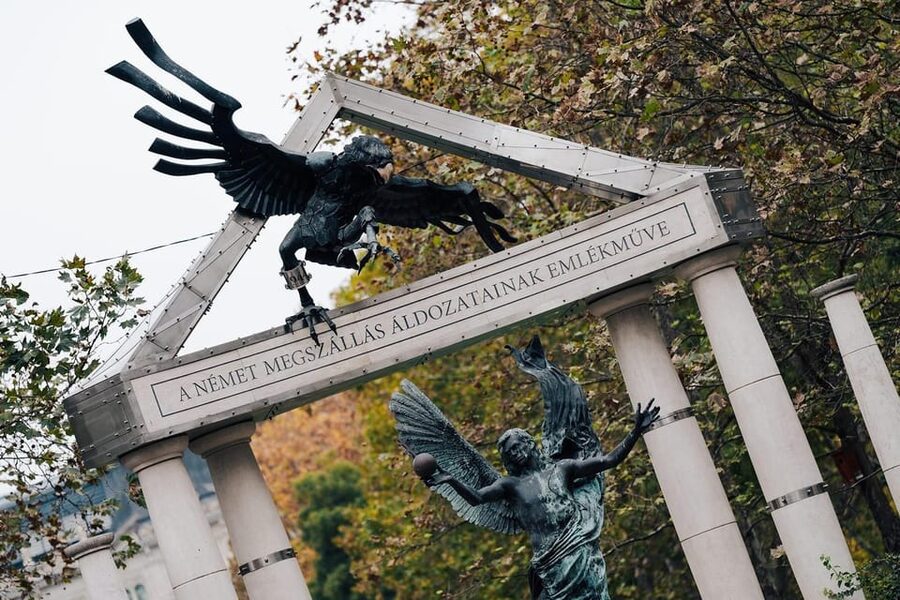
The walk also points out remaining signs of the old community. These remnants and monuments offer a quiet counterpoint to the modern businesses around them. You may pass old, weathered structures near shops and bars, creating the sort of visual clash that makes this district feel difficult to categorize.
The guide’s role is important here. A good explanation can connect a building, monument, or street to the people who once used it. The most praised guides, including Burak and Zsanett, are described as friendly, clear, and engaging. Their storytelling helps keep the historical material approachable rather than turning the walk into a lecture.
You should expect an introduction, not a full academic study. The tour gives you the main context and points you toward the district’s surviving symbols. If your main goal is detailed Jewish history or extended time inside religious buildings, you may want to add separate visits to Budapest’s synagogues and museums. Entrance fees are not included, and the tour itself focuses on walking and interpretation.
Old Buildings, New Bars, and Ruin-Building Culture
One of the most memorable contrasts comes from seeing modern businesses set beside worn and damaged structures. Budapest’s Jewish Quarter is full of this tension. New cafés, shops, clubs, and bars occupy streets marked by age and loss.
The guide helps you read that contrast instead of treating it as background decoration. You get a sense of how the area has become a meeting point for history, nightlife, art, and everyday city life. It can feel lively, but it can also feel uneasy, especially when places built for entertainment sit close to monuments connected with suffering and survival.
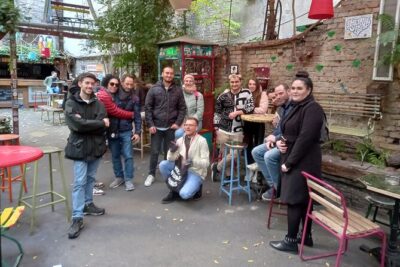
The tour may also include a look at a small ruin bar. This is a useful addition because ruin bars are part of the district’s modern identity, yet they can be hard to understand if you simply walk into one at night. Seeing one during a guided daytime walk gives you a little context before deciding which places fit your evening plans.
Zsanett is particularly praised for showing an appealing ruin bar and for offering useful suggestions afterward. That kind of practical information can save you from spending an evening wandering from one crowded venue to another. Still, the tour does not include drinks, and it is not a bar crawl. Think of the stop as cultural orientation, not nightlife entertainment.
A few more mural tours around the world worth a look
- Medellin: Comuna 13 Graffiti Tour, Cable Car & Street Food
★ 4.8 · 9,046 reviews - CDMX: Xochimilco, Coyoacan, Frida Kahlo Museum & Murals Tour
★ 4.4 · 3,025 reviews - Amsterdam: Streetart Museum STRAAT Entrance Ticket
★ 4.8 · 2,137 reviews - Belfast: Murals Taxi Tour
★ 4.9 · 2,047 reviews
The Stories Make the Murals Matter
A street art tour succeeds or fails on its explanations. Budapest has plenty of painted walls, but a guide who only names artists and points at colors will leave you with a camera roll and little else.
The feedback here places strong emphasis on storytelling. Burak is described as personable and attentive, while Zsanett is praised for making the art feel alive and explaining it in a funny, interesting way. Another guide is described as friendly and willing to share a great deal about the artworks. These details suggest that the experience depends heavily on who leads your departure, as any guide-led walk does.
That is not a weakness, but it is worth understanding. You are paying for interpretation and local perspective rather than transport or admission tickets. If your guide is engaging, the tour can feel close to a private orientation. If you prefer to explore silently at your own pace, the fixed walking format may feel less appealing.
The English-language format also suits visitors who want a clear introduction without needing specialist art or history knowledge. You can ask questions as you go, then use the guide’s recommendations to plan the rest of your stay.
What the Three Hours Feel Like
Three hours is a sensible length for this subject. It gives enough time to move between street art and historical points without reducing every stop to a hurried photograph.
The walk is described as neither too long nor too short. That balance matters in Budapest, where hard pavement, weather, and sightseeing fatigue can quietly catch up with you. Comfortable shoes are essential, even though the route is not presented as unusually strenuous.
Because the tour begins and ends at the same place, you do not need to arrange a complicated pickup or figure out a distant final stop. You can continue sightseeing from central Pest, return to your accommodation, or use the guide’s evening suggestions after the walk.
Allow extra mental space for the historical material. Some monuments and surviving traces of Jewish life are poignant. The tour is not only colorful walls and nightlife tips, and that seriousness is part of its value. You get a fuller picture of the district when you let the cheerful and painful parts sit side by side.
The tour operates in rain and other weather conditions. That policy keeps plans flexible, but it also means you should prepare properly. A waterproof layer, sensible shoes, and clothing suited to the day will make a bigger difference than you might expect.
What You Get for $23
At $23, this is an inexpensive way to spend three hours with a local guide in central Budapest. The price covers the walking tour and guide, but not food, drinks, or entrance fees.
The value is strongest if you are new to Budapest or want help finding the city’s alternative side. You receive a basic historical framework, an introduction to local street art, and recommendations for restaurants, clubs, and live music. Those suggestions can be worth a great deal if they help you make better choices during the rest of your visit.
The value is less clear if you only want major landmarks or indoor attractions. The tour does not replace a synagogue visit, museum ticket, or dedicated history tour. You are paying for access to a local perspective and a planned route through the streets.
The flexible booking terms also reduce the risk of committing too early. You can reserve now and pay later, and cancellation is free up to 24 hours before the activity for a full refund. Keep those details in mind if your Budapest schedule is still moving around.
Who Should Take This Walk
I would recommend this tour to anyone who has already seen a few headline sights and wants a different view of Budapest. It suits people who enjoy public art, local stories, architecture, urban change, and practical evening advice.
It is also a good first or second-day activity. The guide can help you understand the Jewish Quarter before you return on your own, and the recommendations about music, clubs, food, and ruin bars can shape the rest of your stay.
Couples, solo visitors, and small groups should find the format easy to use. Families may also appreciate the manageable length, though the historical themes and nightlife setting may suit older children and adults better than very young children.
You may want to skip it if you dislike walking in uncertain weather, want a seated sightseeing experience, or prefer a tour devoted only to Jewish history. It is also not the right choice if you expect every attraction to include an admission ticket.
Practical Tips for a Better Experience

Arrive at St. Stephen’s Basilica with enough time to locate the blue umbrella. The meeting point is clear, but central squares can be busy, so do not cut it too close.
Wear shoes you can use comfortably for three hours. Bring water, since food and drinks are not included, and dress for the forecast. The all-weather policy means a sunny morning can still turn into a wet afternoon.
Keep your phone ready for photographs, but do not rush between stops. The guide’s stories are a central part of the experience, and the meaning of the murals may be easy to miss if you focus only on getting pictures.
Save a few questions for the final part of the walk. Ask about the kinds of live music, clubs, restaurants, or ruin bars that match your interests. The guide’s recommendations are one of the tour’s most useful extras, especially when you want more than a generic list of popular places.
Should You Book the Budapest Alternative Street Art and Jewish Tour?
Book it if you want a compact, affordable introduction to Budapest’s creative side and the Jewish Quarter’s past. The strongest reason to go is the combination: murals give you a modern entry point, while the guide’s historical explanations stop the walk from becoming surface-level sightseeing.
I especially like the practical finish. Advice from guides such as Burak and Zsanett about food, live music, clubs, and ruin bars can help you use the neighborhood after the tour ends. The high rating and repeated praise for friendly, engaging guides also suggest that the human side of the experience is a major strength.
Skip it if you want a full museum-style history tour, a synagogue admission, or a nightlife crawl. For $23, though, the walk offers a lot: three hours of guided context, local art, old community landmarks, and a better sense of where Budapest’s past and present meet.
FAQ
How long does the Budapest Alternative Street Art and Jewish Tour last?
The tour lasts three hours. Starting times vary, so check availability when booking.
Where does the tour begin?
It begins by the entrance of St. Stephen’s Basilica at Szent István tér 1, 1051 Budapest. Look for a guide holding a blue umbrella.
Where does the tour end?
The activity ends back at the meeting point near St. Stephen’s Basilica.
What language is the tour in?
The live guided tour is conducted in English.
Are food and drinks included?
No. Food and drinks are not included in the tour price.
Are entrance fees included?
No. Entrance fees for attractions are not included. The listed experience is a guided walking tour.
What should I bring?
Bring comfortable shoes and clothing suited to the weather. The tour operates in all weather conditions.
Just added around the world
- Your Own Belgrade: Street Art and Hidden Gems Walking Tour★ 5.0 · 2 reviews
- Vancouver: Street Art & Craft Coffee Walking Tour w/ Tasting★ 4.8 · 11 reviews
- Wynwood Walls Street Art & Neighborhood Walking Tour★ 4.9 · 9 reviews
- Xochimilco floating gardens, Coyoacan and UNAM murals★ 4.0 · 6 reviews
- Urban Canvas: Osaka Street Art Bike Tour★ 5.0 · 10 reviews
- Vancouver: Street Art & Craft Beer Walking Tour with Tasting★ 4.8 · 14 reviews
- UNAM: Murals & Revolution★ 4.9 · 8 reviews
- Small-Group Graffiti Tour and Workshop in El Carmen★ 5.0 · 2 reviews
Budapest Mural Tours, compared.
Street Art and Underground Movements Walking Tour
Read our review →

Budapest Vibe: Ruin Bars, Street Art and Culture Tour
Read our review →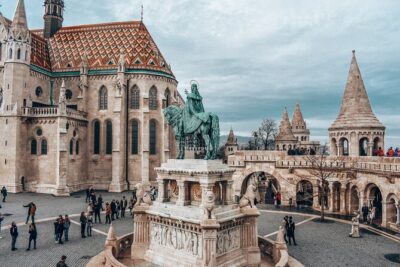
Original Budapest Alternative Street Art & Jewish Tour
Read our review →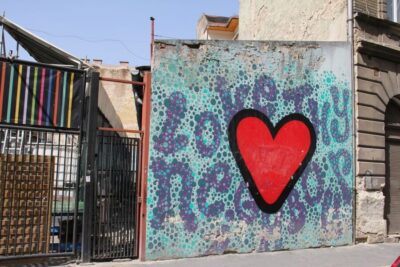
Browse the lists this tour appears in