
REVIEW · MEXICO CITY MURAL TOURS
Mexico City; ART NACO : Murals & Street Art Bike Tour
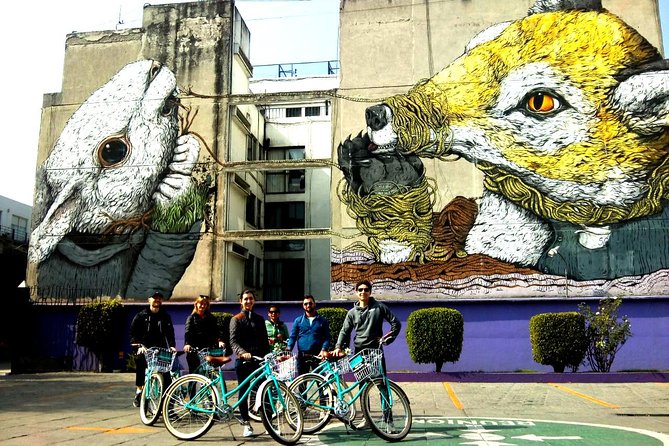
Mexico City tells its stories on walls. This three-hour ride takes you past murals, neighborhood art, local food, and corners you might never reach on foot. I especially like the small groups of no more than 10 and the way guides such as Iván, Alberto, Gaby, and Eduardo add history and personal context to the artwork. The included street food is another real plus. The main caution is that bike condition and English fluency may vary, so keep expectations practical rather than expecting polished touring bikes and a formal museum lecture.
You meet at 10 a.m. on Paseo de la Reforma near Centro and return to the same spot. The route may head north or south, with stops in areas such as Guerrero, Lagunilla, Obrera, Doctores, Juárez, and Cuauhtémoc. I like that this is not simply a ride between famous landmarks. You see working neighborhoods and local art, but busy streets, occasional delays, and uneven bike maintenance mean this tour suits flexible riders best.
Key points at a glance
- Two possible routes: Choose a northern or southern ride, with the northern option offering more history according to one couple’s experience.
- Art beyond the postcard view: See murals and street art in Guerrero, Lagunilla, Obrera, Doctores, Juárez, and Cuauhtémoc.
- Safety is a major focus: Guides and support staff help the group cross streets and manage city traffic.
- Local food is included: Expect street-food choices such as tacos, quekas, tlacoyos, gorditas, or chilaquiles, with options for dietary needs.
- Small-group format: The maximum is 10 people, and some departures use several guides for extra traffic support.
- A practical bike, not necessarily a premium one: Bikes are fitted to you, but brakes and gears may need closer checking before departure.
Why a bike is a smart way to see Mexico City art
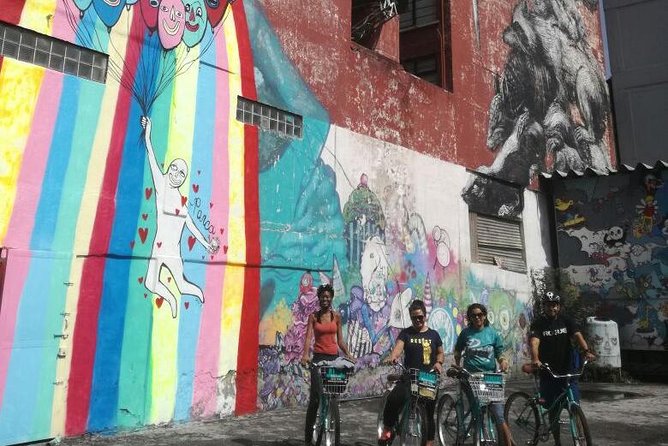
Mexico City is enormous. Walking between scattered murals would take time, and a taxi gives you little sense of the neighborhoods between the sights. On a bicycle, you move far enough to cover ground but slowly enough to notice painted shutters, side streets, old buildings, and bits of daily life.
I like the pace described by past riders: enough cycling to feel like an outing, but not a race. The ride is intended to be slow and manageable, with frequent stops for art, food, and local sights. You are not signing up for a fitness challenge.
The setting also matters. This tour takes you away from the usual visitor circuit and into places many people would not reach on their own. That does not mean every street feels calm. Mexico City traffic is real, and you need to stay alert. The guides help by positioning themselves around the group, stopping traffic when needed, and helping everyone cross together.
The strongest praise has gone to the safety system. Groups have sometimes had two or three guides, including support riders who act as blockers near traffic. That extra help can make a big difference if you feel nervous about cycling in a large city.
More Street Art Bike Tours in Mexico:
- Mexico City: Art Naco, murals & street art bike tour
★ 4.7 · 166 reviews - London Bike Tour: Landmarks, Secret Gems, Pub Stop & Street Art
★ 5.0 · 943 reviews - Barcelona Street Art and Graffitti Bicycle Tour
★ 5.0 · 361 reviews
Starting near Reforma and Centro
The meeting point is Av. Paseo de la Reforma 24-1, in Colonia Centro, near public transportation. The tour begins at 10 a.m. and ends back at the same place after about three hours. Since hotel pickup is not included, plan your own way to the starting point and leave enough time to find the exact meeting location.
The opening part of the tour is practical. The operator provides a bicycle fitted to you, bottled water, and a local guide. The group size can be as small as two people and cannot exceed 10. A small group makes it easier to hear explanations and easier for the guides to keep everyone together at intersections.
Before setting off, check the brakes, gears, and seat height yourself. One rider found the brakes weak, while another bike had gears that shifted unpredictably. Other riders described the bikes as comfortable, so the condition may vary from one departure to another. If something feels wrong, say so before leaving.
The tour may be led by an English-speaking guide or a multilingual guide. Iván received especially strong praise for explaining art, history, and Mexican customs in clear detail. Alberto was also described as patient and warm, while Gaby and Eduardo were praised for combining local stories with a friendly approach. English ability can vary, so ask questions early if you want more detail about a particular mural.
Guerrero, Lagunilla, and Mexico City beyond the center
One route begins through Colonia Guerrero, Lagunilla, and the less tourist-focused parts of central Mexico City. These areas help you see how the city changes from one block to the next. Instead of moving from one grand attraction to another, you get a look at neighborhoods where art shares space with ordinary streets and local businesses.
The value here is the connection between place and painting. Street art is not just a colorful background for a photograph. It can reflect local identity, public memory, political ideas, or community pride. A good guide explains who created the work and why it belongs in that particular setting.
The ride may also include local points of interest that are not obvious from a guidebook. One rider recalled being offered time to enter a library while the guide watched the bicycles. That kind of flexibility can add a welcome pause, although it is not something you should assume will happen on every departure.
Lagunilla and Guerrero also bring the most practical city-riding concerns. Streets may feel crowded, and you will need to follow the guide closely. The pace is generally described as slow and safe, but this is still urban cycling. If you rarely ride a bicycle or feel uneasy near traffic, tell the guide at the start.
Obrera, Doctores, and the Antique Toy Museum
The route continues toward Obrera and Doctores, where you see work by Mexican and international artists. A key stop is the Antique Toy Museum, associated with Mexico City’s first Street Art Festival in 2011. That connection gives the artwork a useful starting point: you can consider how a festival helped bring artists, residents, and public walls together.
The museum and its surrounding art show how street painting can keep growing after an event ends. The festival may have been a single moment, but the local interest continued to support new works and community attention. That is more interesting than simply counting how many murals you photograph.
This section may appeal most to anyone who wants context. The best guides do not bury you in dates. They explain the artist, the subject, and the social meaning in plain language. Iván was praised for doing extensive research and for knowing local connections, including a print shop and museum. Those connections can make the stops feel less like a standard sightseeing loop.
Still, the experience depends heavily on the guide. One poor rating described a ride where the art explanations felt thin and the outing became mostly a bicycle tour. That is a useful warning. If street art is your main reason for booking, ask questions and let the guide know you want the stories behind the work.
More Bike Tours in Mexico:
- Street Art Bike Ride
★ 5.0 · 125 reviews - London: Landmarks & Secrets Bike Tour with Pub & Street Art
★ 4.9 · 314 reviews - Cologne: Ehrenfeld Street Art Bike Tour
★ 4.9 · 105 reviews - Urban Adventures Amsterdam Bike Tour, Graffiti and Magnet Fishing
★ 5.0 · 105 reviews
A break at Pushkin Garden and the Roma connection
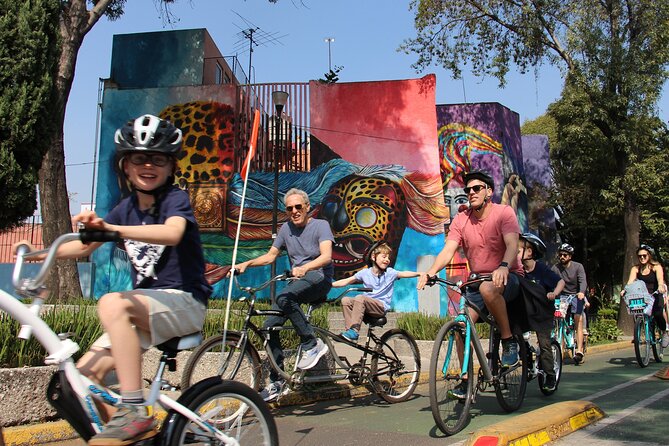
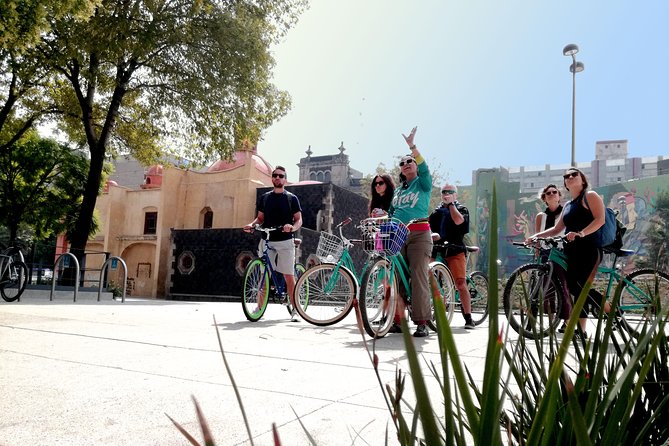
A pause at Pushkin Garden gives the group a chance to rest. After riding through central neighborhoods, this break helps keep the three-hour outing comfortable rather than tiring. It also creates a transition toward Roma, a better-known area with a different feel from Guerrero or Doctores.
The stop is not presented as a long independent visit. Think of it as a short breather and a chance to hear about the Roma area before continuing. The tour’s strength is the contrast between neighborhoods. You are not seeing one polished version of Mexico City. You are moving through several parts of the city and watching the art, architecture, and street life change.
That contrast also explains why the tour can feel fuller than its three-hour length suggests. You cover a lot by bike, but the pauses keep the pace reasonable. If you prefer long visits inside museums, this may feel too mobile. If you want to connect several neighborhoods in one morning, the format works well.
Juárez, Cuauhtémoc, and the large murals
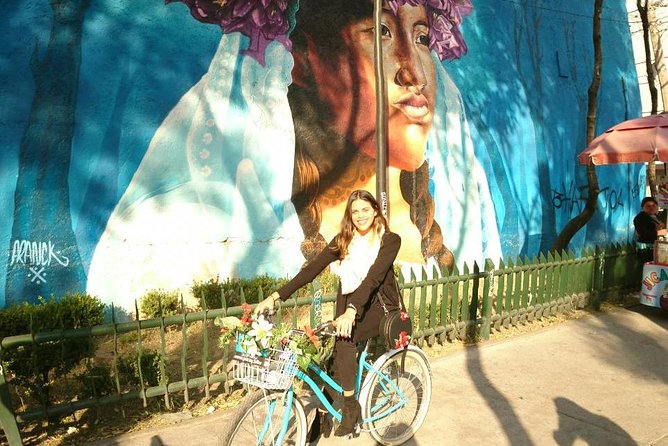
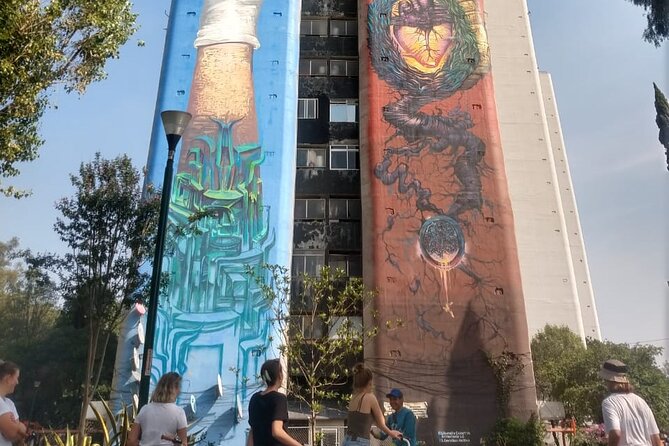
The route then crosses Juárez and Cuauhtémoc, with stops to see some of the larger murals in the city. The itinerary mentions different mural techniques and a stop at the Diego Rivera Mural. The specific order depends on the route selected, so do not expect every departure to follow an identical sequence.
This final stretch gives the tour a strong visual finish. Earlier stops focus on neighborhood walls and local art scenes. Here, the scale of the murals becomes part of the experience. You can compare smaller street pieces with large public works and consider how each uses a building, wall, or public space.
The guides are at their best when they connect technique with meaning. Several riders valued explanations of Mexican history and customs alongside the art. That combination is important because the paintings are easier to appreciate when you know what they refer to and why the artist chose that location.
The tour returns to the original meeting point. That makes the outing easier to fit into a day of sightseeing, especially if you have lunch or another activity planned afterward. One departure ran about 50 minutes late after waiting for a late arrival and photographer, so I would avoid scheduling anything immediately after the stated end time.
Street food that adds real value
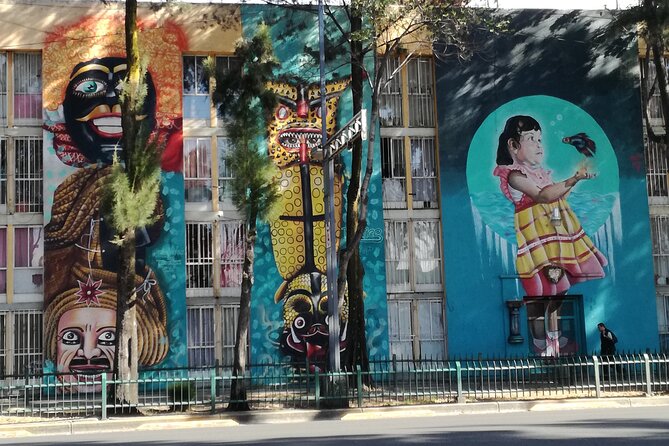
The included food is more than a token snack. The operator lists tacos, quekas, tlacoyos, gorditas, chilaquiles, and other choices, with attention to dietary restrictions. Specific food stops vary, but riders have described local taco stands and blue-corn tacos as highlights.
I like this part because food gives the route a second layer. You are not only looking at public art. You are also stopping to eat something ordinary and local, often at a place the guide already knows. Iván was praised for taking groups to a food stop that became one couple’s best meal in Mexico City, while another rider appreciated vegan street food.
Do not expect a sit-down restaurant or a full formal meal. This is street food, and the experience may be quick and informal. Tell the operator or guide about dietary needs, since choices are advertised for different diets, but do not assume every item will suit every restriction.
At $60.56 per person, the food helps the value calculation. You are paying for a fitted bicycle, guide service, water, a small group, traffic support, and several hours of local sightseeing. If you would otherwise rent a bike and pay for food separately, the package is reasonable. If you only want a short mural walk, the price may feel high.
Safety, bikes, and the small details that matter
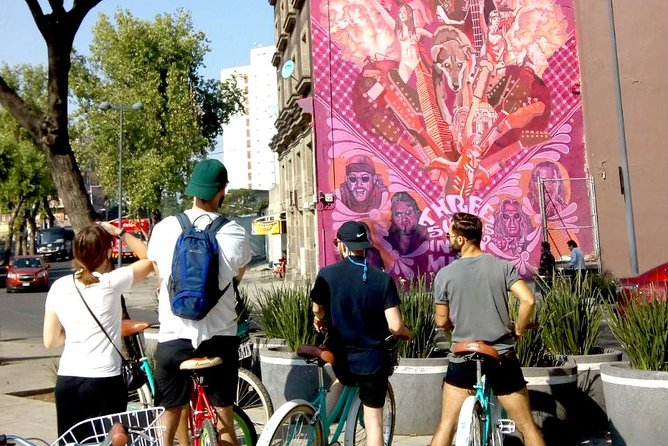
The tour has a minimum of two people and a maximum of 10. Children must be accompanied by an adult, and the child rate applies only when sharing with two paying adults. Most people can take part, but you should be comfortable riding a bicycle and managing city streets at a slow pace.
The strongest practical feature is the guide team. On larger departures, several people may help hold the group together and stop traffic. This does not remove all risk, but it makes the ride feel more organized than setting out alone.
Bike quality is the main weak spot. Some bikes have been described as comfortable, while others needed attention to brakes or gears. You do not need a top-end road bike for this route, but you do need working brakes and predictable shifting. Test both before departure and ask for another bicycle if necessary.
Weather and road conditions are not detailed in the supplied information, so I would dress for a morning outdoors and wear comfortable clothes. Water is provided. The ride itself is slow, but you are still spending three hours outside and on a bicycle.
Who should book this Mexico City bike tour?
I would choose this tour if you want to see Mexico City beyond major tourist sites, enjoy learning through local stories, and like the idea of combining art with food. It is especially useful early in a stay because it can help you understand the shape and character of several central neighborhoods.
It also suits solo riders and couples who want a social outing without joining a huge group. Families with older children and teens have enjoyed the mix of movement, murals, and food, provided everyone can ride comfortably.
I would hesitate if you need a tightly timed schedule, premium bicycles, or a formal art lecture in polished English. The route can run late, and the quality of the commentary depends on the guide assigned. If you want to see every mural in detail, a walking tour focused on one district may give you more time at each stop.
The experience has a 4.9 rating from 284 reviews, with 96 percent recommending it. Those numbers fit the main pattern: excellent guides, strong safety support, unusual neighborhoods, and very good food, balanced by occasional concerns about bikes, communication, and timing.
Should you book ART NACO?
Yes, if your priority is seeing a less familiar side of Mexico City by bicycle. The tour’s best moments come from the combination of neighborhood art, local history, careful traffic support, and street food. Guides such as Iván, Alberto, Gaby, and Eduardo have helped make the experience personal rather than mechanical.
Before you go, arrive ready to inspect your bike, stay flexible about the route, and leave extra time after the three-hour estimate. If you do that, the $60.56 price offers solid value for a small-group outing that covers more ground than a walking tour and gives you a taste of everyday Mexico City.
Free cancellation is available up to 24 hours before the start time. Changes or cancellations inside that window are not accepted for a refund.
FAQ
How long is the ART NACO bike tour?
The tour lasts about three hours.
What time does the tour begin?
The start time is 10 a.m.
Where does the tour start?
It starts at Av. Paseo de la Reforma 24-1, Colonia Centro, Cuauhtémoc, Mexico City.
Where does the tour end?
The tour ends back at the original meeting point.
How many people can join?
The maximum is 10 people per booking and 10 people on the activity.
Is bicycle rental included?
Yes. A bicycle fitted to you is included.
Is food included?
Yes. Street-food snacks are included, with options such as tacos, quekas, tlacoyos, gorditas, and chilaquiles.
Is hotel pickup included?
No. Hotel pickup and drop-off are not included.
Is the tour offered in English?
English is offered, though the guide may be multilingual.
Can children join the tour?
Yes. Children must be accompanied by an adult, and the child rate applies only when sharing with two paying adults.
Just added around Mexico
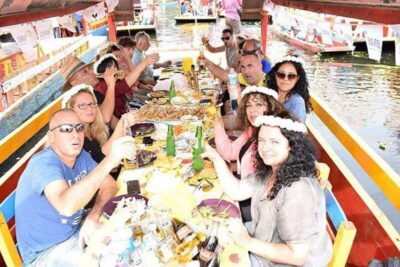
- Xochimilco floating gardens, Coyoacan and UNAM murals★ 4.0 · 6 reviews
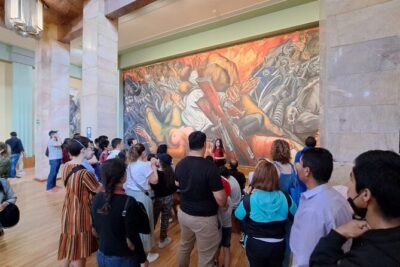
- UNAM: Murals & Revolution★ 4.9 · 8 reviews
- Street Art & Cemetery Cultural Tour – half day★ 5.0 · 3 reviews
- Graffitis & Munchies biketour Playa del Carmen★ 4.5 · 18 reviews
- Street Art Walk★ 4.5 · 7 reviews
- Tour Women Muralists : Strokes that resist Mexico City★ 5.0 · 7 reviews
- Diego Rivera’s murals, hidden treasures★ 5.0 · 21 reviews
- Mexico City Private Tour with Teotihuacan, Murals, Guadalupe Basilica★ 3.0 · 2 reviews
Mexico City Mural Tours, compared.
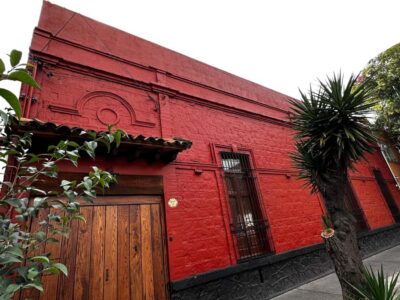
Xochimilco, Coyoacan, Frida Kahlo Museum & Murals Tour
Read our review →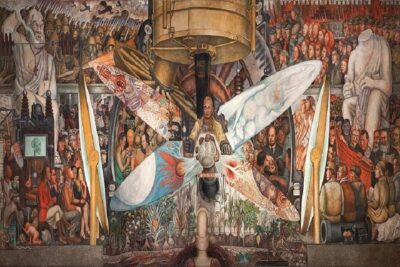
Walking Tour – Impressive murals in Historical Center of Mexico City
Read our review →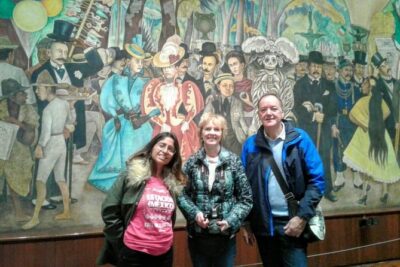
La Catrina & Muralism: Diego Rivera’s Legacy & Frida Kahlo
Read our review →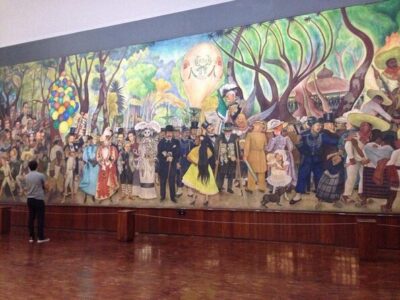
Muralist Art Semi Private Walking Tour in Mexico City Downtown
Read our review →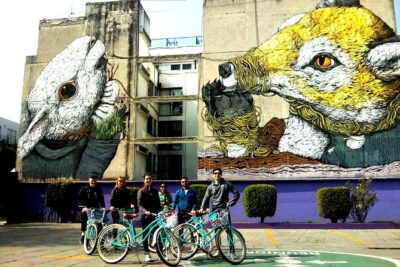
Xochimilco floating gardens, Coyoacan and UNAM murals
Read our review →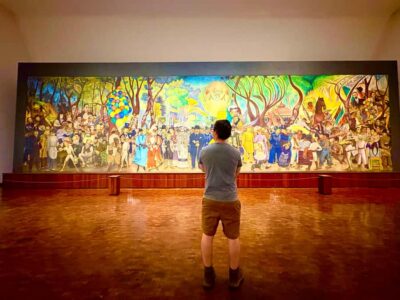
Browse the lists this tour appears in