
REVIEW · JOHANNESBURG MURAL TOURS
Johannesburg: Maboneng Street Art & Culture Tour
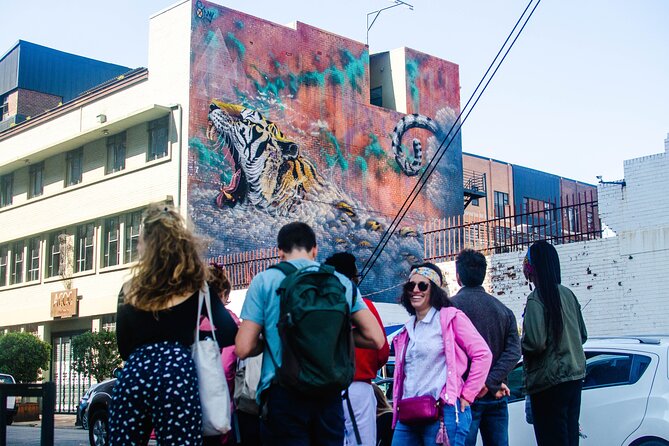
Art here is part of the city’s conversation. This two-hour walk through Johannesburg’s Maboneng district connects bold murals with the people, politics, and creative energy behind them. I like the way the tour explains each artwork instead of treating it as a quick photo stop, and I like the chance to meet local artists and vendors along the route. The main consideration is pace: two hours covers several sites, so some stops are brief.
The tour costs $37 per person and includes an English-speaking guide, but not food, drinks, or hotel transfers. Guides such as Refiloe, Mulalo, and Clement have been praised for making visitors feel comfortable while explaining both the art and Johannesburg’s difficult past. Safety and local insight are major strengths, though you should still arrive ready for an urban walking tour rather than a polished gallery visit.
Key points at a glance
- Start with a city view: Hallmark House gives you a rooftop look at central Johannesburg before you begin walking.
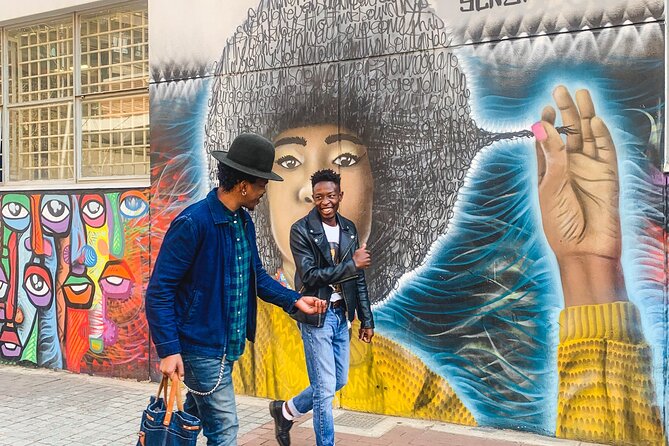
- Art with context: Murals in Maboneng are explained through themes of identity, resistance, hope, and renewal.
- Meet the creative community: The route includes galleries, arts markets, local vendors, and possible encounters with artists.
- A short but full walk: The two-hour schedule includes Maboneng, Jewel City, Artisan Lofts, Access City, and Fox Street.
- Strong guide-led experience: Refiloe, Mulalo, and Clement are especially praised for warmth, local connections, and clear explanations.
- Good value for curious visitors: At $37, the tour works best if you want history and conversation, not just a list of photo stops.
Beginning at Hallmark House on Siemert Road
Your meeting point is inside Hallmark House, at the coffee shop if you arrive early. The address is 54 Siemert Road, and this is worth noting because the tour does not include hotel pickup. You need to make your own way there and allow enough time to find the building without rushing.
Hallmark House is more than a place to gather. Its rooftop is one of the first useful viewpoints on the walk. From above, you can look across Johannesburg and start to understand how close together its old industrial areas, redeveloped buildings, and creative districts can be.
I like this opening because it gives the tour a sense of direction. You are not simply dropped into a street covered in murals. You first see the city as a whole, then walk into one small district and examine how change is happening at street level.
The rooftop also suits visitors who enjoy photographs. Depending on the time of day, the city views can provide a strong beginning, and the spot is known for sunset views. Still, do not expect a long rooftop visit. The whole experience lasts two hours, and the guide has several places to cover.
A few more mural tours around the world worth a look
- Medellin: Comuna 13 Graffiti Tour, Cable Car & Street Food
★ 4.8 · 9,046 reviews - CDMX: Xochimilco, Coyoacan, Frida Kahlo Museum & Murals Tour
★ 4.4 · 3,025 reviews - Amsterdam: Streetart Museum STRAAT Entrance Ticket
★ 4.8 · 2,137 reviews
Maboneng, where murals carry a message
Maboneng is the heart of the walk. The district is associated with art, design, food, nightlife, and new businesses, but its appeal is not just visual. The tour uses its walls to discuss how Johannesburg is trying to reshape its inner city after apartheid and after years of economic and social strain.
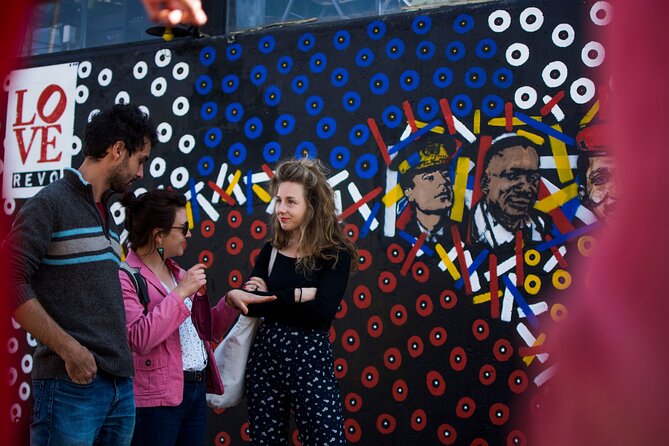
You will see murals in different styles and mediums. Some are large, polished works that dominate a wall. Others feel more like personal statements tucked into the ordinary fabric of the neighborhood. The guide pauses at selected pieces to explain who made them, what techniques they use, and how local artists turn public space into a place for debate.
That explanation is the difference between seeing street art and understanding it. Without a guide, you might notice color, scale, and style. With Refiloe, Mulalo, or another local guide, you can also learn why a particular figure, phrase, or symbol matters.
The strongest part of the tour is its connection between art and lived experience. The murals are presented as signs of identity, resistance, hope, and community change. That does not mean every artwork is treated as a solemn political lesson. The guides also bring humor, personal stories, and practical recommendations for places to eat or continue exploring.
The first Maboneng stop is listed as a 15-minute visit, though the walking and explanations continue through the surrounding streets. This gives you time to take pictures, ask questions, and notice details that would be easy to miss alone.
The Cosmopolitan lounge and the social side of Maboneng
The Cosmopolitan lounge is a short stop, listed at around five minutes. It is not the place to expect a long meal or a full nightlife session. Instead, it helps show the district as a social space, not only an outdoor art display.
Short stops like this can feel hurried if you want time inside every venue. On the other hand, they help the guide fit several parts of Maboneng into one compact walk. You get an introduction to the district’s social scene without losing the main focus on art and culture.
This is also where the guide’s local relationships matter. Refiloe has been praised for knowing people in the area and for making the neighborhood feel more approachable. That kind of welcome can be particularly useful in a district that may feel unfamiliar or slightly uneasy to someone seeing Johannesburg for the first time.
Hallmark House, from rooftop views to creative businesses
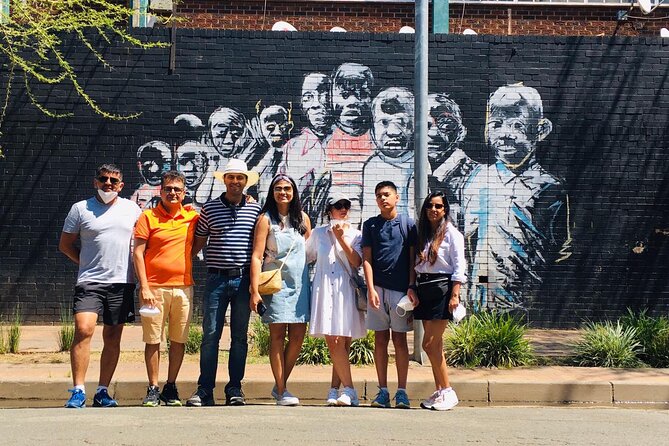
Hallmark House appears both as the meeting point and as a stop on the route. The visit includes sightseeing, walking, shopping, and photographs, with about 10 minutes scheduled for this part.
The building helps link Johannesburg’s older city fabric with its newer creative identity. You can look for shops, design touches, and spaces connected to the city’s current arts economy. It is not simply a backdrop for a tour group. It gives you a place to consider how old buildings and new creative uses can coexist.
I would not book this experience expecting an extended shopping session. The time is limited, and the guide’s attention is divided among the building, the rooftop, the street art, and several nearby districts. But if you find something appealing, the tour can point you toward places worth revisiting after the walk.
Same walls, a different guide:
- Belfast: Murals Taxi Tour
★ 4.9 · 2,047 reviews - Wynwood Graffiti Golf Cart Small-Group Tour
★ 5.0 · 1,646 reviews - London: Street Art and Graffiti Guided Walking Tour
★ 4.9 · 1,354 reviews - Lisbon: Street Art Tour
★ 4.9 · 1,324 reviews
Access City and Artisan Lofts: short stops with local texture
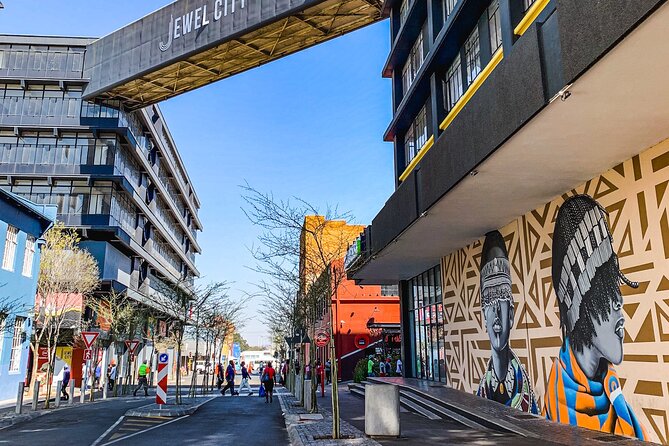
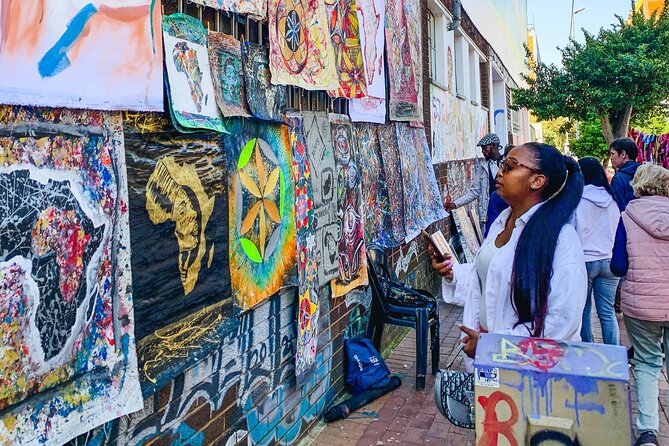
Access City brings in another side of the route. You may see arts and crafts, local vendors, and small-scale creative work. The stop is listed at about 10 minutes, so think of it as a focused introduction rather than a full market visit.
This is useful because Maboneng’s creative culture is not limited to large murals. It also lives in handmade goods, informal selling, small businesses, and the personal work of emerging artists. You can ask questions about what is being made, who is selling it, and where to find more after the tour.
Artisan Lofts follows with another arts and crafts market visit. This keeps the experience grounded in working creatives rather than presenting street art as something frozen on a wall. The route shows how artists and makers can contribute to the daily identity of a neighborhood.
The practical drawback is that shopping time may be short. If you see something you want to buy, you may need to return later. The tour’s purpose is to explain the area and connect you with its creative life, not to provide an unhurried market afternoon.
Jewel City and the story of urban renewal
Jewel City is one of the most interesting additions to the walk. Its name points to Johannesburg’s connection with the diamond and gold industries, while its present-day identity reflects a newer effort to bring creative uses and public life into a formerly less inviting part of the city.
Here you can visit galleries, see more public art, and encounter vendors and local creatives. The guide explains emerging artists and the methods they use to tell stories that work both locally and beyond South Africa.
This stop gives the tour a wider frame. Maboneng is not an isolated arts quarter floating outside Johannesburg’s difficult realities. It sits within a city shaped by mining, migration, inequality, segregation, and post-apartheid change. Jewel City helps you connect the current art scene with those larger forces.
About 10 minutes is allocated here, though the overall walking route provides more time for conversation. If you enjoy contemporary art, this may be one of the most rewarding sections, especially when the guide can explain an artist’s motivation rather than just naming the work.
Fox Street and the final stretch
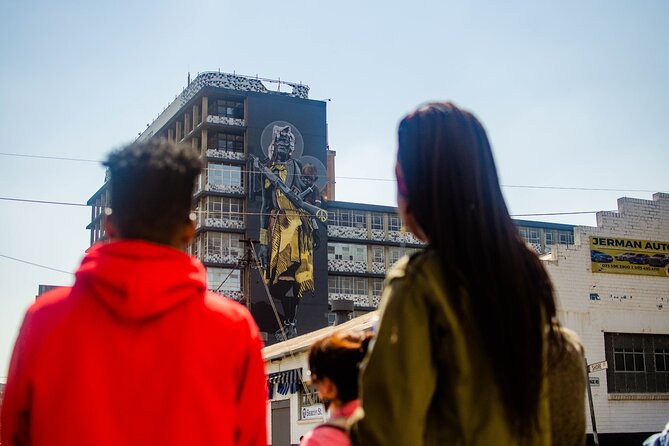
The route ends around 264 Fox Street. This area adds another look at the social and creative life of Maboneng, with time for photos, sightseeing, and conversation.
Fox Street is a good place to keep your eyes open. The tour is not only about major murals. You may notice smaller details in doorways, shopfronts, side walls, and shared public spaces. The guide can help you read those details as part of the district’s larger story.
The final stop also gives you a chance to ask follow-up questions. Past visitors have found the guides useful for restaurant ideas, artist names, and suggestions for continuing around Maboneng after the formal walk. That is a real benefit. A good city tour should leave you with a better sense of what to do next, not only a camera full of pictures.
What the guide adds to the experience
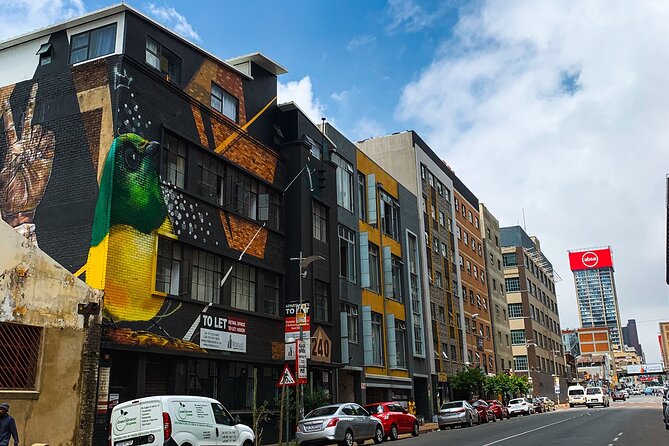
The guide is the main reason this tour earns its strong reputation. Refiloe receives especially warm praise for his energy, humor, artistic insight, and ability to make people feel at ease. Mulalo is also praised for explaining the area clearly and giving the walk a personal touch. Earlier tours led by Clement were valued for friendly conversation, historical background, and artist encounters.
You should not assume a single guide for every departure. Names and guiding styles can vary. The consistent strength is the local connection: guides know the streets, greet people along the way, and explain art in a way that feels tied to real life.
That matters in Maboneng. A person walking alone might see a striking wall and then move on. Your guide can explain the artist, the method, the social meaning, and the reason the work matters to Johannesburg now.
The guides also appear to be attentive to comfort. Several visitors felt secure walking with them, and some appreciated help taking photographs. You should still use normal city awareness, keep valuables secure, and follow the guide’s direction. A friendly guide improves the experience, but it does not remove the need to pay attention.
Is $37 good value for two hours?
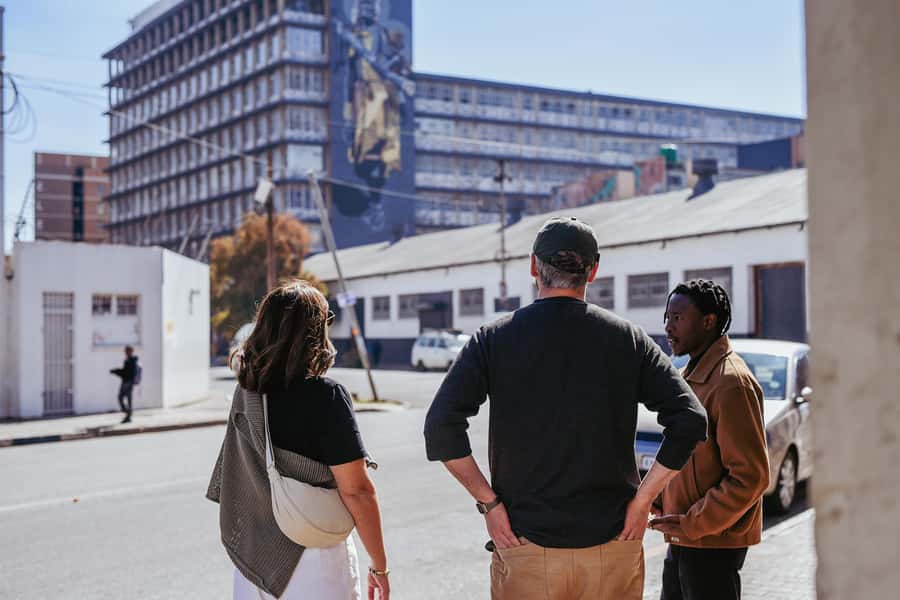
At $37 per person, this is not the cheapest way to see a few murals. You are paying for interpretation, local access, and a planned route through places you might not understand on your own.
The value is strongest if you care about art, city history, and meeting people connected to the district. You receive a rooftop viewpoint, guided walking, explanations of multiple artworks, introductions to creative spaces, and ideas for what to see afterward. The guide is included, while food and drinks are not.
The price is less attractive if you mainly want free time to shop, eat, or photograph walls at your own pace. Several stops last only five or 10 minutes, and the walk covers a lot in a short period. In that case, you might prefer exploring independently after using the tour as an introduction.
For most first-time visitors to Johannesburg who want a grounded cultural experience, I think the cost is fair. The guide’s knowledge and local relationships provide the real value.
Who should book this walk?
I would recommend it to:
- First-time visitors who want to understand Johannesburg beyond major landmarks.
- Anyone interested in murals, contemporary art, galleries, or handmade work.
- Visitors who prefer a small-scale walking experience to a bus tour.
- People who want practical suggestions for restaurants and further exploring in Maboneng.
- Families with older children who can manage two hours of walking and discussion.
- Anyone curious about how art reflects post-apartheid change.
It may not suit you if you dislike walking, want a long shopping stop, or prefer a purely architectural tour. It also is not designed as a food tour, since meals and drinks are not included.
The experience is in English, and the tour lasts two hours. You can cancel up to 24 hours ahead for a full refund, and the reserve-now, pay-later option keeps the booking flexible.
Should you book the Maboneng Street Art and Culture Tour?
Book it if you want more than colorful walls. The best part is the link between public art, local creatives, Johannesburg’s mining past, and the city’s efforts to renew its inner districts.
I especially like the combination of the Hallmark House rooftop and the street-level walk. You get the broad city view first, then the close-up details: murals, galleries, markets, artists, and conversations with people who know the neighborhood.
The two-hour schedule is brisk, and some stops are short. Still, Refiloe, Mulalo, Clement, and the other local guides bring enough warmth and context to make the route feel personal rather than packaged. For $37, this is a smart introduction to Maboneng and a strong choice for anyone who wants to see how Johannesburg’s creative life is being built from the ground up.
FAQ
Where does the tour meet?
The meeting point is at 54 Siemert Road, inside Hallmark House. If you arrive before the start time, wait at the coffee shop.
How long does the tour last?
The tour lasts two hours.
What language is the tour offered in?
The live tour guide speaks English.
Is hotel pickup included?
No. Hotel pickup and drop-off are not included, so you need to reach Hallmark House independently.
Are food and drinks included?
No. Food and drinks are not included in the price.
What places are included in the walk?
The route includes Maboneng Precinct, The Cosmopolitan lounge, Hallmark House, Access City, Artisan Lofts, Jewel City, and 264 Fox Street.
Can I cancel for a full refund?
Yes. You can cancel up to 24 hours in advance for a full refund.
Just added around the world
- Your Own Belgrade: Street Art and Hidden Gems Walking Tour★ 5.0 · 2 reviews
- Vancouver: Street Art & Craft Coffee Walking Tour w/ Tasting★ 4.8 · 11 reviews
- Wynwood Walls Street Art & Neighborhood Walking Tour★ 4.9 · 9 reviews
- Xochimilco floating gardens, Coyoacan and UNAM murals★ 4.0 · 6 reviews
- UNAM: Murals & Revolution★ 4.9 · 8 reviews
- Urban Canvas: Osaka Street Art Bike Tour★ 5.0 · 10 reviews
- Vancouver: Street Art & Craft Beer Walking Tour with Tasting★ 4.8 · 14 reviews
- Zagreb Street Art Private Walking Tour with a Local Artist★ 5.0 · 12 reviews
Johannesburg Mural Tours, compared.
Colours of Johannesburg: A Graffiti & Street Art Tour
Read our review →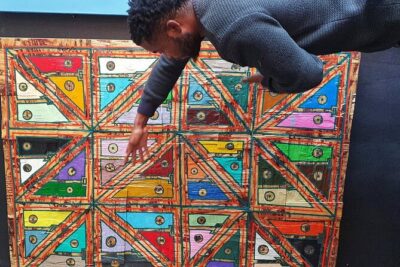
(Meet the Artist)Art Gallery & Street Art tour with lunch
Read our review →
Johannesburg Street Art & Museum Walking or E-scooter Tour
Read our review →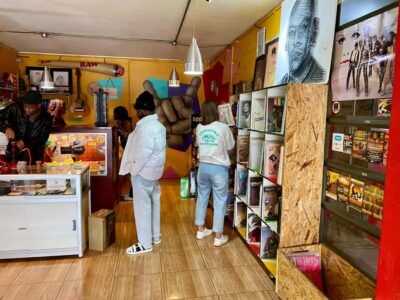
Browse the lists this tour appears in