REVIEW · BERLIN MURAL TOURS
Alternative Berlin / Street art tour – Private group
Berlin rewards the curious. This three-hour private tour with Adrian, creator of the alternative tour concept in Berlin, takes you past street art, communal housing, green projects, and local hangouts that most sightseeing routes skip. I like the personal storytelling and the way the art is tied to Berlin’s political and social changes. I also like the practical tips on food, clubs, bars, and neighborhood life.
The main consideration is transport. You need an AB public transport ticket, and the tour begins on the corner of Revalerstrasse and Warschauerstrasse, rather than at a major central landmark. At $176 per private group of up to 20, the value is strongest when you fill several places or want a tour shaped around your group’s interests.
Key points at a glance
- Adrian’s personal connection: The guide created the alternative tour concept in Berlin in 2006 and has long ties to the graffiti and street art scene.
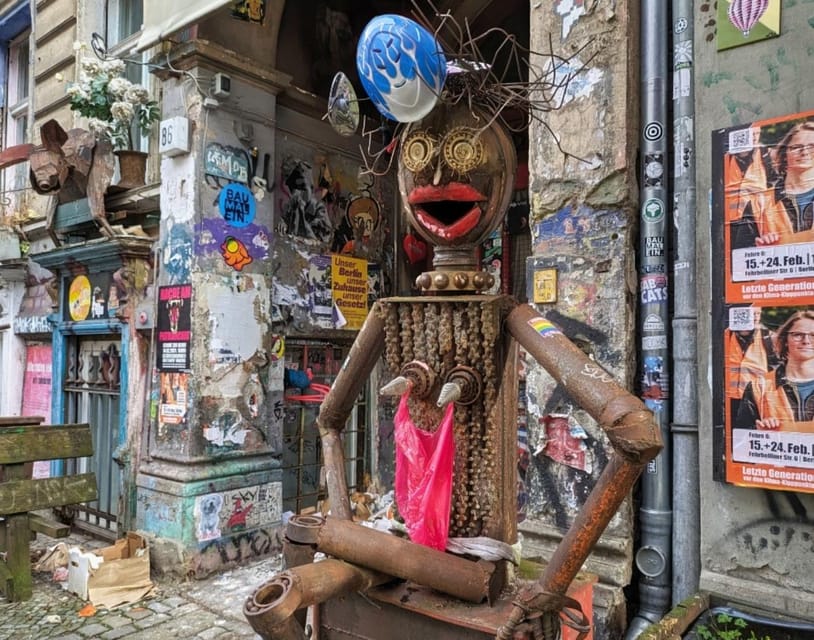
- Art with context: You will see murals, graffiti, and urban projects while hearing who made them, what stood there before, and which social or political ideas they express.
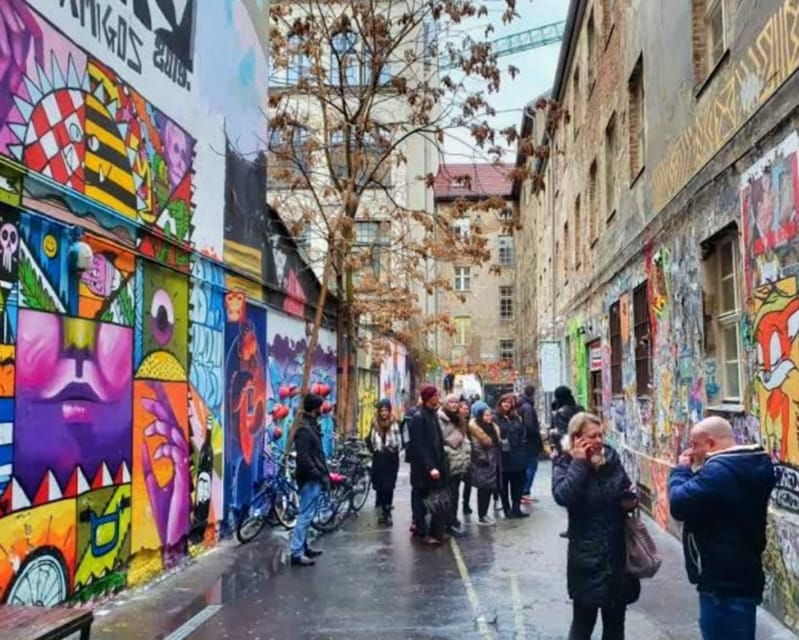
- Berlin beyond monuments: The route focuses on local Kiez, multicultural neighborhoods, creative housing, former industrial spaces, and unusual community projects.
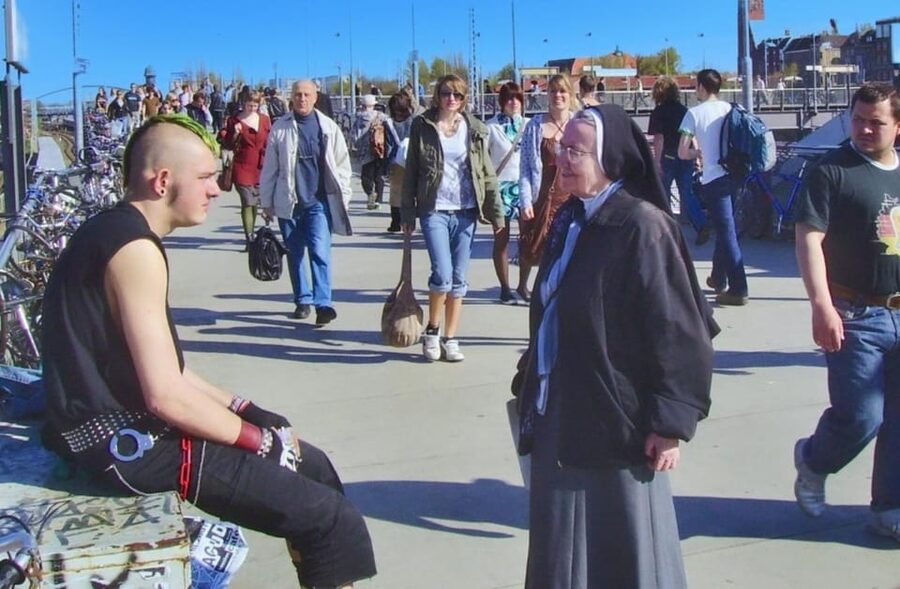
- Culture after dark: Adrian connects Berlin’s punk, hip-hop, jazz, metal, electronic, fetish, burlesque, and swing scenes to the city’s wider story.
- A flexible private format: Your group can ask questions, pause for food or drink, and get personal suggestions for later in the day.
- Useful for residents too: One group living in Berlin for more than five years still found unfamiliar corners and new stories on the route.
Why this Berlin tour feels different
Many Berlin tours explain the Wall, the Brandenburg Gate, or the Nazi and Cold War eras. This one looks at what happened after the Wall fell, when empty buildings, unused industrial sites, and open spaces gave room to artists, musicians, squatters, start-up companies, and people seeking a less conventional life.
That focus gives you a different way to read the city. A painted wall is not just a colorful backdrop for a photograph. It may reflect a housing dispute, a political position, an artist’s response to a changing neighborhood, or a scene that has already disappeared.
Adrian has been connected to Berlin’s alternative culture since 2006. That matters because the tour is not simply a list of famous murals. He can explain how the art scene changed, what used to occupy a site, and why some places became gathering points for particular communities.
The tour also works well if you already know Berlin. A group of long-term residents found that Adrian showed them corners they had never noticed. That is a useful sign for repeat visitors who have already covered the standard city sights.
More Alternative City Tours in Germany
- Berlin: Street Art and Alternative Tour
★ 4.7 · 98 reviews - Street Art and Alternative Tour of Berlin in French
★ 5.0 · 49 reviews - Berlin Alternative Street Art Tour
★ 4.0 · 26 reviews
Meeting at Warschauerstrasse and Revalerstrasse
The meeting point is on the corner of Revalerstrasse and Warschauerstrasse, in front of a kebab shop. This places you in an area associated with nightlife, creative projects, street art, and Berlin’s alternative scene rather than in the historic center.
Allow enough time to find the corner. The meeting point is specific, but it is not a grand monument that you can spot from far away. You also need an AB transport ticket for the tour, so buy or arrange that before you arrive.
The location helps set the tone. You begin among working streets, food stops, nightlife addresses, and local movement rather than with a formal introduction beside a museum. It feels like entering a living neighborhood, where the point is to notice how people use the streets.
Because this is a private group, you can ask Adrian to explain a particular kind of art or community project in more detail. A group of dance students and teachers found the subject matter suited their age group and interests, especially the underground side of Berlin’s culture.
Reading the street art beyond the photograph
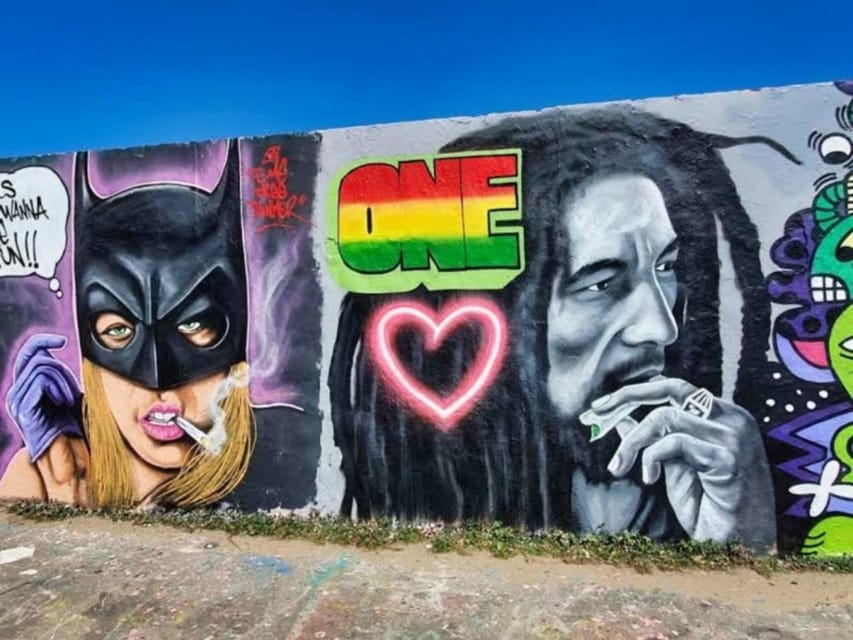
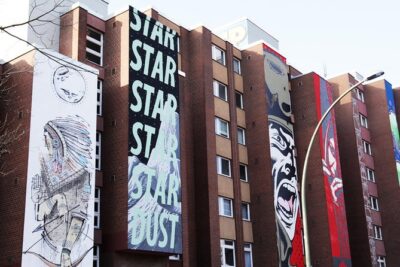
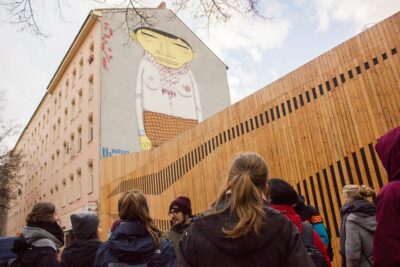
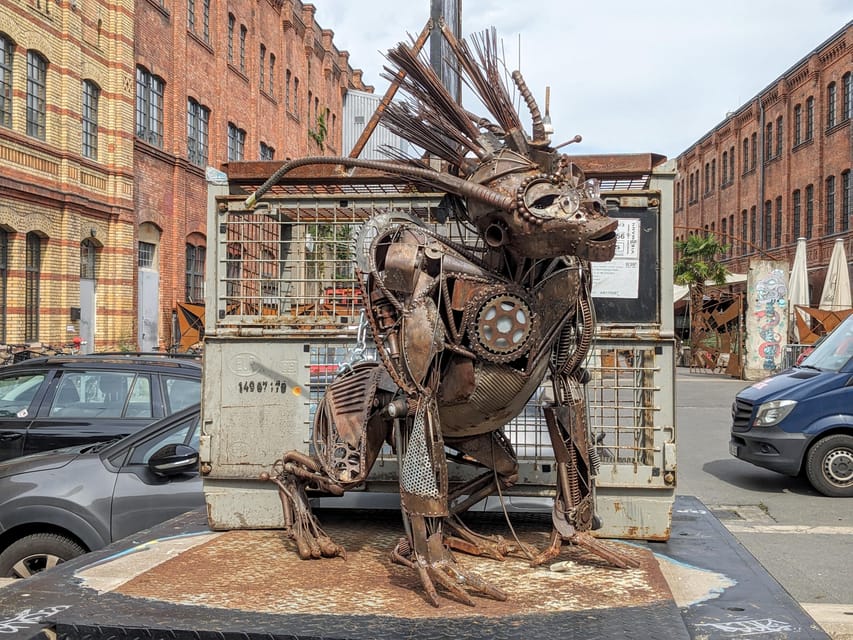
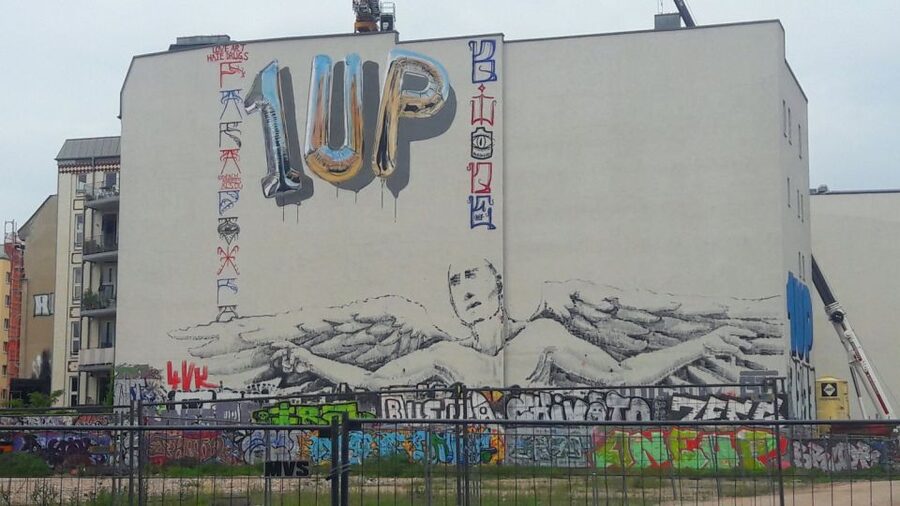
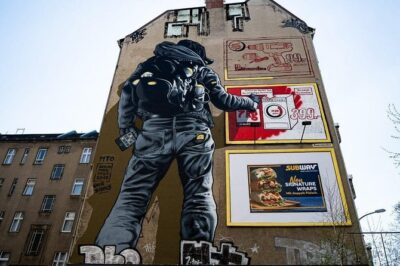
Street art is the main thread of the experience. You can expect a mix of graffiti, large murals, smaller urban pieces, and creative projects placed in less obvious corners.
The useful part is the explanation around each work. Adrian discusses the artists, the messages, and the setting. He also tells you what existed at a location before the current piece appeared. That extra layer helps you see Berlin as a city that keeps rewriting itself.
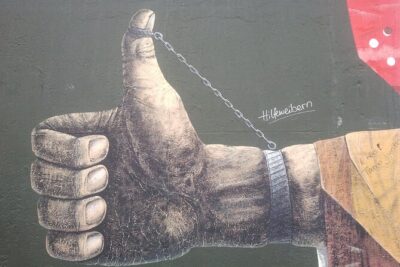
Some pieces may be striking simply because of their scale or color. Others may be rougher, more political, or harder to understand without local context. This is not a polished gallery visit. The art is exposed to weather, construction, changing ownership, and competing voices.
You should bring a camera if you enjoy urban photography, but do not expect every stop to be a permanent exhibit. Street art changes. A wall seen on one visit may be painted over later, and that temporary quality is part of the subject.
Adrian’s approach appears particularly useful for people who want the meaning behind the image. He connects the visual work to Berlin’s social and political debates instead of treating graffiti as decoration. That makes the tour more rewarding for anyone interested in cities, public space, or contemporary culture.
Housing projects, communal life, and green ideas
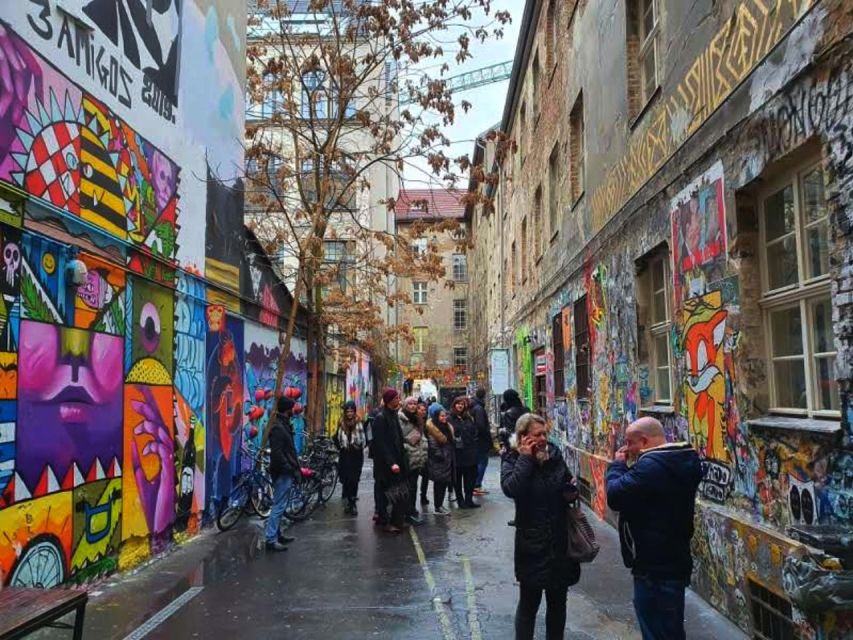
The tour also looks at alternative ways of living. You may visit or discuss communal apartments, housing projects, squats, wagon communities, and self-sustainability projects that appeared or grew after German reunification.
The wording matters here. You should not expect a staged museum display of alternative housing. These are real parts of Berlin’s urban life, and some may be viewed from public areas or discussed as part of the neighborhood. The experience is about understanding how people claimed space and built communities, not about entering private homes.
Adrian also points out creative living spaces and so-called green initiatives. These examples show why Berlin attracted people who wanted to experiment with housing, work, art, and shared resources.
There is a useful tension in this subject. Alternative projects can offer freedom, creativity, and lower-cost ways to live, but they can also create disagreements with landlords, authorities, investors, and neighbors. The tour acknowledges that communities sometimes live side by side in harmony and sometimes do not.
That balanced view is important. You are not being sold a perfect picture of counterculture. Instead, you get a look at how idealism meets daily life in a large European capital.
More Private Mural Tours in Germany
- Berlin: Private Kreuzberg Street Art Walking Tour
★ 4.8 · 57 reviews - Berlin Private Street Art Tour – Off The Grid
★ 5.0 · 9 reviews - Alternative Berlin Private Tour with Jacob – Graffiti and Squats
★ 5.0 · 6 reviews - Private Alternative Berlin Tour -Murals, Graffiti and Squats
★ 4.8 · 5 reviews
The Kiez, food, and neighborhood tips
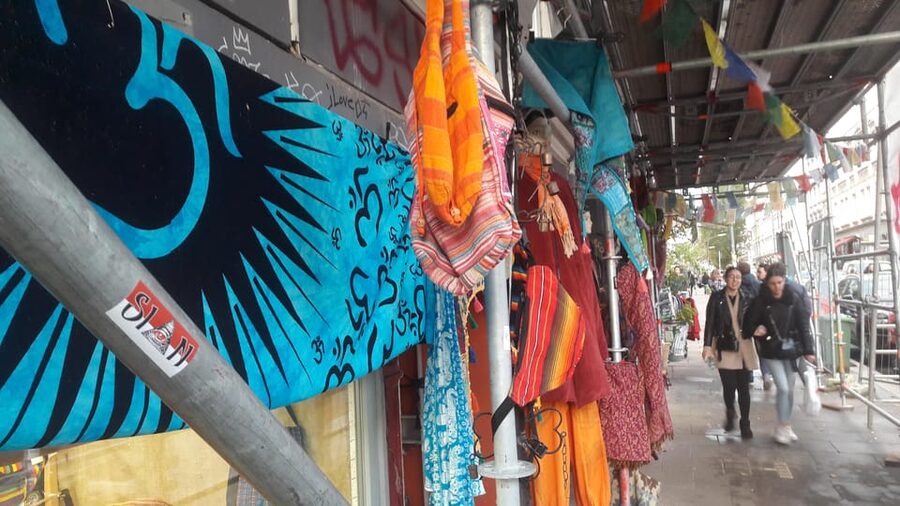
Berliners often use the word Kiez for a local neighborhood or small area with its own character. The tour stops in several local and multicultural districts, giving you time to notice the difference between one part of the city and the next.
If your group wants to eat or drink, Adrian can suggest local places. One group stopped for lunch at a location he recommended and enjoyed it. Food is not included, so plan to pay separately, but the option adds a practical benefit to the tour.
I like this part because it turns the experience into more than a three-hour art walk. You can ask about places to eat later, bars worth trying, or areas suitable for an evening out. Adrian also shares tips on clubbing and bar hopping, which can be valuable in a city where nightlife choices are numerous and not always easy to judge from a guidebook.
Do not expect a fixed restaurant meal or a formal tasting session. The focus remains on the neighborhood and its culture. Your group can decide if a food or drink stop fits the pace you want.
Berlin’s music and after-dark culture
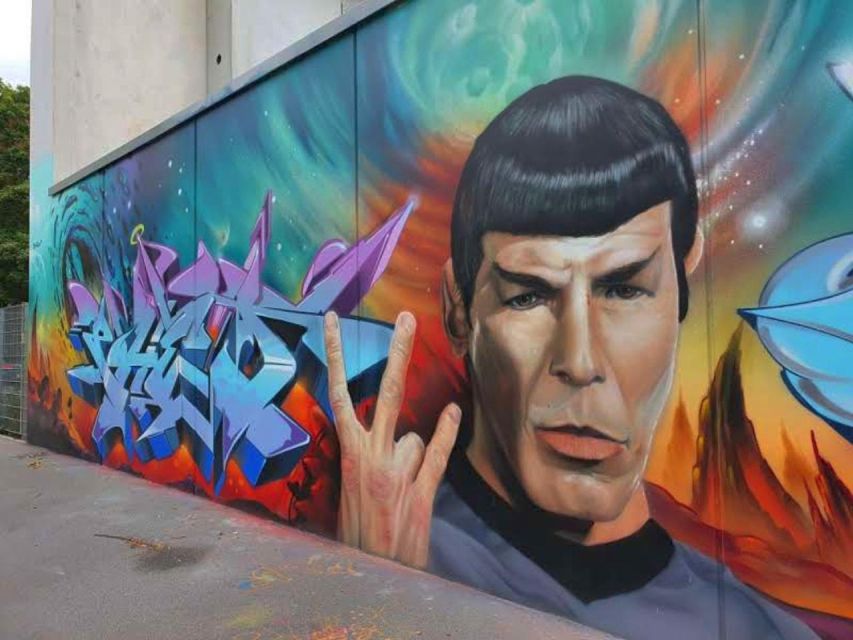
The tour puts street art into a wider cultural setting by discussing music. Adrian covers punk, hip-hop, jazz, metal, and electronic music, along with the city’s famous club culture.
He also reaches further back, to gramophone parties and forbidden jazz, blues, and swing events in the 1920s and 1930s. These gatherings offered forms of social and musical rebellion during a period when the National Socialist regime tried to control youth groups and public life.
The discussion then moves toward underground fetish clubs and burlesque scenes with roots in 1920s Berlin. This gives you a sense of how nightlife traditions can survive, change, and reappear in new forms.
Expect conversation and recommendations rather than entry to a club or concert. The tour does not include nightlife admission. Its value is in helping you understand the city’s after-dark character and giving you personal pointers for your own evening.
If your group is interested in electronic music, the discussion may be especially useful. Berlin’s club identity is famous, but a local guide can help connect it to older forms of rebellion, performance, and social freedom.
What three hours can realistically cover
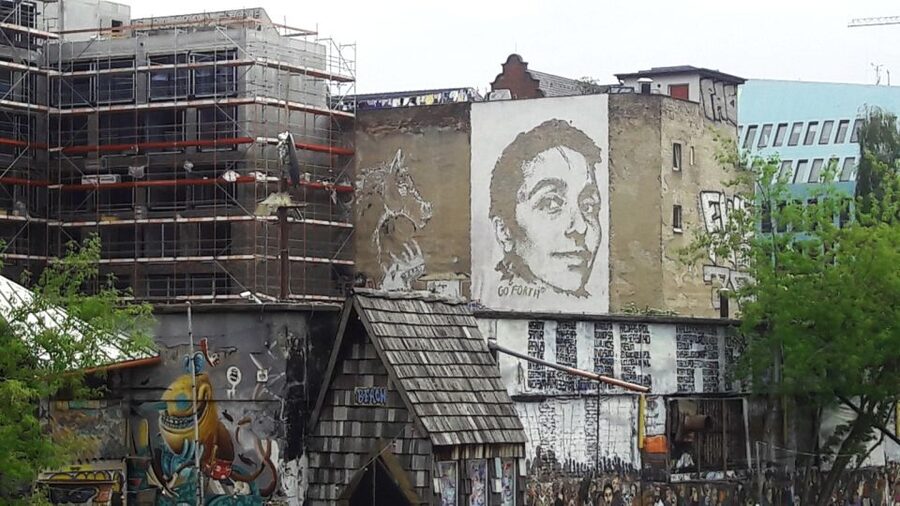
Three hours is enough to build a strong picture of Berlin’s alternative culture, but not enough to see every district or style of art. The route appears designed to move through several connected themes rather than provide a complete inventory of the city’s murals.
You will likely spend time walking, looking closely at pieces, listening to stories, and moving between local areas. The exact balance can change depending on questions, group interests, and whether you stop for food or drink.
That flexible pace is a strength for a private group. A school group, a group of artists, and a family of adults may want different things from the same subject. You can ask for more street art, more music, more housing history, or more practical nightlife advice.
It also means you should wear comfortable shoes and allow time for city transport. The tour requires an AB ticket, and its locations are not limited to one compact courtyard.
The experience is wheelchair accessible, which makes it more usable than many informal street art walks. Still, because the tour takes place in ordinary streets, alleys, and urban spaces, you may want to confirm any specific mobility needs before booking.
Is $176 good value for a private group?
The price is $176 for the entire group, with up to 20 people. That is a different value calculation from a per-person walking tour.
For two people, the cost works out to $88 each. For a group of 10, it is $17.60 each, and for 20 people, it is $8.80 each. The strongest value comes when several friends, students, colleagues, or family members share the booking.
You are paying for a private experience led by the person who created the alternative tour concept in Berlin. That personal connection is a major part of the price. You are not just paying to locate murals. You are paying for stories about artists, neighborhoods, political ideas, housing projects, and music scenes.
Food, drinks, and the AB transport ticket cost extra. Keep those additions in mind when planning the day. The tour itself is three hours, so it can fit neatly into a morning or afternoon before dinner and nightlife.
The 5.0 rating from six verified bookings is encouraging, and the strongest praise centers on Adrian’s storytelling, long experience, and ability to show unfamiliar parts of Berlin. The sample is small, so I would treat it as a positive signal rather than proof that every group will have the same experience.
Who should book this experience?
I would choose this tour if you want Berlin explained through its people, walls, music, and everyday neighborhoods. It suits first-time visitors who want something beyond the big landmarks, but it may be even better for repeat visitors and people already living in Berlin.
It is also a good match for:
- Students and young adults interested in street art or counterculture
- Photography and design fans
- Groups interested in urban planning or communal housing
- Visitors who want local food and nightlife suggestions
- Dance, music, and arts groups
- Friends who prefer a private conversation to a large scheduled tour
You may want another type of tour if you mainly want Berlin’s royal buildings, museums, World War II sites, or Cold War monuments. Those subjects are not the main focus here.
The tour also asks you to stay open-minded. Alternative housing, squats, political graffiti, nightlife, and street culture can be complicated subjects. If you prefer a polished, carefully staged attraction, this may feel loose. If you like seeing how a city actually works, that looseness is part of the appeal.
Should you book the Alternative Berlin tour?
Book it if you want a personal look at the Berlin that formed around vacant spaces, art, music, migration, communal living, and post-Wall experimentation. Adrian’s long connection to the scene gives the tour more depth than a simple mural hunt, and the private format lets you shape the conversation.
The best booking is for a group large enough to share the $176 fee and interested in asking questions. Bring an AB transport ticket, wear comfortable shoes, and leave room for a neighborhood food stop or evening recommendation.
I would skip it only if your main goal is Berlin’s formal monuments or a fixed itinerary with guaranteed stops. For an authentic, street-level look at the city’s alternative side, this is a strong choice.
FAQ
Where does the tour meet?
The meeting point is on the corner of Revalerstrasse and Warschauerstrasse, in front of a kebab shop.
How long does the tour last?
The tour lasts three hours.
What is the price?
The price is $176 for a private group of up to 20 people.
Is the tour private?
Yes. It is offered as a private group experience.
What language is the tour conducted in?
The live tour is conducted in English.
Is public transport included?
No. You need an AB transport ticket for the tour.
Is food included?
No. Food and drinks are not included, though the group can stop in local neighborhoods if it wants to eat or drink.
Is the tour wheelchair accessible?
Yes. The activity is listed as wheelchair accessible.
Who leads the tour?
The tour is led by Adrian, the creator of the alternative tour concept in Berlin, which began in 2006.
Can I cancel the booking?
Yes. You can cancel up to 24 hours before the tour for a full refund. You can also reserve now and pay later.
More Private Mural Tours in Berlin
- Street Art Workshop & Tour – Private Group
★ 5.0 · 2 reviews - Berlin : Private Street Art Walking Tour (Private Tour)
★ 5.0 · 2 reviews - Mega Street Art, Mural, Graffiti Private Tour
★ 5.0 · 2 reviews - Belfast: Private Black Taxi Cab Political Murals Tour
★ 4.9 · 425 reviews
More Alternative City Tours in Berlin
- Berlin: Alternative Street Art Tour
★ 4.4 · 18 reviews - Alternative Berlin & Street Art Tour
★ 4.5 · 14 reviews - Berlin: Alternative & Street Art Tour
★ 4.5 · 10 reviews - London Bike Tour: Landmarks, Secret Gems, Pub Stop & Street Art
★ 5.0 · 943 reviews
Just added around Berlin
- Graffiti Workshop Berlin with professional graffiti artists★ 4.0 · 4 reviews
- Alternative Berlin Private Tour with Jacob – Graffiti and Squats★ 5.0 · 6 reviews
- Alternative Berlin & Street Art Tour★ 4.5 · 14 reviews
- Open graffiti workshop in the Mauerpark in Berlin★ 5.0 · 2 reviews
- Private Alternative Berlin Tour -Murals, Graffiti and Squats★ 4.8 · 5 reviews
- Street Art Workshop & Tour – Private Group★ 5.0 · 2 reviews
- Street Art & Berlin Gay, Queer, Trans History + Free Gay Map★ 4.9 · 15 reviews
- Berlin : Private Street Art Walking Tour (Private Tour)★ 5.0 · 2 reviews
Berlin Mural Tours, compared.

East Meets West: Berlin Food Culture & Street Art
Read our review →