REVIEW · BERLIN MURAL TOURS
Alternative Berlin Private Tour with Jacob – Graffiti and Squats
Berlin wears its past in public. This private walking tour connects war memorials, LGBTQ culture, street food, graffiti, and former squats in one lively route across the city. With local guide N. Jacob, you move from major sights to alternative corners that can be hard to understand from a guidebook alone.
I like the personal format and the hotel, apartment, station, or airport pickup. I also like the practical extras: an A3 picture folder, a subway map, and WhatsApp availability for questions during your Berlin visit. The main consideration is that public transport costs extra, and the route covers a lot of ground in about two hours and 45 minutes.
This is a good match for active visitors who want Berlin explained through its subcultures, murals, nightlife areas, and political past. It is less suitable if you want long museum visits or a slow tour with lots of time indoors.
Key points to know before booking
- N. Jacob leads a private route through nine Berlin stops, giving your group direct access to the guide rather than sharing the tour with strangers.
- The tour links famous sights with alternative Berlin, including the Victory Column, Brandenburg Gate, Haus Schwarzenberg, Kreuzberg, and the East Side Gallery.
- Hotel, apartment, Airbnb, train station, and airport pickup are included, making the start simple if you are unfamiliar with Berlin.
- You pay separately for public transport, with the expected cost listed as €3 to €11 per person for a single or daily ticket.
- Street food is part of the story, with currywurst and döner kebab used to explain everyday Berlin culture.
- Larger groups need special contact, since bookings above six people require arrangements even though the listed group limit is up to 15.
Why this Berlin tour feels different
Many Berlin tours stay with the big political landmarks. This one uses them as doors into other subjects. You hear about the LGBTQ community at the Victory Column, Berlin’s cinema and business life at Potsdamer Platz, and the Wall and hippie culture near Brandenburg Gate.
Then the route shifts. You visit courtyards, nightlife districts, street-food areas, former squat sites, mural-covered streets, and the East Side Gallery. That change of pace is the point. Berlin is not presented as one tidy story. You see a city that has been repeatedly rebuilt, argued over, painted, occupied, and reinvented.
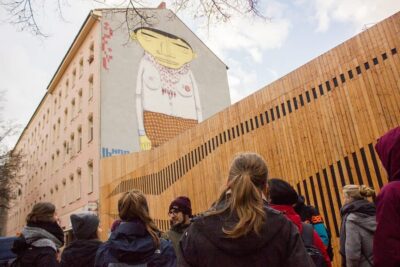
The private setup matters here. With only your own group, you can ask N. Jacob to explain a reference, spend a little longer on a subject, or move on when your energy drops. The tour is described as suitable for most people, but you should still expect steady walking and some public transport between areas.
More Alternative City Tours in Germany
- Berlin: Street Art and Alternative Tour
★ 4.7 · 98 reviews - Street Art and Alternative Tour of Berlin in French
★ 5.0 · 49 reviews - Berlin Alternative Street Art Tour
★ 4.0 · 26 reviews
Victory Column and Berlin’s LGBTQ story
The tour begins at the Victory Column, known in German as the Siegessäule. The stop lasts about 15 minutes and admission is free.
Here, the focus is Berlin’s gay parade and LGBTQ community. That makes the column more than a photo stop. You get an introduction to the city’s public culture and its long connection with LGBTQ visibility, celebration, and political expression.
I like beginning with this topic because it gives the rest of the tour a useful frame. Berlin’s alternative culture is not limited to graffiti or nightlife. It also includes questions about who can claim public space and how communities make themselves visible.
The short timing means you should expect explanation rather than a full historical lecture. If this subject matters greatly to you, use the private format to ask N. Jacob for more context.
Potsdamer Platz, from cinema to business
At Potsdamer Platz, the tour looks at Berlin as a center of culture, cinema, and business. You spend around 20 minutes here, with no admission fee.
This stop provides a sharp contrast with the alternative districts later in the route. Potsdamer Platz is associated with modern development and major urban activity, while other parts of the tour focus on improvised art spaces and old working-class streets.
The value is in seeing the city’s different faces close together. Berlin can shift from grand redevelopment to rough-edged creativity within a short journey. You will not be visiting a cinema or business interior as part of the tour, so think of this as a concise outdoor orientation stop.
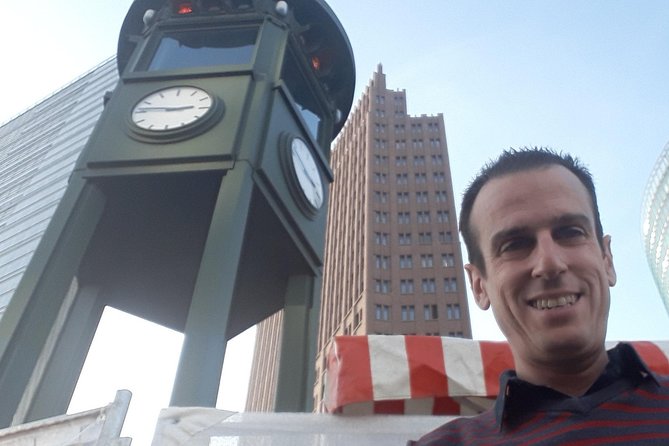
Brandenburg Gate, the Wall, and the hippies
The Brandenburg Gate receives another 20 minutes. The subjects here are the Berlin Wall and hippie culture.
The gate is one of Berlin’s essential sights, but a familiar monument can become background scenery if you only stop for a photograph. The tour gives it a wider setting by linking it to the Wall and to the city’s hippie past.
That combination is useful because it shows how Berlin’s image developed from division and political tension into a place known for personal freedom and nonconformity. You may find the contrast between the formal gate and the less formal culture around it especially revealing.
There is no admission charge, but the area can be busy. Since the tour includes several major outdoor sights, your guide’s commentary is the main reason to stop rather than simply passing through.
More Graffiti Tours in Germany
- Berlin Street Art & Graffiti Walking Tour
★ 5.0 · 109 reviews - Berlin Street Art Tour with Graffiti, Murals, and Urban Culture
★ 4.5 · 12 reviews - Private Alternative Berlin Tour -Murals, Graffiti and Squats
★ 4.8 · 5 reviews - Graffiti Workshop Berlin with professional graffiti artists
★ 4.0 · 4 reviews
Hackesche Höfe and the city after dark
At Hackesche Höfe, you spend around 20 minutes looking at renovated courtyards and nightlife.
The courtyards are important because they show another side of Berlin’s urban change. Renovation can preserve attractive architecture, but it can also alter the character of a district. The tour places this process beside the nightlife scene, giving you a way to think about how old spaces gain new uses.
I would pay attention here if you are interested in architecture, design, or the difference between Berlin’s polished and rougher districts. The stop is not an extended architectural visit, and there is no listed entry to a building. You are mainly getting a guided look at the courtyards and their role in the city.
Hackescher Markt and Berlin’s street food
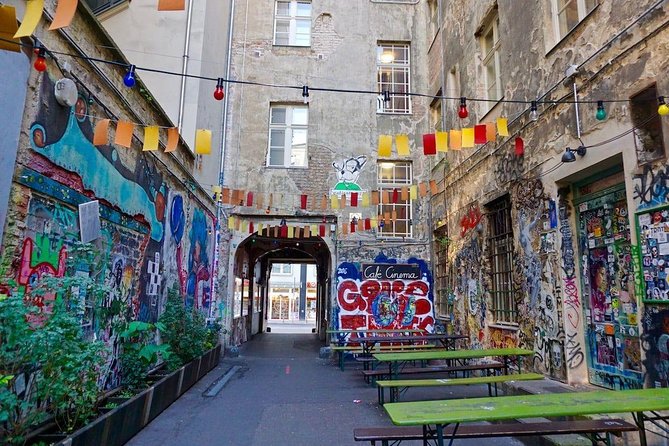
The next stop, Hackescher Markt, lasts about 20 minutes and focuses on two everyday Berlin foods: currywurst and döner kebab.
Food adds something practical to a cultural tour. It gives you an easy way to connect Berlin’s public life with daily habits. Currywurst is closely tied to Berlin’s casual food culture, while döner kebab points to the city’s immigrant influences and changing identity.
No food purchase is listed as included, so plan to pay for anything you want to eat. You can still use this stop to ask N. Jacob where these foods fit into local life, then return later for a proper meal if your schedule allows.
This is one of the tour’s strongest choices because it avoids treating culture as something found only in galleries or monuments. Sometimes a food stand explains a city better than a grand building.
Haus Schwarzenberg, Tacheles, and the Dead Chicken squats
Haus Schwarzenberg receives the longest stop, about 30 minutes. The subjects include Tacheles and the Dead Chicken squats.
This is likely the most important section for anyone booking the tour specifically for alternative Berlin. Haus Schwarzenberg is associated here with street art, independent culture, and the memory of former squat communities. The reference to Tacheles points to Berlin’s history of artist-occupied spaces, while the Dead Chicken squats add another chapter to that story.
You should expect discussion of cultural movements and places rather than a guaranteed interior visit. The supplied details do not promise entry to a squat, gallery, or private building. That distinction matters. The appeal is the explanation of what these places represented and how their ideas remain part of Berlin’s image.
The 30-minute allocation gives N. Jacob room to connect the visual art with the politics of occupying and reusing buildings. I would make this the part where you ask the most questions. It is also where the A3 guidance picture folder could help, especially if old sites or artists are difficult to identify from the street.
Warschauer Strasse and the social side of Berlin
Warschauer Strasse gets about 20 minutes and is described as a place for hanging out.
This stop shifts attention from formal landmarks to how people use the city. It is less about one monument and more about the social atmosphere of an area associated with meeting, nightlife, and free time.
That can be valuable if you want practical orientation for your own evening plans. At the same time, the tour only allocates 20 minutes here, so it should not be treated as a full nightlife experience. You are seeing and discussing the area, not receiving a club entry or an evening event.
The route’s broad subject range is clear by this point. In one tour, Berlin moves from memorials and political history to food, art, and social life.
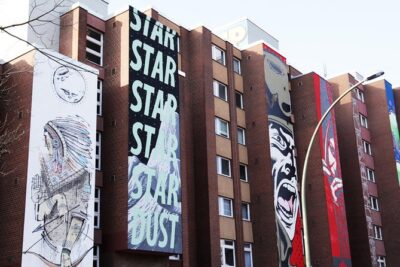
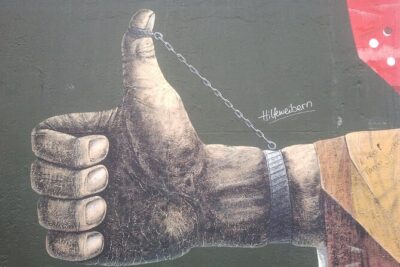
Kreuzberg’s murals and graffiti
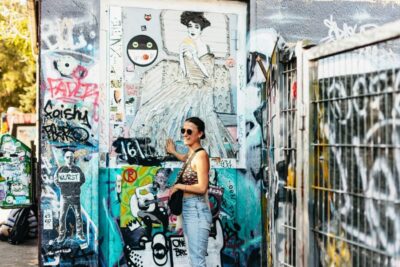
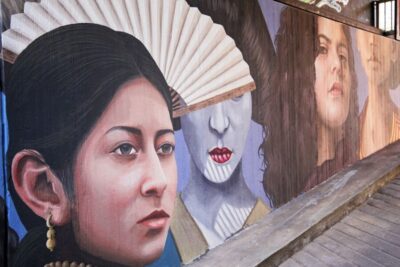
Kreuzberg is given about 10 minutes for murals and graffiti.
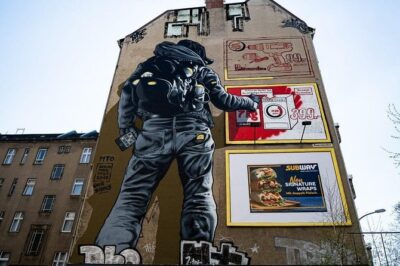
The short stop suggests a focused look rather than a full street-art walk. You might find large painted walls, smaller pieces, and changing works, but the supplied information does not identify specific artists or promise that a particular mural will still be present.
That uncertainty is normal with street art. It changes, disappears, and gets painted over. A private guide is useful because N. Jacob can explain what you are seeing in the moment instead of relying on a fixed list of works.
If graffiti is your main reason for booking, keep your expectations realistic. Ten minutes is brief. The tour offers a sample of Kreuzberg’s visual culture within a larger Berlin route, not a dedicated half-day art walk.
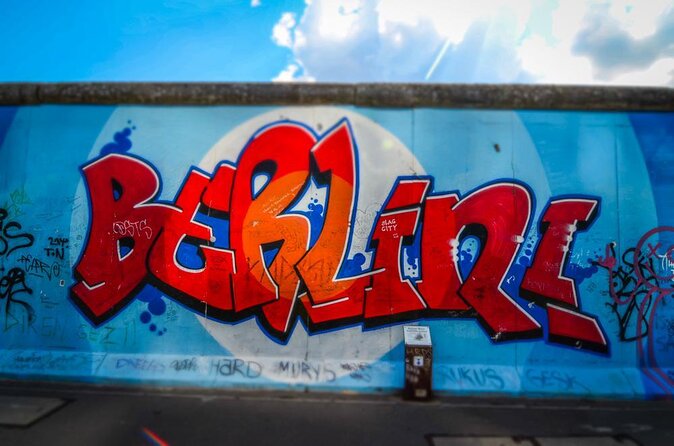
East Side Gallery and the long painted wall
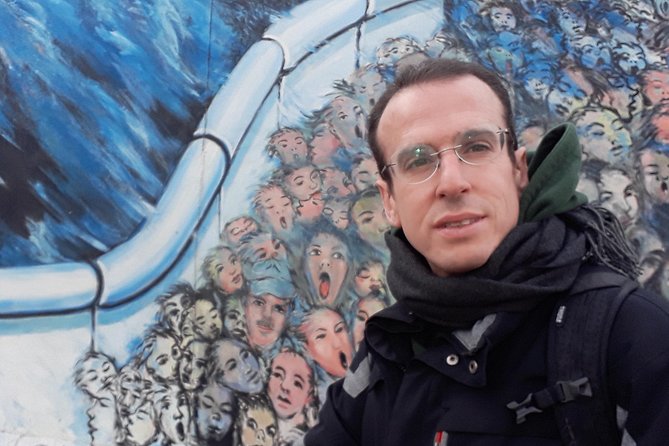
The final stop is the East Side Gallery, described as the longest gallery in the world, with about 10 minutes allotted.
This is another place where the tour connects art and political memory. The East Side Gallery uses a remaining section of the Berlin Wall as an outdoor display of painted works. Its location makes the point clearly: a barrier once built to divide the city became a surface for public expression.
Ten minutes is enough for an introduction and selected views, but not for studying the entire gallery in detail. If you want to examine many murals at a slow pace, plan a separate visit. The tour gives you context and a first look, then lets you decide if you want to return.
Ending here makes sense. The route closes with Berlin’s most recognizable blend of history and street art.
How the private format affects the experience
The tour costs $310 per group of up to 15 people. That price needs to be read carefully. It is not $310 per person, so it can offer solid value for a small private group, especially if several people share the cost.
The information also asks larger groups above six people to make contact, despite the stated maximum of 15. If your party has seven or more people, confirm the arrangement before booking. A larger group may need different planning, and the price alone does not tell you how transport or guide positioning will work.
Pickup is included from a Berlin hotel, apartment, Airbnb, train station, or airport. That is useful on your first day, when navigating an unfamiliar transit system can eat up time. A private van and driver are available only on request and are not included in the stated price.
Public transport costs an additional €3 to €11 per person for a one-time or daily ticket. Since the route covers central Berlin, Hackesche Höfe, Warschauer Strasse, Kreuzberg, and the East Side Gallery, you should budget for this rather than assuming all movement is covered.
The A3 picture folder and large subway map are small but practical extras. I especially like the subway map because it can help you continue exploring after the tour. WhatsApp availability also gives you a way to ask questions or request help during your Berlin visit, though the details do not specify the hours or exact limits of that support.
Who will get the most from this tour
I would choose this experience if you want Berlin explained through its alternative culture rather than only through royal buildings and famous monuments. It suits active visitors who enjoy walking, outdoor stops, public art, social history, and street food.
It is also a strong choice for a group with mixed interests. One person can ask about the Wall, another about graffiti, another about LGBTQ culture, and another about nightlife or food. The private setup makes those different questions easier to handle.
You may want a different experience if you prefer museums, formal art collections, or long indoor visits. The tour’s strength is its range, but the tradeoff is that most stops are brief. You see many places, yet you will not study each one at length.
The guide matters a lot here. One published comment gives N. Jacob particular praise for showing local artist works and explaining Second World War memorials. That combination is a useful clue about the tour’s tone: visual, personal, and connected to Berlin’s difficult past.
Booking details and cancellation
Confirmation is provided when you book, and you should give your preferred start time. Service animals are allowed, the route is near public transportation, and most people can participate.
Free cancellation is available if you cancel at least 24 hours before the start time. Changes or cancellations made less than 24 hours before the start are not accepted for a refund. The cut-off follows local Berlin time, so check the clock carefully if you are booking from another country.
Should you book Alternative Berlin with Jacob?
Book it if you want a private, active introduction to Berlin’s graffiti, squats, LGBTQ culture, street food, nightlife districts, and Wall history. The combination of pickup, a local guide, and a route that reaches both major sights and less formal cultural spaces gives the tour real practical value.
I would book it especially for a first or second Berlin visit, when you want orientation plus ideas for later exploring. Keep extra time for the East Side Gallery and Kreuzberg if you want to look closely, and budget separately for public transport and food.
Skip it if you want a slow museum day or a deep study of one neighborhood. For everyone else, the broad route and private access make this a lively way to see how Berlin’s alternative identity developed, and how much of it remains visible in the streets.
FAQ
Where does the tour start?
The tour starts in Berlin, Germany, with pickup offered from a hotel, apartment, Airbnb, train station, or airport in Berlin.
How long does the tour last?
The experience lasts approximately two hours and 45 minutes.
How much does the private tour cost?
The listed price is $310 per group of up to 15 people. Groups larger than six should make contact about the booking.
Is public transportation included?
No. Public transport costs an additional €3 to €11 per person for a one-time or daily ticket.
Is a private van and driver included?
No. A private van and driver can be arranged on request, but this service is not included in the listed price.
Is the tour suitable for most people?
Yes. Most people can participate, the route is near public transportation, and service animals are allowed.
Can I cancel for a full refund?
Yes, if you cancel at least 24 hours before the experience start time. Cancellations or changes made less than 24 hours before the start are not accepted for a refund.
More Graffiti Tours in Berlin
- Open graffiti workshop in the Mauerpark in Berlin
★ 5.0 · 2 reviews - Mega Street Art, Mural, Graffiti Private Tour
★ 5.0 · 2 reviews - Berlin Graffiti Workshop For Groups & Team-Buildings
★ 5.0 · 2 reviews - Medellin: Comuna 13 Graffiti Tour, Cable Car & Street Food
★ 4.8 · 9,046 reviews
More Private Mural Tours in Germany
- Berlin: Private Kreuzberg Street Art Walking Tour
★ 4.8 · 57 reviews - Berlin Private Street Art Tour – Off The Grid
★ 5.0 · 9 reviews - Alternative Berlin / Street art tour – Private group
★ 5.0 · 6 reviews - Street Art Workshop & Tour – Private Group
★ 5.0 · 2 reviews
Just added around Berlin
- Graffiti Workshop Berlin with professional graffiti artists★ 4.0 · 4 reviews
- Alternative Berlin & Street Art Tour★ 4.5 · 14 reviews
- Open graffiti workshop in the Mauerpark in Berlin★ 5.0 · 2 reviews
- Private Alternative Berlin Tour -Murals, Graffiti and Squats★ 4.8 · 5 reviews
- Street Art Workshop & Tour – Private Group★ 5.0 · 2 reviews
- Street Art & Berlin Gay, Queer, Trans History + Free Gay Map★ 4.9 · 15 reviews
- Berlin : Private Street Art Walking Tour (Private Tour)★ 5.0 · 2 reviews
- Mega Street Art, Mural, Graffiti Private Tour★ 5.0 · 2 reviews
Berlin Mural Tours, compared.

East Meets West: Berlin Food Culture & Street Art
Read our review →