
REVIEW · LISBON MURAL TOURS
Lisbon: Street Art Tuk Tuk Tour
Lisbon’s walls tell a different story. This private tuk tuk ride takes you beyond the usual center to Marvila, where huge murals by Portuguese and international artists share space with convents, palaces, old factories, workers’ homes, and urban gardens. I like the easy mix of art and local history, and I like that guides such as Tiago, Mario, Frederico, and Raquel bring their own warmth and opinions to the ride. The main drawback is a practical one: the tuk tuk can be bumpy, and this is not a good choice for people with back problems, pregnant women, wheelchair users, or children under five.
I especially like the way the tour uses street art as a doorway into Lisbon’s social story. You are not just stopping for photographs of colorful walls. You hear about neighborhood change, housing, Portuguese culture, and how public art can help bring attention to areas once overlooked. The views toward the Tejo add a fine reward from the hilltop stops.
The private format also gives you room to ask questions and shape the outing around your interests. A two-hour trip gives you a sharp look at the main works, while four hours allows more time for photographs and wider city context. At $165 per group of up to two, it is not a cheap ride, but it can make sense if you value personal guiding and want to reach places that are awkward to find on foot.
Key points to know before you book
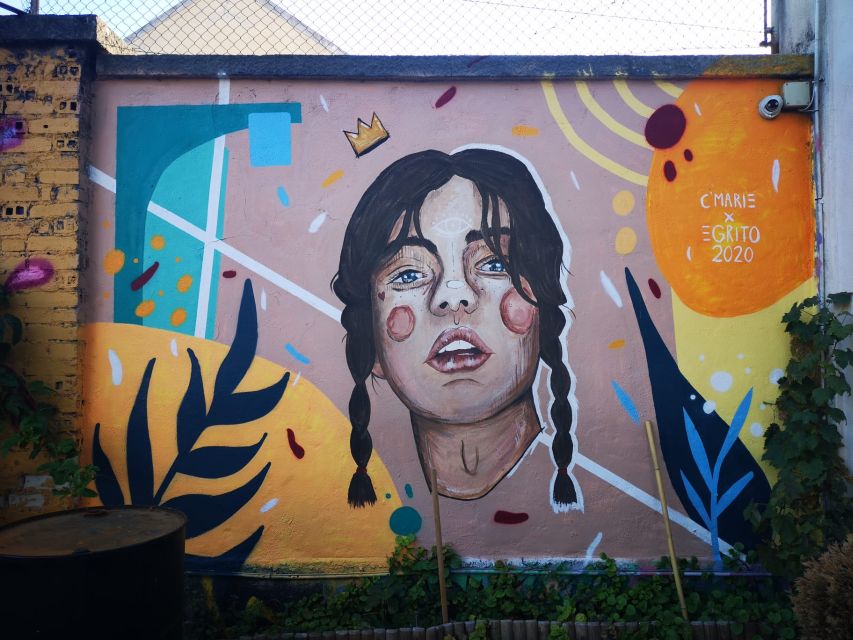
- Marvila is the main event: You see an open-air gallery with about 15 large murals spread across buildings on a hill.
- Art comes with context: Guides connect the paintings with Lisbon’s neighborhoods, housing issues, culture, and changing identity.
- The tuk tuk saves time: Street art is spread across several areas, so the vehicle lets you cover much more ground than walking.
- Old and new share the route: Expect 17th and 18th-century convents and palaces beside art deco warehouses, workers’ vilas, and vegetable gardens.
- Choose your tour length carefully: Two hours works for a focused introduction, while four hours gives you a broader outing and more time outside the vehicle.
Why Marvila makes a better art stop than the city center
Lisbon’s postcard districts are full of tiled facades, steep lanes, and famous viewpoints. They are worth seeing, but they do not show the whole city. Marvila offers a different kind of Lisbon, one where large-scale public art sits among working neighborhoods and older industrial buildings.
The walls here function like a changing outdoor gallery. The works celebrate graffiti, mural painting, and Ibero-American culture, with pieces by artists from Portugal and abroad. The art is not confined to one formal museum or a single painted alley. You move from wall to wall, often turning a corner to find another layer of the area.
That setting matters. A mural beside an old warehouse feels different from a painting displayed inside a gallery. You can see the marks of weather, nearby homes, traffic, and daily life around it. I like that this tour asks you to look at the art in its neighborhood, not as a collection of isolated photographs.
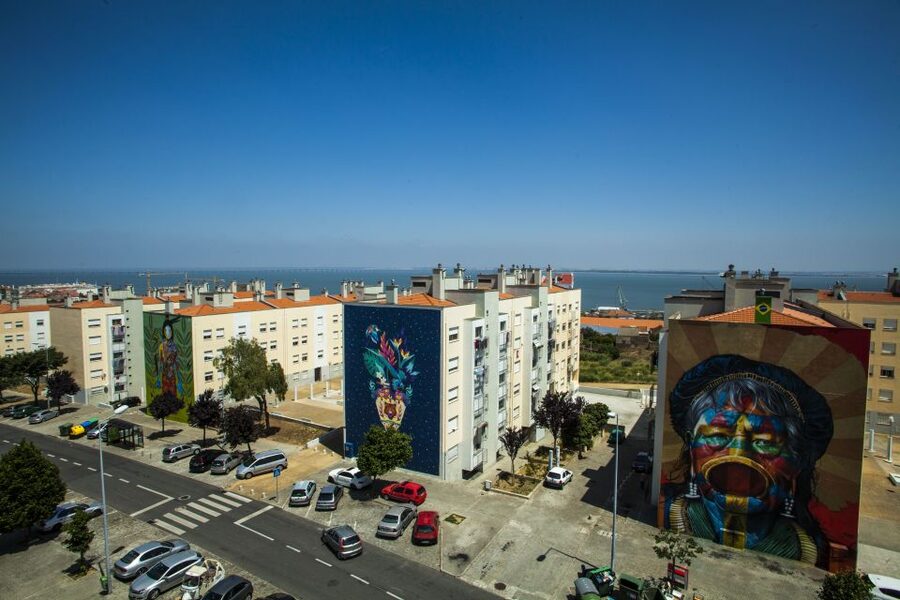
The hilltop works are a particular highlight. About 15 large pieces cover buildings at higher ground, giving you a strong view over the Tejo in the distance. The combination of scale and elevation makes these stops especially good for photographs, though the best viewing point can depend on traffic, access, and how long your guide pauses.
More Mural Tours by Tuk-Tuk and Taxi in Lisbon:
- Lisbon: 3-Hour Street Art Tuk Tuk Tour
★ 4.8 · 86 reviews - Lisbon Street Art – Private Guided Tour in a Electric Tuk Tuk
★ 5.0 · 72 reviews - Mon Ami Maravilha – Lisbon Street Art Private Tuk Tuk Tour
★ 5.0 · 42 reviews
What the tuk tuk changes
Lisbon is hilly, and the street art is scattered across more than one neighborhood. A walking tour would require a great deal of time between pieces, while a standard car would make short stops less natural. The tuk tuk offers a useful middle ground: you ride between locations, then get out when a wall deserves a closer look.
The vehicle also keeps the day moving. Guides have time to show you more than the art immediately around one central district. You might see a large mural, hear about the artist, then roll onward to a former industrial area or an older residential quarter.
This is not a smooth limousine ride. One direct warning is worth repeating: the ride can be bumpy. If your back is sensitive, the open-air vehicle may be uncomfortable. The experience is also unsuitable for wheelchair users, pregnant women, and children under five.
The payoff is access and atmosphere. You are close to the streets, rather than sealed inside a vehicle, and you can get out for photos. Several guides are praised for making time to let people study the paintings and take pictures, rather than treating each stop as a quick drive-by.
A likely route through Lisbon’s changing neighborhoods
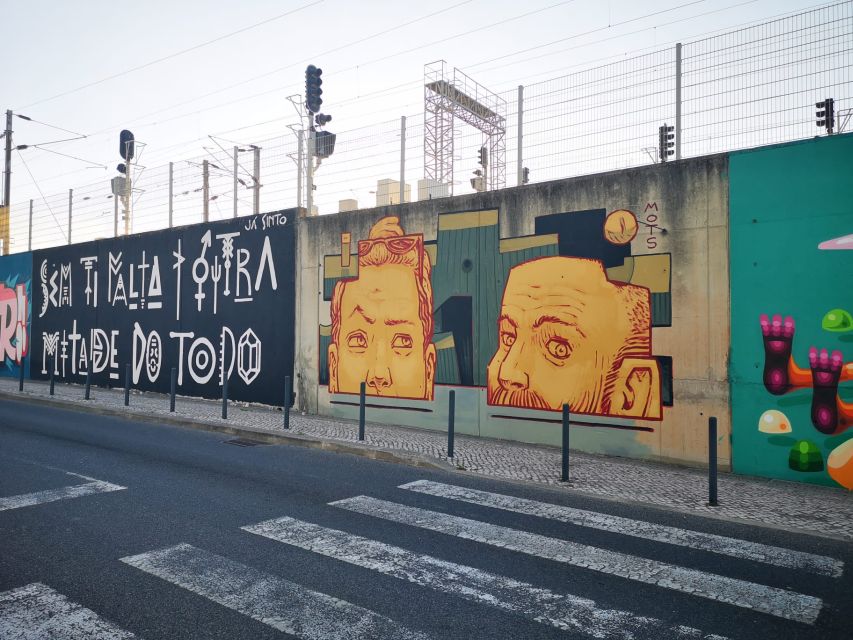
The exact order can vary, but the tour is built around Marvila and nearby areas where public art sits alongside older buildings. Your guide introduces the works, points out artists and techniques, and explains what the district says about Lisbon today.
The large murals on the hill
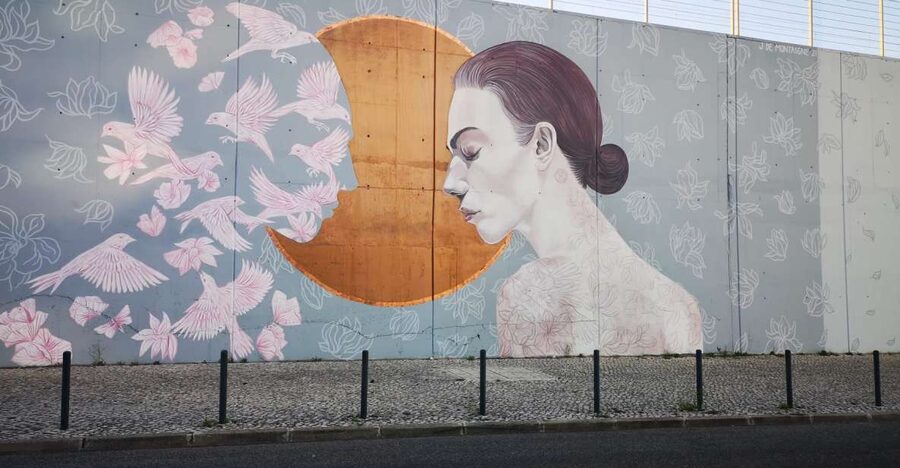
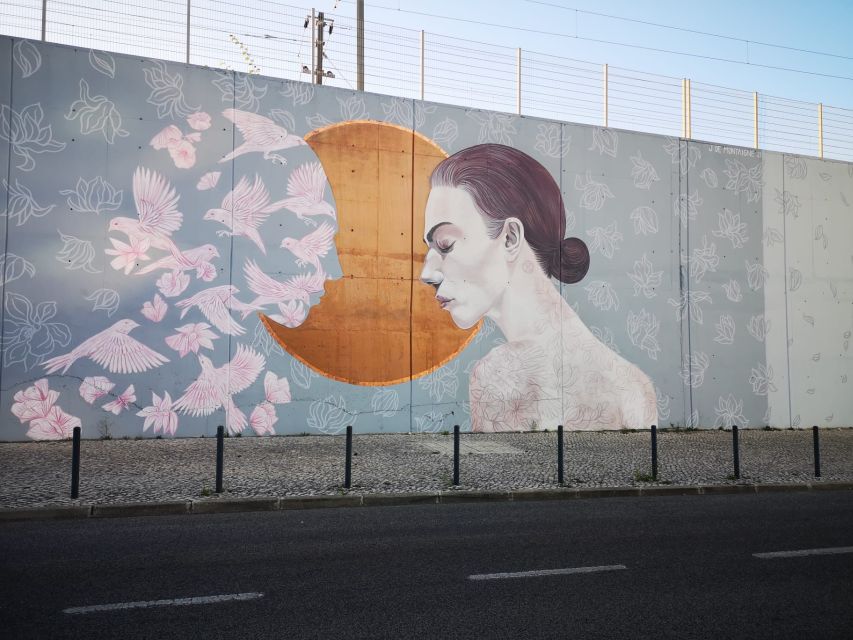
The largest pieces are the natural centerpiece. Buildings become enormous canvases, with roughly 15 major works visible across the hillside. This is the part of the tour most likely to satisfy serious street art fans, particularly if you already know artists such as Vhils, Bordalo II, Okuda San Miguel, Shepard Fairey, Pichiavo, Daniel Eime, OzeArv, Isa Silva, or Jaqueline de Montaigne.
The supplied information does not promise that every artist will appear on every departure, so I would treat those names as examples of the wider art scene rather than a fixed checklist. Your guide can explain the work in front of you and point out how the pieces differ in style, scale, and message.
This stop is also about the view. From the hill, the Tejo sits beyond the buildings, giving you a sense of Lisbon’s position and spread. You are not only looking at a painted wall. You are seeing how art has become part of a broader neighborhood setting.
More Tuk-Tuk Rides in Lisbon:
- Lisbon: Street Art TukTuk Tour
★ 4.8 · 37 reviews - Private Tuk Tuk of the Old Town Lisbon and Street Art Highlights
★ 5.0 · 20 reviews - Street Art – Tuk Tuk Tour
★ 5.0 · 17 reviews - Lisbon Street Art – Private Tuk Tuk Tour with pickup
★ 5.0 · 17 reviews
Convents and palaces from the 17th and 18th centuries
The route is not only about new paint. Along the way, you encounter convents and palaces dating from the 17th and 18th centuries. These older structures give the tour some useful contrast.
Street art can seem temporary and fast-moving. A convent or palace suggests a much longer timeline. Placing the two together helps you read Lisbon as a city that keeps adding new layers rather than replacing every old one.
Do not book this expecting a full interior visit. Entrance fees to museums and monuments are not included, and the experience focuses on viewing the city from the tuk tuk and on foot at selected stops. Still, the outside views add welcome depth to an outing that might otherwise become a sequence of murals.
Art deco warehouses and factory workers’ vilas
Marvila’s industrial past is another reason to choose this route. You see art deco warehouses and buildings, along with vilas built for factory workers. These details show how work, housing, and transport once shaped the neighborhood.
The workers’ vilas are especially useful to notice because they make the district feel lived in rather than arranged for sightseeing. They offer a glimpse of the practical side of Lisbon’s past, while the warehouses connect the area to production and trade.
Your guide’s explanation matters here. Without context, an old building can look like background scenery. With a good guide, it becomes part of the story of how Lisbon grew and how some districts are now changing.
Urban gardens and everyday Lisbon
Urban vegetable gardens add one more surprise. They are a reminder that even in a large capital, small pockets of cultivation can survive among homes, walls, and industrial structures.
I like this part of the outing because it breaks up the visual rhythm. You are not simply moving from one spectacular mural to another. You are seeing ordinary spaces, useful spaces, and spaces that help explain local life.
The tour’s strongest quality is this range. In a few hours, you can move from international art to historic architecture, from old factory housing to community gardens. That makes the experience useful even if you are only moderately interested in graffiti.
The guides are a major part of the value
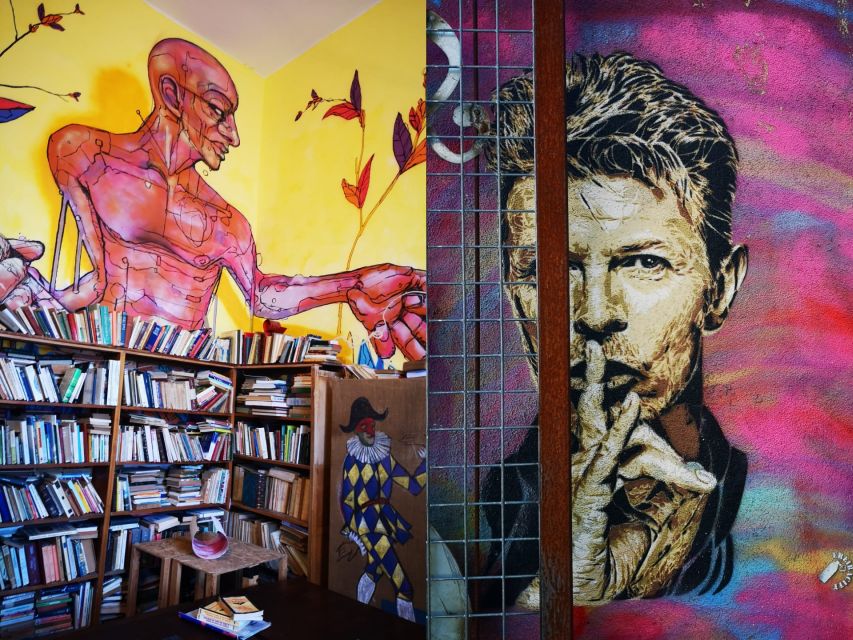
The experience is only as good as the person driving and explaining it. Fortunately, the guide team receives repeated praise for warmth, humor, flexibility, and passion for Lisbon.
Tiago is often singled out for his enthusiasm and for explaining street art alongside housing, economic issues, and the city’s changing neighborhoods. He is also noted for adjusting the outing to the interests of the group. Mario is described as friendly, energetic, and deeply familiar with the city, with a talent for making the ride feel personal.
Frederico is another strong choice for visitors who want more historical background. He has been praised for giving people time to photograph the art, driving carefully, and adding information about both the artists and the districts. Raquel is appreciated for combining art with Portuguese history and everyday life.
Other named guides include Nuno, Flavio, Raphael, and Mário. The guide you receive may depend on availability, so you should not assume a particular person unless the booking process confirms it. The consistent pattern is more important: the outing depends heavily on a guide who can explain why the art matters, not merely point at it.
The private format helps. You can ask about a particular artist, request more time at a favorite wall, or explain that you want more history and less art criticism. One guide even helped a group with restaurant advice after the ride, which shows how the local connection can continue beyond the formal route.
Two hours or four hours?
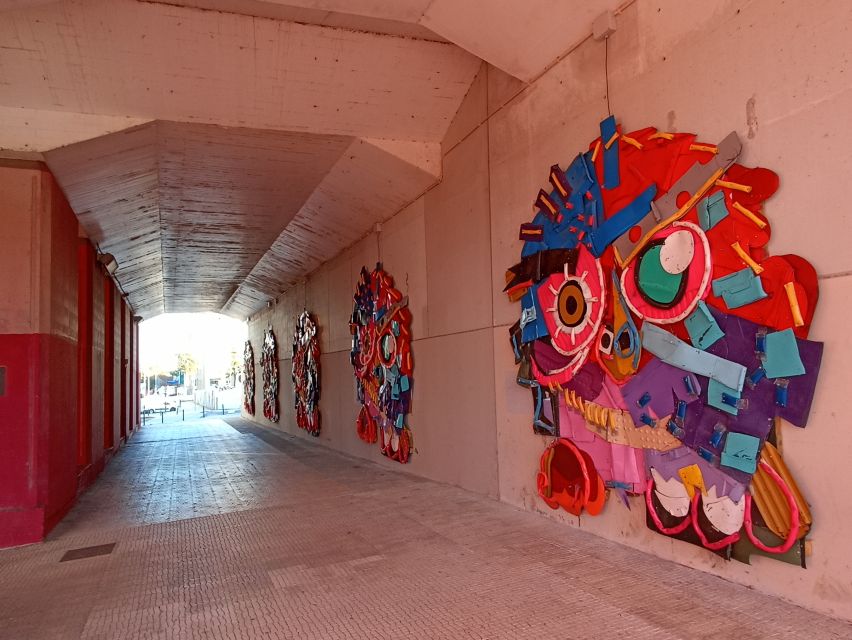
The two-hour option is the sensible choice if you want a focused introduction or have a packed Lisbon schedule. It should give you the main Marvila art experience, several major works, neighborhood views, and a taste of the historical setting.
Two hours can pass quickly because the tour covers a lot of ground. If street art is one of your main interests, you may wish you had more time to stop, photograph, and ask questions. It works best early in your Lisbon stay, when you want a broad orientation beyond the center.
The four-hour outing suits people who want the art and the city story in equal measure. You have more time for the scattered murals, older buildings, viewpoints, and stops outside the tuk tuk. Families with older children and teenagers may particularly appreciate the longer format if they enjoy visual art and city exploration.
At $165 per group of up to two, the price is easier to justify for a private couple than for a solo visitor. It also becomes better value if you use the guide as a source of wider Lisbon advice, not just as a driver between murals. Food, drinks, museum admissions, and monument entrance fees are extra.
Who will enjoy this most?
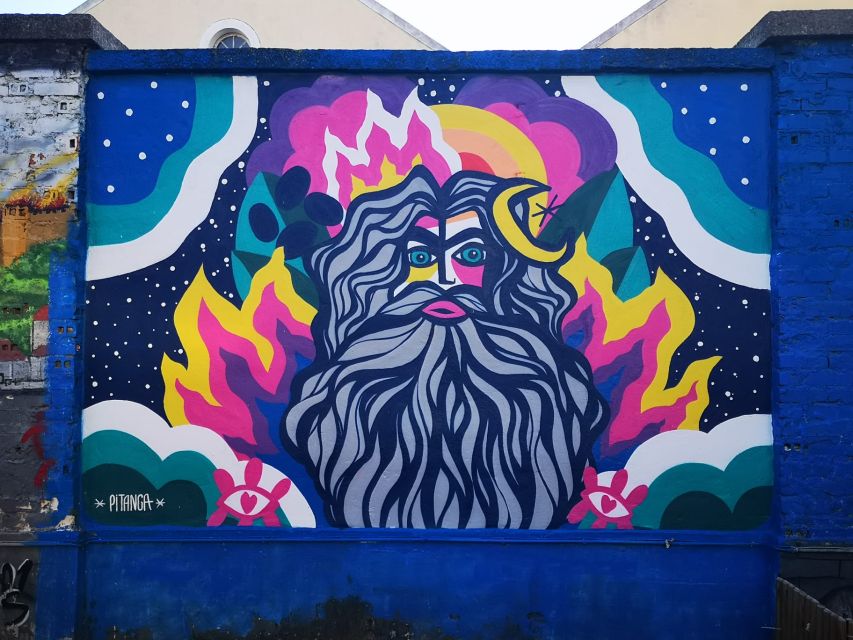
I would choose this tour if you have already seen Lisbon’s central sights and want another side of the city. It is also a smart first-day activity for anyone who likes to get oriented through neighborhoods rather than monuments alone.
Street art fans will get the clearest benefit. You see works that are unlikely to appear on a standard walking route, and the vehicle makes it possible to cover several areas without exhausting yourself on Lisbon’s hills.
It also suits curious visitors who are not art specialists. The guides connect the murals to Portuguese culture, neighborhood change, housing, and the city’s past. You do not need to know the difference between every style before you go.
I would hesitate if you want a quiet, smooth ride or a formal museum-style lecture. The tuk tuk is exposed and sometimes jolting. The route is about seeing places and talking with a local guide, not entering a string of monuments.
Pickup is available only from locations within Lisbon’s city center. If your accommodation is too far away and the transfer would cut into the tour, you may be asked to meet at a suitable central point. Confirm that detail before booking.
Practical advice for a better ride
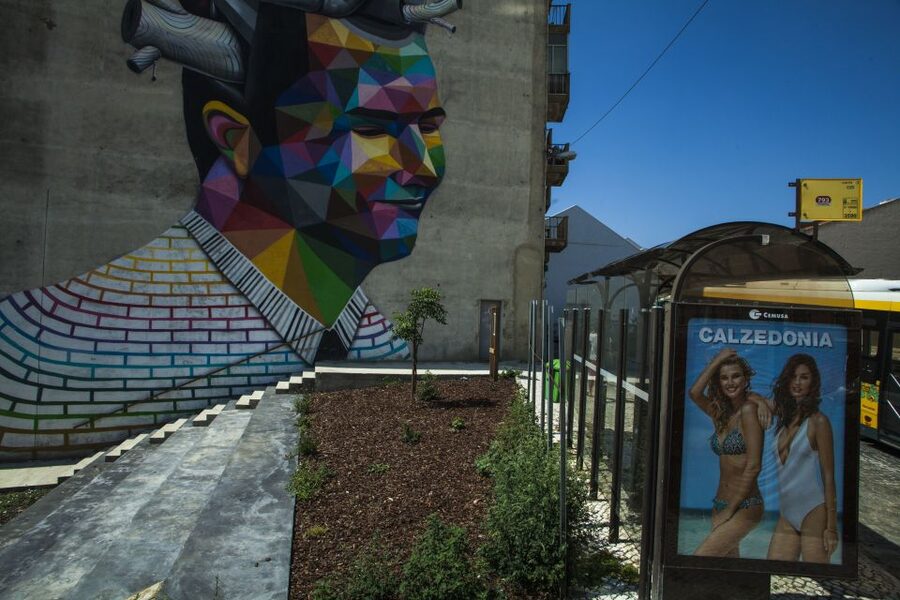
Wear comfortable clothes and shoes because you may get out to view and photograph the art. Bring a camera or phone with enough storage, since the large walls and hilltop views create many photo opportunities.
If you have limited time, choose the two-hour option and tell your guide what matters most. If you want a wider look at Lisbon’s old industrial districts and time to linger, choose four hours.
The tour is offered in English, Portuguese, and Spanish. It is a private group experience, so use that setting well. Ask about the artists, the buildings, the neighborhood changes, or places to eat afterward.
The cancellation policy is friendly: you can cancel up to 24 hours ahead for a full refund. You can also reserve and pay later, which helps if your Lisbon schedule is still shifting.
Should you book the Lisbon Street Art Tuk Tuk Tour?
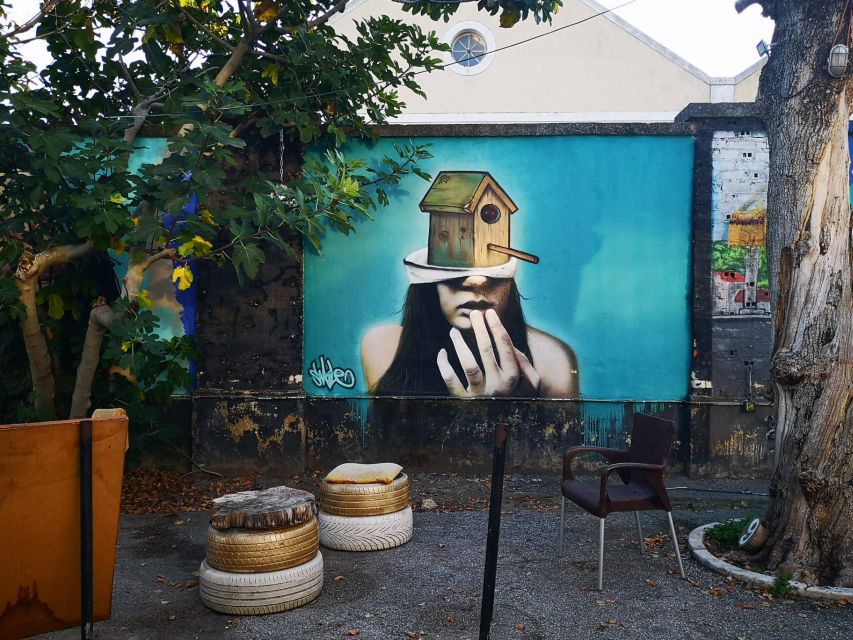
Book it if you want public art with local context, not just a quick collection of mural photos. The best parts are the Marvila hilltop works, the Tejo views, the mix of old and new buildings, and guides such as Tiago, Mario, and Frederico who bring real feeling to the subject.
Choose four hours if this is a main interest. Choose two if you want a compact introduction. At $165 for up to two people, it is a premium outing, but the private guide, transport across scattered neighborhoods, and access to places you might not find alone can make the cost worthwhile.
Skip it if you need a smooth ride, step-free access, or a child-friendly activity for very young children. For everyone else, this is a thoughtful way to see Lisbon beyond the postcard center, with paint on the walls and plenty of city life around it.
FAQ
Where does the Lisbon Street Art Tuk Tuk Tour take place?
The tour takes place in the Lisbon District, with a main focus on Marvila and nearby neighborhoods containing major street art, historic buildings, industrial structures, workers’ vilas, and urban gardens.
How long does the tour last?
The available duration is between two and four hours. Starting times depend on availability.
How much does the tour cost?
The price is $165 per group of up to two people.
Is the tour private?
Yes. The experience is offered as a private group tour.
What languages are available?
The live guide service is available in English, Portuguese, and Spanish.
Is hotel pickup included?
Pickup is offered for locations within Lisbon’s city center. If your location is too far away, you may be contacted and asked to meet at a suitable point.
What is included in the price?
The price includes a driver guide and transportation in a tuk tuk.
Are museum or monument entrance fees included?
No. Entrance fees to museums and monuments are not included.
Is food or drink included?
No. Food and drink are not included.
Who should not take this tour?
The activity is not suitable for children under five, people with back problems, wheelchair users, or pregnant women.
Just added around Lisbon
- Street Art – Tuk Tuk Tour★ 5.0 · 17 reviews
- Street Art Tour by Tuk Tuk Joy★ 5.0 · 2 reviews
- Lisbon Street Art and Lookout Point Tour★ 5.0 · 17 reviews
- Lisbon Street Art Walk★ 5.0 · 17 reviews
- Street Art at Lisbon★ 5.0 · 2 reviews
- Private Tuk Tuk of the Old Town Lisbon and Street Art Highlights★ 5.0 · 20 reviews
- Discover Lisbon’s Best Street Art★ 5.0 · 6 reviews
- Lisbon Street Art – Private Tuk Tuk Tour with pickup★ 5.0 · 17 reviews
Lisbon Mural Tours, compared.

3-Hour Guided Street Art Walking Tour of Lisbon
Read our review →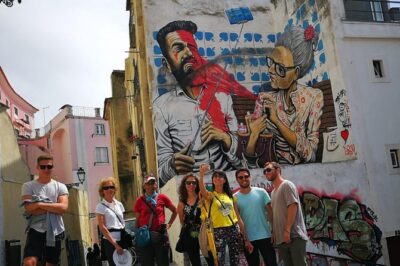



Lisbon Street Art – Private Guided Tour in a Electric Tuk Tuk
Read our review →Browse the lists this tour appears in