
REVIEW · BERLIN MURAL TOURS
East Meets West: Berlin Food Culture & Street Art
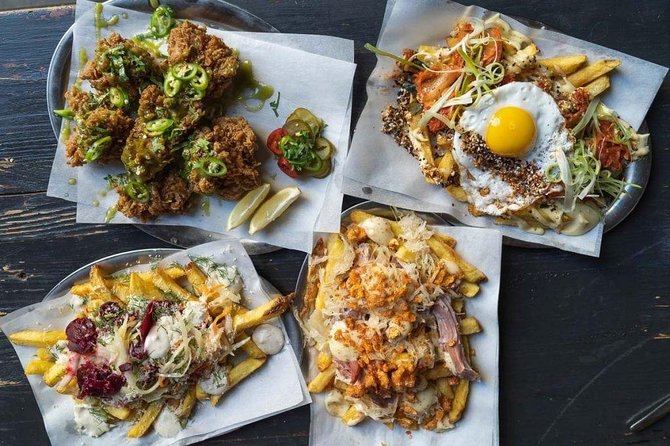
Berlin eats its history. This small-group walk links street food and street art with stories of Friedrichshain, the Berlin Wall, and Kreuzberg. I like the broad menu, from Berlin schnitzel and currywurst to Turkish, Ukrainian, and vegan treats. I also like the group size, capped at eight, which gives you room to ask questions.
The main drawback is the price: $169.38 per person is a serious spend for a three-and-a-half-hour walk. The food is plentiful, and the guides can be excellent, but one less impressed participant found the stops fairly inexpensive and wanted more sightseeing beyond East Side Gallery and the bridge into former West Berlin.
Key points to know before booking
- Six local tastings and drinks cover German, Turkish, Ukrainian, and vegan Berlin.
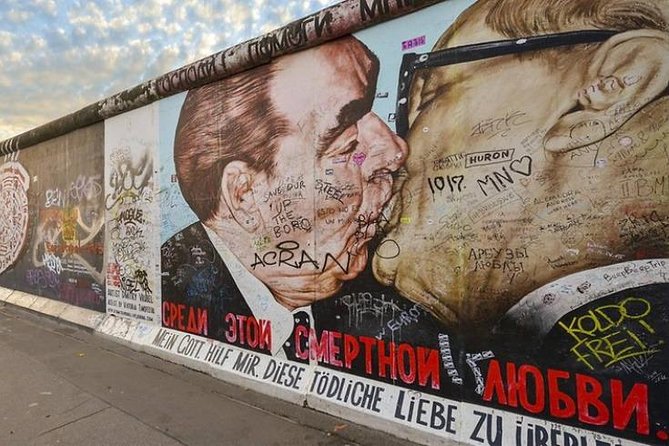
- East Side Gallery provides the clearest Berlin Wall stop, with time to see political murals on the surviving wall.
- Friedrichshain and Kreuzberg give you two contrasting former sides of the divided city.
- Guides such as Lee, Elena, Tiago, and Will have received especially warm praise for history and food knowledge.
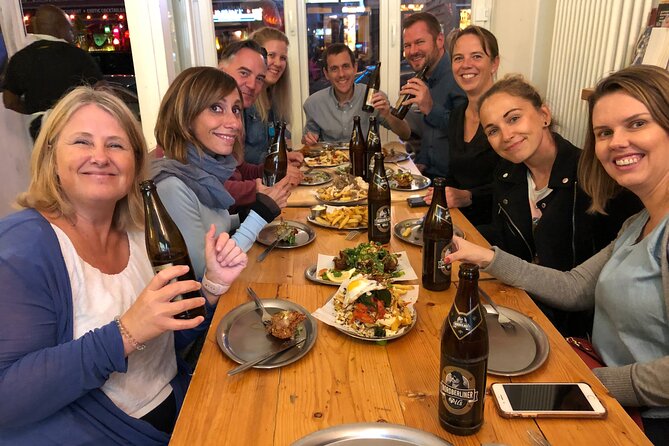
- A group of no more than eight makes conversation easier than on a large coach tour.
- Come hungry, since the portions can add up to a full meal and perhaps leave little need for dinner.
Starting in Friedrichshain at noon
The tour begins at Industriepalast Hostel on Warschauer Strasse at noon. That puts you in Friedrichshain, a former East Berlin district now known for creative culture, bars, street art, and an independent food scene.
This is a useful starting point because the tour does not treat Berlin as a collection of disconnected attractions. You begin with a neighborhood shaped by the Communist era, then move toward the former border between East and West Berlin. The food gives the history a practical edge. Instead of only hearing about migration, political change, or urban renewal, you taste how those forces affect what people eat today.
The exact meeting time and place can change with the season, so check the operator’s email before you set out. You will need to arrange your own BVG transport ticket. The tour finishes near U Kottbusser Tor, served by the U1 and U8 lines, which makes it easy to continue exploring Kreuzberg or return to another part of Berlin.
More Food and Drink Tours in Berlin:
- Medellin: Comuna 13 Graffiti Tour, Cable Car & Street Food
★ 4.8 · 9,046 reviews - Naples: Spanish Quarters Folk Street Art w/ Sweets Tasting
★ 4.9 · 788 reviews - Cancun Street Food Tour with Food Stalls, Local Market and Murals
★ 5.0 · 723 reviews
East Side Gallery and the former Wall
The first major stop is East Side Gallery, where you can touch a surviving section of the Berlin Wall and see political murals painted on its longest remaining stretch. The visit is scheduled for about 20 minutes, so expect a focused look rather than a long museum-style lesson.
This part matters because the wall is not only a Cold War relic. Its painted surface became a public record of political hope, protest, and the changing meaning of the city. The guide connects the art to the former border and explains how East and West Berlin were divided.
You should set your expectations correctly. If you want a detailed tour of every mural or an extended visit to a Berlin Wall memorial, this stop may feel brief. The experience uses the gallery as a doorway into the rest of the walk, not as its entire subject.
From there, the group crosses toward former West Berlin. The walk over the bridge helps you picture how sharply the city was once divided, even though the modern city now feels connected. The contrast between the old political boundary and today’s easy movement is one of the tour’s strongest themes.
Kreuzberg, where migration shapes the menu
Kreuzberg is the tour’s main food and culture district. It is known for bars, new restaurants, street art, and a large Turkish community. The guide explains how Turkish residents helped rebuild and reshape the area during the 1980s and 1990s.
That context gives the tastings more meaning. You are not simply sampling international food in a fashionable neighborhood. You are seeing how migration became part of Berlin’s everyday identity, from small eateries to the wider character of the streets.
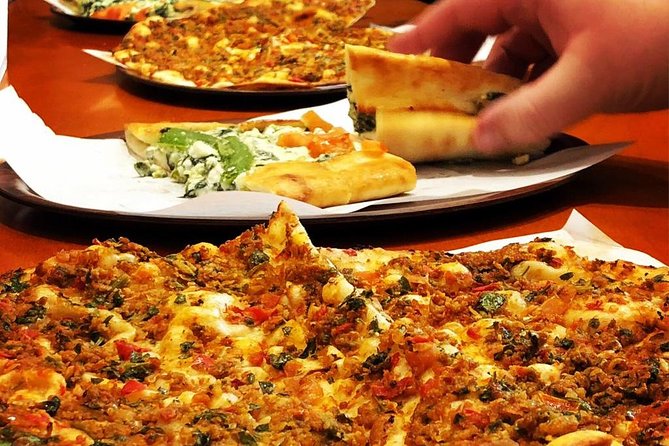
The tour describes part of Kreuzberg as Little Istanbul, reflecting Berlin’s large Turkish population. At Leylak, you taste Anatolian-style street food. This is one of the most useful food stops because it connects a specific cuisine with the people and communities that helped make Kreuzberg what it is.
The scheduled 20-minute stop is short, but that is part of the format. You get a taste and some explanation, then keep moving. If you prefer to sit down for a long meal at every restaurant, this will feel rushed. If you like variety and want several samples in one afternoon, the pace works better.
Schnitzel, currywurst, and the German stops
At Scheers Schnitzel, you get a Berlin-style serving from a local institution. Schnitzel may sound familiar, but this stop gives you a chance to try a city favorite in the setting where Berlin’s casual food culture makes sense: direct, filling, and not overly formal.
The stop lasts about 15 minutes. That means you should expect a tasting rather than a full restaurant meal. It also explains why you should avoid a large lunch before the tour. The food arrives in stages, and even small portions can become substantial by the end.
Ketels Curry introduces the story of currywurst, one of Berlin’s signature foods. The tour focuses not just on the sausage and sauce, but on the story behind the dish and how it changed the city’s food habits. This is the kind of local detail that can easily be missed if you only visit major sights.
The food itself may not surprise every palate. Currywurst and schnitzel are simple foods, and the appeal comes partly from their place in Berlin life. I would book this tour for the story and setting as much as for culinary refinement.
More Food Tours in Berlin:
- 3-Hour Atlanta Beltline Food, Street Art and History Tour
★ 5.0 · 345 reviews - Arts District Eats: Food, Art & Culture Walking Tour in Las Vegas
★ 5.0 · 191 reviews - Naples: Street Art, Wine and Food Tasting Walking Tour
★ 5.0 · 163 reviews - 2-Hour Food, History and Street Art Tour of Ponce City Market
★ 5.0 · 159 reviews
Street art beyond the gallery
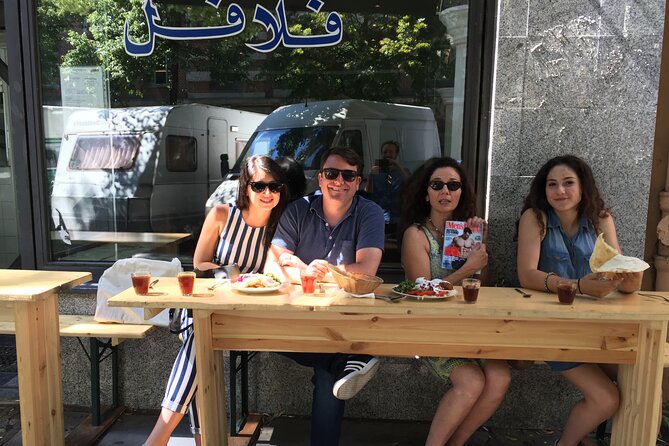
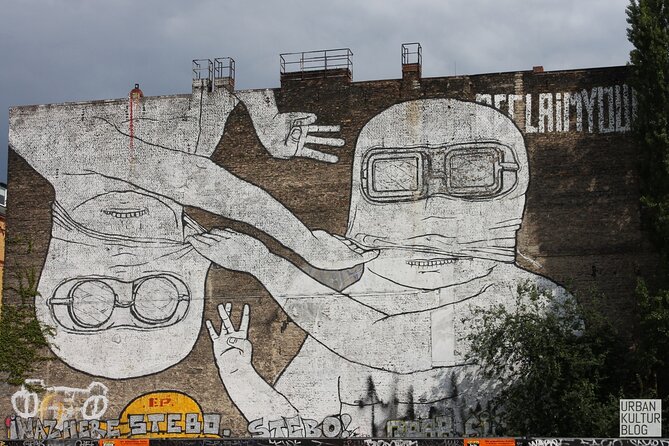
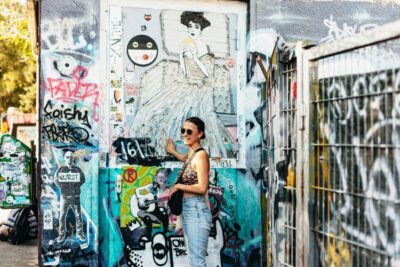
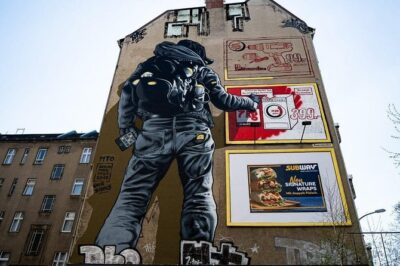
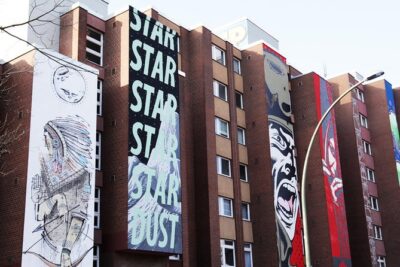
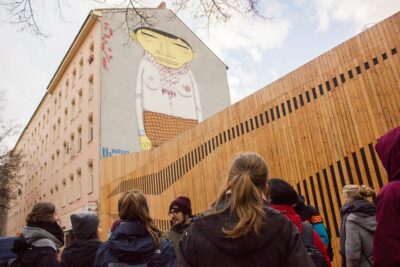
Berlin’s street art receives its own stop in Kreuzberg. You visit a major mural and hear how art reflects the city’s past, present, and possible future.
The tour’s art coverage is compact. You will not spend hours touring every painted wall in the district, and the schedule gives this stop about 15 minutes. Still, it adds an important visual layer to the food walk. The murals help explain why Berlin attracts artists and why formerly divided neighborhoods became a home for alternative culture.
Guides have a lot of room to shape this section. Lee has been praised for taking the group to unusual places and explaining both the food and the area. Elena has also received strong praise for connecting Berlin’s people, culture, and neighborhoods. Tiago and Will were singled out for clear explanations of local history and for keeping the group engaged.
The guide matters here because street art can become a quick photo stop without context. A good explanation turns a painted wall into part of the city’s political and social story.
Ukrainian food and a changing Berlin
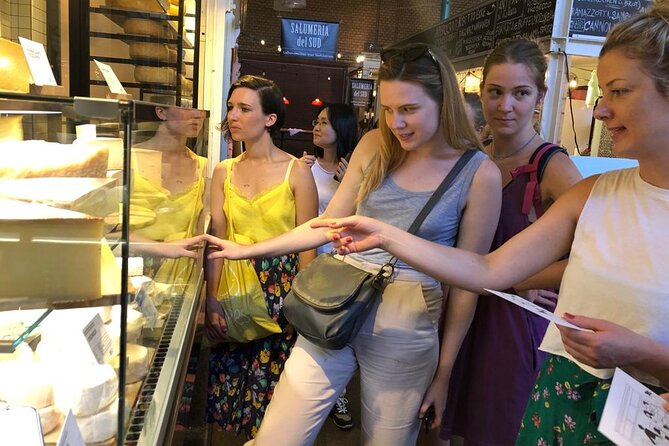
Slava Berlin introduces modern Ukrainian food in an immigrant women-led restaurant. This is one of the more distinctive tastings on the route because it shows Berlin’s food culture as something still changing, not merely a collection of old regional specialties.
The stop lasts around 20 minutes and includes a tasting. The focus is on the modern Ukrainian story in Berlin, so you get both food and a look at how newer immigrant communities contribute to the city.
This stop also broadens the tour beyond the better-known German and Turkish influences. One participant described tasting German, Ukrainian, Turkish, and Chinese food in the same afternoon. The precise selection can vary, but the larger point is clear: you are sampling several parts of Berlin’s current food culture rather than following a strictly German menu.
Markthalle Neun and independent food culture
Markthalle Neun occupies a refurbished market hall dating from the early 1900s. The building survived wartime destruction and later commercial pressures, and it now serves as a major meeting place for independent food producers, cooks, and drink makers.
You spend about 30 minutes here, longer than at most individual tastings. That gives you time to understand why the market matters. It is not simply a pretty indoor food hall. Its events connect Berlin food businesses with producers from the surrounding region and help keep small-scale food culture visible.
The schedule and vendors can change, so do not expect a fixed menu at every visit. The market is part of the city’s food network, not a staged historic attraction. That makes it more interesting, though less predictable.
Markthalle Neun can also be busy, depending on the day and event calendar. Since the tour group is limited to eight people, your guide can usually keep the group together, but you will still need to pay attention in a crowded market.
Vegan donuts and Berlin’s playful side
The final food stop is Brammibal’s Donuts at Maybachufer. You taste vegan donuts and hear about Berlin’s reputation as one of Europe’s leading vegan cities.
This is a cheerful change of pace after savory dishes. It also shows how Berlin’s food culture is not limited to traditional dishes or immigrant cuisine. The city’s newer food scene includes plant-based restaurants, inventive bakeries, and places that treat vegan cooking as a mainstream choice rather than a niche concern.
The stop is scheduled for about 20 minutes. If you have a sweet tooth, it may be one of the tour’s highlights. If you prefer strictly traditional German food, it may feel less connected to the historical parts of the walk, but it fits the tour’s wider idea of Berlin as a city where old and new food habits meet.
How much food do you actually get?
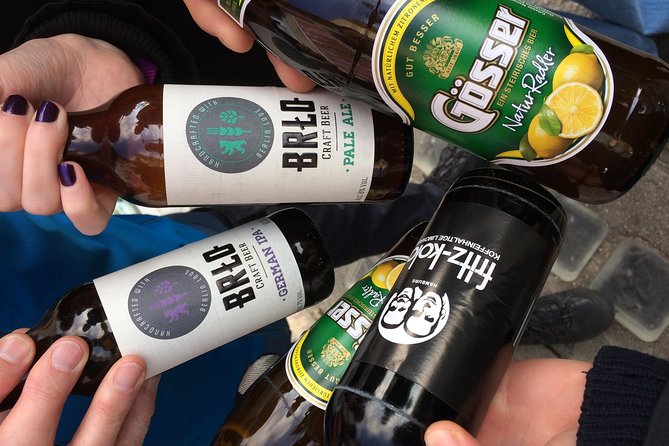
The tour includes six local tastings, beverages, food samples, and Berliner Pilsner beer. The itinerary lists several food stops, but you should think of the experience as a progressive tasting walk rather than six full restaurant meals.
Still, do not underestimate the total amount. One participant said the portions were large enough to skip breakfast and dinner. I would eat a light breakfast and bring water, especially if you are visiting in warm weather.
Vegetarian options are available, but you must provide dietary requirements when booking. The information supplied does not promise every other dietary need can be handled, so contact the operator before paying if you have allergies or strict restrictions.
The beer is included, but the tour is not described as an alcohol-heavy outing. You also receive drinks along the way. If you do not drink alcohol, mention that when arranging your place so the guide can advise you about alternatives.
Is $169.38 a fair price?
At $169.38 per person, this is not a bargain food crawl. The value depends on what you want from the afternoon.
You are paying for a local guide, six tastings, drinks, beer, a small group, and a route that joins food with Berlin’s political past. A group of eight allows a more personal conversation than a large bus tour, and several guides have earned praise for their storytelling and ability to answer questions.
The price is harder to justify if you mainly want large portions or a long list of major sights. One mixed assessment found the food only average in value and felt that the route covered fewer sights than expected. That criticism is fair. The tour spends more time connecting neighborhoods and food than entering museums or visiting famous monuments.
I would see it as a good value for a first or second day in Berlin, when you want orientation and ideas for later meals. It is less compelling for a food expert who already knows Kreuzberg well or for someone seeking an inexpensive street-food lunch.
Pace, footwear, and who should book
The walk lasts about three and a half hours and involves a moderate amount of walking. Wear comfortable shoes and carry a rain jacket or poncho if the forecast looks uncertain. Berlin weather can turn a pleasant walking route into a soggy one quickly.
The small group suits solo visitors, couples, and friends who enjoy asking questions. Most people can take part, and service animals are allowed. The English-language format is useful if you want explanations of both the city’s past and its current food scene.
I would especially recommend it if you:
- Want food linked to migration, politics, and neighborhood change
- Like street art but want more than a photo stop
- Prefer several small tastings to one long meal
- Are comfortable walking across several districts
- Want a local guide to point out places beyond the main tourist sights
I would hesitate if you need a completely fixed menu, have serious food allergies, dislike beer or meat-heavy dishes, or expect a major attraction at every stop.
Should you book East Meets West?
Book it if you want Berlin explained through what people eat, paint, and build in their neighborhoods. The strongest parts are the small group, the range of cultures on the menu, the East and West Berlin connection, and guides such as Lee, Elena, Tiago, and Will who can make the history feel close to the street.
Skip it if the price feels high for tastings or if your main goal is a full sightseeing tour. You will see East Side Gallery and a stretch of former West Berlin, but the real subject is modern Berlin food culture. Come hungry, wear good shoes, and treat the afternoon as a guided introduction to Friedrichshain and Kreuzberg rather than a substitute for Berlin’s museums and memorials.
FAQ
How long does the tour last?
The tour lasts approximately 3 hours and 30 minutes.
What time does the tour start?
The listed start time is 12:00 pm.
Where does the tour begin?
It begins at Industriepalast Hostel, Warschauer Strasse 43, 10243 Berlin.
Where does the tour finish?
It finishes at U Kottbusser Tor, near the U1 and U8 lines.
Is public transportation included?
No. A BVG transport ticket is not included.
How many people can join the tour?
The maximum group size is eight travelers.
Are vegetarian options available?
Yes. Vegetarian options are available, but you should advise the operator when booking. You should also provide any other dietary requirements at that time.
What is included in the price?
The price includes six local tastings, a local English-speaking guide, beverages, food tastings, and Berliner Pilsner beer.
Just added around Berlin
- Graffiti Workshop Berlin with professional graffiti artists★ 4.0 · 4 reviews
- Alternative Berlin Private Tour with Jacob – Graffiti and Squats★ 5.0 · 6 reviews
- Alternative Berlin & Street Art Tour★ 4.5 · 14 reviews
- Open graffiti workshop in the Mauerpark in Berlin★ 5.0 · 2 reviews
- Private Alternative Berlin Tour -Murals, Graffiti and Squats★ 4.8 · 5 reviews
- Street Art Workshop & Tour – Private Group★ 5.0 · 2 reviews
- Street Art & Berlin Gay, Queer, Trans History + Free Gay Map★ 4.9 · 15 reviews
- Berlin : Private Street Art Walking Tour (Private Tour)★ 5.0 · 2 reviews
Berlin Mural Tours, compared.


Street Art and Alternative Tour of Berlin in French
Read our review →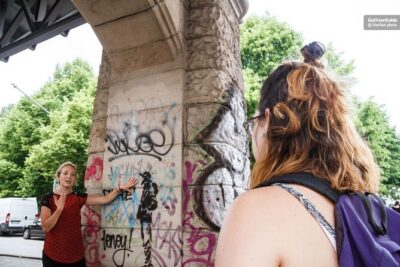
Browse the lists this tour appears in