
REVIEW · ITALY MURAL TOURS
Milan: Street Art Tour of Ortica, Milan’s open air museum
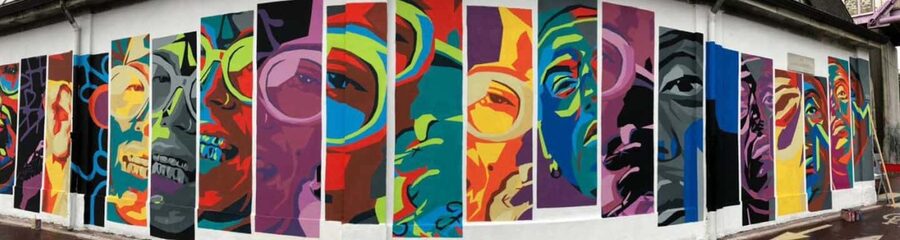
Milan has a colorful side. This two-hour walk through Ortica reveals how an old working-class district became Milan’s first open-air museum, with large murals about artists, workers, activists, and local memory. I especially like the small group of up to eight people and the way the tour connects each artwork to Milanese society, rather than treating the murals as simple backdrops for photographs.
I also like the chance to explore backstreets with an English-speaking local guide. Guides such as Lucy and Luca have been singled out for their warmth, clear explanations, and easy conversation. The main drawback is that the tour may not show as many mural-covered buildings as you expect, so this is better for understanding Ortica’s art project than for ticking off a huge number of street art sites.
Key points about the Ortica street art walk
- Or.Me. Project: More than 20 large murals tell stories about Milan’s workers, musicians, partisans, activists, and other important figures.
- A small group: With no more than eight participants, you should have a better chance to hear the guide and ask questions.
- A changing neighborhood: Ortica has moved from an isolated industrial edge of Milan toward becoming an open-air museum district.
- Street art with a purpose: The murals focus on memory, identity, community, and urban renewal, not just decoration.
- Two-hour format: The tour offers a useful introduction without taking up an entire morning or afternoon.
- Practical walking advice: Wear comfortable shoes, check the forecast, and be ready for the tour to change if weather conditions are poor.
Why Ortica is worth your time
Ortica sits away from Milan’s famous center, shaped by railway tracks, viaducts, and the Lambro River. That setting helped leave the district somewhat separated from the rest of the city. It was associated with industry and working-class life, rather than the polished Milan shown in fashion campaigns and grand public squares.
That is exactly why the neighborhood makes a strong setting for street art. The murals do not float free of their surroundings. They respond to the people and places around them, turning walls into public pages of Milanese history.
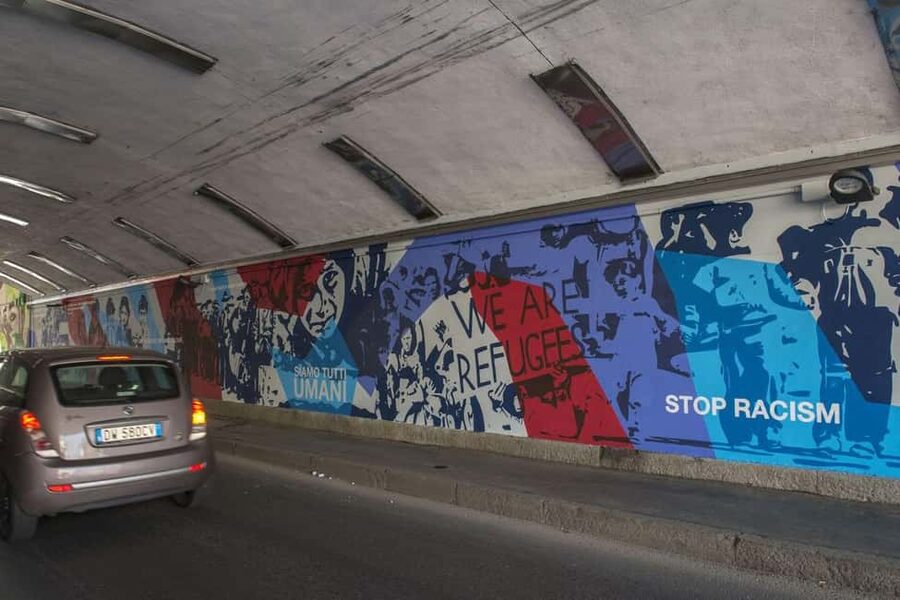
The central project is Or.Me., short for Ortica Memoria. Local artist collective Orticanoodles created more than 20 large-scale works as part of this effort. The paintings remember people and groups who helped shape Milan, including factory workers, feminist figures, jazz musicians, anti-fascist partisans, activists, and people whose stories are easy to overlook.
I like this approach because it gives you a reason to look beyond color and technique. A mural becomes a question: Who is represented here? Why was this person or group chosen? What does this wall say about the neighborhood?
The project also involved local residents. That community connection matters. You are not simply being shown an art installation placed in a district by outsiders. You are seeing a public storytelling project tied to local identity.
More Street Art Museums and Galleries in Italy:
- CDMX: Xochimilco, Coyoacan, Frida Kahlo Museum & Murals Tour
★ 4.4 · 3,025 reviews - Amsterdam: Streetart Museum STRAAT Entrance Ticket
★ 4.8 · 2,137 reviews - STRAAT Museum – Museum for Street Art Amsterdam Admission Ticket
★ 5.0 · 192 reviews
Meeting your guide at Argonne
The tour begins outside Argonne metro station on Line 4. The guide will be carrying the agency logo, which gives you a clear way to identify the meeting point.
Argonne is a practical starting place because it lets you reach Ortica by public transport before beginning the walking route. Transportation to the meeting point is not included, so plan your route across Milan separately and leave enough time to find the station exit and guide.
The tour is in English, and the small group size should make the opening explanation easier to follow. The first guided section lasts about 15 minutes. This is your introduction to the district and the subject of street art, including where graffiti came from, how it developed, and why it is now treated by many cities as a recognized cultural form.
That opening context is useful. Without it, you may see a mural only as a large painted wall. With it, you can consider the line between graffiti, public art, political expression, and neighborhood regeneration.
Into Ortica, from industrial edge to open-air museum
The main guided section in Ortica lasts about 45 minutes. This is where the tour begins to show how the district has changed.
Expect to walk through streets and less prominent corners rather than remain on Milan’s main sightseeing paths. The route is built around the neighborhood’s murals and the stories behind them. You will learn how a district shaped by infrastructure and industry has been given a new public identity through art.
The route’s biggest strength is interpretation. The guide explains the meaning of the paintings and the techniques and styles used by street artists today. You are encouraged to see the works as part of a social project, not as isolated images.
The murals cover subjects such as resistance to fascism, working life, music, and women’s rights. These themes give the tour more weight than a standard photo walk. They also create variety. One wall may point toward political memory, while another recalls cultural life or the people who worked in Milan’s factories.
I would pay close attention to how the guide links the paintings to Ortica itself. The value of this walk comes from the relationship between the artwork and the neighborhood. If you only want colorful images for your camera, you may find the pace and explanations slower than expected. If you like art with a civic purpose, the commentary should make the route far more rewarding.
Photo stops and time to look around
The itinerary includes a 10-minute photo stop in Ortica. That is enough time to frame several pictures without turning the whole tour into a photography session.
Photography is encouraged, but respect for the art and the neighborhood matters. These murals are part of a living district, not a gallery where every visitor can move without regard for the people who live nearby. Keep entrances clear, listen when the guide asks the group to move, and take a moment to look at the complete wall before focusing on your phone.
A further 10-minute period is set aside as free time. This is useful because guided walks can sometimes feel rushed. You should have a little room to take another photograph, examine a detail, or simply absorb the setting without a running explanation.
The schedule later includes another 20-minute guided section and a further 10-minute explanation. Since the exact order can depend on the route and conditions, think of the tour as a series of short guided stops rather than one long lecture.
That structure works well for street art. You hear the background, look at the wall, ask a question, and then move on. The subject stays visual and active.
A few more mural tours around Italy worth a look
- Naples Spanish Quarters Walking Tour Street Art, Folklore & Sweet
★ 5.0 · 797 reviews - Naples: Spanish Quarters Folk Street Art w/ Sweets Tasting
★ 4.9 · 788 reviews - Graffiti art tour in Rome
★ 5.0 · 714 reviews - Naples: Street Art, Wine and Food Tasting Walking Tour
★ 5.0 · 163 reviews
Finishing at the viewpoint
The tour ends with a 10-minute photo stop at a viewpoint. The information provided does not specify the exact viewpoint or promise a particular skyline, so it is best not to book this expecting a famous panoramic view of Milan.
Still, a final elevated or open vantage point can help you consider the district as a whole. After seeing individual murals close up, you get a chance to think about how public art has changed the feel and identity of the area.
The walk lasts two hours in total. That is long enough for a meaningful introduction to Ortica, but short enough to fit beside a visit to other parts of Milan. The route does require walking, so comfortable shoes are essential. Check the weather before setting out and dress accordingly. Bad weather may lead to a change in schedule.
What makes the guide important
This experience depends heavily on the guide. Street art can be easy to view without explanation, but the Or.Me. Project has enough social and political detail that a good guide adds real value.
Lucy received especially warm praise for being professional and enthusiastic, with a style that made the experience memorable. Luca was described as informative and easy to talk to. Those details matter because this is a small-group walk, not an audio guide. Your questions and the guide’s way of explaining the district will shape the experience.
I would use the tour as a chance to ask about the people shown in the murals, the role of Orticanoodles, the involvement of local residents, and the difference between graffiti and commissioned public art. The tour description specifically promises discussion of street art’s origins, present form, and future, so it should offer more than a list of artist names.
The small group limit of eight is another practical advantage. You are less likely to lose the guide’s voice in a crowd, and it should be easier to stop without blocking a large group. This format suits people who want conversation and context.
The $49 price and what you receive
At $49 per person, the tour is not the cheapest way to see outdoor art in Milan. You can walk through a neighborhood without paying for an organized activity. The question is what the fee adds.
You are paying for a two-hour English-language walk, a local guide, access to a planned route, and explanations of the art’s cultural meaning. The guide also saves you from having to identify the murals and research the Or.Me. Project on your own.
For me, the price makes the most sense if you value interpretation. The cost is harder to justify if your main goal is to see the maximum number of murals in a short time. One available assessment found the art impressive but wished for more mural-covered buildings, which is a fair warning. This may not feel like a nonstop parade of walls.
The tour includes no food, drinks, or transportation to and from the activity. Those costs are easy to manage, but include them in your day’s budget. The ability to reserve now and pay later adds flexibility, and cancellation is free up to 24 hours before the start time.
Who should book this walk
I would recommend this tour to anyone who has already seen Milan’s headline sights and wants a different part of the city. It also suits visitors interested in public art, social history, urban change, photography, and local neighborhoods.
The experience is particularly useful for:
- Art lovers who want context behind the images
- Visitors who enjoy small groups and direct contact with a guide
- First-time visitors seeking a less traditional Milan activity
- Repeat visitors who have already covered the Duomo and central museums
- People interested in how art can support neighborhood renewal
It may be less suitable if you want a fast, highly visual route with dozens of separate works. The tour is about the meaning and development of Ortica’s project as much as the number of walls you see.
The activity is listed as wheelchair accessible, which is an important advantage. Still, because this is a walking tour through streets and backstreets, it is sensible to confirm current route conditions when booking if you have specific mobility needs.
Practical advice before you go
Meet outside Argonne metro station on Line 4 and look for the guide with the agency logo. Do not count on buying food during the tour, since refreshments are not included and the two-hour route is structured around the art.
Wear walking shoes. This sounds basic, but the experience involves moving between several guided sections, a photo stop, free time, and a final viewpoint. Comfortable clothing will let you focus on the murals rather than your feet.
Bring a phone or camera, but do not let photography replace looking. The most rewarding details may be the faces, symbols, and smaller elements that connect the mural to its subject.
Finally, keep an eye on the forecast. The tour may be rescheduled in poor weather. That is sensible for an outdoor experience, especially one built around seeing large walls clearly.
Should you book the Ortica street art tour?
Book it if you want to understand why Ortica matters, not simply photograph painted buildings. The small group, strong local storytelling, and the Or.Me. Project’s focus on workers, artists, activists, and community memory give the walk a clear purpose.
Skip it if you need a packed street art route with a large number of stops or if you would rather explore independently. At $49, the value rests on the guide’s explanations. Lucy and Luca’s strong personal marks suggest that the human side of the tour can be a major part of its appeal.
For most visitors who have two spare hours and an interest in Milan beyond the center, I think this is a worthwhile choice. It shows a side of the city that is thoughtful, colorful, and still tied to everyday neighborhood life.
FAQ
Where does the tour meet?
The meeting point is outside Argonne metro station on Line 4. The guide will be carrying the agency logo.
How long does the street art tour last?
The tour lasts two hours.
What language is the tour in?
The tour is conducted in English by a live guide.
How large is the group?
The activity is limited to eight participants.
Is transportation included?
No. Transportation to and from the activity is not included.
Is the tour wheelchair accessible?
Yes, the activity is listed as wheelchair accessible.
Can I cancel the booking?
Yes. You can cancel up to 24 hours in advance for a full refund. You can also reserve and pay later to keep your plans flexible.
Just added around Italy
- Art & Craft: Beer Tour with Street Art in Rome★ 4.5 · 6 reviews
- Torpignattara Photo Tour: melting pot, street art and politics★ 5.0 · 5 reviews
- Naples Murals Catacombs and Folklore Sanità District Tour★ 4.5 · 5 reviews
- Street Art of Spanish Quarters and Maradona Tour★ 3.5 · 3 reviews
- The Spanish Quarters, Street Art and Local Market Tour in Naples★ 5.0 · 23 reviews
- Private Street Art Tour: Exploring Milan’s Hype Neighborhoods★ 5.0 · 2 reviews
- Street Art&Urban Vibes in Milan’s Most Exciting Rising Areas★ 4.4 · 5 reviews
- Orgosolo Experience: Murals and Culture with a typical Lunch★ 4.4 · 5 reviews
Italy Mural Tours, compared.
Naples Spanish Quarters Walking Tour Street Art, Folklore & Sweet
Read our review →
Spanish Quarters Folk Street Art w/ Sweets Tasting
Read our review →
Naples Essentials: Monuments, Local Life & Street Art
Read our review →
4×4 tour of Orgosolo: Murals and typical lunch at the shepherd’s
Read our review →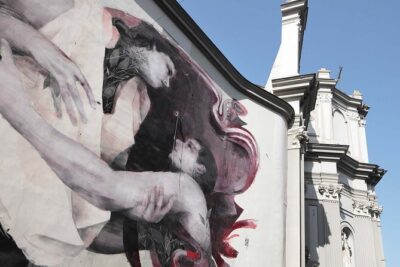
Rione Sanità tour among baroque, revival, street art & food
Read our review →
The Spanish Quarters, Street Art and Local Market
Read our review →Browse the lists this tour appears in