
REVIEW · COLOMBIA MURAL TOURS
Historical Shared Tour Salsa, Graffiti & Resistance in Cali
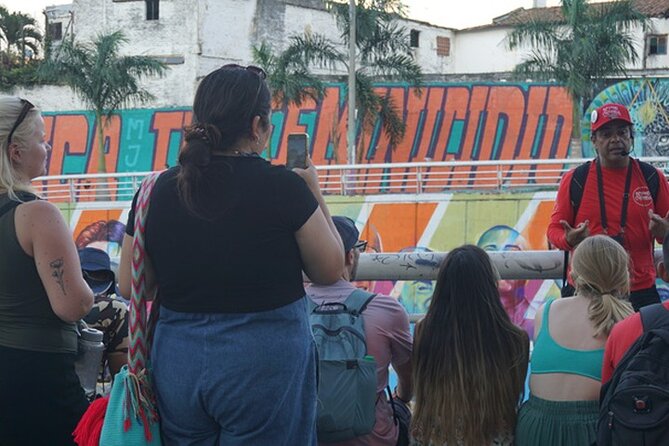
Cali tells its story with rhythm. This three-hour walk links salsa history, street art, and popular resistance across the city center, with stops at murals, cultural buildings, public squares, and a salsa bar. I like the way the tour connects music to daily life, and I especially like that guides such as Cristian have added dance steps, instruments, and practical nightlife advice. The main consideration is pace: ten stops in about three hours means some visits are brief.
I also like the modest price of $14 per person, especially if you want an introduction before choosing where to spend an evening. You will walk through central Cali rather than simply hear a lecture in one place, but food, drinks, and souvenirs cost extra. If you book through the local operator, Beyond Colombia, check the price carefully, since one booking note says its free walking tours may be available directly with a tip-based model.
Key points to know before you book
- Music becomes the guide: The tour explains how salsa shaped Cali’s identity, then adds dance steps and sometimes simple musical participation.
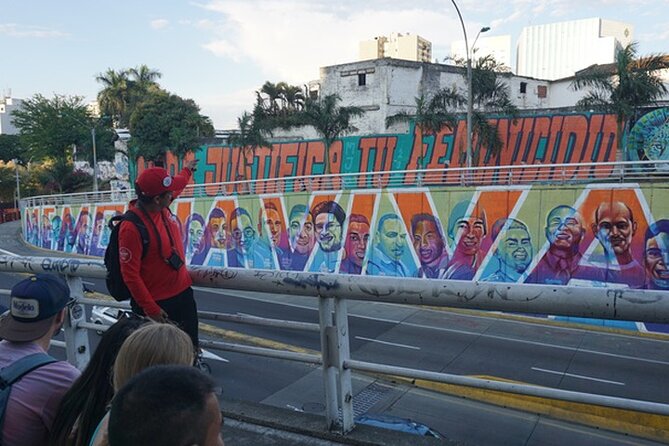
- Street art has a social message: Murals are used to discuss culture, memory, community pride, and unarmed resistance.
- Ten stops create a broad city overview: You visit plazas, cultural buildings, public art streets, a tunnel, and a salsa bar.
- Cristian receives especially strong praise: His energy, humor, dance instruction, and explanations of Cali’s past make the tour feel active rather than academic.
- The finish is useful for nightlife: Cimarrón Salsa Bar gives you a practical place to continue with music after the walk.
- The group may reach 30 people: That keeps the cost low, but a larger group can make questions and street movement less personal.
Why this Cali walk is more than a salsa lesson
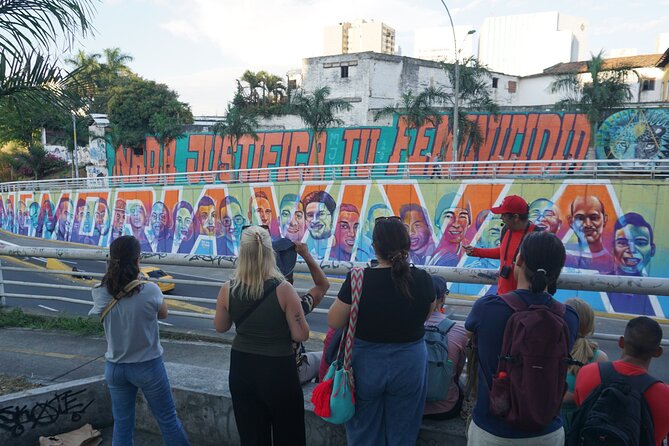
Cali is famous for salsa, but this experience does not treat the music as a simple party theme. It places salsa beside graffiti, public memory, social struggle, and the city’s changing streets. That combination gives you a better sense of why music matters here.
The guide speaks Spanish and is expected to bring specific knowledge of Cali salsa and its popular cultural revolution. The strongest praise goes to Cristian, who has explained the city’s story with warmth and humor, taught basic dance steps, and let people play instruments. Juliana has also been singled out for making the walk both informative and enjoyable.
You should expect an active walking tour, not a formal museum visit. At many stops, the guide explains the setting, points out murals, and connects what you see to musicians, dancers, local identity, and community action. The listed schedule gives about 18 minutes at each stop, so the tour is designed for snapshots and stories rather than long visits inside each place.
That short timing is both a strength and a limit. You see a wide slice of Cali in one outing, but you will not have time for detailed museum viewing or long meals. Wear comfortable shoes, keep water handy, and expect the city itself to be part of the experience.
More Graffiti Tours in Colombia:
- Medellin: Comuna 13 Graffiti Tour, Cable Car & Street Food
★ 4.8 · 9,046 reviews - Medellín: Comuna 13 Tour with Snacks And Your Own Graffiti
★ 4.9 · 311 reviews - Bogotá: La Candelaria Graffiti & Urban Art Guided Tour
★ 4.7 · 250 reviews
Jairo Varela Plaza starts the rhythm
The tour begins at Plazoleta Jairo Varela, also called Plazoleta de la Caleñidad. The address is Av. 2 Nte. #10 Norte-1 to 10 Norte-75 in the Granada area.
This is a fitting starting point. Jairo Varela was one of Cali’s great salsa composers, and the plaza is surrounded by murals celebrating his life and work. The setting gives the guide an easy way to introduce Caleña salsa, the local style and culture that shape the rest of the walk.
I like starting here because the subject becomes visible at once. You are not asked to imagine why salsa matters to Cali. You can look at the public art, hear the explanation, and begin to see how musicians become part of a city’s public memory.
The stop is free, as are the listed visits throughout the tour. With only about 18 minutes here, treat it as an orientation rather than a complete look at Varela’s career.
Public spaces, art, and local culture
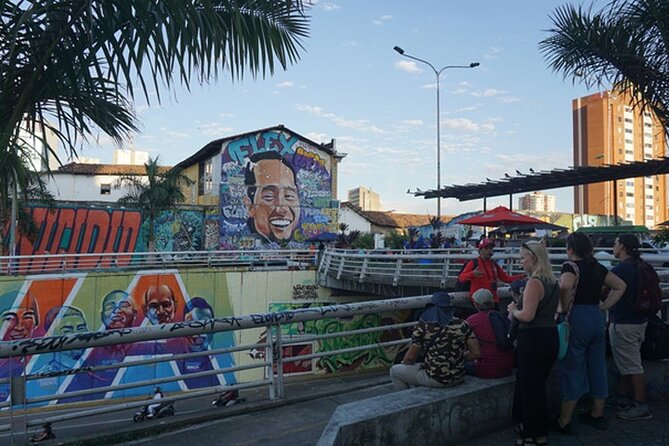
At Parque de las Piedras, fountains, sculptures, and open areas create a different setting for the salsa story. The park is described as a meeting place for salsa lovers, and its murals reflect Cali’s cultural mix.
This stop should appeal to you if you like learning through public spaces rather than enclosed attractions. The guide can use the sculptures and murals to explain how music fits into ordinary city life. It is also a chance to pause, take photographs, and get a feel for how public areas are used.
The Departmental Institute of Fine Arts brings the discussion indoors, at least in concept. This cultural center presents painting, sculpture, and photography, while also showing how local visual art connects with music.
The value here is the change in focus. Salsa is not isolated from Cali’s art scene. It can be read through images, performances, public murals, and the way artists respond to the city around them. Because the tour allows roughly 18 minutes, ask your guide which artistic details matter most rather than expecting to see every exhibition.
Boulevard del Río adds food and city views
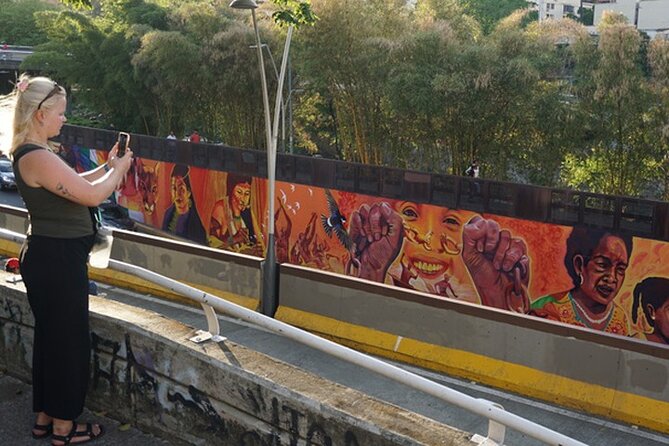
La Curva del Boulevard shifts the mood toward nightlife. It is known for dining options and evening activity, and the facades carry murals that add color and local stories to the area.
Food is not included, so you should not expect a full tasting stop here. You might find a typical dish that interests you, but budget separately for anything you eat or drink. This is a useful place to note recommendations from the guide, especially if you want to return later.
At Edificio Boulevard del Río Emcali, the tour looks at modern urban development. The building’s architecture reflects a newer side of Cali, and its viewpoint offers a panorama of the city and the Cali River.
This stop matters because the tour is not locked in the past. It places historic salsa and colonial buildings beside modern construction and city views. The viewpoint can help you understand the shape of Cali, though the visit is brief and the exact viewing conditions can vary.
More History Tours in Colombia:
- Commune 13, Graffitour street food. History.All inclusive
★ 5.0 · 35 reviews - History and Street Art Tour in Comuna 13
★ 5.0 · 35 reviews - Complete Tour in Comuna 13: Graffiti, History and Street Delights
★ 5.0 · 11 reviews - 3-Hour Atlanta Beltline Food, Street Art and History Tour
★ 5.0 · 345 reviews
Calle del Sabor is the tour’s musical center
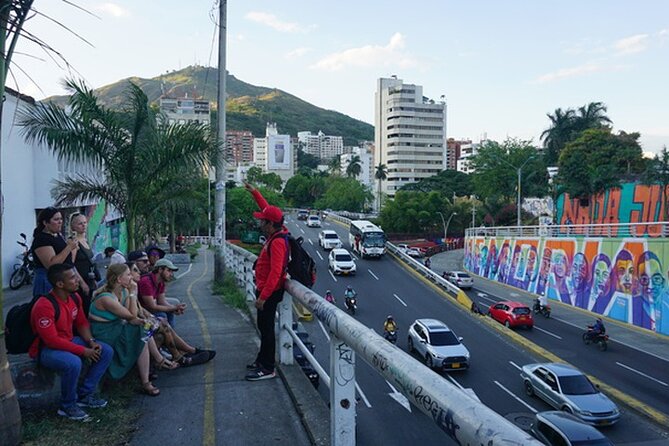
Calle del Sabor is presented as the heart of Caleña salsa. Bars, restaurants, theme shops, and wall murals fill the street with references to musicians, dancers, and popular culture.
This is likely the most immediately enjoyable stop for anyone who wants to connect the history lesson with real nightlife. You can see the places where salsa is promoted, sold, performed, and enjoyed. The guide also offers recommendations for respected salsa bars, which is valuable if you plan to go dancing after the tour.
Keep your expectations sensible. A guided stop here does not automatically include a drink, meal, or dance performance. Food, drinks, and souvenirs are excluded, and the tour may spend more time explaining the street than sampling everything along it.
Still, this is where the themes meet. Music, art, food, nightlife, and local pride occupy the same few blocks. If you want only a list of clubs, you can find that elsewhere. If you want context before heading out, this stop earns its place.
Colonial buildings and the language of resistance
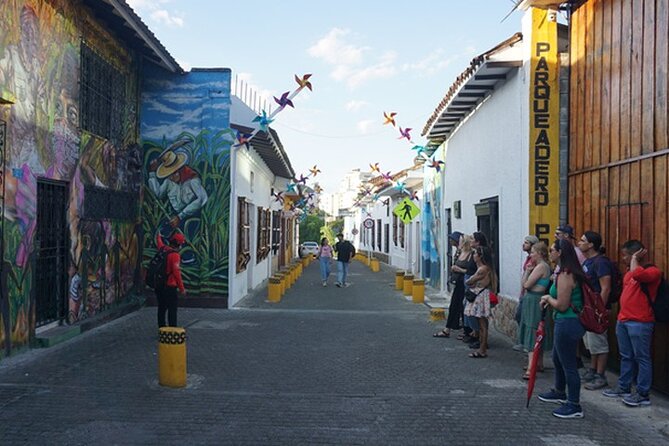
The Beneficencia del Valle del Cauca occupies a historic building with colonial architecture. Today, it houses cultural spaces and can host art exhibitions, music presentations, and events tied to Cali’s heritage.
The stop helps widen your view of the city. Cali’s identity is not only modern murals and salsa bars. Older buildings and formal cultural spaces also take part in preserving local stories. The guide can show how heritage is presented and how art keeps public memory in circulation.
The tour’s resistance theme becomes clearer as you move through these places. Here, resistance does not mean a military history lesson. It is presented through music, dance, art, and community expression. The strongest guide explanations connect creative work with empowerment and with the right of communities to tell their own stories.
That is one reason I would choose this walk over a basic sightseeing circuit. The tour asks you to look at murals as more than decoration. A wall can honor a musician, record a struggle, express pride, or make a social point.
Calle de la Escopeta turns walls into a gallery
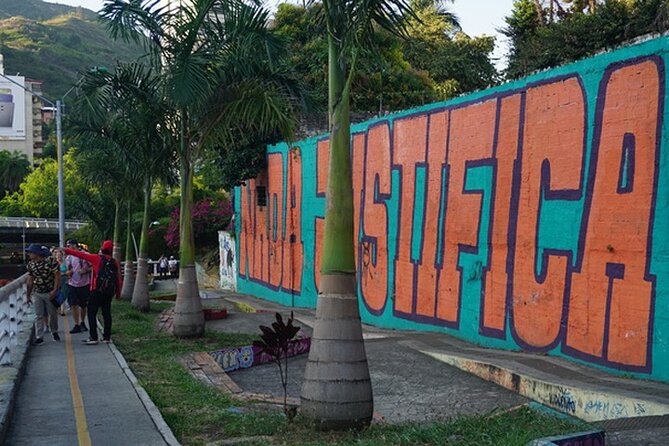
Calle de la Escopeta is one of the clearest street-art stops. Its colorful facades are covered with murals, creating an outdoor gallery where local artists show their skill and ideas.
The guide’s role is important here. Without context, you may admire the colors and move on. With a good explanation, you can notice how the art relates to culture, memory, identity, and social life in Cali.
The tour includes active street-art content, so the emphasis is not only on finished historic works. Art in a city can change, and public walls can carry current concerns as well as familiar symbols. The short stop means you should keep your eyes open before the guide begins speaking. Look around, then ask about the image or detail that caught your attention.
Football and public art in the Mundialista Tunnel
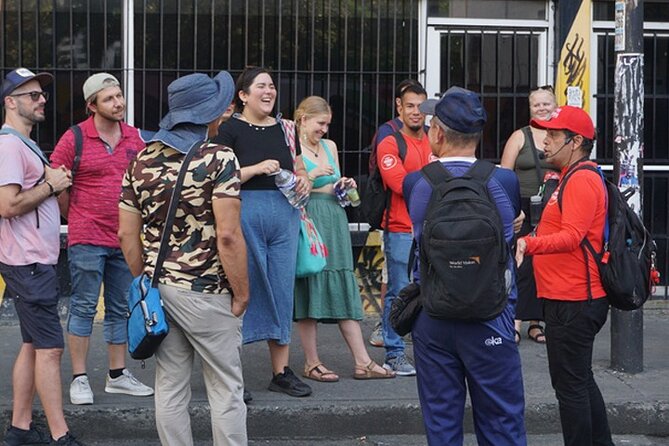
The Túnel Mundialista adds football to the tour’s cultural mix. Murals celebrate the sport and local culture, turning the passage into a public meeting point for football fans.
This stop is useful because it shows that Cali’s public identity has more than one soundtrack. Salsa may be the main theme, but football, neighborhood pride, and public art also shape how people claim space.
The tunnel should be easy to appreciate even if you are not a serious football fan. The murals make the walk more visual, and the guide can explain the stories behind the works. Again, do not expect a long gallery visit. The value is in seeing how an ordinary passage becomes a place with meaning.
Cimarrón Salsa Bar finishes the walk
The route ends at Cimarrón Salsa Bar, at Cl. 4 #1-113 in the Normandia Sebastian de Belalcazar area. It is described as an emblematic place for dancing, live music, and dance shows.
Ending here is practical. You receive nightlife advice early in the tour, then finish at a place where you can continue with salsa. Drinks and any food are your responsibility, but the bar gives the experience a natural final stop rather than ending on an anonymous street corner.
If you are new to salsa, the guide’s basic steps may help you feel less awkward when you return later. Several strong guide comments focus on this hands-on quality: people learned about the city, played instruments, and received a few dance moves instead of sitting through a passive talk.
Cimarrón also gives you a chance to ask final questions about other bars. Beyond Colombia offers recommendations and possible discounts with recommended partners, so ask the guide what benefits apply on the day.
What $14 buys you in practical terms
At $14, this is a good-value introduction if you want a structured first look at Cali. You get about three hours with a certified Spanish-speaking guide, a route through ten cultural stops, salsa background, street-art interpretation, nightlife suggestions, and possible partner benefits.
The value depends on how much you use the information afterward. If you take the tour and then visit a salsa bar, notice murals with more care, or return to a favorite area for food, the experience can shape the rest of your stay. If you want a private guide or long visits at each attraction, the low price comes with clear limits.
The maximum group size is 30. That is manageable for a walking route, but it may feel less personal than a small group. Ask questions when the group pauses, and stay close enough to hear the Spanish explanation.
One pricing detail deserves attention. The supplied booking information lists a $14 charge, while a note says Beyond Colombia also runs free walking tours directly, with tipping encouraged. That difference may reflect the booking channel or a separate version of the tour. Check the current direct price before paying, and compare what is included.
Who will enjoy this experience most
I would choose this tour if you are visiting Cali for the first time, care about music and public art, or want a useful introduction before going out at night. It also suits people who prefer a city walk with conversation and activity over a long museum visit.
It is a good match for solo visitors who want a clear route and local recommendations. Couples and small groups can use it to decide which neighborhoods, bars, and cultural spaces deserve more time later.
You may want a different plan if you dislike walking, need long stops, or want a food-focused outing. One separate experience described by a participant included markets and several food stops, but that is not the focus of this salsa, graffiti, and resistance walk. Here, food and drinks are not included.
The tour is listed as suitable for most people, near public transportation, and service animals are allowed. Confirmation arrives at booking. It requires good weather and a minimum number of participants, with a new date or refund offered if weather or group size cancels the outing. Free cancellation is available up to 24 hours before the start time.
Should you book it?
Book it if you want context before nightlife. The best parts are the active guide style, the link between salsa and resistance, the murals, and the finish at Cimarrón Salsa Bar. Cristian’s approach, including dance steps and instruments, sounds particularly useful for anyone who learns better by doing.
Do not book it expecting a private cultural seminar, a full meal, or extended visits inside every building. The route is broad and brisk, and the group can reach 30 people.
For $14, it offers a strong first orientation to Cali’s music, art, and public life. Check the direct Beyond Colombia option first, then bring comfortable shoes, curiosity, and enough time afterward to follow the guide’s salsa recommendations.
FAQ
How long does the Salsa, Graffiti & Resistance tour last?
The tour lasts approximately three hours.
Where does the tour start?
It starts at Plazoleta Jairo Varela, also called Plazoleta de la Caleñidad, at Av. 2 Nte. #10 Norte-1 to 10 Norte-75, Granada, Cali.
Where does the tour finish?
It finishes at Cimarrón Salsa Bar, at Cl. 4 #1-113, Normandia Sebastian de Belalcazar, Cali.
Is food or drink included?
No. Food, drinks, and souvenirs are not included in the tour price.
What language does the guide speak?
The included certified guide speaks Spanish.
How large can the group be?
The maximum group size is 30 travelers.
Can I cancel for a full refund?
Yes. You can cancel at least 24 hours before the experience start time for a full refund. Less than 24 hours before the start time, refunds and changes are not accepted.
Just added around Colombia
- Comuna 13 Neighborhood & Street Art Private Tour★ 4.7 · 12 reviews
- Medellín Comuna 13 local guides snacks and your own graffiti★ 4.9 · 13 reviews
- Medellin: Graffiti Tour Comuna 13★ 4.1 · 14 reviews
- Comuna 13: Recorrido de Arte Urbano, Cultura y Resiliencia★ 5.0 · 3 reviews
- Graffiti Tour: a fascinating walk through a street art City★ 5.0 · 5 reviews
- Fun Graffiti Workshop: The Art of Aerosol and Color★ 5.0 · 3 reviews
- Complete Tour in Comuna 13: Graffiti, History and Street Delights★ 5.0 · 11 reviews
- Comuna 13: Graffiti tour & Street Food/drink with telesferic★ 4.4 · 19 reviews
Colombia Mural Tours, compared.
Comuna 13 Graffiti Tour, Cable Car & Street Food
Read our review →
Comuna 13 Tour with Snacks And Your Own Graffiti
Read our review →
Comuna 13 and Graffiti Guided Tour with a Local
Read our review →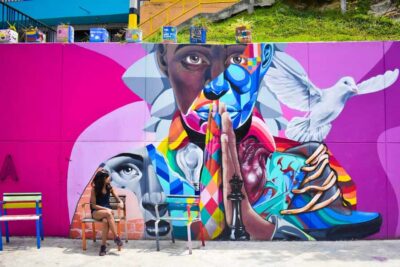
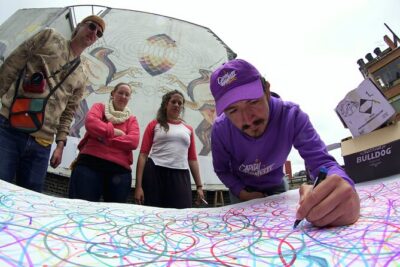
Fun Graffiti Workshop: The Art of Aerosol and Color
Read our review →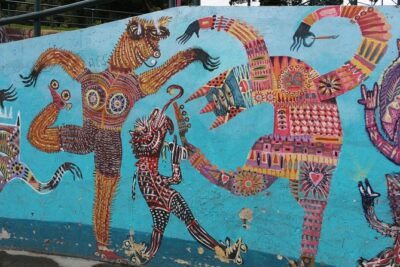
Graffiti Tour in La Candelaria Bogotá with Transportation
Read our review →
2-Hours Street Art Walking Tour in Medellin Comuna 13
Read our review →Browse the lists this tour appears in