
REVIEW · COLOMBIA MURAL TOURS
Shared Tour Cali’s Salsa, Graffiti & Resistance Experience
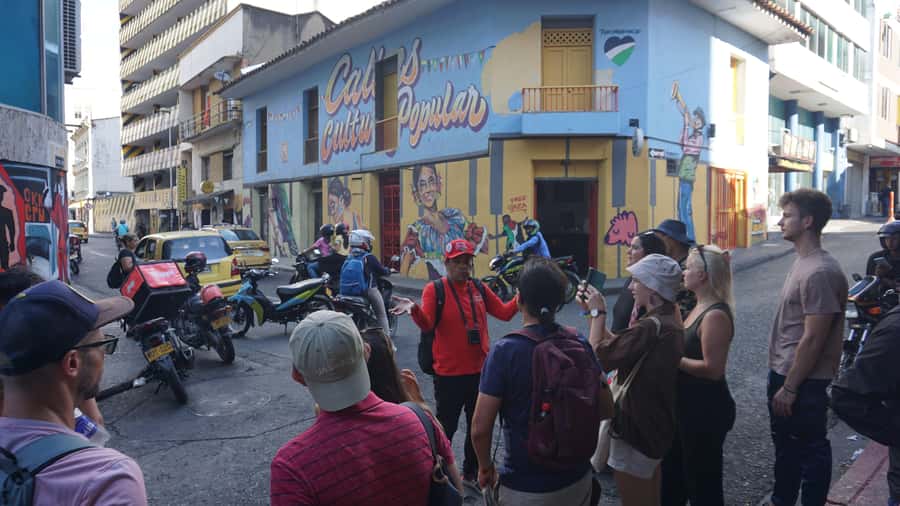
Salsa here carries more than a beat. This two-and-a-half-hour walk links Cali’s famous music scene with social movements, African cultural roots, and the city’s street art. I like the clear sense of purpose, and I like that the route goes beyond dance steps to explain why salsa matters to everyday life in Cali. The main consideration is the distance: expect about 8 kilometers on foot, with stops to listen and rest.
I also like the practical finish. Guides such as Cristian, Christian, or Chris are praised for lively storytelling, music knowledge, and useful advice on where to eat and dance afterward. The shared format keeps the price at $13 per person, but you will not have a private guide or a custom pace.
Key things to know before you go
- Salsa as social history: Learn how African emancipation, Caribbean music, New York, and Cali’s 1960s to 1980s cultural boom shaped the sound.
- A walking route with real distance: The tour lasts about 150 minutes and covers roughly 8 kilometers, so comfortable shoes matter.
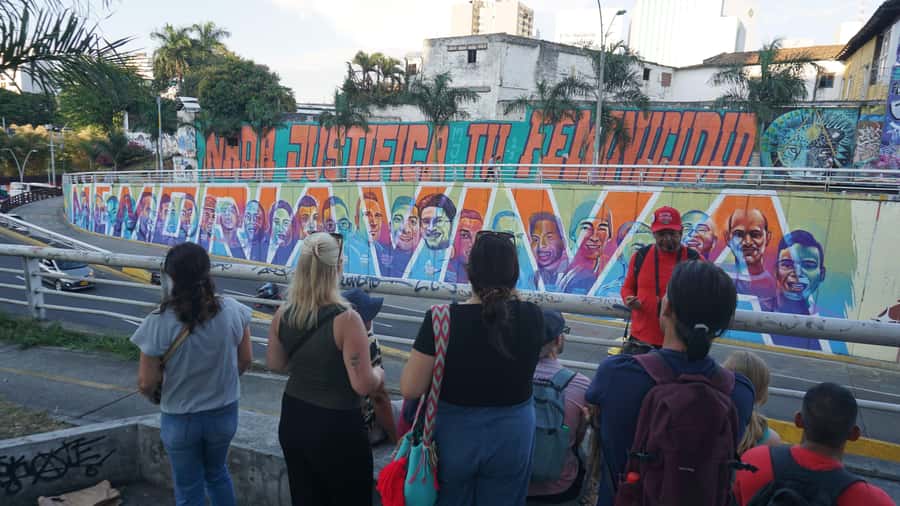
- Graffiti with a political edge: Murals honor salsa figures, while nearby art addresses victims, protest, solidarity, and resistance.
- A useful starting point: The walk begins at Plazoleta Jairo Varela, a central meeting place marked by red umbrellas.
- Strong guide-led storytelling: Cristian and Christian are praised for energy, humor, and making the subject easy to follow.
- Good value for curious visitors: At $13, the tour offers local context, sightseeing, and salsa-bar recommendations without extra entrance fees.
Why Cali salsa needs more than a dance lesson
You can come to Cali to learn fast footwork. That is part of the fun. But this tour asks you to look at salsa as cultura popular, or popular culture shaped by ordinary people, musicians, workers, neighborhoods, and social movements.
The route explains salsa as a long exchange of sounds and ideas. Its roots reach through the Caribbean Antilles, then through musical mixing and the way the genre took shape in New York. In Cali, salsa found a particularly strong home during the 1960s, 1970s, and 1980s, when music became tied to local identity and cultural life.
That context changes what you hear. Lyrics can tell stories about love, rebellion, historical events, hardship, and social demands. Salsa is not presented simply as party music, although the city’s nightlife and dancing remain important. It becomes a way for people to connect, remember, celebrate, and express frustration.
I find that approach especially useful if you already plan to visit salsa clubs. You will hear the music differently after understanding why it means so much to Cali.
More Graffiti Tours in Colombia:
- Medellin: Comuna 13 Graffiti Tour, Cable Car & Street Food
★ 4.8 · 9,046 reviews - Medellín: Comuna 13 Tour with Snacks And Your Own Graffiti
★ 4.9 · 311 reviews - Bogotá: La Candelaria Graffiti & Urban Art Guided Tour
★ 4.7 · 250 reviews
Starting at Plazoleta Jairo Varela
The meeting point is Plazoleta Jairo Varela, where you should look for the red umbrellas. This is a practical central location, but it also sets the tone for the tour because Jairo Varela is closely linked to Cali’s salsa identity.
The guide gathers the shared group here, introduces the subject, and begins connecting public space with music. Since this is a walking tour, the opening explanation matters. You are not being moved from one sealed attraction to another. The city streets are the setting, and the guide’s story provides the thread.
The group format has two effects. It keeps the price low and gives you a chance to meet other people interested in music and city culture. It also means you should expect a general pace rather than a private itinerary. One guide may be able to respond to group requests, but the walk still needs to work for everyone.
Plazoleta de la Caleñidad and the city’s public identity
Plazoleta de la Caleñidad is one of the important stops. The name points to caleñidad, the qualities and identity associated with people from Cali. Here, the tour focuses on how local pride is expressed through public space, music, language, and shared customs.
This is where the idea of Cali as Colombia’s salsa capital becomes more than a tourism slogan. You begin to see salsa as something connected to how people describe themselves and their city.
The stop should be useful for first-time visitors who want cultural bearings before heading into nightlife. It gives you a frame for understanding why salsa appears in murals, venues, public celebrations, and everyday conversation.
Do not expect a long museum-style presentation. The experience is outdoors, active, and guide-led. You will be standing, walking, and moving on after each explanation.
Calle del Pecado and Cali’s flavor
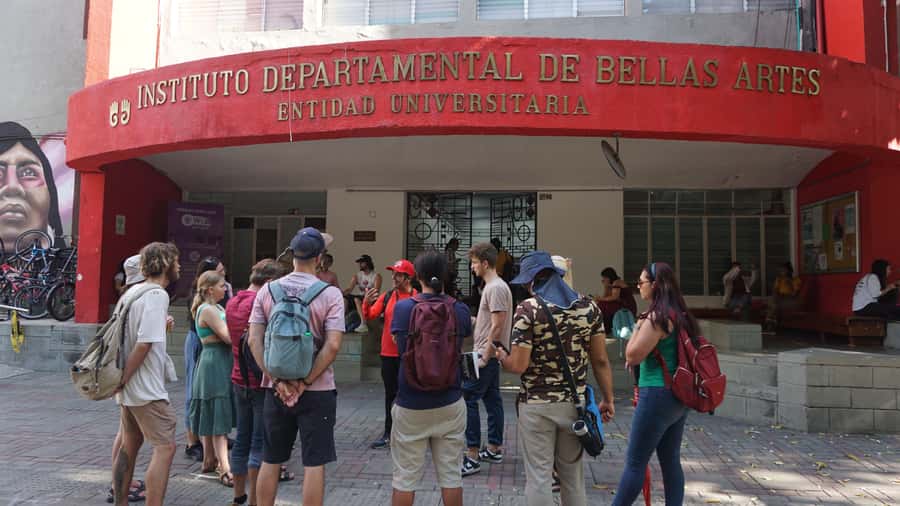
The route continues toward Calle del Pecado, also called the street of flavor. The name suggests the playful, sensual side of Cali’s music culture, a contrast to the more political parts of the walk.
This is an important balance. Salsa is connected to protest and social struggle, but it is also connected to pleasure, romance, nightlife, movement, and a certain local swagger. The tour does not treat the music as a solemn subject from beginning to end.
You may hear stories about the role of dancing and the city’s social life. The guide can help explain why visitors come to Cali to learn its particular salsa style, even when they are not serious dancers.
The practical advice is simple: wear clothes you can walk in and do not worry about looking polished. The information specifically encourages comfort over appearance. That is sensible for a route that lasts around 150 minutes.
A few more mural tours around Colombia worth a look
- Medellín: Comuna 13 and Graffiti Guided Tour with a Local
★ 4.9 · 239 reviews - Historical Shared Tour Salsa, Graffiti & Resistance in Cali
★ 5.0 · 107 reviews - Medellín: Private Comuna 13 Street Art Tour
★ 4.8 · 88 reviews - Fun Graffiti Workshop: The Art of Aerosol and Color
★ 5.0 · 73 reviews
The River Boulevard and the Curve
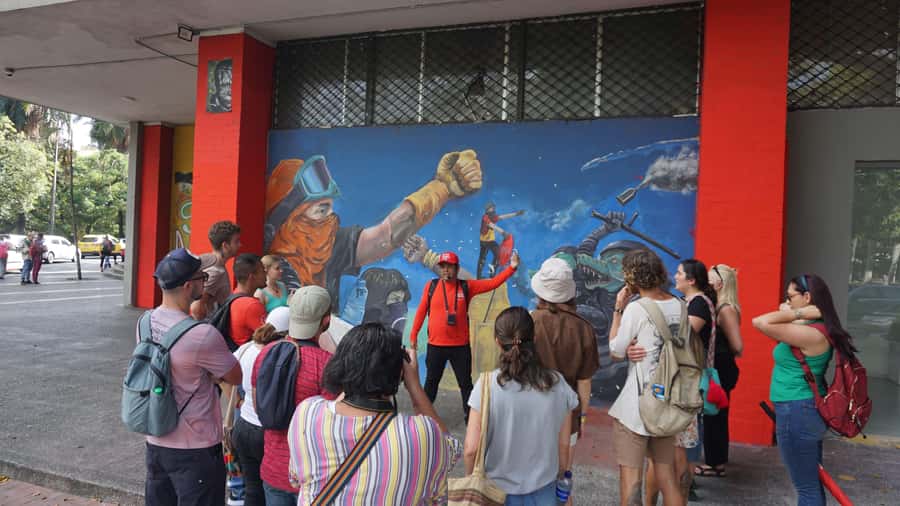
The Curve of the River Boulevard gives the walk another kind of public setting. Instead of focusing only on dance venues, the route uses streets, plazas, and open areas to show how culture appears outside formal institutions.
This stop helps connect the city’s physical spaces with its social energy. Music and political expression are not confined to concert halls. They appear in public art, gathering places, and the way residents claim attention in the city.
A guide like Cristian or Christian can make this kind of stop work well because the value comes from explanation. On its own, a boulevard may look like a pleasant place for a walk. With context, it becomes part of a story about public identity and collective expression.
Expect a walking break here rather than a ticketed attraction. There are no sudden entrance charges on the route, and the tour does not take you to places that require an unexpected admission fee.
World Cup Tunnel and Fifth Avenue
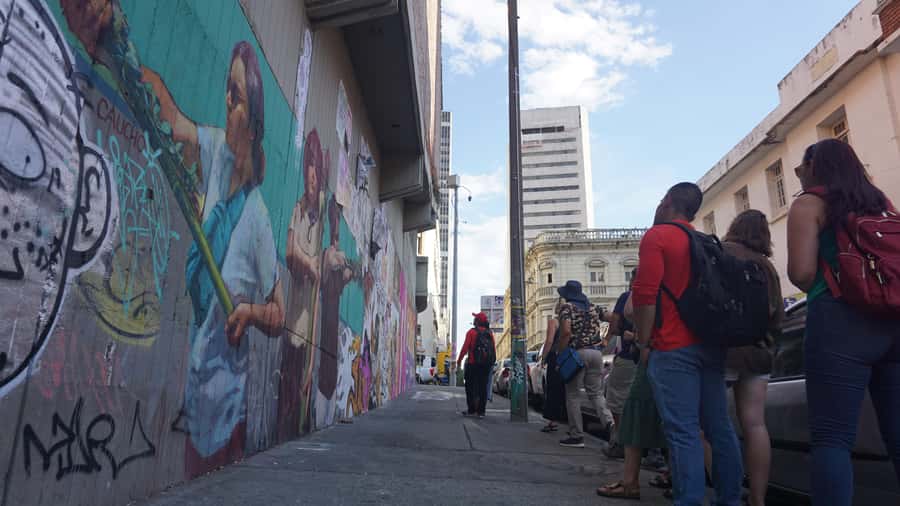
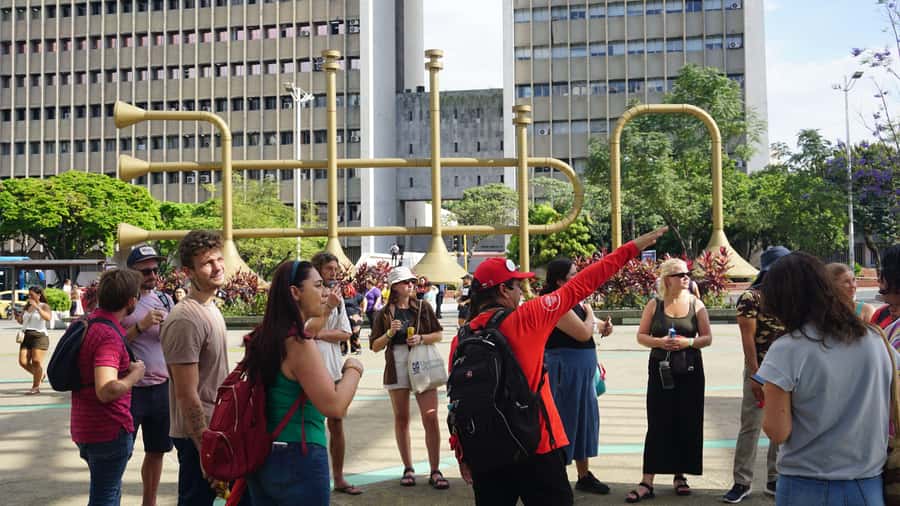
The World Cup Tunnel and Fifth Avenue add more recognizable city sights to the route. These places help keep the tour grounded in Cali itself rather than turning it into a general lecture about salsa.
The tour uses them to discuss the city’s cultural development and the way art, memory, and music appear in ordinary urban spaces. Murals and street scenes are not treated as background decoration. They are evidence of what the city chooses to honor and what it still needs to remember.
This is also where your camera becomes useful. Bring one if you want to record the artwork, but keep your belongings close. The route includes crowded areas, and the advice to stay alert is practical. The local phrase no dar papaya means do not make yourself an easy target, so keep phones and bags secure.
The city walk is not designed for wheelchair users, and the distance, pavement, crowding, and number of stops may be difficult for anyone with limited mobility. That limitation is worth taking seriously before booking.
Salsa murals and the Graffiti Monument to Victims N21
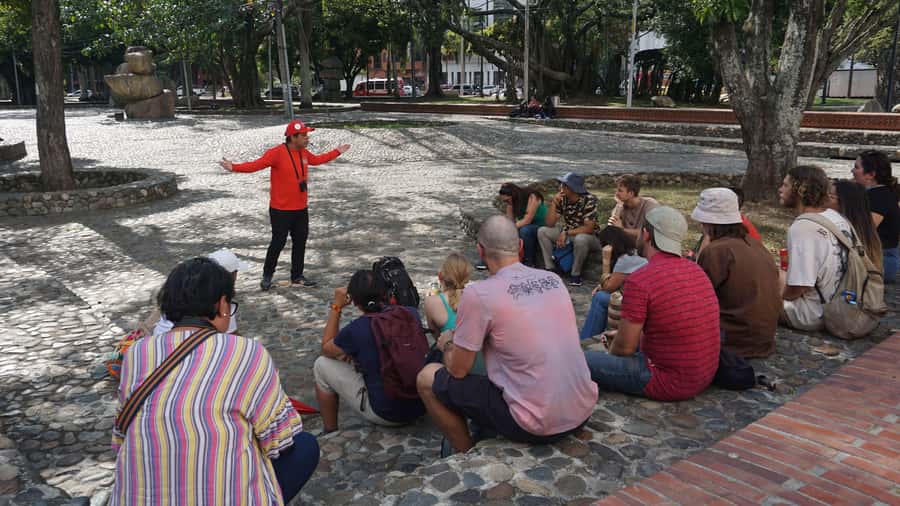
The graffiti portion is one of the most distinctive parts of the experience. You will see murals honoring salsa figures and their musical and social contributions. These images show how Cali remembers its artists and the role they played in shaping local identity.
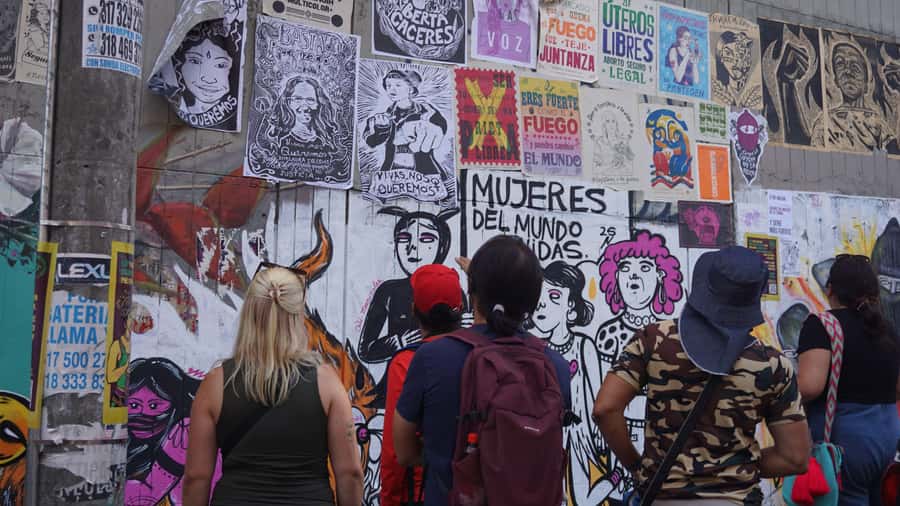
Then the tone shifts. At the Graffiti Monument to Victims N21, the art addresses victims and social conflict. Nearby messages connect with activist movements, popular causes, protest, solidarity, and resistance.
That contrast is central to the tour. The same walls can celebrate a singer, remember a painful event, and express a demand for change. Salsa and graffiti are presented as related forms of public communication. Both can carry memory. Both can bring people together. Both can give voice to people who might not have much power elsewhere.
You do not need a background in Colombian politics to follow the basic ideas. An open mind helps more than prior study. The guide’s job is to explain how Cali’s social outbreaks and protests have made art, music, and activism tools of resistance.
This is also the point where the tour may feel more serious than a standard city walk. If you want only dance lessons and colorful photos, parts of the discussion may feel unexpected. If you want to understand Cali beyond nightlife, this is a major strength.
The meaning of popular culture in Cali
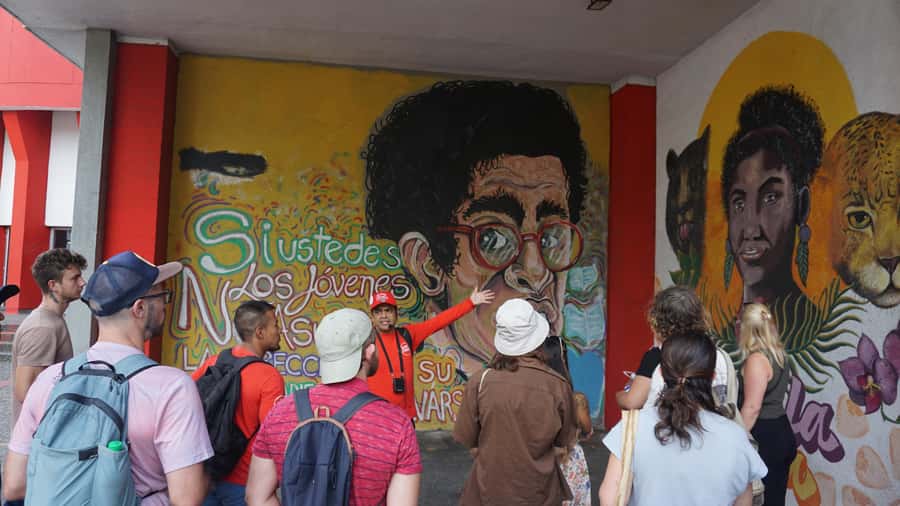
The tour’s strongest idea is that salsa is not just a genre. It is a social movement and a lifestyle built through shared experience.
The discussion places African emancipation at the center of the story. The musical traditions carried by ancestors became part of a wider cultural legacy. Caribbean rhythms, migration, musical exchange, and local creativity all helped shape the sound that Cali embraced.
That explanation gives the city’s salsa culture a human scale. You are not just learning dates or names. You are considering how music travels, how communities reshape it, and how a city makes an imported influence its own.
The guides are also praised for being animated and interactive. That matters because this subject could become heavy if delivered as a lecture. A lively guide can shift between history, music, street art, and local recommendations without losing the main point.
One useful detail from the feedback is that the guide may invite dancing or encourage you to respond physically to the music. You should be ready for a little movement. Nobody is promising a full dance class, but this is not a silent art walk.
What the guide adds to the experience
A great deal of the value depends on the guide. The tour company uses local English- and Spanish-speaking guides, with an optional Spanish audio guide also available.
Cristian, Christian, and Chris receive especially strong praise for enthusiasm, storytelling, and personal connection. Different spellings appear in the available information, so check the assigned guide when you book. Do not assume a particular person is guaranteed.
The best guides make the route feel connected rather than scattered. They explain why a salsa mural belongs next to a political message, why a public square matters, and how nightlife fits into the larger culture.
The guide can also shape your evening. Useful recommendations include salsa bars and restaurants, and one visitor used a food suggestion for a meal afterward. These tips are not part of the paid inclusions, but they can help you decide where to eat or dance once the walk ends.
Is $13 good value for 150 minutes?
At $13 per person, I consider this a strong-value introduction to Cali. You receive a professional local guide, two and a half hours of walking, several major public sights, salsa history, street-art interpretation, and recommendations for salsa venues.
The price does not include food, drinks, souvenirs, transportation, or paid entrances. In this case, that is not a major weakness because the route is built around public streets, plazas, murals, and open spaces. You are paying mainly for the explanation and the route design.
The shared format keeps the cost down. It also means you cannot expect the freedom of a private tour. The guide must balance different walking speeds and interests, and the group may not stop as long as you would at every mural.
For someone who wants to understand Cali before going out at night, the price is easy to justify. For someone who only wants to dance, a class or club may be a better use of time.
Timing, walking distance, and what to bring
The tour lasts approximately 150 minutes, although the description also calls it about two hours. Plan for roughly two and a half hours so you are not rushing to another booking.
The route covers about 8 kilometers, with pauses for explanations. That is a substantial walk in warm weather. Bring water or another preferred drink, wear comfortable shoes, and choose easy clothing rather than dressing for a night out.
Bring a camera for the murals, but use it sensibly in crowded areas. Smoking is not allowed during the activity.
The tour is available in English and Spanish. The optional audio guide is in Spanish. Free cancellation is available up to 24 hours before the start, and you can reserve now and pay later, which helps if your schedule in Cali is still shifting.
Who should book this salsa and graffiti walk?
I would recommend it to first-time visitors who want cultural context before exploring Cali’s nightlife. It also suits people who enjoy street art, social history, local music, and city walks more than formal museums.
It is a good choice if you want practical recommendations at the end. The guide can point you toward salsa bars, and the tour may give you enough confidence to go dancing later, even if you are not an expert.
I would hesitate if you dislike long walks, crowded streets, or discussions about protests and social conflict. The tour is also not suitable for wheelchair users. A private experience may suit you better if you need frequent stops or want to spend extended time at one place.
Final verdict: book it for context, not just choreography
Book this tour if you want to understand why salsa is central to Cali’s identity. The best parts are the links between music, African cultural legacy, public art, protest, and everyday city life.
Do not book it expecting a full dance class, a private route, or a short sightseeing loop. You will walk a lot, share the guide with other people, and spend time on serious subjects.
For $13, the experience offers an unusually useful introduction to Cali. It may change the way you hear the music later that night, and that is exactly what a good city tour should do.
FAQ
Where does the tour meet?
The meeting point is at Plazoleta Jairo Varela. Look for the red umbrellas.
How long does the tour last?
The activity lasts approximately 150 minutes, or about two and a half hours.
How far will I walk?
You should expect to walk about 8 kilometers, with stops to rest and listen to the guide.
Which languages are available?
The live tour guide is available in English and Spanish. An optional audio guide is available in Spanish.
What does the $13 price include?
The price includes a professional Beyond Colombia guide, salsa history and cultural explanation, sightseeing connected to Cali’s salsa movements, street-art content, and recommendations for salsa bars.
Are food and drinks included?
No. Food, drinks, and souvenirs are not included.
Do I need to pay entrance fees during the route?
No sudden entrance charges apply, and the tour does not take you to places where extra admission costs are required.
What should I bring?
Bring comfortable shoes, water or another drink, and a camera. Keep your belongings close in crowded areas.
Just added around Colombia
- Comuna 13 Neighborhood & Street Art Private Tour★ 4.7 · 12 reviews
- Medellín Comuna 13 local guides snacks and your own graffiti★ 4.9 · 13 reviews
- Medellin: Graffiti Tour Comuna 13★ 4.1 · 14 reviews
- Graffiti Tour: a fascinating walk through a street art City★ 5.0 · 5 reviews
- Comuna 13: Recorrido de Arte Urbano, Cultura y Resiliencia★ 5.0 · 3 reviews
- Fun Graffiti Workshop: The Art of Aerosol and Color★ 5.0 · 3 reviews
- Complete Tour in Comuna 13: Graffiti, History and Street Delights★ 5.0 · 11 reviews
- Comuna 13: Graffiti tour & Street Food/drink with telesferic★ 4.4 · 19 reviews
Colombia Mural Tours, compared.
Comuna 13 Graffiti Tour, Cable Car & Street Food
Read our review →
Comuna 13 Tour with Snacks And Your Own Graffiti
Read our review →
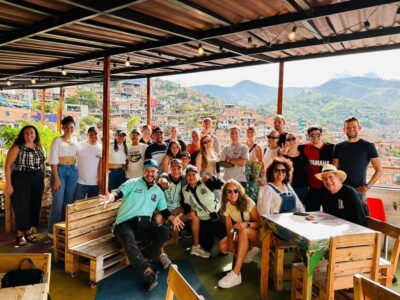
Comuna 13 and Graffiti Guided Tour with a Local
Read our review →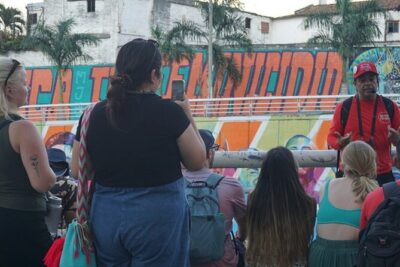
Historical Shared Tour Salsa, Graffiti & Resistance in Cali
Read our review →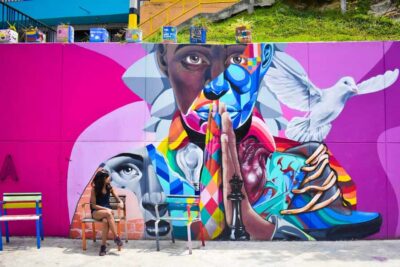
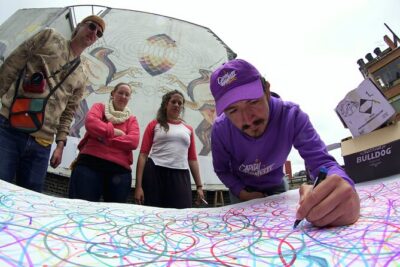
Fun Graffiti Workshop: The Art of Aerosol and Color
Read our review →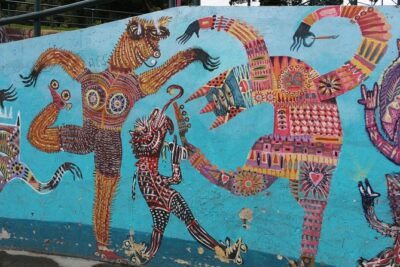
Graffiti Tour in La Candelaria Bogotá with Transportation
Read our review →Browse the lists this tour appears in