
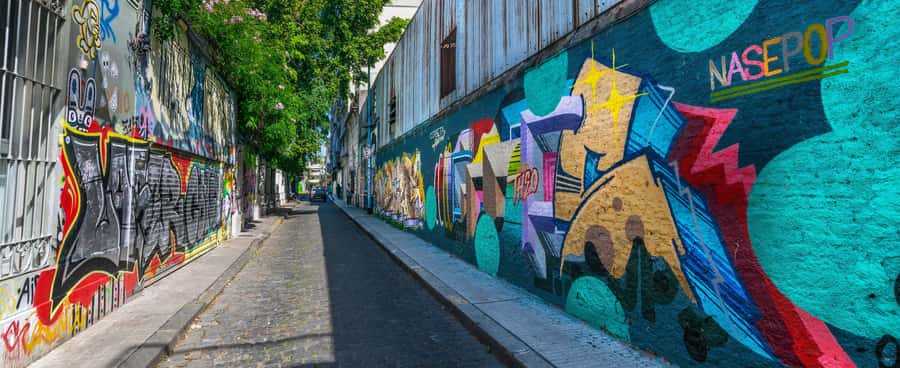
REVIEW · BUENOS AIRES MURAL TOURS
Palermo: Graffiti and Street Art Guided Tour in English
Art tells Palermo’s story best. This two-hour walk through Buenos Aires pairs eye-catching murals with the political history behind them, from election propaganda in the 1920s to protest art shaped by military rule. I especially like the low $13 price and the way the tour connects painted walls to Argentine politics, football, and daily life. The main consideration is that this is a walking tour in all weather, and some groups may be large.
I also like the clear start and finish: you meet at Plaza Serrano, known locally as Plaza Cortázar, and finish at Plaza Inmigrantes de Armenia. Guides such as Juan, Vito, Victor, Aylen, and Elina have earned praise for humor, energy, and strong local knowledge. If you want a quick, lively introduction to Palermo Soho, this is a very good use of two hours.
Key points to know before you book
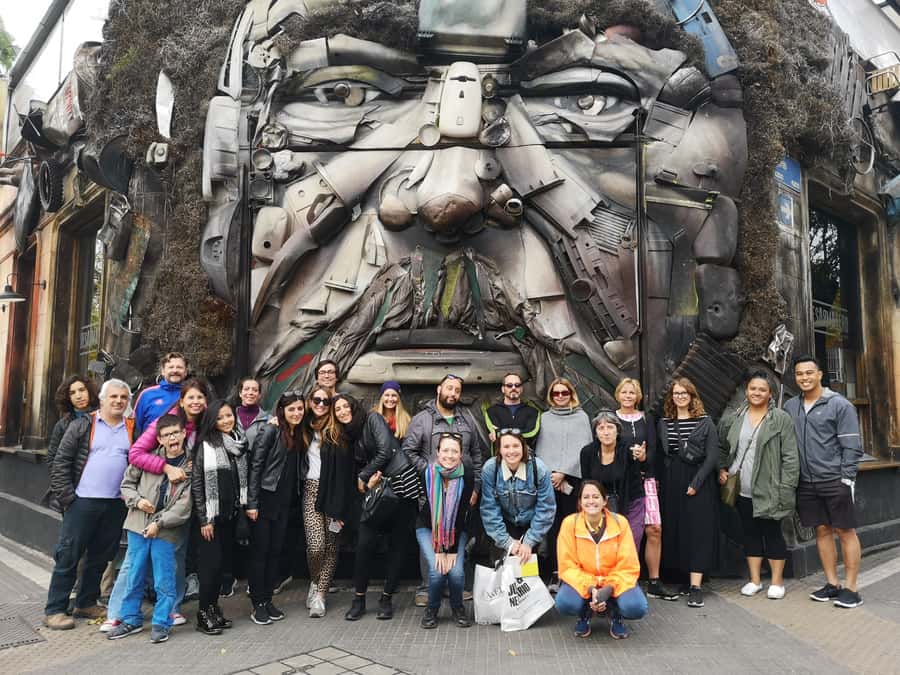
- See the Trump Wall at Madison Avenue Bar: This is one of the tour’s most unusual photo stops and a useful example of how street art can comment on public figures and politics.
- Trace graffiti back to the 1920s: The guide explains how painted messages were used for political endorsement, propaganda, and election campaigns.
- Learn why aerosol paint mattered in 1969: Faster application changed how people could write messages in public spaces during a tense period in Argentina.
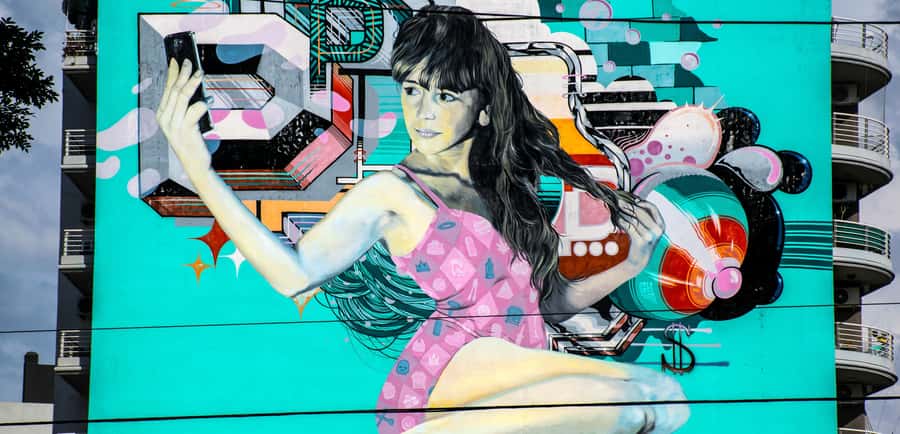
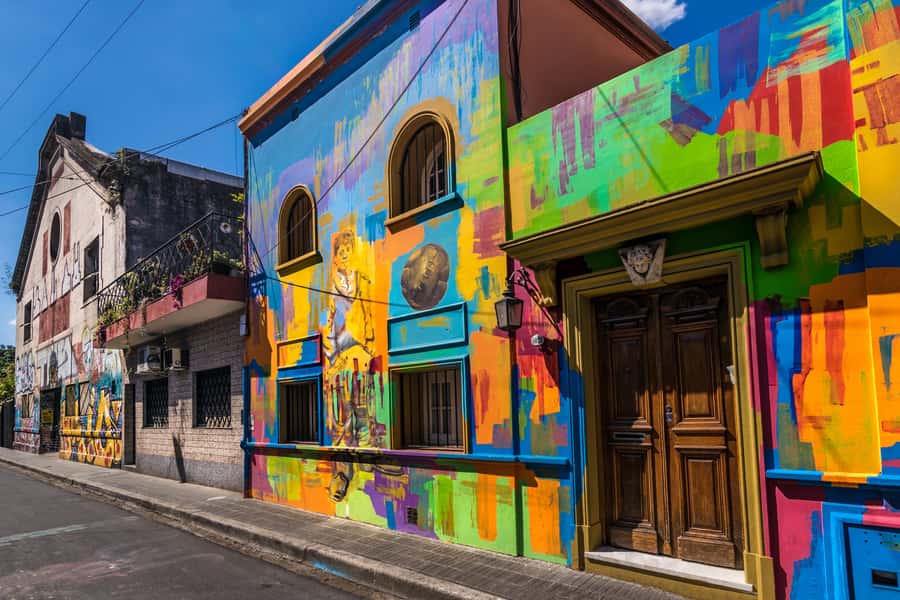
- Walk through Palermo’s art-filled streets: The route mixes murals, graffiti, football imagery, butterflies, and different artistic styles.
- Expect an entertaining guide: Juan, Vito, Victor, Aylen, and Elina are among the guides praised for clear explanations, humor, and enthusiasm.
- Pay little for a full introduction: At $13, the tour offers strong value if you want context rather than simply taking pictures of walls.
Starting at Plaza Serrano, Palermo’s easy meeting point
The tour begins at Plaza Serrano, also called Plaza Cortázar, at the corner of Jorge Luis Borges and Honduras streets. Look for the guide in an orange shirt near the large PALERMO sign. That clear visual marker matters in a popular part of town where several streets meet and cafés, shops, and pedestrians can make a meeting point feel less obvious.
Plaza Serrano is a practical place to begin because it puts you directly in Palermo’s social center. You do not spend the first part of the tour waiting for a vehicle or riding across town. You start on foot, with the neighborhood around you and the first murals close at hand.
The route finishes at Plaza Inmigrantes de Armenia. Since there is no hotel pickup or drop-off, you need to make your own way to Plaza Serrano and arrange your onward plans from the finish. That is not a serious drawback for an independent visitor, but it is worth planning around if you have a timed reservation elsewhere.
The walk is offered in English with a live guide. It is also listed as wheelchair accessible. Because the tour continues in rainy weather, bring clothing suited to the forecast. The experience is outdoors from beginning to end, so comfortable walking shoes and a phone or camera are sensible choices.
More Graffiti Tours in the world:
- Medellin: Comuna 13 Graffiti Tour, Cable Car & Street Food
★ 4.8 · 9,046 reviews - Wynwood Graffiti Golf Cart Small-Group Tour
★ 5.0 · 1,646 reviews - London: Street Art and Graffiti Guided Walking Tour
★ 4.9 · 1,354 reviews
Palermo through painted walls, not just pretty façades
The best feature of this experience is its focus on meaning. You will see colorful public art, but the guide also explains why certain kinds of writing and painting mattered in Argentina. That gives you a better way to read the city after the tour.
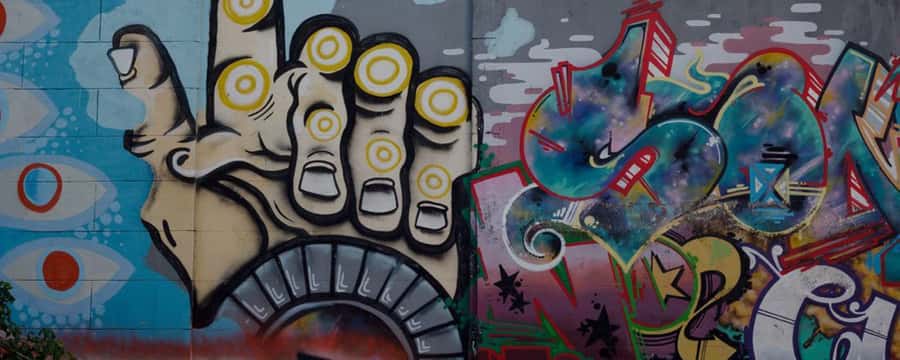
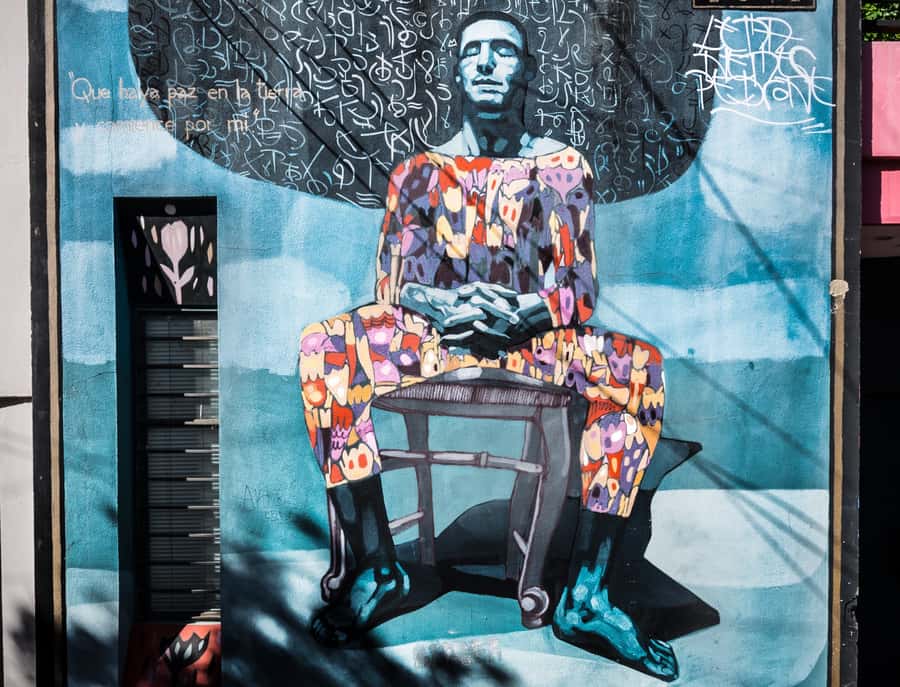
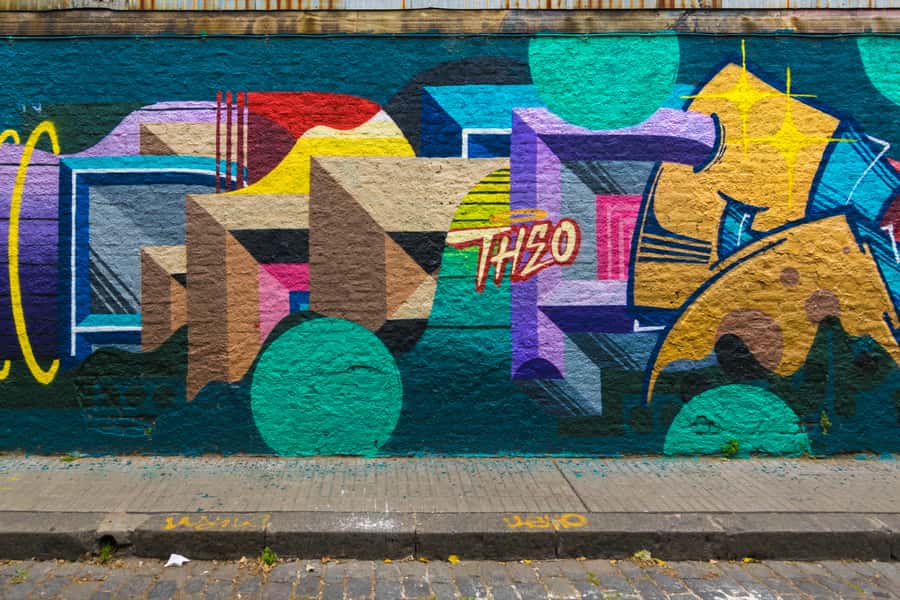
The streets of Palermo contain many styles. You might see football murals, large figurative works, butterflies, lettering, and smaller pieces placed among everyday buildings and businesses. The range keeps the walk from feeling like a single-theme gallery. One moment may be about an artist’s style, and the next may lead into sport, politics, or neighborhood identity.
A guide can point out details that are easy to miss when you walk alone. That includes the difference between a mural made with permission and writing treated as vandalism, a point that adds useful social context. You are not simply told that a wall looks good. You learn how public art occupies shared space and why people react to it differently.
I would bring a camera, but do not expect every stop to be a formal photo opportunity. The value comes from the explanation as much as the image. A quick photograph can preserve the color, while the guide’s story helps you understand why the work is there.
The political roots of Argentine graffiti
The historical section is what makes this more than a casual art stroll. The guide takes you back to the 1920s, when painted messages could support political movements, promote candidates, and spread campaign ideas. In that setting, graffiti was not only an act of personal expression. It could function as public persuasion.
That background helps explain why walls matter in Argentine cities. Before modern digital communication, a visible message on a wall could reach people moving through the neighborhood. The guide describes graffiti as a form of political endorsement and propaganda, giving you a clearer sense of how public writing became tied to social conflict.
The story then moves to 1969 and the arrival of aerosol paint. The new material allowed messages to be written much faster than before. That practical change had a major effect: people could act quickly, cover more space, and respond to events with less preparation.
The tour links this development to the military government and the urban movements of the 1970s. You hear how protest activity grew and how Argentinians became more involved in public demonstrations. This part may be more serious than the colorful walls suggest, but that contrast is useful. The cheerful paint does not erase the conflict behind some of the messages.
The historical explanation is delivered as part of a walk rather than a classroom lecture. Guides are praised for keeping the subject light enough to follow while still treating politics and social tension with care. Juan is often singled out for mixing factual material with personal stories and humor, while Vito is praised for explaining the art and its cultural setting with energy.
The Trump Wall at Madison Avenue Bar
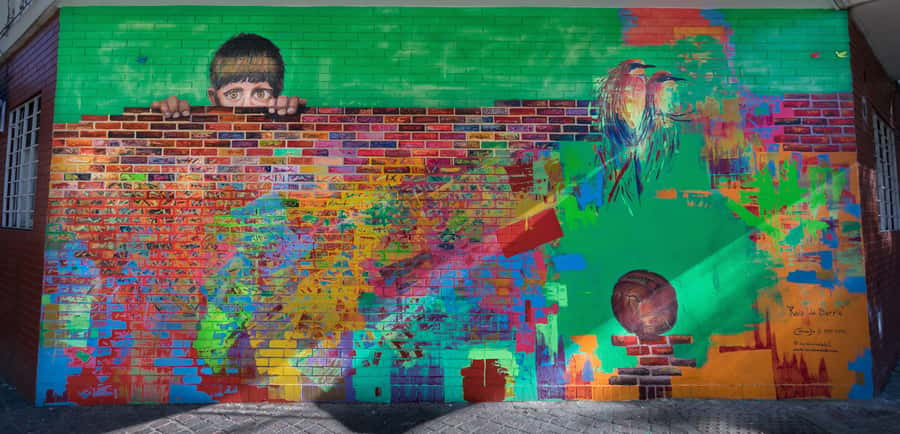
The Trump Wall at Madison Avenue Bar is one of the named stops and an obvious place to take pictures. It gives the route a current political edge and shows how public art can respond to recognizable figures and modern debates.
This stop also helps tie the tour’s older history to the present. The guide’s larger theme is not that all graffiti has one message. It is that walls can carry campaign material, protest, satire, neighborhood identity, and artistic expression. The Trump Wall fits into that wider story.
You will want a moment to look closely rather than rush through for a photograph. Ask the guide about the work’s message and place in the route. The experience is designed for questions, and several guides have been praised for responding thoughtfully to participants.
More Guided Tours in the world:
- Berlin: City Street Art Guided Walking Tour
★ 4.8 · 1,051 reviews - Glasgow: Street Art Guided Walking Tour
★ 4.8 · 385 reviews - Dresden: Neustadt District Street Art Guided Walking Tour
★ 4.3 · 333 reviews - 3-Hour Guided Street Art Walking Tour of Lisbon
★ 5.0 · 278 reviews
What the guide adds to the walk
The guide is central here. Without one, you could certainly see painted walls in Palermo, but you would miss much of the political and artistic background. The strongest praise is directed at the guides’ ability to make information easy to follow while keeping the group involved.
Juan is described as warm, funny, and proud of Argentina. He also brings football into the conversation, which makes sense in a city where the sport is closely tied to identity. Vito is praised for passion, energy, and clear explanations of artists and street-art culture. Victor is noted for bringing enthusiasm to both the art and the wider culture.
Aylen and Elina have also received praise for strong presentations. Elina is described as entertaining and well informed about both Buenos Aires and its art. Aylen is praised for combining humor with serious knowledge and for showing interest in the people on the tour.
This range of guide styles means the tone can vary from one departure to another. That is normal for a live walking tour. The consistent point is that the guides are expected to explain, answer questions, and keep the group moving.
Group size may also vary. One account describes a large group that was well managed and easy to hear, while other comments refer to a smaller group. If you prefer intimate tours, you should keep that uncertainty in mind. The orange shirt and large PALERMO sign help the guide gather people, but they do not guarantee a small departure.
A two-hour pace that earns its place in your day
Two hours is a sensible length for this subject. It gives the guide time to explain the political background without turning the walk into an all-day commitment. The route is long enough to show different works and short enough to fit around lunch, dinner, or another Palermo visit.
The pace has generally been described as comfortable and well balanced. You will be standing and walking for the full experience, with time to listen and take pictures. The duration also makes this a good first activity in Buenos Aires. It introduces Palermo while giving you ideas for what to notice if you return on your own.
The finish at Plaza Inmigrantes de Armenia is useful for continuing your afternoon in the same general part of Palermo. The tour does not include food or drinks, so plan a café stop separately. That is easy to do in Palermo, but the tour itself does not build in a meal break.
Rain does not cancel the walk. That is helpful for a fixed itinerary, though it means you should not book it expecting an indoor backup plan. A rain jacket, protected phone, and footwear with a good grip will make the experience more comfortable.
Is $13 good value?
Yes, especially if you care about context. At $13 per person, you are paying very little for a live English explanation, a two-hour neighborhood walk, and access to artworks you might otherwise pass without understanding.
The value is not based on the number of walls alone. You could walk through Palermo and photograph colorful murals for free. The paid element earns its price through the stories: how campaign writing worked, why aerosol paint changed public messages, and how protest culture developed under military rule.
The price also works well for a first-time visitor who wants to test an interest in street art. You do not need to commit to a full-day art program. If the subject grabs you, the tour gives you a foundation for later exploring Buenos Aires on your own.
The main limitation is that you should not expect a specialist museum course. The tour blends art, politics, social conflict, football, and local culture. That mix is a strength for most visitors, but someone seeking a narrow technical study of spray-paint methods or individual artists may want a more focused experience.
Booking can remain flexible because you may reserve now and pay later. Cancellation is free up to 24 hours before the tour for a full refund. Those terms are useful when your Buenos Aires schedule is still changing.
Who will enjoy this Palermo walk?
I would recommend it most strongly to you if you like cities explained through everyday places. You do not need a background in art, politics, or Argentine history. The guide provides the setting, and the paintings give you something concrete to look at while you listen.
It suits photographers, curious first-time visitors, and anyone who wants more from Palermo than shopping and cafés. Football fans may also enjoy the way sport appears in the art and conversation.
The tour may be less suitable if you dislike walking outdoors, want a private experience, or need a guaranteed small group. It is also not the right choice if you only want famous landmark sightseeing. The subject is public art and the ideas behind it, not a checklist of Buenos Aires monuments.
For wheelchair users, the activity is listed as wheelchair accessible. Still, because the experience takes place on city streets and continues in rain, it is sensible to confirm any specific mobility needs before booking.
My verdict on the Palermo street-art tour
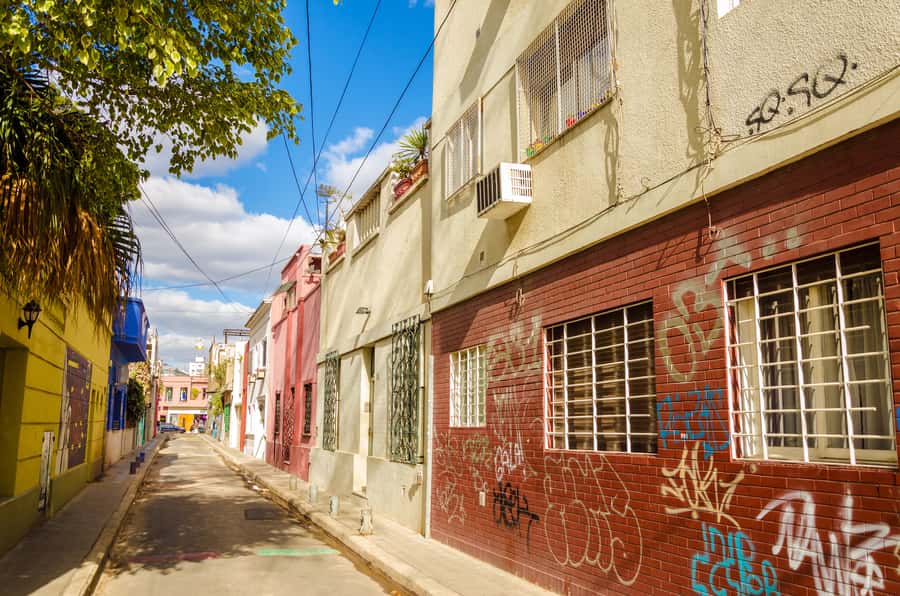
I would book this tour if I wanted an affordable introduction to Palermo with real local context. The combination of street art, political history, football culture, and lively guiding gives the walk more substance than a simple mural hunt.
The strongest reason to go is the explanation of how public writing developed from political messaging in the 1920s through aerosol paint and protest movements in the 1970s. Add the Trump Wall, the range of murals, and guides such as Juan, Vito, Victor, Aylen, and Elina, and $13 looks like a very fair price.
Skip it only if you have limited mobility, dislike uncertain group sizes, or prefer indoor art collections. For most visitors who want to see Palermo with a sharper eye, this two-hour English walk is an easy recommendation.
FAQ
Where does the Palermo street-art tour begin?
It begins at Plaza Serrano, also known as Plaza Cortázar, at the corner of Jorge Luis Borges and Honduras streets in Palermo.
How do I find the guide?
Look for a guide wearing an orange shirt near the large PALERMO sign.
Where does the tour finish?
The walk ends at Plaza Inmigrantes de Armenia.
How long does the tour last?
The guided walking tour lasts two hours.
What language is the tour offered in?
The tour is conducted in English by a live guide.
Is the tour wheelchair accessible?
Yes, the activity is listed as wheelchair accessible.
Does the tour run if it rains?
Yes. The tour continues even in rainy weather.
Are food, drinks, and hotel transfers included?
No. Food, drinks, hotel pickup, and hotel drop-off are not included.
Just added around the world
- Your Own Belgrade: Street Art and Hidden Gems Walking Tour★ 5.0 · 2 reviews
- Vancouver: Street Art & Craft Coffee Walking Tour w/ Tasting★ 4.8 · 11 reviews
- Wynwood Walls Street Art & Neighborhood Walking Tour★ 4.9 · 9 reviews
- Xochimilco floating gardens, Coyoacan and UNAM murals★ 4.0 · 6 reviews
- UNAM: Murals & Revolution★ 4.9 · 8 reviews
- Urban Canvas: Osaka Street Art Bike Tour★ 5.0 · 10 reviews
- Vancouver: Street Art & Craft Beer Walking Tour with Tasting★ 4.8 · 14 reviews
- Small-Group Graffiti Tour and Workshop in El Carmen★ 5.0 · 2 reviews
Buenos Aires Mural Tours, compared.
Maradona Tour: Murals, Chapel, Stadium, Museum, Casa D10S
Read our review →
Buenos Aires Palermo Street Art Private Walking Tour
Read our review →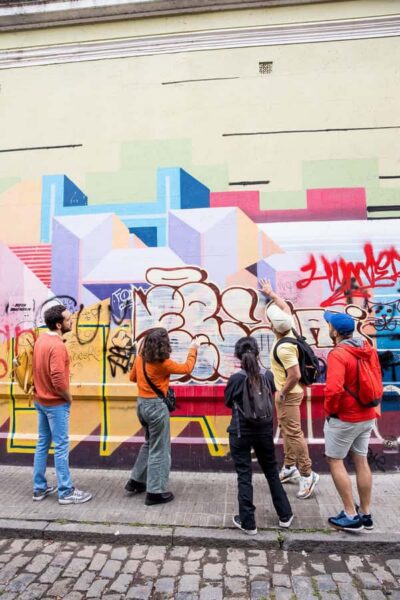
Browse the lists this tour appears in