
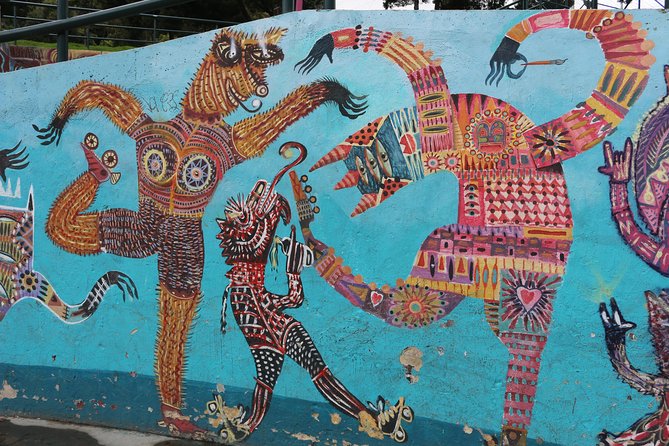
REVIEW · BOGOTA MURAL TOURS
Graffiti Tour in La Candelaria Bogotá with Transportation
Street art tells Bogotá’s story. This three-hour private tour through La Candelaria links striking murals with the city’s politics, Indigenous roots, and changing identity. I especially like the focus on local artists rather than only famous landmarks, and the hotel pickup and drop-off make the outing easy to manage. The main caution is timing: one person received closer to two hours of touring, so confirm the schedule when you book.
I also like that the route reaches places many visitors might miss, including the narrow mural-filled street near La Candelaria marketplace and works by women such as Bastardilla, Vera, Ledania, and Erre. Guides including Lorena, Luis, Gerald, Christian, Natalie, and Lenora have been praised for explaining the meaning behind the images, not simply pointing at painted walls. One past participant found the driver’s road style too aggressive, so mention any transport concerns at pickup.
Key points to know before booking
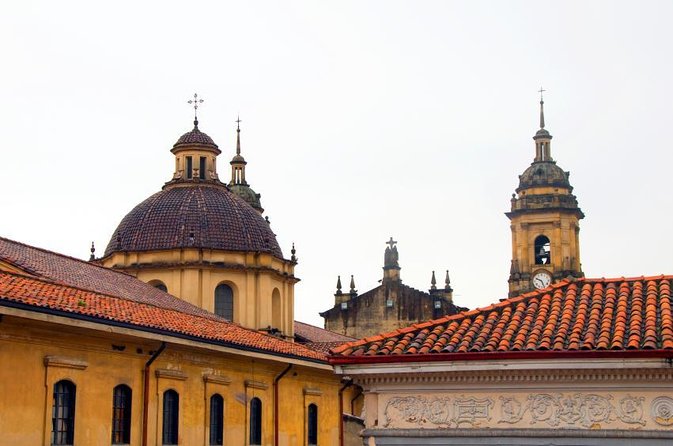
- The art comes with context: Learn how Bogotá’s graffiti connects to politics, Indigenous ancestry, social tension, and city identity.
- The route goes beyond the main streets: See murals around Chorro de Quevedo, La Concordia, Journalists Park, and lesser-known lanes.
- Women artists receive real attention: Works by Bastardilla, Vera, Ledania, and Erre are part of the story, not an afterthought.
- Private transport saves time: Hotel pickup, drop-off, and a private vehicle help you cover more ground in three hours.
- The guide can shape the experience: English and Spanish tours are available, and past guides have been praised for artist knowledge and friendly service.
- Plan for changing weather: The tour runs rain or shine, and lunch is not included.
Why La Candelaria is the right place for a graffiti tour
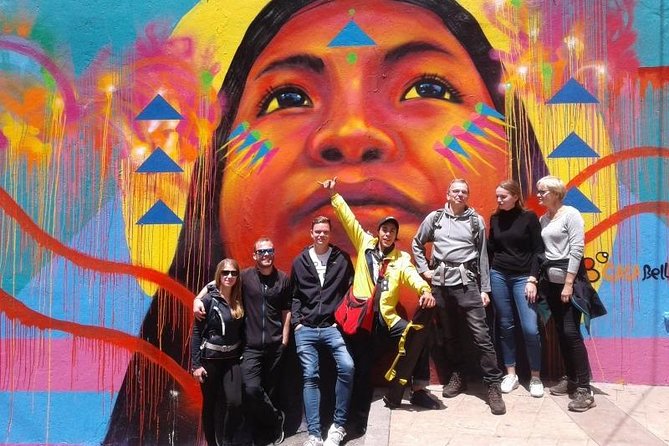
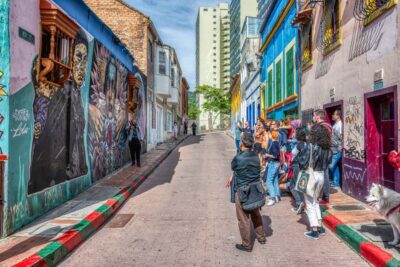
La Candelaria is Bogotá’s old central district, but this tour does not treat it as a museum frozen in the past. Its painted walls show how the city argues with itself, remembers its origins, and gives public space to artists.
That makes the tour more than a hunt for colorful backdrops. You learn why a figure, animal, symbol, or face appears on a wall and how the work relates to local culture. A guide can also explain the difference between simply spotting graffiti and reading it as a public message.
The route begins at or near Chorro de Quevedo Square, a useful starting point because it puts you close to the district’s older streets and artistic center. From there, the walk moves through lanes, plazas, markets, and public gathering places. You get a mix of major sights and less obvious corners.
I like this format for a first visit to Bogotá. You see art, but you also gain a basic map of central Bogotá’s social and cultural life. The walking portion lasts about two hours, with transportation helping at the beginning and end.
More Graffiti Tours in Colombia:
- Medellin: Comuna 13 Graffiti Tour, Cable Car & Street Food
★ 4.8 · 9,046 reviews - Medellín: Comuna 13 Tour with Snacks And Your Own Graffiti
★ 4.9 · 311 reviews - Bogotá: La Candelaria Graffiti & Urban Art Guided Tour
★ 4.7 · 250 reviews
Chorro de Quevedo and the first wall stories
Chorro de Quevedo Square is the opening point for the art history portion of the tour. Here, your guide introduces Bogotá’s connection to graffiti and begins identifying artists whose work appears around La Candelaria.
You may see pieces associated with Ledania, 3 Manos, Wosnan, and Ocio4. These names matter because the tour treats the murals as the work of individuals with distinct styles and concerns. Instead of hearing only a general explanation about street art, you get a closer look at who made the work and how local artists have shaped the district.
This is also where the tour begins tying art to city history. The square is not presented as an isolated photo stop. It serves as a doorway into the older streets, where paintings can feel personal, political, playful, or difficult to interpret without help.
Your guide’s role matters greatly here. Luis was praised for explaining both Bogotá and the meaning of graffiti, while Lorena was described as friendly and enthusiastic about the subject. If you enjoy asking questions, this is a good place to ask about technique, symbolism, and how artists’ intentions are understood.
The narrow street that remembers Indigenous ancestry
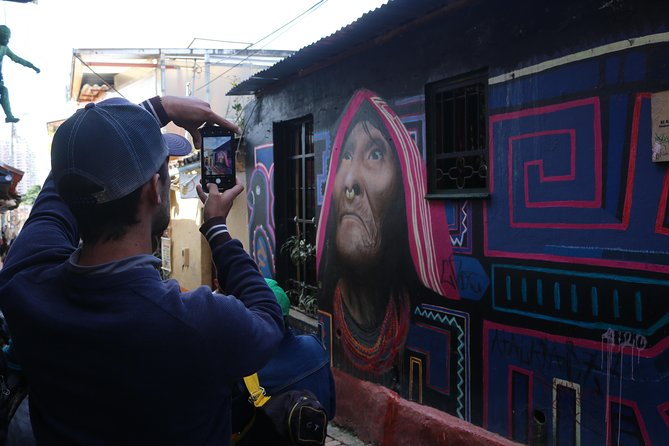
One of the more distinctive stops is a narrow street filled with murals that retell the Indigenous ancestry of the city. This gives the tour a clear purpose: it is not only about modern design, but also about older identities and the way artists bring them into public view.
You can expect the space to feel tighter and more intimate than a large plaza. That changes how you see the paintings. Instead of viewing one wall from a distance, you move through a concentrated series of images. The guide explains how the murals relate to Bogotá’s origins and how the artists use visual storytelling.
The route includes work by Carlos Trilleras, along with murals by Wosnan and Ocio4. Knowing the artists’ names gives you a better way to remember what you see. It also helps you notice that La Candelaria’s graffiti is not one single style. Different artists use different symbols, colors, and approaches to tell their part of the story.
If you take photographs, this section deserves time. The narrow setting can make wall art harder to frame, especially if other people are passing through. Listen first, then take your pictures. The explanation is what turns the stop from a colorful alley into a meaningful part of the tour.
La Concordia, its market, and the city’s pressure points
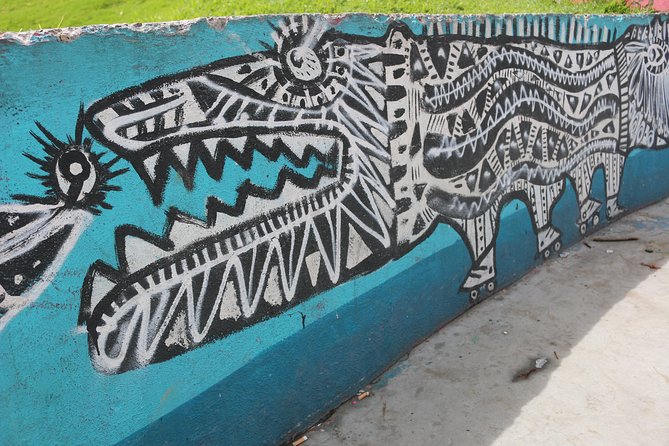
The tour continues to Park of La Concordia and La Concordia marketplace. This is one of the most useful stops for understanding how public art connects with everyday Bogotá.
The park and market are described as a meeting point where different ideas and influences come together. That makes the area important beyond its appearance. It has helped shape the identity of downtown Bogotá, and the graffiti reflects that mix of voices.
Your guide can help you read this location as a place of tension as well as exchange. Markets, plazas, and public walls often bring together people with different interests. Artists use that setting to make statements, record memories, or challenge accepted versions of the city.
This is also where the tour’s social and political angle becomes clearer. You are not asked to treat every mural as a simple decoration. The paintings can reflect disagreement, memory, cultural pride, and the pressure of a city changing over time.
The marketplace also adds a more ordinary side to the walk. You are not moving from one polished art display to another. You pass through a working area that helps explain why street art matters in public life. Lunch is not included, so this stop does not replace a meal break, but it may help you decide where to eat later.
A few more mural tours around Colombia worth a look
- Medellín: Comuna 13 and Graffiti Guided Tour with a Local
★ 4.9 · 239 reviews - Historical Shared Tour Salsa, Graffiti & Resistance in Cali
★ 5.0 · 107 reviews - Medellín: Private Comuna 13 Street Art Tour
★ 4.8 · 88 reviews - Fun Graffiti Workshop: The Art of Aerosol and Color
★ 5.0 · 73 reviews
The women shaping Bogotá’s public art
One of the strongest parts of the route is its attention to women artists. The tour highlights works by Bastardilla, Vera, Ledania, and Erre, showing how women have helped develop and spread Bogotá’s street art.
That focus is important because a quick walk through a graffiti district can easily become a list of large, famous-looking walls. Here, the guide gives you a broader picture. You learn to look for the subjects, symbols, and messages that women artists bring to the city’s public spaces.
Ledania appears earlier in the route as well, which gives you a chance to place one artist’s work in more than one part of La Candelaria. Bastardilla, Vera, and Erre add further examples of the range of women’s voices represented in the district.
I find this section particularly useful for anyone who wants more than a standard photo walk. It asks you to pay attention to who gets space on the wall and how artists use that space. It also prevents the tour from presenting Bogotá’s graffiti as a male-only story.
Journalists Park and the final stop at Café Herencia
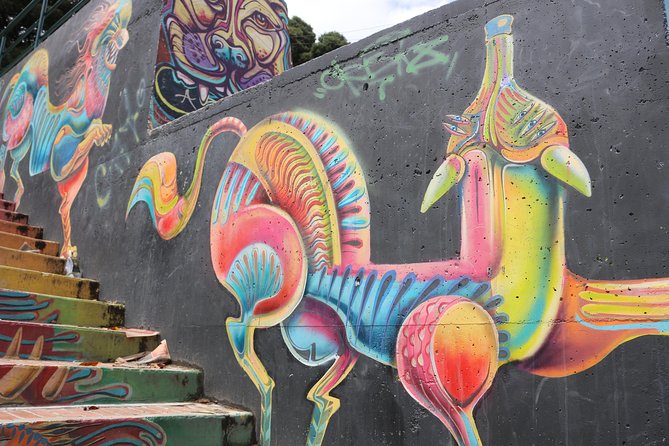
The route follows picturesque streets toward Journalists Park. In the 1960s, journalists, poets, and writers gathered there, giving the park a connection to Bogotá’s literary and media life.
That background fits the tour well. Graffiti also uses words, images, and public space to shape discussion. The park links the city’s older tradition of writers and journalists with the newer practice of artists communicating through walls.
The final stop is Café Herencia, where you can see more work by Carlos Trilleras. Ending indoors or at a café gives the tour a calmer finish after the walking route. It also brings the focus back to a specific artist rather than ending with a broad view of the district.
The café stop is not presented as a full meal, and lunch is not part of the price. Think of it as the final art stop, with the option to continue your own plans afterward. Gerald has also sent restaurant suggestions to participants after tours, a thoughtful touch if you need help choosing where to eat next.
What the private transport adds
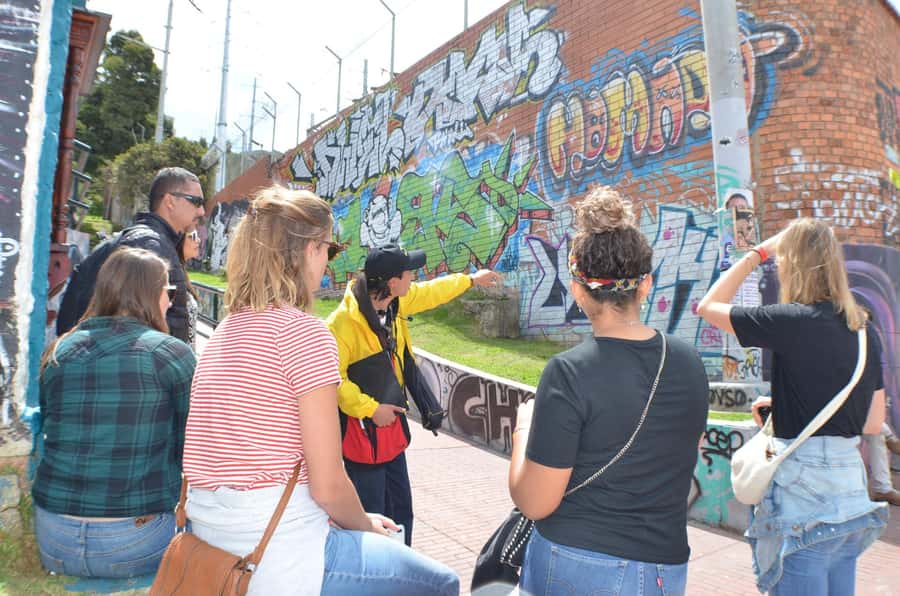
At $48 per person, the price needs to be judged against the full package. This is not just a guided walk. It includes a private group, hotel pickup and drop-off, private transportation, a live guide, insurance, and a coca leaf tea tasting.
The vehicle is useful in Bogotá because it removes the need to arrange your own way to and from La Candelaria. It also keeps the experience simple if you are staying outside the old district. For a private group, that convenience can make the cost reasonable, especially if you prefer not to spend time organizing taxis.
Still, transport quality is part of the experience. One person found the driver too aggressive on the road, while another specifically described the driver as professional. Experiences can vary, but you should feel free to raise concerns during the ride.
The tour is listed at three hours, with about two hours of guided walking and shorter stops at places such as Chorro de Quevedo and Bolívar Square. One participant reported a tour lasting about two hours, so you may want to confirm the expected start and finish times before setting up another activity.
Guide quality can make or break the tour
The strongest praise is aimed at the guides. Christian was credited with explaining the history and meaning behind the paintings. Gerald discussed symbolism, artistic influences, intentions, and process, and also took photographs and sent them afterward. Natalie was praised for making the experience enjoyable, while Lenora and Lorena were described as friendly and well informed about the subject.
These details tell you what to look for in a good guide. The best version of this tour is not a fast walk past walls. It is a conversation about why the art exists, what it says, and how the artists fit into Bogotá’s culture.
English and Spanish are available. If you have questions about politics, Indigenous identity, women’s role in graffiti, or a particular artist, ask directly. The experience gains much of its value from the guide’s ability to connect the images with the city.
The tour is private, which is a real advantage for this subject. You can stop longer at a mural, ask about an artist, or adjust the pace without trying to keep up with a large group. A private format also makes it easier to take photos without holding up a crowd.
Weather, clothing, and practical planning
The tour runs rain or shine, so check the forecast and dress for Bogotá’s changing weather. You will spend much of the experience walking through streets and plazas, even though private transport handles the transfers.
Wear shoes suitable for a city walk. The provided information does not promise a meal, so eat beforehand or plan food after the tour. The coca leaf tea tasting is included and adds a small cultural element, but it should not be treated as lunch.
Allow extra time after the tour if you want to visit more of central Bogotá. The finish near Café Herencia places you in a useful area for continuing on foot, finding food, or returning to your hotel by the included transport.
Cancellation is flexible up to 24 hours before the tour for a full refund, and you can reserve now and pay later. Starting times depend on availability, so check the exact time before booking other plans.
Who should book this La Candelaria experience?
I would recommend this tour to first-time visitors who want a quick but meaningful introduction to Bogotá’s street art. It also suits anyone interested in politics, social history, Indigenous identity, women artists, and public art rather than only large murals for photographs.
The private format works well for couples, families, or small groups who prefer questions and conversation. Hotel pickup is useful if you do not want to arrange local transport yourself.
You may want a different experience if you want a long, relaxed art walk with plenty of time at each wall. The schedule is compact, and the report of a two-hour version suggests that timing can be tight. You should also think twice if you dislike walking in rain or prefer a tour that includes food.
Should you book it?
Book it if you want Bogotá’s graffiti explained through the city’s politics, ancestry, writers, markets, and artists. The route covers more than the obvious walls, and the emphasis on Bastardilla, Vera, Ledania, and Erre gives the experience a wider point of view.
At $48, the package is most worthwhile for people who value a private guide and door-to-door transport. If you are already staying in La Candelaria and only want to wander for free, the price may feel high. If you want context, artist names, and a simple three-hour plan, it is a strong choice.
Confirm the duration, ask for a comfortable driving pace, and keep lunch plans separate. Do that, and this tour offers a practical way to see La Candelaria through the eyes of the people who paint it.
FAQ
How long is the graffiti tour?
The tour is advertised as three hours, with about two hours of guided walking in La Candelaria. One past booking lasted closer to two hours, so confirm the timing before booking another activity.
What language is the tour offered in?
The live guide is available in English or Spanish.
Is this a private tour?
Yes. The experience is offered for a private group.
What is included in the price?
The price includes a tour guide, hotel pickup and drop-off, private transportation, a coca leaf tea tasting, and insurance.
Is lunch included?
No. Lunch is not included, so plan to eat before or after the tour.
Does the tour run in bad weather?
Yes. The tour takes place rain or shine.
Can I cancel for a full refund?
Yes. You can cancel up to 24 hours in advance for a full refund.
Just added around Colombia
- Comuna 13 Neighborhood & Street Art Private Tour★ 4.7 · 12 reviews
- Medellín Comuna 13 local guides snacks and your own graffiti★ 4.9 · 13 reviews
- Medellin: Graffiti Tour Comuna 13★ 4.1 · 14 reviews
- Graffiti Tour: a fascinating walk through a street art City★ 5.0 · 5 reviews
- Comuna 13: Recorrido de Arte Urbano, Cultura y Resiliencia★ 5.0 · 3 reviews
- Fun Graffiti Workshop: The Art of Aerosol and Color★ 5.0 · 3 reviews
- Complete Tour in Comuna 13: Graffiti, History and Street Delights★ 5.0 · 11 reviews
- Comuna 13: Graffiti tour & Street Food/drink with telesferic★ 4.4 · 19 reviews
Bogota Mural Tours, compared.
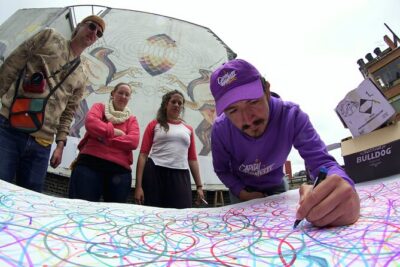
Fun Graffiti Workshop: The Art of Aerosol and Color
Read our review →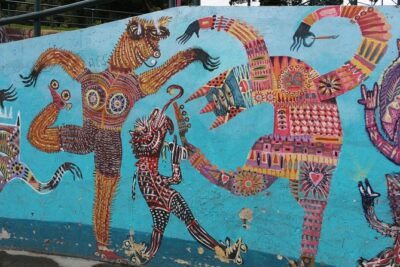
Graffiti Tour in La Candelaria Bogotá with Transportation
Read our review →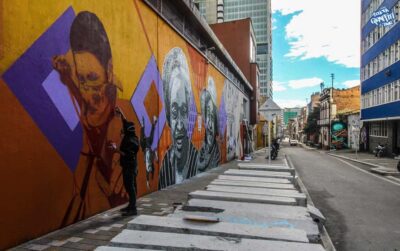
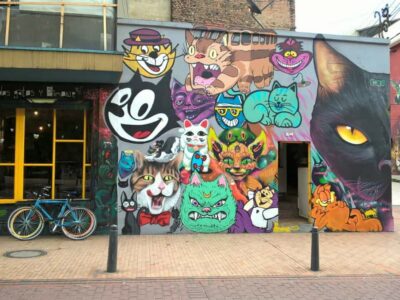
Graffiti Tour: a fascinating walk through a street art City
Read our review →Browse the lists this tour appears in