
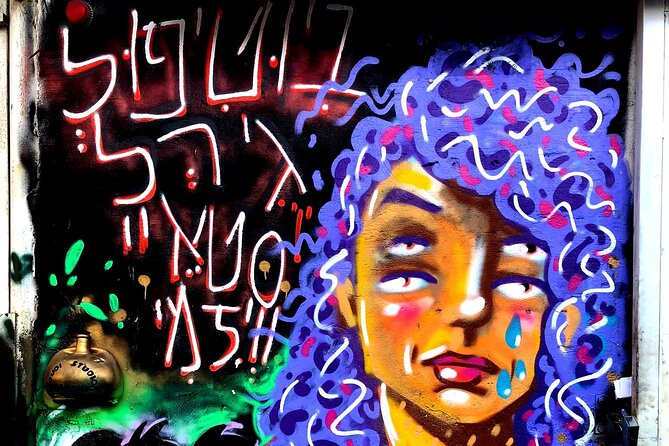
REVIEW · TEL AVIV MURAL TOURS
Tel Aviv Street Art & Graffiti Tour
Look up, down, and all around. This 90-minute walk turns Tel Aviv’s streets into an open-air art lesson, taking you through Florentine and Nachalat Binyamin to see work that rarely appears in guidebooks or museums. I especially like the focus on artist stories and social messages, plus the chance to explore side streets and alleys far from the usual sightseeing route.
The guides bring real energy to the subject. Ari, Yan, Roey, Roni, Orel, Efrat, Dina, Alef, and others are praised for making the art easy to understand, often linking individual pieces to politics, culture, gentrification, and the artists’ own lives. The main drawback is the price: at $78 per person, this is not a cheap stroll, especially since it lasts about an hour and a half and includes no hotel pickup.
Key Points to Know Before You Go
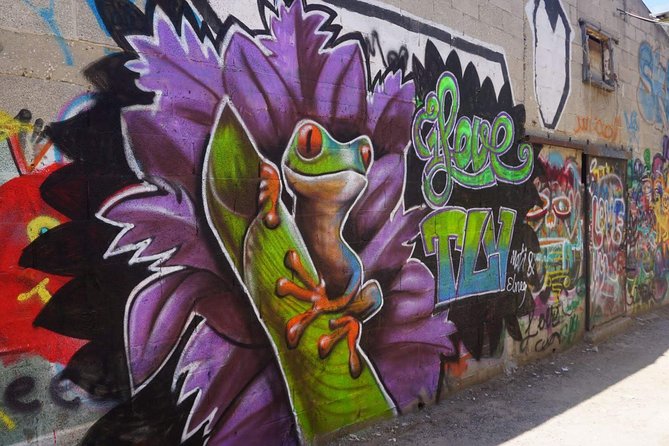
- Florentine is the main stage: This south Tel Aviv neighborhood has the city’s strongest concentration of graffiti, galleries, studios, and creative street life.
- Nachalat Binyamin adds a different feel: Its pedestrian mall works like an open-air gallery, with public art and a more organized setting than Florentine’s rougher walls.
- The guide makes the difference: The strongest part of the experience is the explanation behind the images, tags, symbols, politics, and personal stories.
- You can choose your timing: Morning and evening departures are offered in the tour description, while the listed start time is 12:00 p.m. Check the time shown when booking.
- The route includes changing Tel Aviv: The newer section follows the area of an old Ottoman railway and looks at urban renewal and gentrification alongside older graffiti.
- It is an easy city walk: No special fitness level or health requirement is listed, and the group can include up to 25 people.
Why Tel Aviv Graffiti Deserves a Closer Look

Street art is easy to treat as decoration. Tel Aviv rewards you for slowing down.
A painted wall may carry a political point, an artist’s signature, a private joke, or a comment on who gets to use public space. A guide can point out the difference between a quick tag, a carefully planned mural, and a work that has changed as other artists painted around it. Without that context, you might simply see a colorful wall and keep walking.
I like this tour because it treats graffiti as part of the city’s culture, not as a collection of pretty pictures. The discussion can include artistic methods, artist identities, political ideas, and the social changes taking place around the work. That gives the walk more weight than a simple photo stop.
The guides also appear to keep the tone relaxed. The praise for Ari, Yan, Roey, Roni, and the other guides repeatedly centers on their enthusiasm, humor, personal stories, and ability to answer questions. One guide is described as a graffiti artist himself, which can add a useful insider view of how the scene works.
You should still arrive with realistic expectations. This is not a museum visit with permanent displays and printed labels. Street art changes quickly. Pieces may be painted over, damaged, or gone entirely. That is part of the subject, but it also means the exact route and artwork can vary.
More Graffiti Tours in the world:
- Medellin: Comuna 13 Graffiti Tour, Cable Car & Street Food
★ 4.8 · 9,046 reviews - Wynwood Graffiti Golf Cart Small-Group Tour
★ 5.0 · 1,646 reviews - London: Street Art and Graffiti Guided Walking Tour
★ 4.9 · 1,354 reviews
Florentine: Tel Aviv’s Graffiti Headquarters
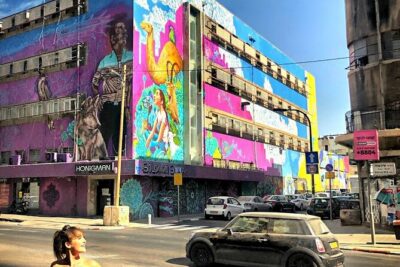
Florentine is the heart of the walk. The neighborhood is known for its concentration of graffiti and its creative identity, and the route uses side streets and alleys where the best work often appears.
This is where the tour’s street-level approach pays off. Instead of moving from one famous landmark to another, you look closely at walls, shutters, building fronts, and narrow passages. You may see work that is easy to miss from a car or on a standard city tour.
The guide’s role matters most here. You can expect explanations of who made particular pieces, how artists sign their work, and what certain images or symbols may mean. The strongest guides do not simply identify an artist. They connect the piece to the wider scene and tell the story in a way that helps you recognize related work later.
Roey receives especially strong praise for pointing out both new pieces and older works. That is useful because it shows you how quickly this art changes. After the tour, you may find yourself identifying artists on your own as you walk around Tel Aviv.
Florentine also gives you a look at a neighborhood that is not usually the first stop for short-term sightseeing. The area’s galleries and street art exist side by side, giving the walk more texture than a single outdoor mural corridor. I would choose this tour early in your Tel Aviv stay because it can change the way you see the rest of the city.
The main limitation is that the experience is on foot and outdoors. Tel Aviv can be hot, and one guide specifically recommends going in the morning before the temperature rises and crowds arrive. If you book the noon departure, bring water and dress for the weather.
Nachalat Binyamin: An Open-Air Art Gallery
The route also reaches Nachalat Binyamin Pedestrian Mall, described as an open-air street-art gallery. This area gives the tour a useful change of pace.
Florentine feels more improvised and rough around the edges. Nachalat Binyamin offers a more public, organized setting where art can be viewed as part of a pedestrian street rather than tucked into an alley. The contrast helps you understand that Tel Aviv’s street-art culture is not one single style.
Here, I would pay attention to how the surroundings affect the work. Art placed along a pedestrian mall is seen by a broad mix of people. It interacts with shops, public space, daily movement, and the ordinary life of the city. A guide can help explain why a piece works in that location and how its message changes when it is displayed in a more visible public setting.
This stop also makes the tour more than a neighborhood walk. You get two different versions of Tel Aviv’s creative life: one rooted in back streets and changing walls, the other presented more openly in a pedestrian area.
Because the tour is only about 90 minutes, you should not expect a long visit at every artwork. The experience is designed as an introduction rather than an exhaustive catalog. If you already follow street-art history closely, you may want a longer or more specialized outing. If you are new to the subject, the compact format works well.
The Old Ottoman Rail Route and a Changing City
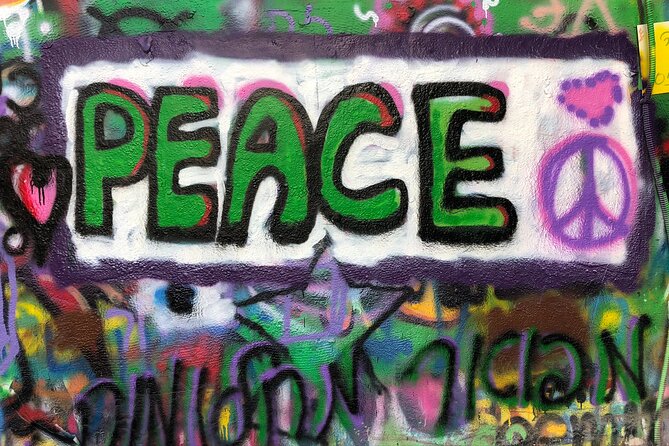
The newer route adds another layer by following the area of an old Ottoman railway. A park has recently opened there, bringing urban renewal into a neighborhood already marked by older graffiti and new development.
This part is especially useful for anyone interested in how cities change. The guide can show older works that remained hidden for years alongside newer art and construction. The result is a walk through both the city’s creative past and its current redevelopment.
Gentrification is not an abstract topic here. It appears in the physical setting around you. Old industrial areas gain new public spaces, buildings are renovated, and creative work can help attract attention to neighborhoods that were once overlooked. At the same time, those changes can alter the people, businesses, and atmosphere that made an area distinctive.
The tour does not present graffiti as separate from these forces. It places the art inside the city’s ongoing arguments about public space, renewal, and identity. That is one of the reasons I find the route more worthwhile than a simple search for attractive murals.
The exact balance between older and newer pieces may depend on what is still visible on the day of your visit. Street art is temporary by nature. Think of this stop as a way to read Tel Aviv’s changes through its walls, not as a guaranteed list of permanent artworks.
A few more mural tours around the world worth a look
- CDMX: Xochimilco, Coyoacan, Frida Kahlo Museum & Murals Tour
★ 4.4 · 3,025 reviews - Amsterdam: Streetart Museum STRAAT Entrance Ticket
★ 4.8 · 2,137 reviews - Belfast: Murals Taxi Tour
★ 4.9 · 2,047 reviews - Lisbon: Street Art Tour
★ 4.9 · 1,324 reviews
What the Guides Add to the Walk
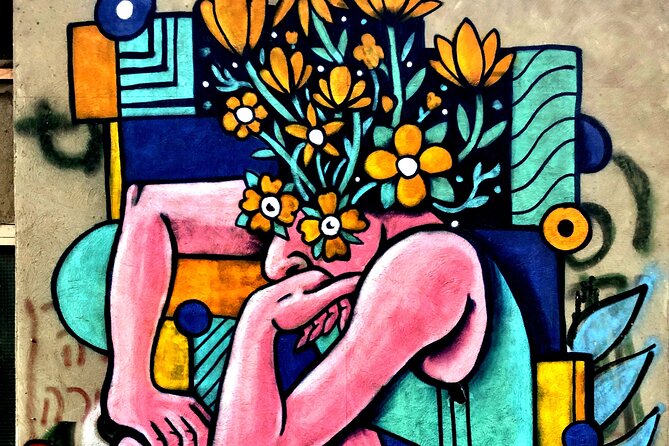
The most praised part of this experience is the guiding.
Dina is described as well-informed and effective at making the subject interesting. Ari is praised for a well-researched presentation and personal stories about artists. Yan is singled out for passion and an ability to make the subject feel approachable. Roey is repeatedly noted for current knowledge of the scene, while Roni is praised as an excellent guide who also knows how to make the walk fun.
Other named guides include Efrat, Alef, and Orel, each described as friendly, informative, engaging, or entertaining. Since the guide is central to the experience, the personality and background of the person leading your departure will shape the walk.
I would ask questions as you go. The tour is not only about learning names. It is a chance to ask why a piece was made, how artists work in public, what a particular signature means, and how the neighborhood has changed. The guides are repeatedly praised for answering questions, so take advantage of that access.
A particularly useful result is that you may begin to read the city differently afterward. Instead of seeing every painted wall as one general category, you can look for styles, recurring signatures, fresh work, and older pieces that have survived. That lasting skill adds value beyond the 90 minutes itself.
Is $78 a Fair Price?
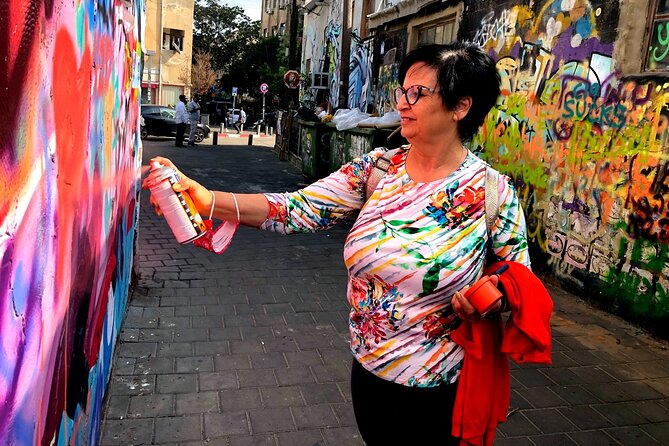
At $78 per person, this is a premium price for a short walking tour. There is no admission ticket to a museum or attraction, and hotel pickup and drop-off are not included. You are paying mainly for the guide’s time, local access, interpretation, and the chance to find work you might miss alone.
The value depends on your interest. If you already know Tel Aviv’s graffiti areas and enjoy wandering without explanations, you may prefer to explore on your own. You can see public art without paying an admission fee.
I think the price makes more sense for visitors who want context. A good guide can save you time, lead you beyond the most obvious walls, and explain the people and ideas behind the work. The experience also covers two creative areas and includes discussion of urban change, which gives it more substance than a quick photo walk.
The tour is booked an average of 19 days ahead, so it is sensible to reserve early if your dates are fixed. Confirmation is provided at booking, and the maximum group size is 25 people. That is not a private tour, but it is still small enough for the guide to speak with the group and take questions.
Free cancellation is available until 24 hours before the start time. If you cancel later, you will not receive a refund. The experience also requires a minimum number of participants, so a cancellation by the operator can result in another date or a full refund.
Timing, Meeting Point, and Practical Planning
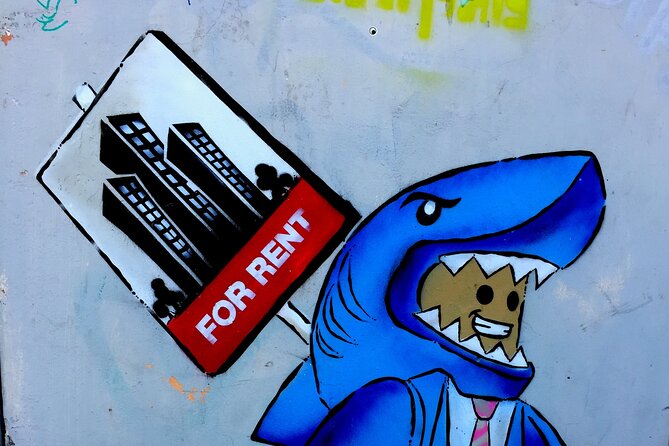
The tour ends back at its meeting point, but the supplied details do not identify the exact location. You should check the confirmation carefully and allow enough time to reach it. The route is near public transportation, which makes it practical to reach from elsewhere in Tel Aviv.
Morning and evening departures are advertised, although the listed start time is noon. Since timing can affect heat, light, and street activity, confirm the departure you are selecting rather than assuming every option is available every day.
I would choose the morning if you want cooler conditions. The advice from one guide to go before the temperature rises is worth taking seriously. Evening may suit you if you prefer a cooler walk, but the appearance of the artwork may change with the light.
Children must be accompanied by an adult. No health restrictions are listed, and most people can participate, but remember that this is a walking experience through streets and alleys. Wear comfortable shoes and bring water, especially for a midday departure.
Who Will Get the Most From This Experience?
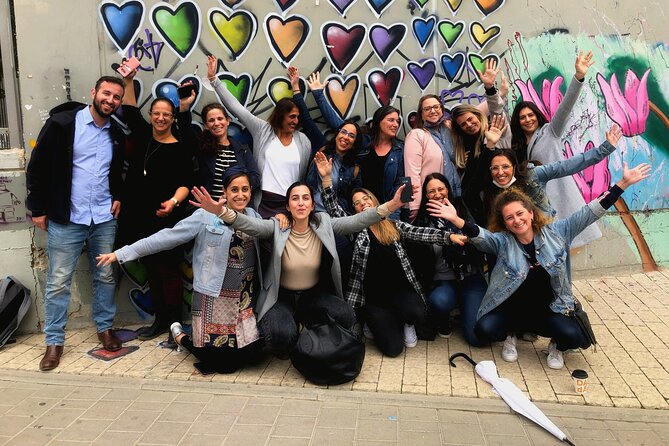
I would recommend the tour to:
- First-time visitors who want a different side of Tel Aviv
- People interested in public art, design, photography, or urban culture
- Anyone who prefers local neighborhoods to major sights
- Families with older children who enjoy visual art and stories
- Visitors who want a guide to explain political and social ideas behind artwork
- Repeat visitors looking for a fresh way to see familiar parts of the city
I would be more cautious about recommending it to someone who dislikes walking, outdoor heat, or art that can be temporary and unfinished. It is also less useful if you only want a list of famous murals and quick photographs.
The experience is a particularly good fit early in your stay. Once you understand some of the artists, styles, and neighborhood changes, you can keep noticing street art for the rest of your time in Tel Aviv.
Should You Book the Tel Aviv Street Art Tour?
Book it if you want public art explained rather than simply photographed.
The strongest reasons are the guides, the unusual neighborhoods, and the link between graffiti and Tel Aviv’s changing identity. Ari, Yan, Roey, Roni, Dina, Efrat, Alef, and Orel are all praised for making the subject lively and understandable. That consistency suggests the company puts real effort into guiding, even though your exact guide will depend on the date.
Skip it if $78 feels too high for a 90-minute walk or if you are happy exploring the walls independently. For everyone else, I think the tour earns its place in a Tel Aviv itinerary, especially when booked for a cooler time of day and approached as a lesson in the city rather than a simple mural hunt.
FAQ
How long is the Tel Aviv Street Art and Graffiti Tour?
The experience lasts approximately 1 hour and 30 minutes.
Where does the tour go?
The route includes Florentine, the Nachalat Binyamin Pedestrian Mall, and an area along the route of the old Ottoman railway near a recently opened park.
What is the listed start time?
The listed start time is 12:00 p.m. Morning and evening departure options are also described, so check the available time when booking.
Does the tour include hotel pickup and drop-off?
No. Hotel pickup and drop-off are not included. The tour is near public transportation and ends back at its meeting point.
How many people can join the tour?
The maximum group size is 25 participants.
Can children join?
Yes. Children must be accompanied by an adult.
What is the cancellation policy?
You can cancel up to 24 hours before the start time for a full refund. Cancellations or changes made less than 24 hours before the start time are not accepted for a refund.
Just added around the world
- Your Own Belgrade: Street Art and Hidden Gems Walking Tour★ 5.0 · 2 reviews
- Vancouver: Street Art & Craft Coffee Walking Tour w/ Tasting★ 4.8 · 11 reviews
- Wynwood Walls Street Art & Neighborhood Walking Tour★ 4.9 · 9 reviews
- Xochimilco floating gardens, Coyoacan and UNAM murals★ 4.0 · 6 reviews
- Urban Canvas: Osaka Street Art Bike Tour★ 5.0 · 10 reviews
- Vancouver: Street Art & Craft Beer Walking Tour with Tasting★ 4.8 · 14 reviews
- UNAM: Murals & Revolution★ 4.9 · 8 reviews
- Small-Group Graffiti Tour and Workshop in El Carmen★ 5.0 · 2 reviews
Tel Aviv Mural Tours, compared.

Discovering downtown Tel Aviv Street art and ancient Jaffa!
Read our review →
Walking Graffiti Tour with Augmented Reality in Tel Aviv
Read our review →
Browse the lists this tour appears in