
REVIEW · GRAFFITI TOURS
Nairobi Street Art and Graffiti Tour
Nairobi’s walls speak in color. I like this tour for its local point of view and its look at matatu art, slang, music, and city life, but you should know the street art itself may play a smaller role than the title suggests.
I also like the private format and the chance to see areas many visitors skip, including downtown alleys and parts of Eastlands. The main drawback is focus: you may walk thousands of steps and see only a few major murals, especially if you expect a gallery-style art tour.
Key Things to Know
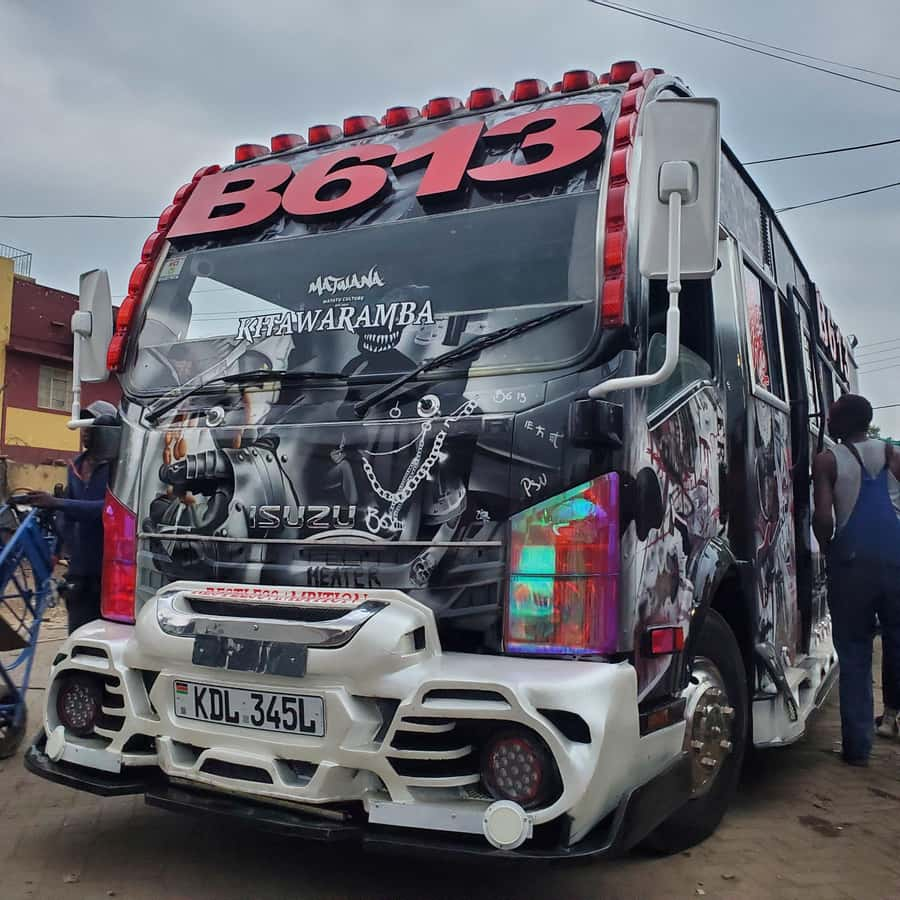
- Matatus become moving art galleries: Expect colorful nganyas, loud music, bold designs, and a close look at one of Nairobi’s most distinctive forms of public art.
- The tour goes beyond painted walls: Politics, identity, hardship, community, slang, and hope all enter the conversation.
- Guide Kevin brings local context: His explanations connect street scenes with historical events and present-day Nairobi.
- The route may include Eastlands: A matatu ride into this densely populated area can be one of the tour’s most memorable moments.
- It is a private three-hour experience: You get more room to ask questions, take photographs, and shape the pace.
- Expect a city walk, not only an art walk: The experience is best for curious visitors who want urban culture as much as graffiti.
What This Nairobi Tour Really Offers
At $95 per person, this is not a cheap walk by Nairobi standards. It is also more than a short hunt for painted walls. The price covers a private group, a local guide, bottled water, applicable entry fees, and hotel pickup and drop-off within Nairobi’s Central Business District.
The value depends on what you want. If you need a tightly planned art route with one mural after another, the price may feel high. If you want a personal introduction to Nairobi’s street culture, with transport and local interpretation included, the cost makes more sense.
I would think of this as a three-hour urban culture experience with street art at its center, not a pure graffiti lesson. That distinction matters. It explains why the tour can include history, music, slang, public transport, politics, and neighborhood life along with the artwork.
More Graffiti Tours in the world:
- Medellin: Comuna 13 Graffiti Tour, Cable Car & Street Food
★ 4.8 · 9,046 reviews - Wynwood Graffiti Golf Cart Small-Group Tour
★ 5.0 · 1,646 reviews - London: Street Art and Graffiti Guided Walking Tour
★ 4.9 · 1,354 reviews
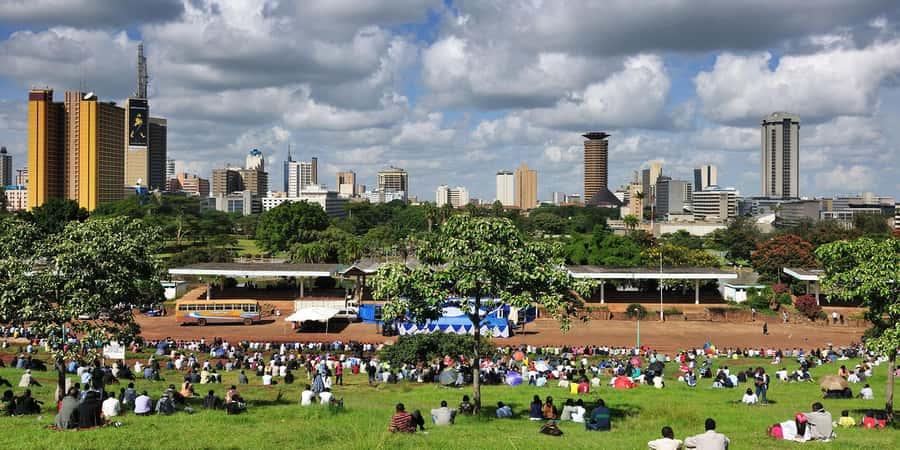
Starting in Nairobi West and Downtown
The tour may begin in Nairobi West or around the central city, depending on the day’s route. From the start, your guide helps you read the city through its walls. A painted figure or political slogan is not treated as decoration alone. You learn about the artist, the subject, and the public conversation behind the image.
Downtown alleys can be especially interesting because the art appears alongside ordinary city life. You may see wall pieces dealing with identity, power, empowerment, politics, or hope. Some work is direct and easy to understand. Other pieces need explanation, which is where a local guide earns his fee.
The walking pace is part of the experience. You are not being driven from one photo stop to another. You are moving through streets, watching how the art sits beside shops, traffic, people, and public spaces. That gives you a better sense of street art as part of daily life rather than as a display arranged for visitors.
Still, set your expectations carefully. You may see only a handful of substantial works. One detailed explanation can be more useful than ten quick photo stops, but it may leave a dedicated graffiti fan wanting more.
Reading Politics, Culture, and Hope on the Walls
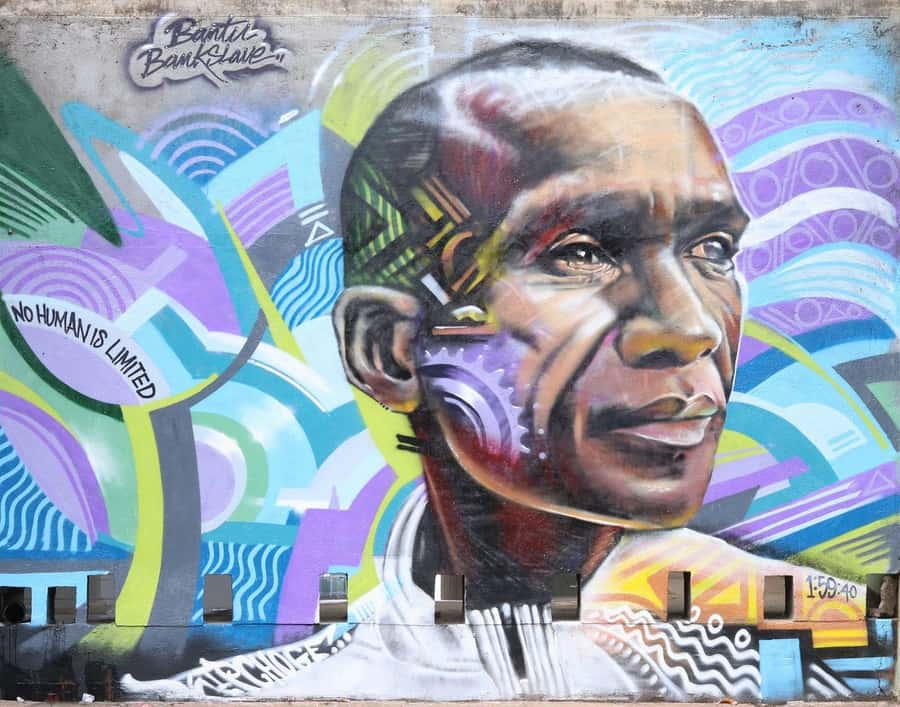
The strongest part of this experience is the conversation around the art. Nairobi’s public walls can carry messages about political life, social pressure, identity, and the effort to build community during hard times.
You are not simply told that a mural is colorful or attractive. The guide explains how visual art can give people a public voice. That makes the tour useful for anyone trying to understand how young Kenyans express ideas outside formal institutions.
I especially like the connection between hardship and cooperation. The city’s art can show frustration, but it can also show pride and hope. Your guide may link a particular piece to historical events or present-day realities, giving the walk more weight than a standard sightseeing circuit.
The quality of the experience depends heavily on the guide. Kevin, named by one participant as a friendly and informed guide, has been praised for explaining Nairobi from a point of view that a normal city tour might miss. If you are paired with him, ask direct questions about the artists, the political meaning of pieces, and which areas have changed most over time.
Matatu Art and the Nganya Ride
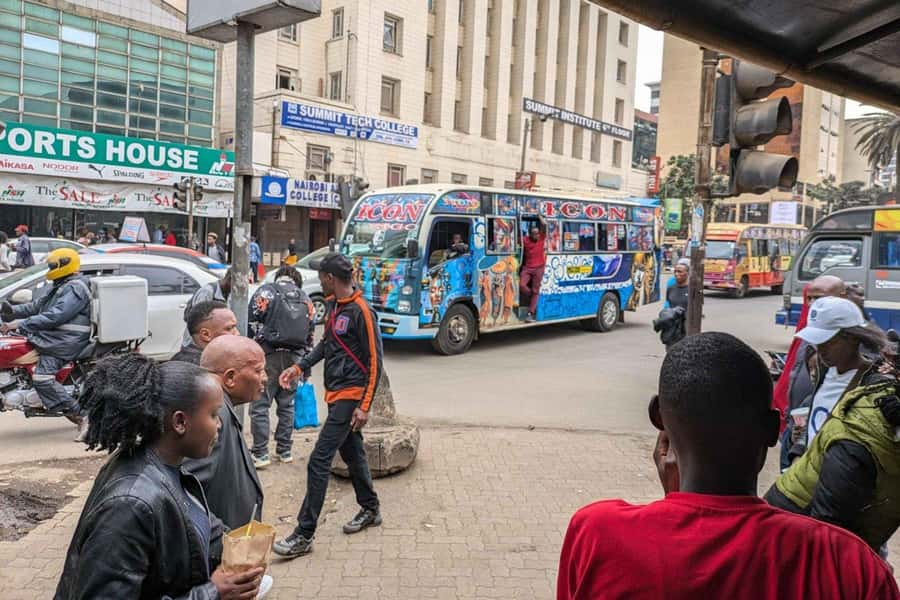
Nairobi’s matatus are one of the tour’s biggest draws. These privately operated minibuses are often covered with elaborate graphics, strong colors, famous faces, slogans, and pop culture references. Some are called nganyas, a slang term used for matatus.
Here, the vehicle itself becomes a moving wall. You can study its exterior art, listen to its loud music, and see how the style connects with Nairobi’s youth culture. This is not a side note. For many people, the matatu portion may be the most memorable art experience of the day.
One route included a ride into Eastlands, a densely populated part of Nairobi. That ride offered a close look at the city’s public transport culture and brought the visitor into an area that might feel difficult to approach alone. With a guide beside you, the experience becomes more manageable and easier to understand.
The matatu ride is also why this tour is broader than the name suggests. You are not only looking at walls. You are seeing how design, sound, transport, fashion, slang, and public life meet in one place.
You should also remember that this is active city travel. A matatu is not a quiet sightseeing vehicle. Music may be loud, streets may be crowded, and the ride can feel energetic. That is part of its character, but it may not suit anyone looking for a calm, polished outing.
A few more mural tours around the world worth a look
- CDMX: Xochimilco, Coyoacan, Frida Kahlo Museum & Murals Tour
★ 4.4 · 3,025 reviews - Amsterdam: Streetart Museum STRAAT Entrance Ticket
★ 4.8 · 2,137 reviews - Belfast: Murals Taxi Tour
★ 4.9 · 2,047 reviews - Lisbon: Street Art Tour
★ 4.9 · 1,324 reviews
Walking Distance and Physical Effort
Three hours sounds modest, but the route can involve serious walking. One person logged about 9,000 steps during the experience. That is useful information if you have limited mobility or prefer short walks with long stops.
Bring comfortable shoes. You will want them for pavement, alleys, city streets, and the distance between art sites. Bottled water is included, but you should still dress for a warm urban walk and bring sun protection if needed.
The walking also affects your photography. You may stop often, but the tour is not built around long, controlled photo sessions. People, traffic, changing light, and movement are part of the setting. If you enjoy candid urban photography, that is a strength. If you want carefully framed mural portraits, you may need to work quickly.
Because the group is private, you have a better chance of asking for a short pause or spending extra time on a piece that interests you. The guide can also explain why one work matters more than another, which helps you choose where to focus your camera.
Meeting Local Creatives and Understanding the Limits
The experience is designed to introduce you to local creatives and may include storytelling around the artists and their work. That can add a personal touch, especially if a guide has ties to Nairobi’s art or activist circles.
But you should not assume that you will meet an artist during every departure. One person expected this and did not meet any artists. The practical lesson is simple: book this for the guide’s local interpretation and the city experience, not for a guaranteed studio visit or artist conversation.
The same applies to galleries and indoor spaces. Entry fees are covered if a particular stop requires them, but the route is primarily outdoors and depends on the day’s plan. Ask before starting if meeting an artist or visiting a specific gallery is important to you.
This honesty makes the tour easier to enjoy. You get a better experience when you treat encounters with creatives as a possible bonus rather than the central promise.
Hotel Pickup, Meeting Points, and Timing
Pickup is included for hotels within Nairobi’s CBD. Your guide is scheduled to meet you in the lobby or at a designated point about 15 to 30 minutes before the start time.
If you stay outside the CBD, you can receive a meeting point and a Google Maps pin in advance. Transportation beyond the designated pickup area is not included, so check the location before booking. A ride across the city can affect both your budget and your morning or afternoon schedule.
Keep your phone reachable by WhatsApp or SMS on the day. This matters because city meeting points can be busy, and clear contact makes it easier to coordinate with the guide.
The tour lasts three hours, but your day should allow a little flexibility around pickup. The route may include walking, a matatu ride, and several stops, so it is not wise to place a tight appointment immediately afterward.
Is $95 Good Value?
The price is easiest to justify for solo visitors or small private groups who want a guide’s attention. You are paying for local access, interpretation, coordination, bottled water, possible entry fees, and CBD transfers rather than only for three hours of walking.
The value is weaker if you mainly want a large number of murals. You could find some public art on your own at a lower cost, though you would miss the background, the matatu context, and the introduction to neighborhoods outside a standard sightseeing route.
I would also compare this with a regular Nairobi city tour. The street art experience gives you a more focused theme, but it may overlap with general urban sightseeing. The difference is the guide’s attention to visual culture and informal city life.
A 4.6 rating from two published ratings suggests a strong early impression, but the sample is small. I would treat the score as encouraging rather than conclusive. The written experiences point to a clear pattern: the tour can be excellent when you want a local, energetic city introduction, but less satisfying when you want wall art at every stop.
Who Will Enjoy This Most?
I would recommend this experience to you if you enjoy walking, photography, public transport, and conversations about how cities work. It suits visitors who want to see Nairobi through music, slang, art, and neighborhood life rather than only through major sights.
It is also a good fit for repeat visitors who have already seen the usual attractions. The route can take you off the familiar circuit and show you a side of Nairobi that is harder to understand from a vehicle window.
First-time visitors can enjoy it too, especially if they want a broad introduction to the city. Just avoid booking it as your only Nairobi activity if you want museums, historic buildings, or formal art galleries.
I would be more cautious if you dislike long walks, loud music, informal public transport, or changing plans. I would also choose another activity if your main goal is a highly organized graffiti crawl with guaranteed artist meetings.
Practical Ways to Get More From the Tour
Before you start, tell the guide what interests you most. You might ask for more detail on political murals, matatu design, photography, music, or the history of a particular neighborhood.
Wear walking shoes and carry as little as practical. A small bag makes it easier to move through city streets and board a matatu. Your phone should be charged, since photography is a major part of the appeal and WhatsApp contact is important for coordination.
Ask permission before photographing people, private businesses, or sensitive situations. Street art may be public, but the people around it are not part of the scenery. A respectful approach will make your time in the city better.
You should also keep an open mind about the word graffiti. Here, it can mean murals, political art, painted vehicles, public messages, and visual work tied to community life. That wider definition is part of what makes the experience interesting, but it is also why the tour may not match a strict graffiti fan’s expectations.
Should You Book the Nairobi Street Art and Graffiti Tour?
Book it if you want Nairobi culture in motion, with painted walls, matatus, music, slang, local stories, and a possible ride into Eastlands. The private format and guide-led context give you more than a self-guided photo walk.
Skip it if you want a concentrated art itinerary with many murals and guaranteed meetings with artists. At $95, the experience needs to match your interests.
My advice is to book it as a broad urban culture tour with street art as its thread. That way, a day with fewer murals still delivers local stories, strong photographs, and a more personal look at Nairobi.
FAQ
How long is the Nairobi Street Art and Graffiti Tour?
The tour lasts three hours.
How much does the tour cost?
The price is $95 per person.
Is the tour private?
Yes. The experience is offered as a private group tour.
Is hotel pickup included?
Pickup and drop-off are included for hotels within Nairobi’s Central Business District. If you stay outside the CBD, you receive a meeting point and Google Maps pin in advance.
Who leads the tour?
A local artist or expert leads the tour. Guide Kevin has led an outing and provided local explanations about Nairobi’s art, culture, history, slang, music, and matatus.
Will I meet local artists?
The experience offers opportunities to meet local creatives, but an artist meeting is not guaranteed on every departure.
Does the tour include a matatu ride?
The route can include a matatu, also called a nganya, ride. One route included travel into Nairobi’s Eastlands area.
Are meals included?
No. Meals and snacks are not included, so plan to eat before or after the tour.
Can I cancel the booking?
You can cancel up to 24 hours in advance for a full refund. You can also reserve now and pay later.
Just added around the world
- Your Own Belgrade: Street Art and Hidden Gems Walking Tour★ 5.0 · 2 reviews
- Vancouver: Street Art & Craft Coffee Walking Tour w/ Tasting★ 4.8 · 11 reviews
- Wynwood Walls Street Art & Neighborhood Walking Tour★ 4.9 · 9 reviews
- Xochimilco floating gardens, Coyoacan and UNAM murals★ 4.0 · 6 reviews
- UNAM: Murals & Revolution★ 4.9 · 8 reviews
- Urban Canvas: Osaka Street Art Bike Tour★ 5.0 · 10 reviews
- Vancouver: Street Art & Craft Beer Walking Tour with Tasting★ 4.8 · 14 reviews
- Small-Group Graffiti Tour and Workshop in El Carmen★ 5.0 · 2 reviews
Graffiti Tours, compared.
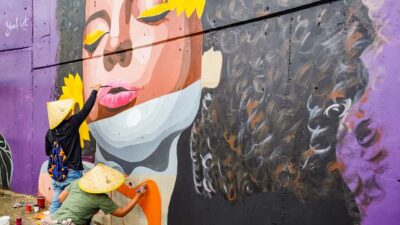
Comuna 13 Graffiti Tour, Cable Car & Street Food
Read our review →
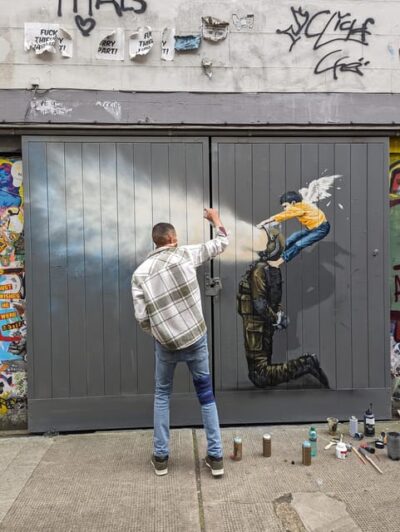
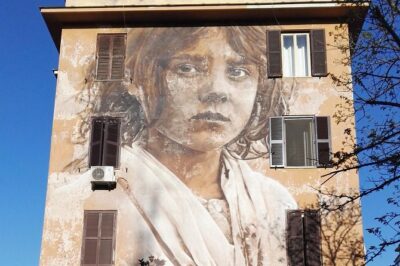
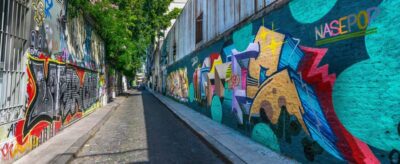

Brooklyn Graffiti & Street Art Walking Tour in Bushwick
Read our review →
Comuna 13 Tour with Snacks And Your Own Graffiti
Read our review →Browse the lists this tour appears in