REVIEW · MURAL TOURS
Street Art in Depth 4 days in Casablanca and Rabat
Walls tell a different Moroccan story. This four-day private trip links Casablanca’s Sbagha Bagha festival with Rabat’s Jidar street-art scene, giving you more than a quick mural hunt. You spend time with festival teams, meet artists at work, and see painted walls with local guides who can explain how these large works reach the streets.
I like two things right away: the focus on the people behind the art, and the mix of organized city touring with less obvious painted walls. The English-speaking driver, private format, hotel or riad stays, and included breakfasts also make the trip fairly easy to manage. The main consideration is price: at $1,862.22 per person, this is a serious investment for four days, especially since lunches, dinners, drinks, tips, and personal purchases are extra.
The schedule is also fairly full. Each day begins at 8:00 a.m., and the listed touring time runs from four to five hours. You will need to enjoy being out and about, moving between city areas, and giving street art your attention rather than treating it as a quick photo stop.
Four details that shape the experience
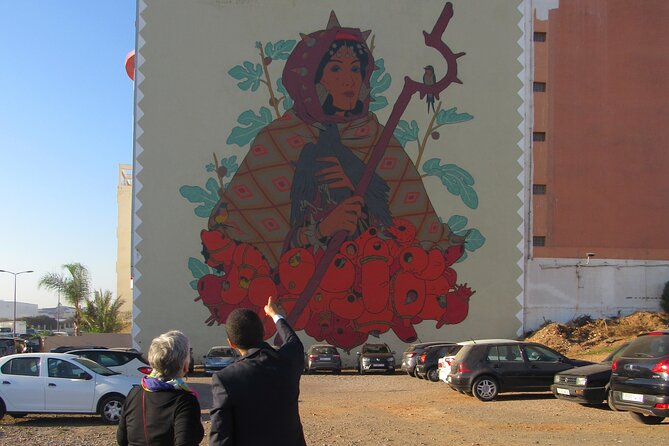
- Sbagha Bagha access in Casablanca: Learn how the festival supports artists and brings large murals into the city.
- Jidar connections in Rabat: Meet the festival team and hear how artists are selected for work on old medina walls.
- A private four-day format: Your group travels together, with an English-speaking driver and transportation included.
- Three nights in a hotel or riad: Accommodation and breakfast are included, saving you from arranging the basics yourself.
- Murals across two cities: The program includes central sights and outlying street art, not only one neighborhood.
- Flexible cancellation: You can receive a full refund if you cancel at least 24 hours before the start time.
Why this street-art trip feels different
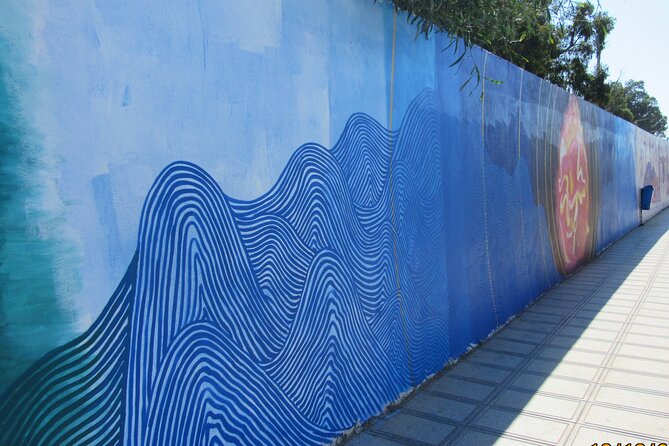
Many city tours treat murals as decoration between the major sights. This one makes public art the main subject. That changes what you notice. Instead of simply asking where a wall is, you can ask who selected the artist, how the painting was organized, and what it takes to keep a festival running while artists work in public view.
In Casablanca, the Sbagha Bagha team provides that behind-the-scenes angle. You learn how artists are supported while they spend days painting across the city. A resident artist joins part of the visit, showing painted walls in the old medina and other parts of Casablanca.
Rabat brings a second festival perspective through Jidar. The emphasis shifts toward artist selection and large works on the old walls of the medina. That gives the four days a useful structure: Casablanca introduces the working side of a festival, while Rabat adds a closer look at how a public art program chooses and places its artists.
I also like the balance between contemporary work and older city settings. Murals on traditional medina walls create a sharp contrast with the modern city around them. You are not being asked to choose between Morocco’s historic character and its current creative scene. You see both in the same day.
Other mural tours people book around the world:
- Medellin: Comuna 13 Graffiti Tour, Cable Car & Street Food
★ 4.8 · 9,046 reviews - CDMX: Xochimilco, Coyoacan, Frida Kahlo Museum & Murals Tour
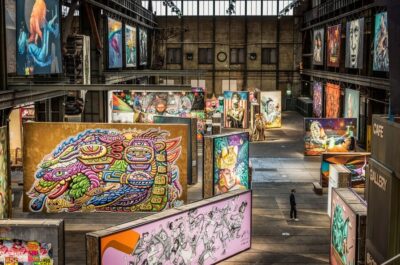
★ 4.4 · 3,025 reviews - Amsterdam: Streetart Museum STRAAT Entrance Ticket
★ 4.8 · 2,137 reviews
Casablanca, day one: meeting the people behind Sbagha Bagha
The first day is a four-hour introduction to Casablanca and the Sbagha Bagha team. Rather than rushing straight through a checklist of major monuments, the day centers on how the festival operates.
That practical focus matters. Large murals look effortless when finished, but a citywide art event requires planning, artist support, wall access, transport, and coordination. The program gives you a chance to understand that work through a festival team member and a resident artist.
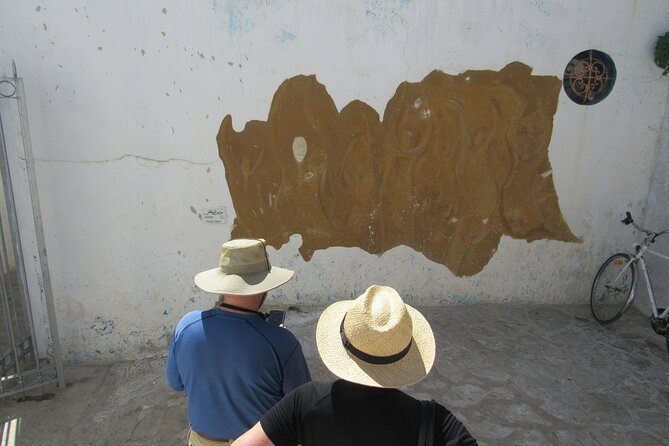
The old medina is especially important here. You may see painted walls that are easy to miss if you are following only the standard Casablanca route. A local artist can point out works and explain how street art fits into the daily life of the city.
The first day is a good fit if you prefer conversation and context over a packed sightseeing schedule. Four hours leaves room to look carefully without turning every stop into a race. Since admission is listed as free, you are paying for the private transport, guiding, local connections, and planning rather than entrance tickets.
One practical point: the program begins at 8:00 a.m. The exact meeting arrangement is not detailed, so confirm your pickup point with the provider before the start date. Pickup is offered, and transportation is included, but the morning handoff should still be clear.
Casablanca, day two: murals alongside the city’s major sights
The second Casablanca day lasts about five hours and widens the view. Casablanca is Morocco’s largest city and its main economic and industrial center. It feels more cosmopolitan than many other Moroccan destinations, and its streets bring together Moroccan design, French-colonial influence, modern commerce, and a large working population.
The planned sightseeing includes Place Mohammed V, the Grand Theater de Casablanca, Quartier Habous, and Ain Diab. These areas help you understand the city around the murals. You can compare the formal geometry of downtown buildings with the more personal scale of painted walls.
The Hassan II Mosque is another major stop named for Casablanca. Its seaside setting and very tall minaret make it one of the city’s defining sights. The supplied details do not state whether an interior visit is included, so you should treat it as a city highlight rather than assume a mosque entrance or guided interior tour.
This day may be the best choice for anyone new to Casablanca. Street art makes a strong theme, but you still receive a broad introduction to the city. That is useful because murals make more sense when you understand the neighborhoods where they appear.
The drawback is that five hours can only offer an overview of a city this large. You should not expect a detailed visit to every listed district. Think of the day as a carefully selected city circuit, with contemporary art acting as the thread that links the stops.
Moving to Rabat and meeting the Jidar team
On day three, the program shifts to Rabat, Morocco’s capital. The listed touring time is about five hours, and the main purpose is a visit with the Jidar Festival team.
This is where the trip becomes especially useful for people who want to understand how public art is made possible. You learn how artists are selected and how they work on the large old walls of the medina. The setting gives the discussion a strong visual context: traditional walls become the canvas for new work.
The move from Casablanca to Rabat is handled with included transportation and an English-speaking driver. The exact travel time is not provided, so leave room in your plans around the transfer. The itinerary describes the day as a Rabat visit, but it does not spell out every transfer detail.
I would ask before booking how the Casablanca to Rabat move is timed, where luggage stays during the day, and whether the five-hour estimate includes the full transfer. Those questions are not complaints. They are sensible planning points for a four-day program with two cities and an early start each morning.
The accommodation changes to Rabat for the final nights. You stay in a hotel or riad, with breakfast included. A riad can offer a more intimate setting than a standard hotel, but the exact property is not named, so do not book this expecting a specific style or neighborhood.
A few more mural tours around the world worth a look
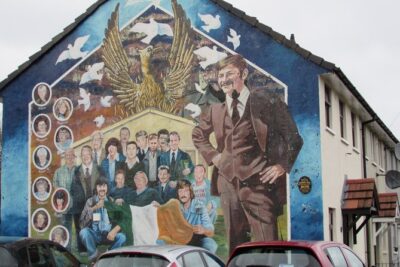
- Belfast: Murals Taxi Tour
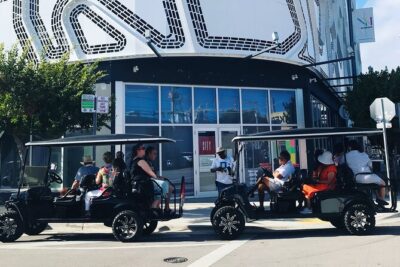
★ 4.9 · 2,047 reviews - Wynwood Graffiti Golf Cart Small-Group Tour
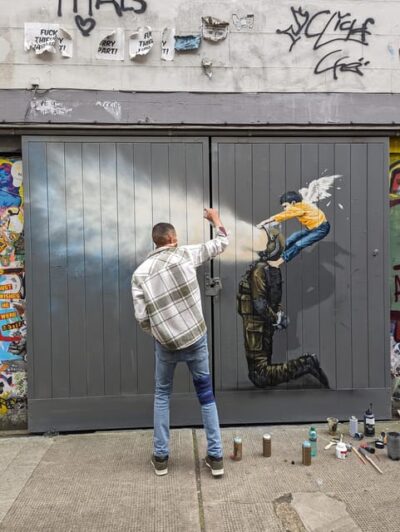
★ 5.0 · 1,646 reviews - London: Street Art and Graffiti Guided Walking Tour
★ 4.9 · 1,354 reviews - Lisbon: Street Art Tour
★ 4.9 · 1,324 reviews
Rabat, day four: seeing the city by car
The final day uses a car to view outstanding murals across Rabat. This is a smart way to cover more ground than you could on foot, especially when the art is spread across different parts of the city.
You also get a sense of Rabat as both an old and modern capital. That contrast is central to the experience. The medina, old walls, and traditional urban form provide one setting, while newer parts of the city show how public art can move beyond a historic center.
A car-based mural tour has clear advantages. You can reach outlying works, spend less energy on long walks, and keep the group together. It also gives you a wider picture of how street art appears across the city rather than limiting you to one famous wall.
The tradeoff is that a car tour can feel less intimate than exploring on foot. You may have shorter viewing periods at some stops, and the itinerary does not promise a walking workshop or time with artists on this particular day. If you want to photograph every mural carefully, tell the driver or guide early so the pace matches your interests.
The day ends with another night in your riad or hotel. The program describes enjoying each evening there, but meals beyond breakfast are not included. Plan to choose and pay for lunch and dinner yourself.
What the $1,862.22 price really covers
The cost is $1,862.22 per person. That is not a budget city break, but it includes several expenses that can add up quickly in Morocco:
- Three nights of hotel or riad accommodation
- Daily breakfast, listed as four breakfasts
- Transportation between Casablanca and Rabat
- An English-speaking driver
- A Sbagha Bagha team member for the Casablanca visit
- Meetings with the Jidar Festival team
- City tours to see murals beyond the central areas
- A private format for your own group
The value depends on how much you care about access and subject matter. If you only want a few mural photos, the price will feel high. You could see parts of both cities for less by arranging ordinary sightseeing and looking for public art independently.
If you want festival context, artist contact, private transportation, and a ready-made four-day plan, the calculation is more favorable. You are paying for organization and access, not just four days of driving. The private format is also useful for couples, families, or friends who do not want to match the pace of a large group.
Still, budget carefully. Lunch, dinner, drinks, tips, and personal purchases are excluded. The description also does not list international flights, travel insurance, or any additional entrance fees, so confirm what you may need to pay during the city sightseeing.
The guides and personal feel
Susan and Hicham are the names associated with the service, and the experience is presented as personal rather than mass-market. That matters because street art tours depend heavily on the person guiding you. A generic city commentary would miss the point. You want someone who can connect a wall to the festival, the artist, and the neighborhood.
The supplied feedback also highlights a welcoming approach and careful attention to individual interests. One useful sign is the effort to discuss a trip before it begins so the plan fits what you want to see. I would take advantage of that. Tell the provider whether you care most about artist meetings, photography, classic Casablanca, medina walls, or the festival process.
Do not assume Susan or Hicham will personally lead every part of your departure, however. The current experience is operated by Genuine Morocco, and the information confirms an English-speaking driver plus festival contacts, but it does not guarantee a particular guide by name.
Pace, meals, and what to pack into each day
The timetable starts at 8:00 a.m. and includes four to five hours of planned activity daily. That is manageable for most people who are comfortable with regular sightseeing, but it is not a sleep-in holiday.
Breakfast is included, while lunch and dinner are at leisure. This gives you freedom to choose your meals, though you should expect to plan for them yourself. Drinks are also excluded, as are tips and personal purchases.
Wear comfortable shoes for old medina streets and bring a phone or camera for the murals. The tour provides a mobile ticket, and most people can participate. Since the program includes car touring, walking in medinas, and time outdoors, ask the provider about any specific mobility concern before you reserve.
The experience is private, so your group controls the social setting. That is a real advantage if you want to stop for photos or ask detailed questions. It also means the price is less attractive for a solo participant than for a couple or small group sharing the arrangements.
Who should book this experience?
I would choose this trip if you want contemporary Moroccan culture placed beside the country’s older urban settings. It suits photographers, artists, design fans, and curious visitors who enjoy asking how a public project comes together.
It also works well for a first visit to Casablanca and Rabat because you receive both classic city sights and a less familiar subject. The private vehicle and included accommodation reduce the planning burden.
I would think twice if you want a low-cost independent trip, a relaxed schedule, or a tour built around long museum visits. The itinerary is focused on outdoor murals, festival contacts, city touring, and transport between two cities. The exact number of artist meetings, the named accommodation, and the precise transfer schedule are not provided, so ask those questions first.
Should you book Street Art in Depth?
Book it if Sbagha Bagha and Jidar sound as interesting to you as the Hassan II Mosque, the medinas, and Casablanca’s major squares. The strongest feature is the chance to see street art as an organized cultural effort, not just a collection of colorful walls.
At $1,862.22, the trip needs to deliver more than sightseeing. Its value comes from private transportation, three nights of lodging, festival connections, and local interpretation. If those personal links are your priority, this is an unusual and well-targeted way to see Casablanca and Rabat.
If you decide to go, confirm the pickup point, accommodation names, Casablanca to Rabat timing, and the expected role of Susan or Hicham before paying. You can cancel for a full refund up to 24 hours before the start time, but changes made inside that window are not accepted. Also note that the experience requires a minimum number of participants and could be replaced or refunded if that minimum is not reached.
FAQ
How long is the Street Art in Depth experience?
The experience lasts approximately four days, with two days in Casablanca and two days in Rabat.
What time does the tour start?
The listed start time is 8:00 a.m.
Is pickup offered?
Yes. Pickup is offered, and transportation is included during the experience.
Is this a private tour?
Yes. Only your group participates in the activity.
Where does the experience take place?
It takes place in Casablanca and Rabat, Morocco.
Are hotel stays included?
Yes. Three nights in a hotel or riad are included.
Are meals included?
Breakfast is included, listed as four breakfasts. Lunch, dinner, drinks, and tips are not included.
Is an English-speaking guide or driver provided?
An English-speaking driver is included. A Sbagha Bagha team member also joins the Casablanca visit, and the program includes a meeting with the Jidar Festival team.
Can I cancel for a full refund?
Yes. You can cancel at least 24 hours before the experience start time for a full refund. Cancellations or changes made less than 24 hours before the start time are not accepted, and the experience may also be canceled if its minimum number of participants is not reached.
Just added around the world
- Your Own Belgrade: Street Art and Hidden Gems Walking Tour★ 5.0 · 2 reviews
- Vancouver: Street Art & Craft Coffee Walking Tour w/ Tasting★ 4.8 · 11 reviews
- Wynwood Walls Street Art & Neighborhood Walking Tour★ 4.9 · 9 reviews
- Xochimilco floating gardens, Coyoacan and UNAM murals★ 4.0 · 6 reviews
- UNAM: Murals & Revolution★ 4.9 · 8 reviews
- Urban Canvas: Osaka Street Art Bike Tour★ 5.0 · 10 reviews
- Vancouver: Street Art & Craft Beer Walking Tour with Tasting★ 4.8 · 14 reviews
- Street Art Tour in Vienna★ 4.0 · 17 reviews
Mural Tours, compared.
Comuna 13 Graffiti Tour, Cable Car & Street Food
Read our review →
Xochimilco, Coyoacan, Frida Kahlo Museum & Murals Tour
Read our review →