
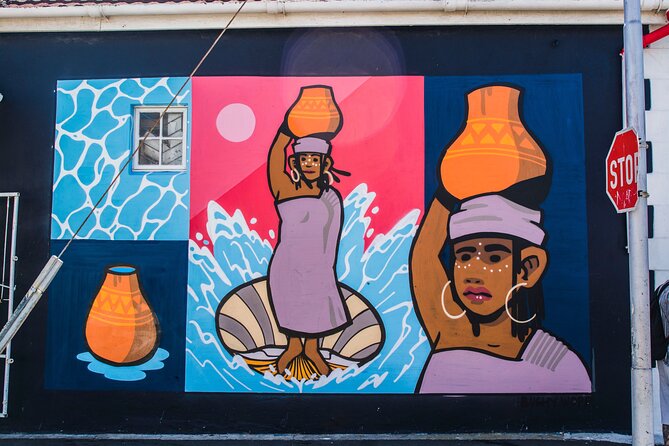
REVIEW · CAPE TOWN MURAL TOURS
Cape Town: Woodstock Street Art & Culture Tour
Walls here carry more than paint. This two-hour walk through Woodstock and Salt River links striking murals with the people and issues behind them. I like the local perspective, with guides such as Chandy, Terrence, Shandy, and Shipo bringing personal insight, and I like the way the tour connects art to South Africa’s social and economic changes. The main consideration is that the meeting-point details have occasionally caused confusion, so check them carefully before setting out.
This is not simply a mural checklist. You will discuss artists, techniques, community concerns, and the new South African creative scene while walking through neighborhoods beyond Cape Town’s usual sightseeing route. I also appreciate that the tour can become a thoughtful conversation about modern life, not just a photo stop. If you want a fast-paced gallery tour or a polished museum setting, this may feel more conversational and less structured than you expect.
Key points at a glance

- Woodstock and Salt River in two hours: Explore two Cape Town neighborhoods while discussing street art, local life, and social change.
- Guides with local connections: Chandy, Terrence, Shandy, Shipo, and other guides are praised for warmth, patience, and detailed explanations.
- Art with a purpose: Learn why murals were created, what they say about the area, and how artists use different techniques.
- A less familiar side of Cape Town: The walk takes you away from the city’s standard tourist circuit and into local creative spaces.
- Small-group feel is possible, but not guaranteed: The maximum group size is 30 people, so group atmosphere may vary.
- Simple booking terms: The tour costs $38.65 per person, includes a mobile ticket, and allows free cancellation up to 24 hours before departure.
Why Woodstock and Salt River make a strong art walk

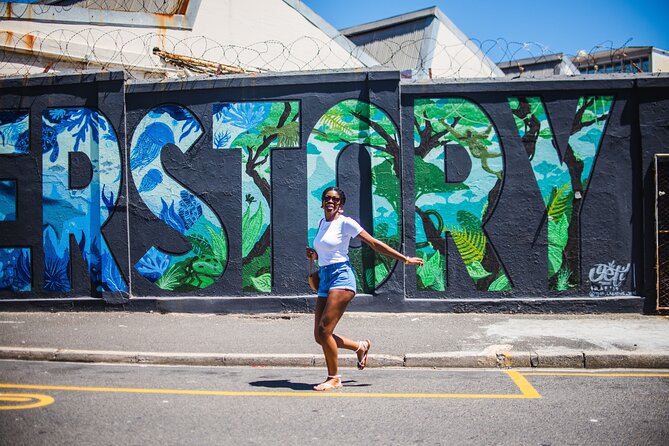
Cape Town is widely known for its creative energy, and Woodstock and Salt River offer a useful place to see how that energy works on public walls. The art is not presented as decoration alone. The walk uses murals and other street pieces to open discussions about the area, its challenges, and the changing face of South Africa.
That context gives the tour more weight than a quick search for colorful backdrops. You will hear about the artists, their reasons for making the work, and the methods used to create it. The art becomes a way to talk about identity, politics, community, economic pressure, and hope.
I like this approach because it gives you something to think about after the paint is out of sight. A mural can be visually strong, but its story often tells you more about a place than the image itself.
The setting also matters. Woodstock and Salt River are not presented as a stage built for sightseeing. You are walking through working neighborhoods and meeting local surroundings as they are. That makes the experience feel more grounded, though it also means you should come ready for a real neighborhood walk rather than a carefully controlled attraction.
A few more mural tours around the world worth a look
- Medellin: Comuna 13 Graffiti Tour, Cable Car & Street Food
★ 4.8 · 9,046 reviews - CDMX: Xochimilco, Coyoacan, Frida Kahlo Museum & Murals Tour
★ 4.4 · 3,025 reviews - Amsterdam: Streetart Museum STRAAT Entrance Ticket
★ 4.8 · 2,137 reviews
The opening walk through Woodstock
The first part of the experience is spent exploring Woodstock, one of the two main neighborhoods included in the route. The supplied schedule does not give a fixed list of named stops, so the exact murals can vary. You should expect your guide to choose pieces that support the day’s discussion and the group’s questions.
This flexible structure can work well. A local guide can spend more time on a mural with a strong story instead of rushing through a rigid list. It also leaves room for conversation, which is one of the most praised parts of the experience.
Guides are repeatedly described as warm, patient, and easy to talk with. Chandy is praised for being thoughtful and encouraging, while Terrence is noted for sharing a great deal about both the artwork and the community. Shandy is also singled out for patient explanations. The names may vary by departure, but the pattern is clear: the guide is central to the quality of the walk.
As you move through Woodstock, expect discussion of both the art and the neighborhood’s social and economic concerns. The tour is designed to address difficult subjects without losing sight of the positive creative work taking place around you.
That balance is important. You are not being shown only a polished version of Cape Town. You are also being invited to consider how art can affect the way people see a community.
Reading the murals instead of just photographing them
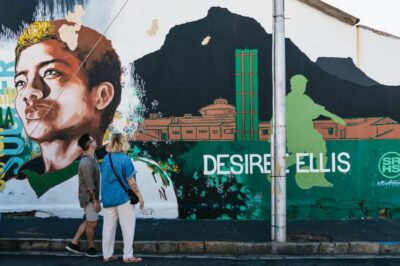
A good street-art walk teaches you how to look. Here, the guide discusses the artist’s motivation, the meaning behind the image, and the techniques used to create it. You may find that a piece that first catches your eye for its color or scale has a second layer connected to local events or wider social concerns.
The tour also helps separate different types of public art. One especially useful point from the experience is that not everything shown is simply graffiti. The Salt Circle area contains several mural examples, with a significant portion connected to a festival or exhibition.
That distinction matters if you arrive expecting a tour focused only on spontaneous graffiti. The art here includes planned mural work and public projects, along with the stories surrounding them. It is best suited to someone curious about how street art is made and used, not just someone looking for a long list of famous walls.
You may also have the chance to meet some of the artists themselves. The overview promises this possibility, though it should not be treated as a guaranteed feature on every departure. If an artist is present, that could be one of the most valuable moments of the walk because it brings the creative process close to the finished wall.
Ask questions. The guides encourage them, and the experience is stronger when you take part rather than simply follow along.
Salt River and the wider South African story
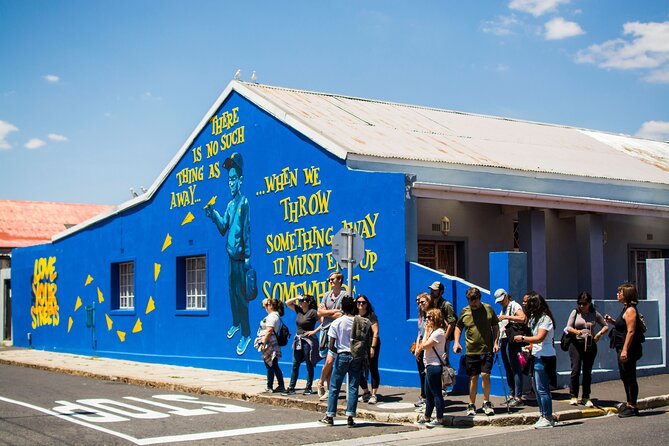
The walk continues into Salt River, giving you a second neighborhood and a broader setting for the discussion. The route is not only about finding more artwork. It is also about how public art changes the way people view local communities.
This is where the tour moves beyond art appreciation. You will discuss the new South Africa, current creative work, and the positive side of the country, while also addressing the social and economic issues facing Woodstock and Salt River.
The subject can be personal and political. One part of the tour has been described as especially useful for understanding South African life from a young person’s point of view. Another focus is the past and present political and social concerns of South Africa and the wider world.
I would choose this tour if you enjoy making connections between what you see and how a place works. You may not receive a formal lecture, and the guide may adapt the conversation to the group. That can make the walk more rewarding, but people who want a tightly scripted art-history lesson may find it less predictable.
The two-hour length is sensible. It gives you enough time to examine many pieces and discuss the area without turning the outing into an exhausting half-day commitment. The route is still a walking tour, so comfortable shoes and a willingness to stay on your feet are sensible choices, even though the supplied information does not specify the walking distance.
Same walls, a different guide:
- Belfast: Murals Taxi Tour
★ 4.9 · 2,047 reviews - Wynwood Graffiti Golf Cart Small-Group Tour
★ 5.0 · 1,646 reviews - London: Street Art and Graffiti Guided Walking Tour
★ 4.9 · 1,354 reviews - Lisbon: Street Art Tour
★ 4.9 · 1,324 reviews
What the guide adds to the experience
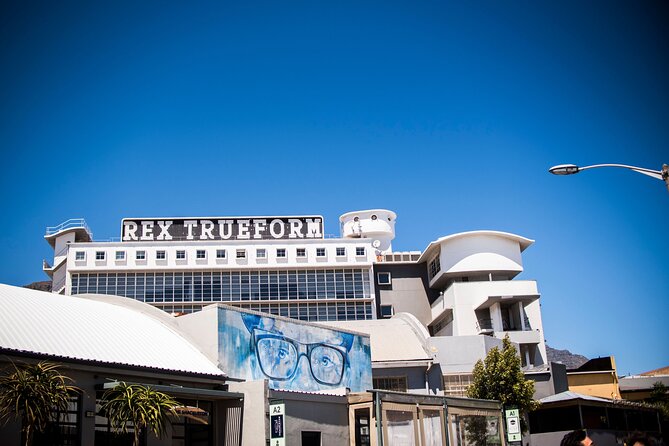
The guide is the main reason to book this rather than explore the walls alone. You could find murals independently, but you would miss much of the information about the artists, the area, and the reasons the work exists.
The strongest guide feedback points to four qualities:
- Personal connection: At least one guide is described as living in the area, which can add useful local context.
- Clear explanations: Guides explain the artwork, the artists, and the background behind each piece.
- Patience: Shandy is praised for taking time with the group, while Chandy is described as thoughtful and wise.
- Conversation: Terrence is noted for welcoming questions and sharing extensive detail about the community.
The tour can also include a trainee guide alongside the main guide. That may mean two people contributing to the conversation, though the exact staffing can vary.
The best way to get value from the walk is to ask direct questions. Ask why a mural is in that location, who commissioned it, what the artist wanted to say, or how local people view the work. The available information confirms that the guides welcome questions, so you do not need to remain a silent observer.
Art, community, and the limits of a two-hour visit
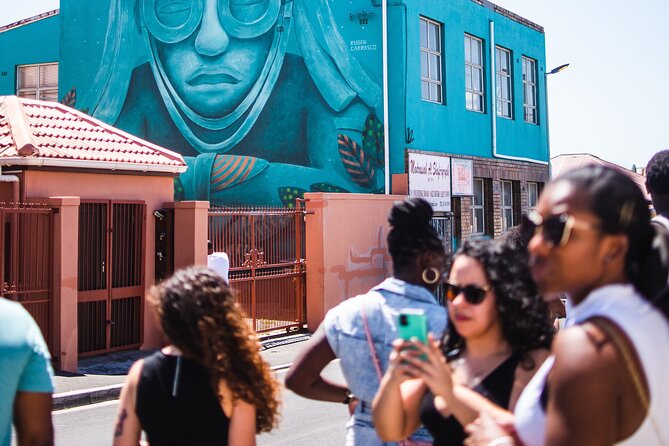
Two hours gives you an introduction, not a full study of Woodstock and Salt River. You will see a selection of art and discuss key themes, but you should not expect every important wall or every part of the neighborhoods to be covered.
That limitation is not a serious flaw. A short tour can work well during a first Cape Town visit, especially if you want something that fits between larger sightseeing plans. The route gives you a starting point and a clearer sense of where the city’s creative scene meets everyday community life.
The main tradeoff is depth. The itinerary describes time in both neighborhoods, but it does not name every stop or provide a detailed sequence. The experience is therefore shaped by the guide, the available artwork, and the pace of the group.
One practical warning is worth taking seriously. A past departure began 30 minutes late because the correct meeting point was not clear in the booking information. Confirm the starting location carefully, allow extra time to reach it, and contact the provider if anything seems unclear. This is a small issue, but it can cut sharply into a two-hour tour.
Is $38.65 a fair price?

At $38.65 per person, this is not the cheapest way to look at murals in Cape Town. You can walk through a neighborhood on your own for far less. The value comes from the interpretation, local contact, and social context.
I consider the price reasonable if you want an informed introduction rather than a self-guided photo walk. You are paying for two hours with a guide who can explain the work, connect it to the community, and point out details you might otherwise pass without noticing.
The value is also strongest for visitors with limited time. Instead of researching artists, finding the relevant streets, and trying to understand the area alone, you receive a focused route through Woodstock and Salt River.
The group may include up to 30 people. That is a fairly large maximum for a walking discussion, so the experience may feel more personal on a smaller departure and less intimate when full. The reviews describe friendly interaction and room for questions, but the stated capacity means you should not assume a private or very small group.
Who should book this walking tour?
I would recommend it to you if you:
- Enjoy street art but want the story behind the image.
- Like discussing social and economic issues while sightseeing.
- Want to see a part of Cape Town beyond the standard tourist route.
- Prefer a local guide and conversation to a recorded audio tour.
- Have two hours available for a guided neighborhood walk.
- Are interested in modern South African creative work.
It is also a good choice if you have already seen Cape Town’s major sights and want a different angle on the city. The walk gives you a chance to consider how art can change a neighborhood’s public image and how artists respond to the world around them.
I would hesitate only if you want a fixed itinerary with a guaranteed list of famous murals, or if your main goal is fast sightseeing with very little discussion. The experience places real weight on context and conversation.
Booking, cancellation, and practical details
Confirmation is provided at booking, and the ticket is mobile, so you do not need a printed voucher. The area is near public transportation, and service animals are allowed. Most people can participate, according to the supplied information.
The tour is booked, on average, 15 days in advance. That does not mean you must reserve exactly two weeks ahead, but booking before your visit is sensible if your schedule is tight.
Free cancellation is available if you cancel at least 24 hours before the local start time. Cancellations or changes made less than 24 hours before departure are not accepted for a refund.
Wear shoes suited to walking and check the meeting point before leaving. Those are simple steps, but they matter more here than extra planning. The only specific operational problem reported is confusion over the starting location, and a little care can prevent that.
Should you book the Woodstock and Salt River art walk?
Book it if you want street art with context, not just attractive walls. The best parts are the local guides, the thoughtful explanations, the chance of meeting artists, and the honest discussion of how Woodstock and Salt River are changing.
The 100 percent recommendation rate and five-star rating from 64 reviews point to a very reliable experience, especially for people who value guides who are kind, patient, and well informed. Still, keep your expectations realistic: the group can reach 30 people, the exact mural selection is not fully specified, and the meeting point deserves a careful check.
For $38.65, I think the walk is good value when you treat it as a cultural conversation with art along the way. If that sounds like your kind of afternoon or morning, this is an easy Cape Town experience to add to your plans.
FAQ
How long does the Cape Town street art tour last?
The tour lasts approximately two hours.
Which Cape Town neighborhoods does the tour visit?
The walk takes place in Woodstock and Salt River.
How much does the tour cost?
The listed price is $38.65 per person.
What is the maximum group size?
The tour can include a maximum of 30 people.
Is the tour available with a mobile ticket?
Yes. Confirmation is provided when you book, and the experience supports a mobile ticket.
Can I cancel for a full refund?
Yes. You can cancel for a full refund up to 24 hours before the experience start time. Cancellations and changes made less than 24 hours before departure are not accepted for a refund.
Just added around the world
- Your Own Belgrade: Street Art and Hidden Gems Walking Tour★ 5.0 · 2 reviews
- Vancouver: Street Art & Craft Coffee Walking Tour w/ Tasting★ 4.8 · 11 reviews
- Wynwood Walls Street Art & Neighborhood Walking Tour★ 4.9 · 9 reviews
- Xochimilco floating gardens, Coyoacan and UNAM murals★ 4.0 · 6 reviews
- UNAM: Murals & Revolution★ 4.9 · 8 reviews
- Urban Canvas: Osaka Street Art Bike Tour★ 5.0 · 10 reviews
- Vancouver: Street Art & Craft Beer Walking Tour with Tasting★ 4.8 · 14 reviews
- Small-Group Graffiti Tour and Workshop in El Carmen★ 5.0 · 2 reviews
Cape Town Mural Tours, compared.


Browse the lists this tour appears in