REVIEW · TOURS
Nairobi: Kibera Street Art Tour with Local Artists
Art here speaks before anyone says a word. This 150-minute walk through Kibera pairs powerful murals with the personal stories of artists who grew up here, including Saviour and Anthony, sometimes called Tony. I like the honest tone: you learn about daily life, community projects, and social issues without reducing Kibera to a postcard or a stereotype. I also like that your money supports a local art collective rather than stopping with an outside guide. The main consideration is that this is a real neighborhood walk, not a polished attraction. Expect uneven walking, busy paths, modest surroundings, and the need to ask before taking photos.
The tour costs $45 per person, a fair price if you value direct contact with local artists and a small group. You may sample street food, visit studios, and buy artwork directly from the people who made it, but food is available on request and art costs extra. The tour is not suitable for wheelchair users or people with mobility impairments, so you should think carefully about the walking conditions before booking.
Key points to know before you go

- Local artists lead the walk: Sun Valley Art Collective is made up of about 15 artists who grew up in Kibera.
- Murals carry a message: You will hear about education, health care, sports, creativity, politics, and community life through the artwork.
- Small guide ratio: One guide is provided for every two guests, allowing plenty of time for questions.
- Food is part of the local rhythm: Street food samples are available on request, with stops at favored vendors.
- Art can go home with you: Paintings, recycled-metal objects, blown glass, and other work may be bought directly from local artists.
- Plan your arrival carefully: Meet outside Gateway Supermarket on Kibera Station Road, where parking is not available.
Why this Kibera walk feels different

Kibera is often described from a distance, using statistics and stereotypes. This tour gives you a different entry point: art, conversation, and the views of young people who grew up in the area.
Sun Valley Art Collective uses creative work as more than decoration. Its artists make murals and objects that speak about their surroundings, hopes, frustrations, and community concerns. You are not simply shown painted walls. You are told why those walls matter.
That distinction makes the experience worthwhile. You hear about local efforts in education, health care, sports groups, and creativity programs. You also meet people trying to build a future through art. The result is more personal than a standard sightseeing stop, while still giving you a clearer sense of life in Kibera.
I especially value the fact that the guides are part of the place they explain. Saviour and Anthony grew up in Kibera and present themselves as ambassadors for their community. Their role is not to pretend that every problem has been solved. It is to show you a fuller picture.
A few more mural tours around the world worth a look
- Medellin: Comuna 13 Graffiti Tour, Cable Car & Street Food
★ 4.8 · 9,046 reviews - CDMX: Xochimilco, Coyoacan, Frida Kahlo Museum & Murals Tour
★ 4.4 · 3,025 reviews - Amsterdam: Streetart Museum STRAAT Entrance Ticket
★ 4.8 · 2,137 reviews
Meeting at Gateway Supermarket
Your meeting point is outside Gateway Supermarket on Kibera Station Road, near Jamhuri Estate. The location is described as safe, but it is still worth arriving with your phone ready for directions and your transport arranged.
There is no parking at the meeting point. An Uber or taxi is the simplest choice, and the operator can provide the map location if needed. If you are unfamiliar with Nairobi, do not leave arrival until the last minute. A calm start matters, especially when the tour begins on foot.
The walk lasts about 2 to 3 hours, with the advertised duration set at 150 minutes. One guide for every two guests is a generous arrangement. It gives you a better chance to ask about a mural, pause for an explanation, or discuss a topic that catches your attention.
Wear closed-toe shoes with a firm sole. Comfortable footwear is not a minor suggestion here, since you will be walking through an active settlement rather than along a smooth sightseeing route. A hat, water, and a camera are also useful. Bring snacks if you prefer to control what you eat, even though local food stops may be offered.
Following the murals through Kibera

The main portion of the tour takes you through Kibera on foot. You visit murals, artist collectives, homes, studios, and other places connected with local art.
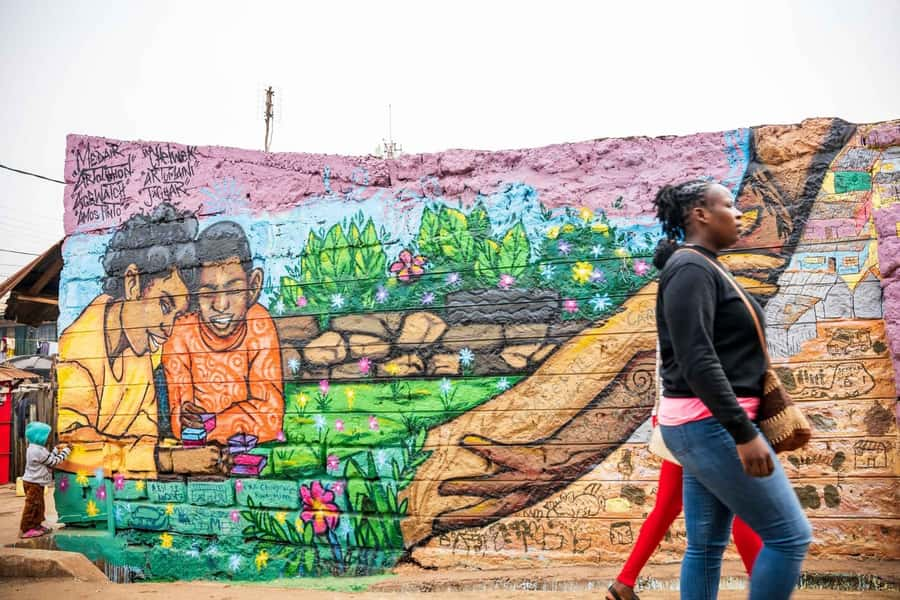
The murals are the heart of the experience. Some are educational, while others carry social or political ideas. The important part is the explanation around each work. Your guides can discuss the inspiration, the circumstances in which a piece was made, and the role of collaborative painting in the community.
This is where the tour moves beyond taking photographs. You get a chance to ask what a picture means, who helped create it, and how art fits into daily life. The artists’ personal situations also form part of the discussion, giving you a better idea of what it means to pursue creative work in Kibera.
You should expect to walk past people carrying on with ordinary tasks. That is both the strength and the responsibility of the experience. You are seeing a living neighborhood, not a set built for visitors. Keep your voice low, follow the guide’s advice, and ask before photographing people, homes, shops, or private spaces.
The operator specifically asks you not to litter. Bring a small bag for anything you need to carry until you find an appropriate bin. Simple behavior makes a real difference on a tour that depends on local trust.
Meeting artists beyond the murals
The walk includes visits to other artists and creative spaces. You may meet a welder who turns recycled metal into animal figures, see another artist’s painting exhibition, and visit a gallery displaying work by several makers.
These encounters broaden the tour. Sun Valley Art Collective is not presented as the only creative voice in Kibera. Instead, you get a glimpse of several ways artists use available materials and shared spaces.
The gallery may include blown glass made from recycled glass, along with paintings and other objects. That detail matters because it shows how art here can be tied to reuse, small business, and practical resourcefulness. It also gives you more choice if you want to purchase something.
You might find the studio visits more memorable than the murals because they allow direct conversation. The artists can explain their work in their own words, and you can ask about technique, inspiration, and community goals. The tone is informal and personal rather than museum-like.
The exact order of stops can vary. The operator says it is flexible about special requests, so it is reasonable to contact them before the tour if you have a particular interest in painting, recycled materials, youth programs, or social themes.
Same walls, a different guide:
- Belfast: Murals Taxi Tour
★ 4.9 · 2,047 reviews - Wynwood Graffiti Golf Cart Small-Group Tour
★ 5.0 · 1,646 reviews - London: Street Art and Graffiti Guided Walking Tour
★ 4.9 · 1,354 reviews - Lisbon: Street Art Tour
★ 4.9 · 1,324 reviews
Local food with a neighborhood guide

Street food samples are included on request. During the walk, your guides may stop at vendors they know and recommend. This adds a practical, everyday element to the outing and gives you a chance to try something connected to local routines rather than a hotel menu.
Food is not guaranteed as an automatic part of every booking, so make your preference clear in advance. You should also bring water and any snacks you need. The supplied information does not specify the dishes, ingredients, or arrangements for dietary restrictions, so contact the operator if food is important to your plans.
I like this part of the format because it keeps the experience grounded. A snack stop is not a staged performance. It is a chance to pause, talk, and see how the neighborhood works at street level. Still, you should follow your guide’s advice about what to try and where to eat.
Visiting the Sun Valley studio
A visit to the collective’s studio gives the tour its clearest personal focus. Here, you hear about the artists’ long connection with art and their efforts to use creative work to improve life in their community.
You may see paintings and objects made from recycled metal. The studio also gives you time to consider the work without the constant movement of a walking route. If a particular piece catches your eye, this is a good point to ask about its meaning and price.
Buying directly from the artists is optional, and art is not included in the $45 fee. That separation is useful: you are not pressured to make a purchase, but you can support the makers if you find something that speaks to you.
A piece by Saviour became a meaningful keepsake for one person who took the tour. That is a good reminder to leave room in your budget and luggage if you enjoy collecting local art. Prices and available works are not listed, so bring a payment method that suits you and ask about packaging before buying a fragile item.
Ending near Hof Gallery and Olympic Stage
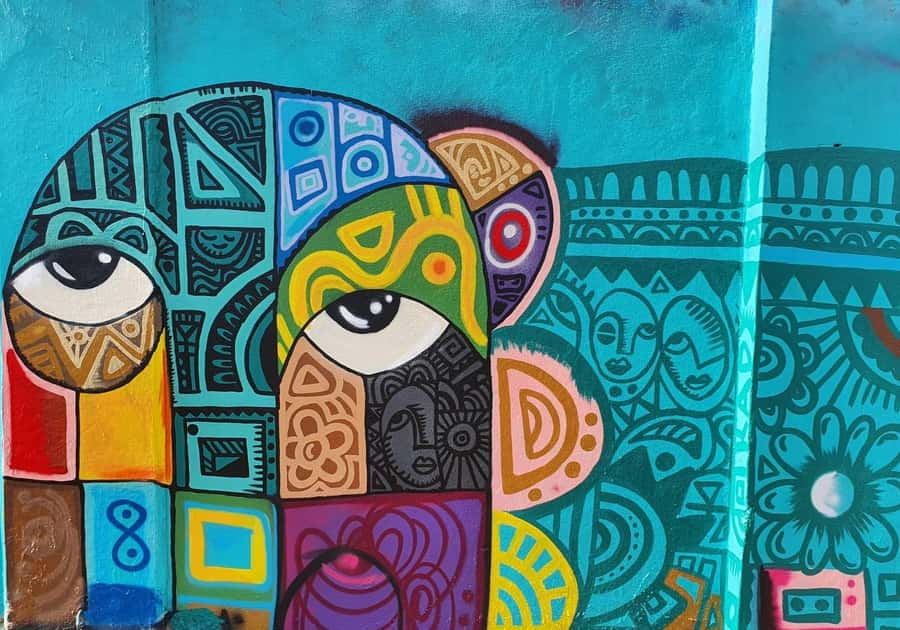
The tour finishes at Hof Gallery Kibera, near Olympic Stage. From there, you can call an Uber or taxi, or take a matatu to your next destination.
This endpoint is practical, but it is not a return transfer. You are responsible for arranging your onward transport. If you have a timed reservation afterward, allow some flexibility. The walking route, conversations, food stop, and studio visits can take different amounts of time.
The finish also gives you a final chance to look at work for sale. The gallery may include pieces by several artists, not just the guides, so it can be a useful place to compare styles and prices.
What $45 buys you
At $45 per person, this is not the cheapest way to walk around Nairobi. Its value depends on what you want from a tour.
You are paying for a small guide ratio, local leadership, about 150 minutes of walking and conversation, access to artists and studios, and a direct contribution to a community-based creative effort. The fee also saves you from trying to interpret the murals on your own or finding the art spaces without local introductions.
Street food is available on request, while artwork costs extra. That means the final price can rise if you buy a painting, metal sculpture, blown-glass piece, or another object. I would treat the art as an optional purchase, not as part of the tour cost.
For someone who wants only major Nairobi landmarks, $45 may feel high. For someone who wants a personal, locally led look at Kibera through art, the price is easier to justify. The small group format is particularly useful because the subject deserves questions and careful conversation.
Who should book this experience
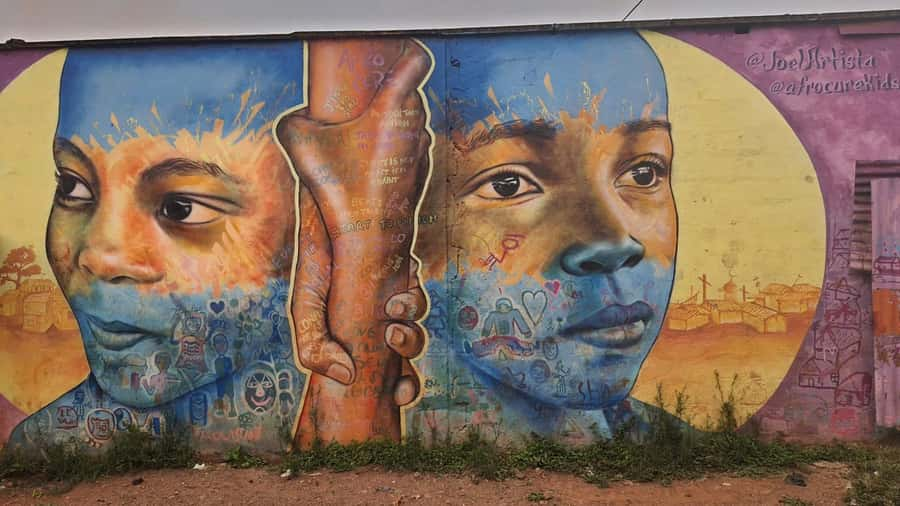
I would recommend the tour to you if you:
- Want to meet artists who grew up in Kibera
- Prefer local guides to a distant, formal presentation
- Care about the social meaning behind public art
- Enjoy walking and informal conversation
- Would like to support a community art collective
- Are interested in buying original work directly from its maker
It is less suitable if you need smooth paths, regular seating, or step-free access. The tour is not suitable for wheelchair users or people with mobility impairments.
It may also be a poor fit if you want a purely photographic outing. The guides ask you to be respectful around people going about their daily lives, and they will tell you when photos are appropriate. That rule is not a nuisance. It is part of visiting responsibly.
You should also be comfortable with a setting that may feel confronting at times. The point is to see Kibera beyond stereotypes, not to pretend that difficult realities are absent. The most rewarding approach is open-minded, polite, and ready to listen.
Practical ways to prepare
Contact the operator if you have a special request. The team says it is flexible, and the guide language is English or Swahili.
Arrive at Gateway Supermarket with comfortable closed-toe shoes, water, a hat, and a camera if you want photos. Keep your belongings secure and avoid bringing anything you do not need.
If you want street food, request it before or at the beginning of the tour. If you plan to buy art, ask about prices, payment, and how a work can be carried safely. Not every item will be easy to pack.
Do not litter, and wait for permission before photographing people or private areas. These small choices help protect the relationship between the artists and the neighborhood.
Free cancellation is available up to 24 hours before the start, and you can reserve now and pay later. Those terms help if your Nairobi plans are still moving around.
Should you book the Kibera street art tour?
Book it if you want to meet local artists, understand the ideas behind Kibera’s murals, and support creative work directly. The strongest part is the human connection: Saviour, Anthony, and the wider Sun Valley group give you access to stories and studios that you would not get from a self-guided walk.
Skip it if mobility is a concern, if you need a tightly timed itinerary, or if you are uncomfortable walking through a working neighborhood. For everyone else, this is a thoughtful and useful way to spend two and a half hours in Nairobi, especially if you approach it as a conversation rather than a photo stop.
FAQ
Where does the Kibera street art tour start?
The tour starts outside Gateway Supermarket on Kibera Station Road, near Jamhuri Estate. There is no parking, so an Uber or taxi is recommended.
How long does the tour last?
The tour lasts about 150 minutes, or roughly 2 to 3 hours, depending on the route and stops.
Which languages are available?
The live guides speak English and Swahili.
Is food included?
Street food samples are available on request. The specific dishes are not listed, so contact the operator if you have food preferences or restrictions.
Can I buy artwork during the tour?
Yes. Paintings, recycled-metal objects, blown glass, and other local artworks may be available to buy directly from the artists. Artwork is not included in the tour price.
Is the tour suitable for wheelchair users?
No. The experience is not suitable for wheelchair users or people with mobility impairments. Comfortable closed-toe shoes are recommended for the walking route.
Just added around the world
- Your Own Belgrade: Street Art and Hidden Gems Walking Tour★ 5.0 · 2 reviews
- Wynwood Walls Street Art & Neighborhood Walking Tour★ 4.9 · 9 reviews
- Xochimilco floating gardens, Coyoacan and UNAM murals★ 4.0 · 6 reviews
- Vancouver: Street Art & Craft Coffee Walking Tour w/ Tasting★ 4.8 · 11 reviews
- UNAM: Murals & Revolution★ 4.9 · 8 reviews
- Urban Canvas: Osaka Street Art Bike Tour★ 5.0 · 10 reviews
- Vancouver: Street Art & Craft Beer Walking Tour with Tasting★ 4.8 · 14 reviews
- Small-Group Graffiti Tour and Workshop in El Carmen★ 5.0 · 2 reviews
Tours, compared.
Comuna 13 Graffiti Tour, Cable Car & Street Food
Read our review →
Xochimilco, Coyoacan, Frida Kahlo Museum & Murals Tour
Read our review →