
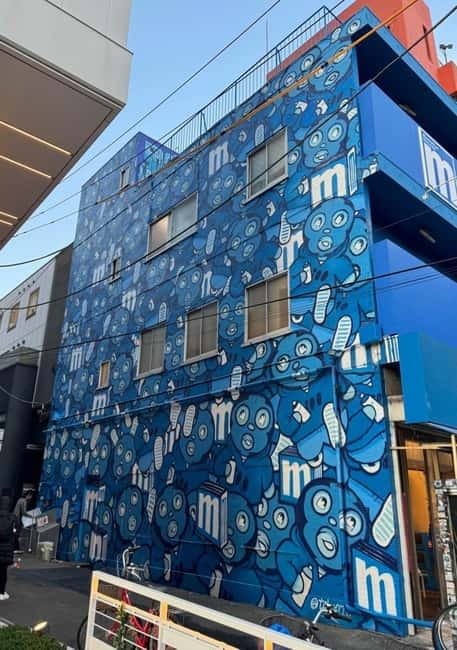
REVIEW · GRAFFITI TOURS
Graffiti in Tokyo Walking Tour: Shibuya and Harajuku
Tokyo hides its art in plain sight. This two-hour walk through Shibuya and Harajuku looks past the famous crossings and fashion streets to find tags, stickers, murals, and tucked-away pieces that are easy to miss. I like the focus on less-seen back streets and the chance to hear how Japanese graffiti fits into local culture from Elena Calderon, a researcher and art curator.
I also like that the tour connects street art with galleries, studios, exhibitions, and local hangouts. The main drawback is that this is a walking tour built around art that can be temporary, concealed, or illegal, so the exact pieces you see may change. You will need comfortable shoes, water, and some tolerance for a little uncertainty.
The price is $38 per person, which is fair if you want more than a quick photo stop. You are paying for Elena’s ten-plus years of research, her ability to spot small tags and stickers, and access to places you probably would not find by following a standard Tokyo route.
Key things to know before you go
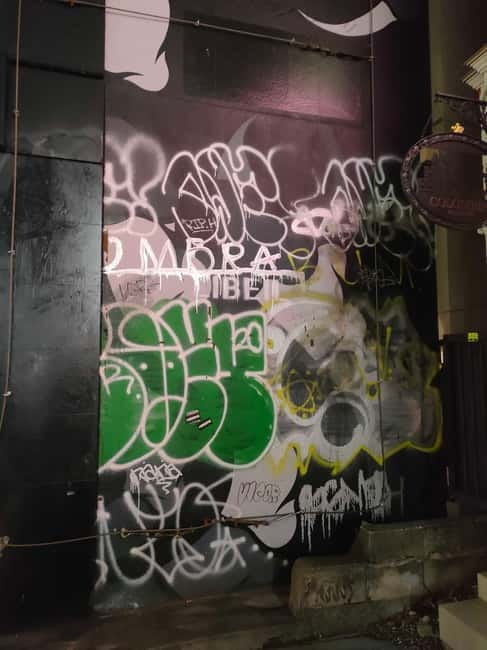
- Look closely in Shibuya: Small tags, stickers, and painted details may be tucked beside the polished shopping streets.
- Elena Calderon leads the walk: She is a graffiti researcher and art curator who brings context about artists, crews, and Japanese street art.
- Harajuku adds a creative contrast: The route includes a visit to Harajuku, linking graffiti with the area’s wider art and youth culture.
- The meeting point needs checking: The activity information names Manhattan Records Shop, while the route also refers to Kifune Bldg. Confirm the exact meeting instructions before setting out.
- The tour is best for curious walkers: It is not suitable for people with mobility impairments, and the route can involve changing weather and city pavement.
- You get art leads beyond the walk: Gallery and restaurant discounts are included, and Elena can point you toward other art spots.
Why this Shibuya walk feels different
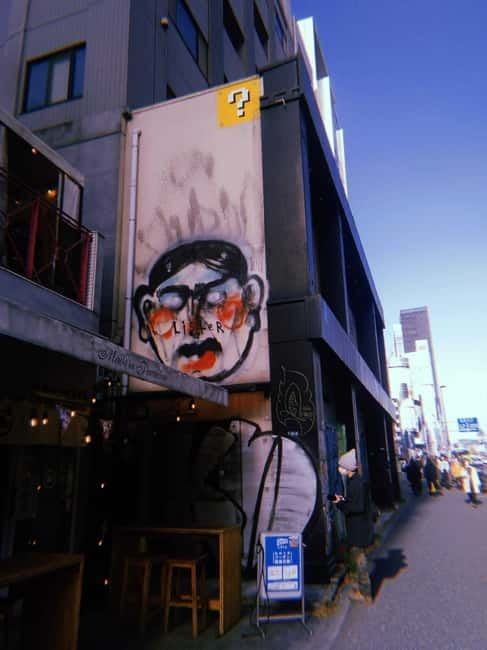
Most first visits to Shibuya follow a familiar line: the scramble crossing, commercial streets, department stores, and a few well-known photo points. This tour takes a different approach. It asks you to look at walls, shutters, corners, stickers, and narrow passages that you might otherwise pass without a second thought.
That change in attention is the real value. Tokyo can look remarkably clean and controlled, yet its graffiti culture is still present in small, often discreet forms. The art may be legal, tolerated, covered up, or removed. Elena’s job is to explain what you are seeing and why it matters, rather than simply leading you from one large mural to another.
You can expect a mix of tags, throw-ups, stickers, and larger painted works. Some pieces are by local artists, while others come from artists and crews from outside Japan. The tour helps you see these forms as different parts of a culture, not as one large category called street art.
That distinction matters. A sticker placed on a sign, a quick tag on a wall, and a carefully made mural involve different aims, risks, and styles. Without someone to point them out, many of the smaller works would be easy to overlook.
More Graffiti Tours in the world:
- Medellin: Comuna 13 Graffiti Tour, Cable Car & Street Food
★ 4.8 · 9,046 reviews - Wynwood Graffiti Golf Cart Small-Group Tour
★ 5.0 · 1,646 reviews - London: Street Art and Graffiti Guided Walking Tour
★ 4.9 · 1,354 reviews
Meeting at Manhattan Records Shop
The advertised meeting point is Manhattan Records Shop in Shibuya, a fitting place for a tour centered on underground creative culture. The shop gives you a clear neighborhood landmark and puts you close to the starting area.
There is one practical detail to sort out before you leave your hotel. The route information also names Kifune Bldg. as the starting and ending location, while the meeting-point instructions identify Manhattan Records Shop. These may refer to nearby points or to different parts of the booking information, so confirm the exact address and arrival instructions in advance.
Allow time to reach Shibuya without rushing. Transportation to the meeting point is not included, and you will need to make your own way there. Wear shoes that can handle two hours of city walking, and bring water. A camera is useful, though you should always be mindful of private property, pedestrians, and local rules when taking photographs.
Reading Shibuya one wall at a time
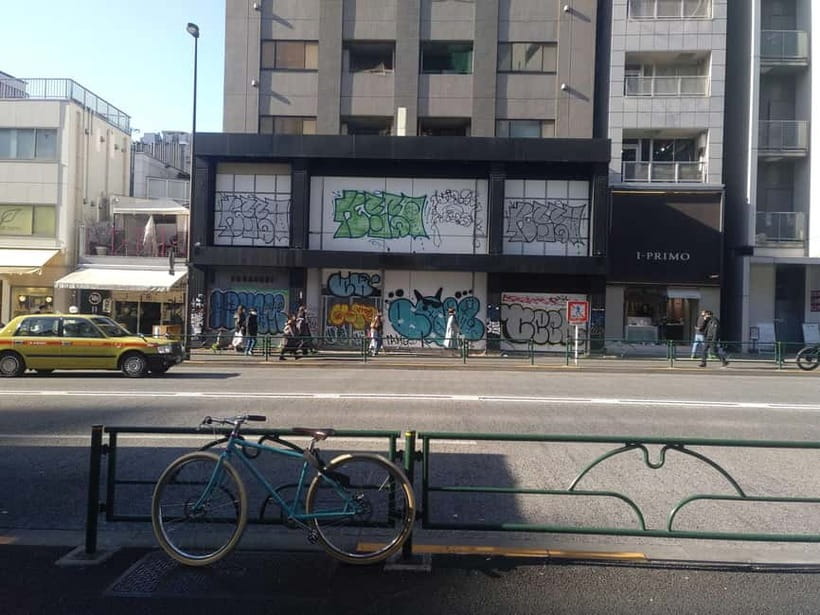
The Shibuya section is the main part of the experience. Rather than giving you a broad sightseeing tour, it focuses on places where graffiti and street art can be found away from the most obvious tourist routes.
You might stop at a legal wall, a side street, an alley, or a less noticeable surface near a busy commercial area. The appeal is the contrast: Shibuya’s polished public image sits alongside a more informal art culture that is not always easy to see.
Elena’s background is especially useful here. She has spent more than ten years researching graffiti and works as an art curator. That gives her a way to explain not only what is on the wall, but also how artists use names, symbols, crews, placement, and repetition.
This is where the tour earns its price. You are not simply being shown a route that you could copy from a map. You are being taught how to look. Afterward, you may notice stickers under signs, tags along service alleys, or pieces partly covered by newer work.
Several recent bookings praised Elena’s enthusiasm and her ability to explain the art in clear, engaging terms. One particularly useful feature is her flexibility. She has helped people identify murals they wanted to photograph again after the walk, which is handy if a particular piece catches your eye.
Do not expect every stop to be a huge mural. Graffiti is often small, temporary, or partly concealed. That is part of the subject, but it also means this tour suits people who enjoy observation and discussion more than people seeking a guaranteed set of famous photo backdrops.
What graffiti means in Tokyo
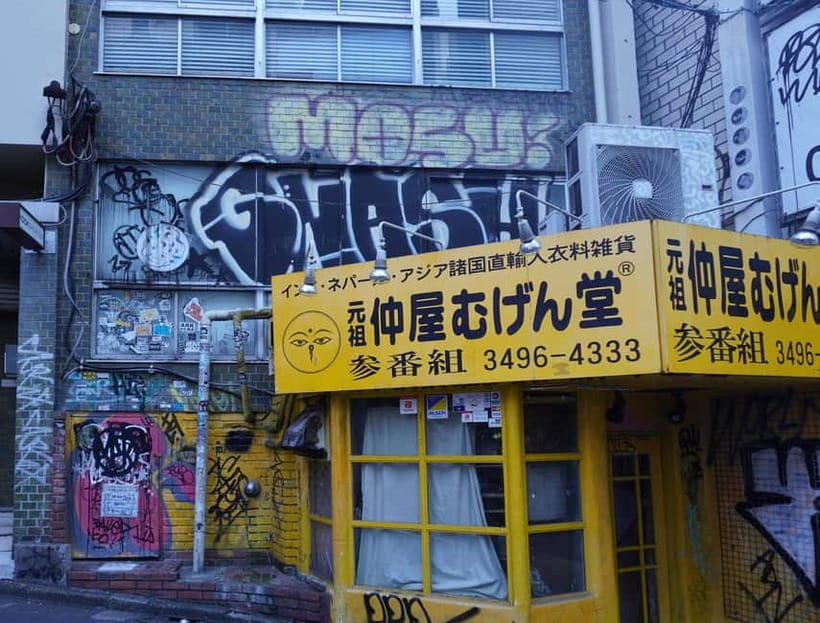
The tour’s subject is more complicated than the usual colorful wall-art photo opportunity. Graffiti can be illegal, and the experience openly acknowledges that reality. You are shown both legal walls and secret street locations, but the responsible approach is to observe without encouraging damage or copying what you see.
Tokyo’s graffiti culture operates within a city known for strong public order and careful use of shared space. That tension makes the subject worth exploring. A tag that might seem like random marking at first can carry information about identity, affiliation, location, or style.
Elena provides the cultural background that turns visual details into a story. Her role as a researcher matters because the scene is not always explained in mainstream museums or tourist brochures. You get a look at artists, crews, galleries, and exhibitions connected to the wider art world.
The tour also appears to include art from both Japanese and international artists. That gives you a broader view of how Tokyo fits into global graffiti culture. You are not limited to one local style, and you can compare different approaches as you move through the neighborhoods.
Still, keep your expectations realistic. Because pieces can be painted over, removed, or changed, the route is not a permanent museum display. The exact artwork may differ from one date to another. For many people, that is part of the appeal. The tour reflects a living scene rather than a fixed collection.
More Street Art Walking Tours in the world:
- Berlin: City Street Art Guided Walking Tour
★ 4.8 · 1,051 reviews - Naples Spanish Quarters Walking Tour Street Art, Folklore & Sweet
★ 5.0 · 797 reviews - Lisbon: Kickstart Street Art Walking Tour
★ 4.9 · 717 reviews - Glasgow Street Art Daily Walking Tour: 2pm
★ 5.0 · 648 reviews
Harajuku in about ten minutes
The itinerary includes a short visit to Harajuku, listed at about ten minutes. That is not long enough for a full neighborhood tour, shopping session, or museum visit. Think of it as a compact link between the graffiti route and Harajuku’s creative identity.
Harajuku is useful in this context because it brings fashion, youth culture, design, and street expression into the conversation. The stop may help you see how graffiti sits beside other forms of visual creativity in the area.
You should not book this experience expecting a detailed Harajuku sightseeing itinerary. The emphasis remains graffiti and street art. The short Harajuku segment is an added perspective, not a substitute for a separate visit to the neighborhood.
The route then returns to Kifune Bldg., according to the activity details. Again, check the precise end point because the meeting information uses both Manhattan Records Shop and Kifune Bldg.
Galleries, studios, and useful follow-up ideas
One of the better features of this experience is the connection to the formal art world. Elena can provide insider information about art galleries, studios, and exhibitions. That helps you see that graffiti is not isolated from the rest of Tokyo’s creative culture.
Most galleries and museums connected with the tour are free to enter, although entrance charges are not included when a fee applies. Gallery and restaurant discounts are also listed as part of the experience. Ask Elena which recommendations are open during your visit, since exhibitions and opening hours can change.
This advice can add real value for anyone who wants to continue exploring after the two-hour walk. The tour gives you a starting point, then helps you decide where to go next. That is more useful than ending with a collection of photographs and no sense of how to find related art.
Bring cash because it is specifically recommended. The tour does not include meals or drinks, so plan your food separately. A small restaurant discount may be useful afterward, but it should not be treated as a meal included in the price.
Is $38 a good value?
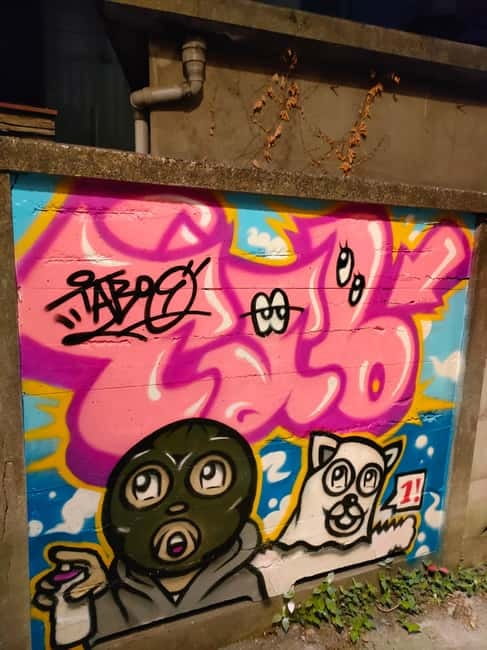
At $38 per person, this is a reasonably priced specialist tour. A general walking tour may cover more sights, but it will rarely give you this level of attention to tags, stickers, artists, and local graffiti spots.
I would consider the price good value if you have a real interest in street art, photography, urban culture, or contemporary art. It is also worthwhile if you have already seen the major Shibuya sights and want a different way to understand the neighborhood.
The value is less clear if you are looking for a relaxed sightseeing stroll with long stops and famous landmarks. Two hours can pass quickly, and the route may require close attention to small works rather than dramatic visual set pieces.
You also pay for access to Elena’s personal research and local awareness. The strongest comments about the experience focus on her ability to find art that people would have missed on their own and explain what they were seeing. That is difficult to reproduce with a self-guided map.
Who should book this walk?
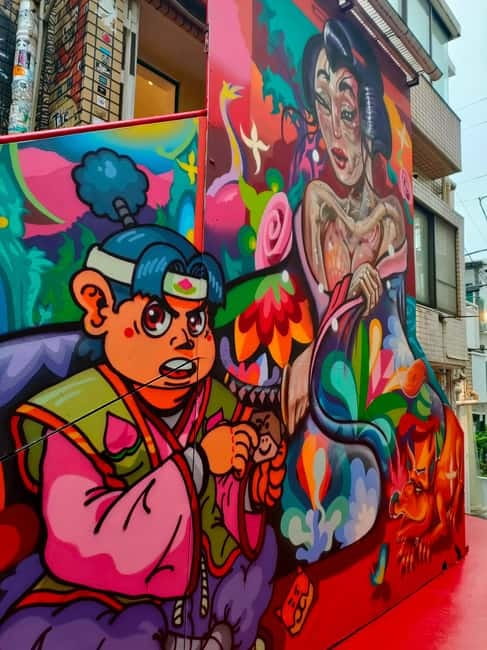
This tour fits you best if you enjoy:
- Graffiti, stickers, murals, and contemporary art
- Small-group or guide-led neighborhood walks
- Photography and close observation
- Local stories that do not appear in standard sightseeing books
- Creative districts, galleries, studios, and exhibitions
- Exploring familiar areas from an unfamiliar angle
Families can take part, and one family described the experience as fun and accessible for their group. Still, the walking format and street setting may not suit very young children. Babies under one year are specifically listed as unsuitable.
The tour is not suitable for people with mobility impairments, and the provider also lists people over 95 as unsuitable. The exact reason for the age restriction is not explained, so older participants should consider the pace and walking conditions carefully.
You should also be comfortable with changing weather. The tour runs outdoors, and the advice is to prepare for varying conditions. A light rain layer, water, and comfortable shoes are sensible choices.
Guide quality and language options
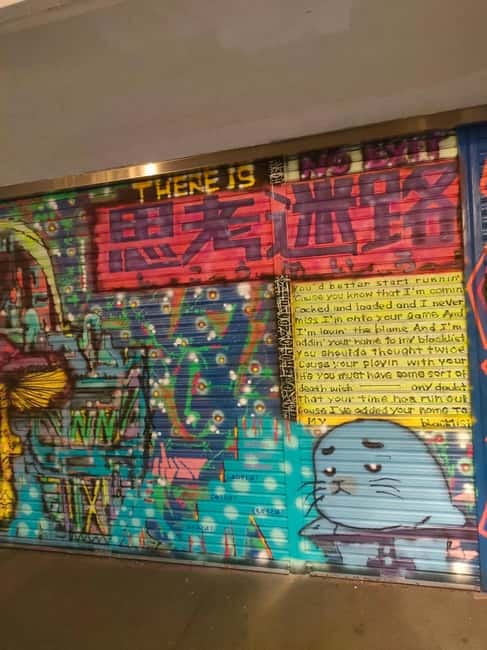
Elena Calderon is the central strength of the experience. Her work as a graffiti researcher and art curator gives the tour a specialist focus, while her enthusiasm helps keep the subject approachable.
English and Spanish tours are available. Several people found Elena easy to understand and flexible with their interests. That flexibility matters if you want to spend a little more time on a particular artist, mural, or photograph.
The activity has a five-star rating from 41 reviews, with repeated praise for Elena’s passion, local familiarity, and ability to show art that is easy to miss. The recurring positive point is not simply that she knows the subject. It is that she notices details and explains them in a way that helps you notice them too.
One useful suggestion from a participant was to provide extra street art locations after the walk and use a tablet for more supporting material. That is worth keeping in mind. The tour seems strong on field observation and personal explanation, but anyone wanting extensive visual reference material may prefer to ask Elena for follow-up locations directly.
Practical details that matter
The walk lasts two hours, although one booking described spending about two and a half hours with the guide. Treat two hours as the planned duration and allow a little flexibility if you have a fixed appointment afterward.
The tour includes the guide, access to selected graffiti locations, art and gallery information, and discounts at certain galleries and restaurants. It does not include transportation, food, drinks, or gallery and museum entry fees where those apply.
Cancellation is free up to 24 hours before the activity for a full refund. You can also reserve now and pay later, which helps if you are still arranging your Tokyo schedule.
Smoking, alcohol, drugs, and littering are not allowed. More important, respect local laws and do not copy or interfere with the work you see. This is an observation tour, not permission to paint.
Should you book the Graffiti in Tokyo Walking Tour?
Book it if you want to see Shibuya and Harajuku through art rather than only through shopping, fashion, and famous landmarks. The strongest reason to go is Elena’s ability to locate overlooked pieces and explain the people, styles, and local context behind them.
Skip it if you need a fully predictable route, major monuments, indoor comfort, or a guaranteed collection of large murals. Graffiti changes, and the best parts may be small details that require patience.
For photographers, art students, design fans, and curious repeat visitors to Tokyo, $38 is a sensible spend. Confirm the meeting point, wear good shoes, prepare for the weather, and arrive ready to look closely. The city rewards that kind of attention.
FAQ
Where does the Graffiti in Tokyo Walking Tour meet?
The meeting point is listed as Manhattan Records Shop in Shibuya. The route information also refers to Kifune Bldg., so confirm the exact meeting instructions before the tour.
How long does the tour last?
The planned duration is two hours. One booking described a walk lasting about two and a half hours, so allow some extra time if your schedule is tight.
Which neighborhoods does the tour visit?
The main route covers Shibuya and includes a short visit to Harajuku. The itinerary lists approximately ten minutes in Harajuku.
What languages are available?
Live guiding is available in English and Spanish.
Who guides the tour?
The guide is Elena Calderon of Totemo. She is described as a graffiti researcher with more than ten years of experience and an art curator.
What is included in the price?
The price includes the expert guide, access to selected graffiti locations, insider information about Tokyo’s graffiti scene and art galleries, and discounts at certain art galleries and restaurants.
Are food, drinks, and transportation included?
No. Meals, drinks, and transportation to the meeting point are not included. Entrance fees for art galleries and museums are also not included, although most are free of charge.
What should I bring?
Bring comfortable walking shoes, water, a camera, and cash. You should also prepare for changing weather conditions.
Can I cancel the booking?
You can cancel up to 24 hours in advance for a full refund. The reserve-now-and-pay-later option is also available.
Just added around the world
- Your Own Belgrade: Street Art and Hidden Gems Walking Tour★ 5.0 · 2 reviews
- Vancouver: Street Art & Craft Coffee Walking Tour w/ Tasting★ 4.8 · 11 reviews
- Wynwood Walls Street Art & Neighborhood Walking Tour★ 4.9 · 9 reviews
- Xochimilco floating gardens, Coyoacan and UNAM murals★ 4.0 · 6 reviews
- Urban Canvas: Osaka Street Art Bike Tour★ 5.0 · 10 reviews
- Vancouver: Street Art & Craft Beer Walking Tour with Tasting★ 4.8 · 14 reviews
- UNAM: Murals & Revolution★ 4.9 · 8 reviews
- Small-Group Graffiti Tour and Workshop in El Carmen★ 5.0 · 2 reviews
Graffiti Tours, compared.
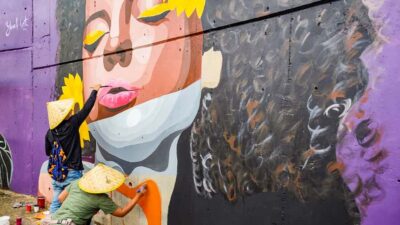
Comuna 13 Graffiti Tour, Cable Car & Street Food
Read our review →
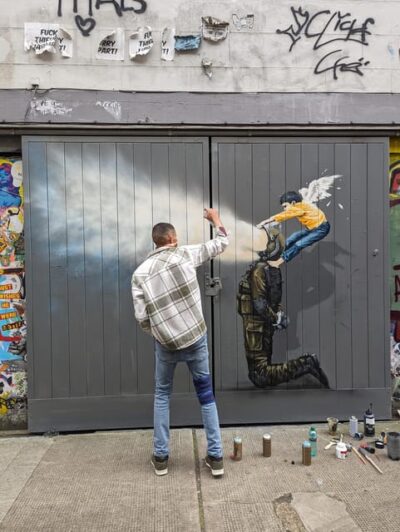

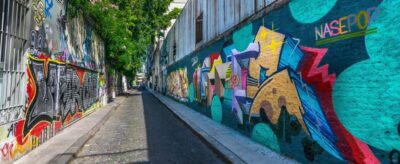
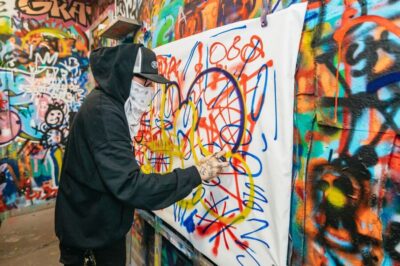

Brooklyn Graffiti & Street Art Walking Tour in Bushwick
Read our review →
Comuna 13 Tour with Snacks And Your Own Graffiti
Read our review →Browse the lists this tour appears in