
REVIEW · AUSTRALIA MURAL TOURS
Fremantle: Convicts, Culture, and Street Art
Fremantle tells its stories on foot. This two-hour walk links the port, old streets, street art, markets, and major landmarks with the personal stories that make the city memorable. I like the mix of serious history and odd local tales, and I like that the route gives you useful bearings for exploring Fremantle on your own afterward.
The tour is led by a local host, with guides such as Winona, Vaughan, Joanie, and Daniel praised for their warm approach and strong grasp of the city. The main drawback is simple: you are outside for the full two hours, so rain, cold weather, and hard pavement can affect the experience. Comfortable shoes and a weather check are not optional extras here.
Key points to know before you go
- Convict-built Fremantle: Learn why almost 10,000 men were transported from Great Britain and Ireland, and how convicts helped build the settlement.
- A port city full of crossings: Hear stories of whaling, migration, prisoner escapes, Indigenous displacement, and the people who shaped Fremantle.
- The route covers several distinct areas: Expect the Cappuccino Strip, boat harbour, West End streets, High Street, the Roundhouse, and the Whaler’s Tunnel.
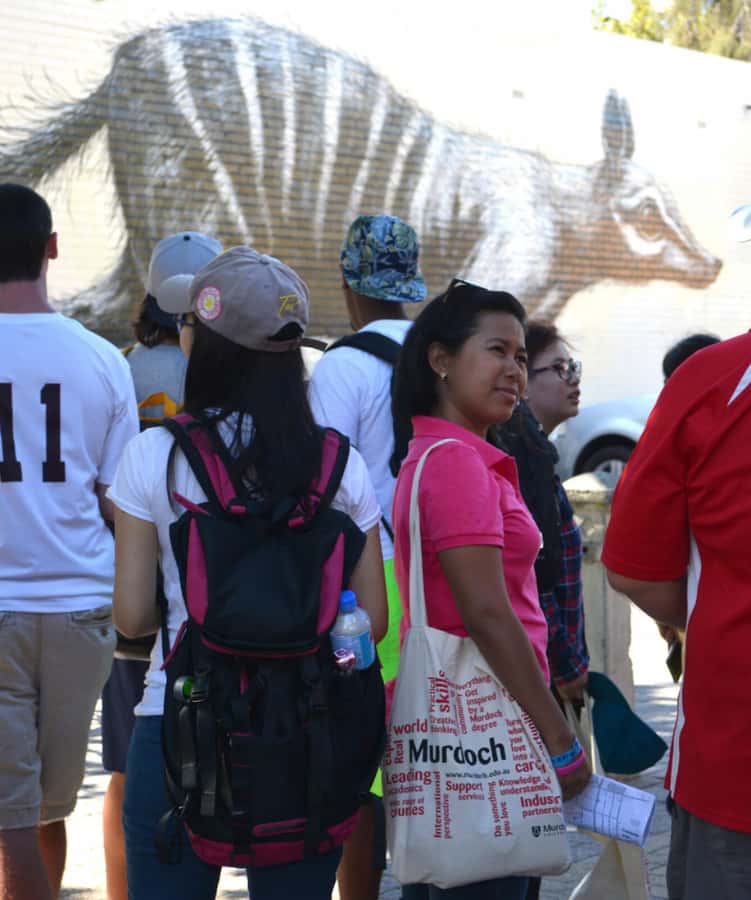
- Street art has a place in the story: The tour connects modern public art with the people, conflicts, and characters behind Fremantle’s identity.
- Relaxed rather than rushed: The pace allows questions and conversation. One group spent nearly three hours with Vaughan, helped along by a coffee stop.
- Good value for a first look: At $46 per person, the tour costs less than many major attractions and gives you local context for the rest of your visit.
Starting at Kings Square and finding your bearings
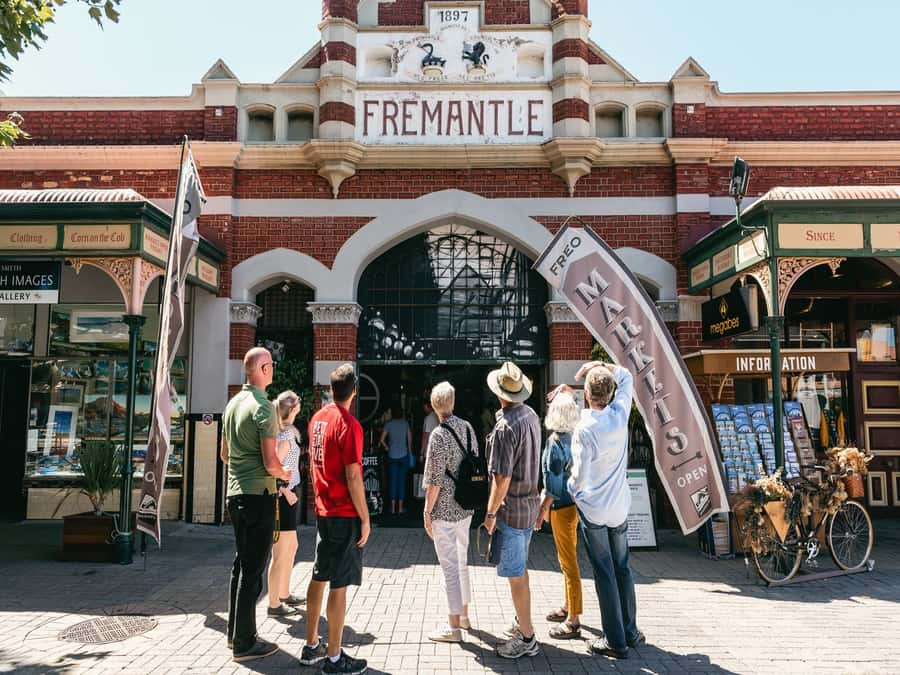
The tour begins at the Fremantle Visitor Information Centre in Kings Square. That is a useful starting point because you are close to the town centre, the main shopping streets, and several of the city’s best-known historic areas.
I like beginning here rather than at a single monument. Fremantle is compact, but its character changes quickly from city square to café-lined street, port precinct, old warehouse district, and historic waterfront. A local guide helps you see how these parts fit together.
The walk is conducted in English and lasts two hours. The pace is described as relaxed, which suits anyone who wants time to look around and ask questions. It is not designed as a rapid checklist of buildings. You should expect a conversational walk where factual material is mixed with anecdotes, local tips, and stories about unusual characters.
That format matters in Fremantle. A plaque can tell you when a building was made. A guide can explain the people who used it, the trouble that unfolded nearby, or why a street matters to locals. Guides have also adjusted the conversation to suit the group. Winona, for example, asked a small group what they wanted to learn rather than delivering the same speech word for word.
A few more mural tours around Australia worth a look
- Melbourne Street Art Tour
★ 5.0 · 378 reviews - PERTH BAR+STREET ART TOUR: Hidden Secrets, Laneways + Good Times!
★ 5.0 · 183 reviews - Melbourne: Street Art Walking Tour with a Street Artist
★ 4.9 · 147 reviews
The Cappuccino Strip and Fremantle’s social side
The walk continues through the lively café area often called the Cappuccino Strip. This part of town shows you Fremantle as it is today: social, easygoing, multicultural, and built for wandering.
The value of this section is not just the chance to find coffee. It provides a contrast with the convict and maritime stories. Fremantle can feel polished and cheerful now, yet its past includes forced transportation, hard labor, migration, and conflict. Walking through a popular café district while hearing about that earlier town gives you a clearer sense of how much the place has changed.
This is also a good point to listen for local tips. Guides can help you decide which areas deserve a second look after the tour. Brett described the walk as a useful introduction for further exploring, and that is exactly how I would use it. Take note of streets, museums, and buildings that catch your attention, then return later at your own pace.
The guide may also point out public art along the way. The street art is not treated as a separate decoration pasted onto the old town. It forms part of the current identity of Fremantle and helps show how the city continues to tell stories in public spaces.
The boat harbour and Fremantle’s maritime past
From the central streets, the route takes in the boat harbour and the port area. Fremantle grew around the sea, so this is where the city’s working character becomes easiest to understand.
You will hear about whaling stations, sailors, migrants, and the hard-edged local figures who mixed with new arrivals. The stories are not limited to famous founders. They include people who worked, struggled, escaped, arrived with little, or simply became memorable through their behavior.
The tour’s maritime material is one of its strongest features because it gives context to the buildings around you. The harbour is more than a pleasant place for a walk. It represents Fremantle’s links with trade, migration, labor, and the wider world.
The port was also a gateway for migrants. That adds another layer to the city’s character. Fremantle was shaped not only by British colonial power and convict labor, but also by people arriving from elsewhere and adding their own customs, food, work, and family stories.
You should not expect a long museum-style explanation of shipping statistics. This is a walking tour, so the guide focuses on human stories and visible places. The result is easier to remember, especially if formal history lectures make your eyes glaze over.
West End streets, narrow lanes, and old port character
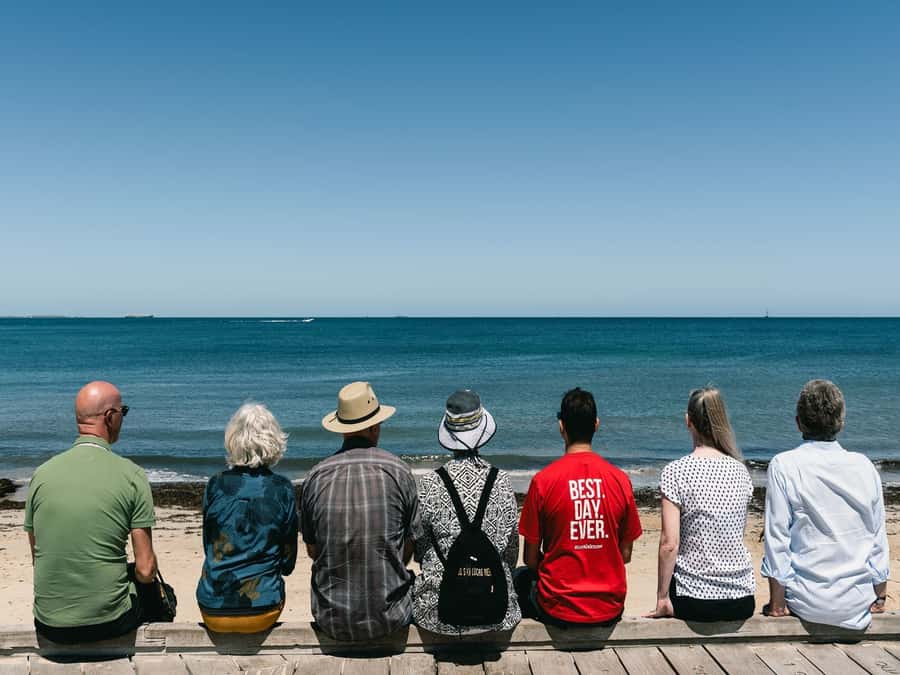
The narrow streets of Fremantle’s West End bring a different mood. Here, the older port identity is close at hand, with historic buildings and traces of the city’s commercial past.
A strong guide can make these streets work on two levels. You see the architecture and street layout, but you also hear about the people who moved through the area. The stories of sailors, traders, immigrants, prisoners, and local characters turn a simple walk into a sequence of human encounters.
The West End is also a good place for the tour’s mix of fact and humor. Vaughan has been praised for making stories about Fremantle’s beginnings interesting and sometimes funny. That tone helps with difficult subjects without making light of them.
You will hear about Indigenous people being expelled to Rottnest Island. This is an important part of the tour’s historical scope. Fremantle’s story is not only about convict construction or pioneering figures. It also includes the displacement and suffering caused by colonial expansion.
That balance is worth paying for. A tour that talks only about old buildings can leave you with a tidy but incomplete picture. Here, the guide connects the attractive streets with the harder parts of the past.
Same walls, a different guide:
- Sydney Street Art & Food Tour
★ 5.0 · 120 reviews - Brisbane Small Bars and Street Art Tour
★ 5.0 · 34 reviews - Street Food & Street Art, Backroads & Boroughs
★ 5.0 · 23 reviews - Paint and Palate Street Art Tour with Food
★ 5.0 · 21 reviews
The Whaler’s Tunnel and stories below street level
The Whaler’s Tunnel is one of the more unusual landmarks on the walk. Set among Fremantle’s streets and markets, it points back to the city’s whaling era and the practical infrastructure that supported maritime work.
A tunnel is naturally more memorable than another plaque on a wall. It gives the history a physical shape. You are not just hearing that whaling once mattered. You are seeing a place linked to that trade and getting a sense of how work was organized around the waterfront.
The supplied details do not promise a long underground visit or an extended stop inside the tunnel, so you should think of it as one feature within a broader route rather than the entire purpose of the tour. The real strength comes from how it fits with the harbour, West End, and other port stories.
The area around the tunnel also helps explain the contrast that makes Fremantle interesting. Markets and cafés create a festive modern setting, while nearby landmarks point to hard labor, dangerous work, and a very different town.
High Street and the Roundhouse
High Street is another key part of the walk. It ties the central town to Fremantle’s older civic and port areas, and it is one of the places where the city’s layers are easy to read.
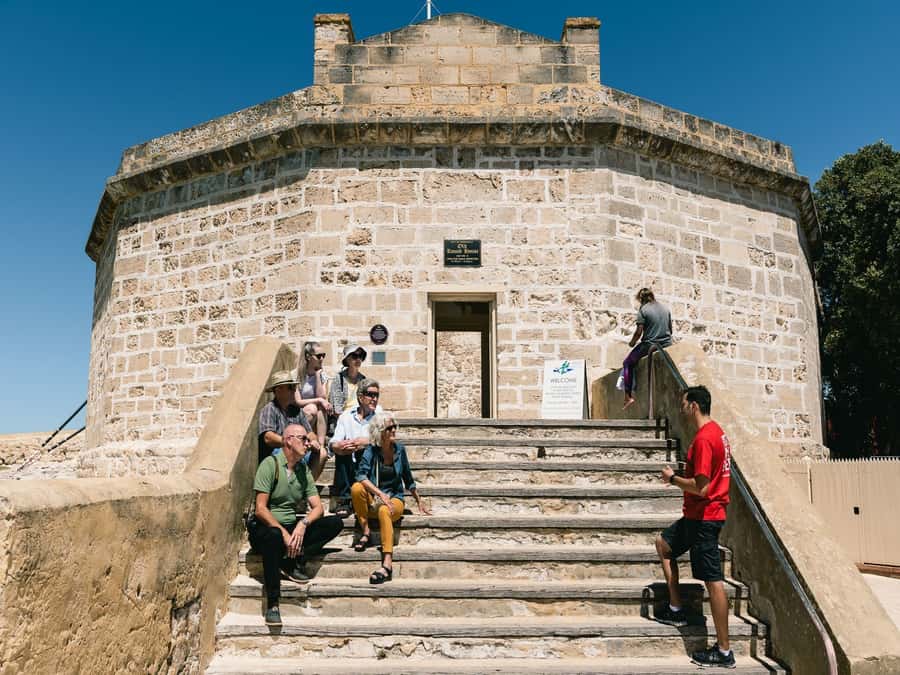
The Roundhouse brings the convict story into sharper focus. You will learn why nearly 10,000 men were transported from Great Britain and Ireland, how convicts helped build their own prison, and how their labor shaped Western Australia’s future.
That story can sound abstract in a book. On foot, it becomes tied to an actual building and an actual town. The Roundhouse helps you think about the prison system as part of everyday Fremantle, not as a distant event taking place somewhere else.
The tour also covers prisoner escapes and convict antics. These details add personality to a difficult subject, but the broader point remains serious. Convict labor helped construct the settlement, while the men themselves lived under punishment and strict control.
I would pay close attention here if you are interested in Australian colonial history. The tour is not a full study of the penal system, but it gives you a clear foundation and points you toward the places worth visiting in more depth.
Street art, local voices, and the city today
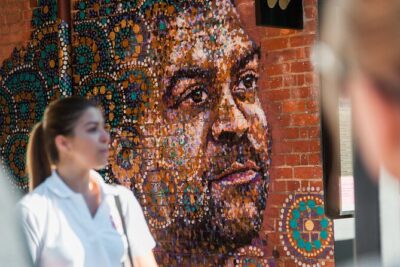
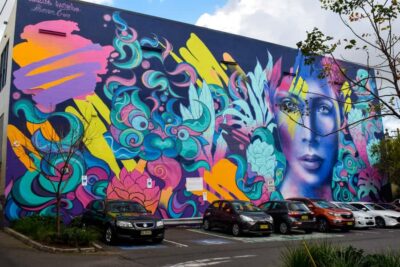
The street art section gives the tour a modern edge. Fremantle is not presented as a preserved colonial display where nothing has changed. Public art shows that people are still arguing with, reshaping, and adding to the city’s public story.
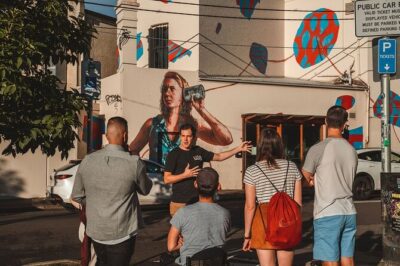
One particularly useful feature is the way the art can be read alongside the older stories. A wall image may refer to identity, politics, local figures, or social change. Your guide can provide context that is easy to miss if you are simply walking past with a camera.
Karen specifically praised the connection between the street art and the stories it relays. That is a good reason to choose this tour over a walk focused only on architecture. You get the older city and the present-day city in the same outing.
The quality of this section depends on the guide’s ability to explain what you are seeing. The hosts have received strong praise for answering questions and adjusting the level of detail. If you enjoy asking why a particular mural matters, a smaller group may make the experience more rewarding.
The guides make the biggest difference
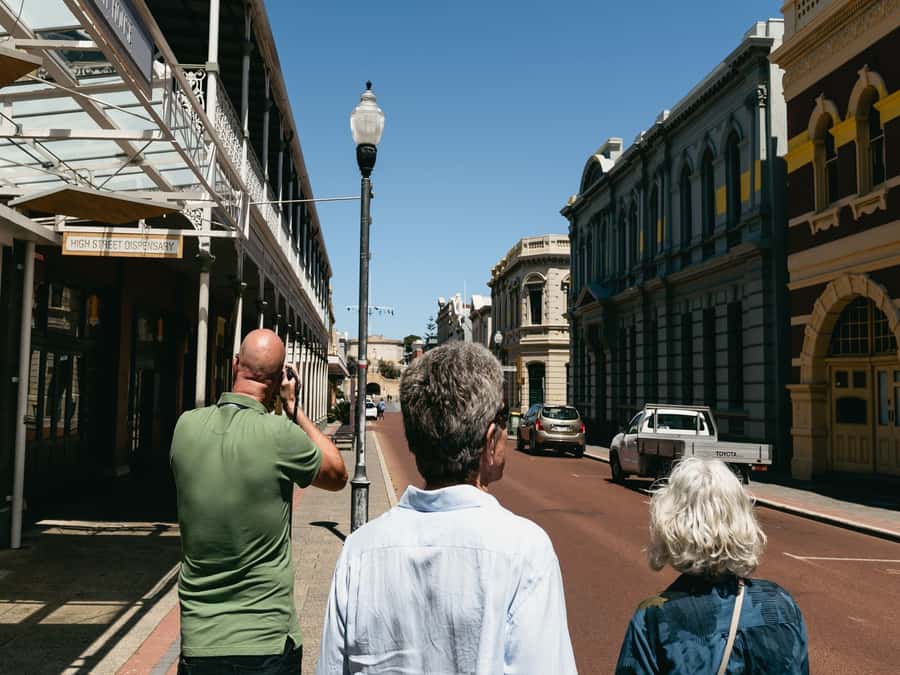
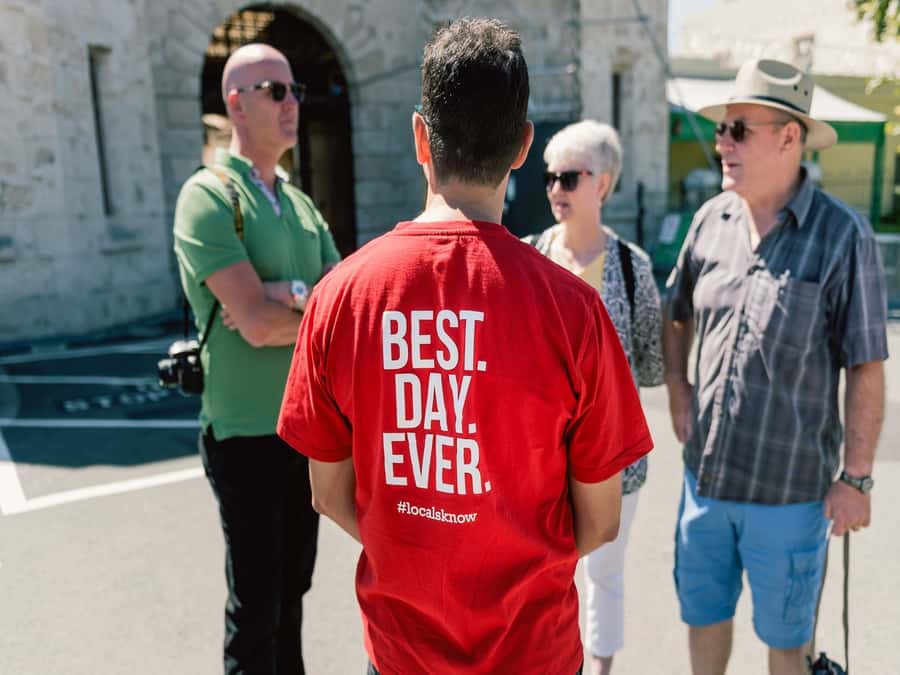
The most consistent strength is the local hosting. Winona has been praised for being professional, personable, and attentive to the group’s interests. Vaughan is described as relaxed, funny, and able to cover a great deal even in poor weather. Joanie received praise for creating an informative but easygoing walk, while Daniel was noted for being both personable and well informed.
Those comments point to an important practical difference. The experience is not simply a fixed route with a script. The guide affects how much you get from it. Ask questions, mention the parts of Fremantle that interest you, and let the conversation shape the walk where possible.
The pace also seems flexible. One group covered so much with Vaughan that the walk continued for almost three hours before ending over a strong coffee. That should not be treated as a guaranteed duration, since the advertised length is two hours, but it does suggest a generous approach when time and group interest allow.
The tour is wheelchair accessible, but you should still remember that it is a walking experience across public streets and outdoor areas. Contact the local partner 24 hours before departure to confirm the trip, especially if you have access needs or are watching the weather.
Is $46 a fair price?
At $46 per person, this is a reasonable price for a two-hour guided introduction to Fremantle. You are paying for a local host, not transport, meals, bottled water, or hotel pickup.
The value comes from the range of subjects covered in a short time. You get the port, migration, whaling, convicts, Indigenous displacement, street art, the West End, High Street, the Roundhouse, and the Whaler’s Tunnel. You would need to spend time researching these themes yourself, and you might miss the connections between them.
I would see the tour as especially good value at the start of a Fremantle stay. It gives you a map in your head and a list of places to revisit. It may be less useful if you already know the city well or want a single-topic tour focused only on art, prisons, or maritime history.
The price does not include hotel pickup and drop-off. Group bookings can request pickup, but ordinary participants should plan to reach the Fremantle Visitor Information Centre at Kings Square independently.
Weather, footwear, and who should book
Wear comfortable shoes. This sounds obvious, but two hours on foot is long enough for poor footwear to spoil an otherwise good outing.
April through August can bring cold weather and rain. Check the forecast the day before and bring suitable clothing. The walk continues in outdoor conditions, and one group still covered a large amount of ground despite poor weather.
I would recommend this tour if you:
- Want a broad introduction to Fremantle before exploring alone
- Enjoy local anecdotes as much as dates and names
- Like combining historic landmarks with street art
- Are interested in convict labor, migration, and maritime life
- Prefer a relaxed walking pace with time for questions
- Want help choosing museums and areas to visit next
I would choose something else if you want a long indoor museum visit, a food-focused outing, or a tightly specialized study of one subject. This tour covers a lot, so it gives breadth rather than exhaustive detail at every stop.
Should you book Fremantle: Convicts, Culture, and Street Art?
Yes, especially if this is your first visit to Fremantle. The route gives you the city’s main themes without turning them into a dry lecture, and the guides appear to be the main reason the experience works so well.
Book it early in your stay so you can use the local advice afterward. Ask about the places that interest you, bring sensible clothing, and allow time after the walk for a coffee or a return visit to a museum. At $46, it is a practical way to get oriented while hearing the human stories that make Fremantle more than a pretty port town.
FAQ
Where does the tour begin?
Meet the guide at the Fremantle Visitor Information Centre in Kings Square, Fremantle, Western Australia 6160.
How long does the tour last?
The advertised duration is two hours. One group spent nearly three hours with the guide, but you should plan around the stated two-hour duration.
What language is the tour conducted in?
The tour is conducted in English with a live English-speaking guide.
What places are included on the walk?
The route includes the Cappuccino Strip, boat harbour, narrow West End streets, High Street, the Roundhouse, the Whaler’s Tunnel, and other historic parts of Fremantle.
Is hotel pickup included?
Hotel pickup and drop-off are not included for standard bookings. Group bookings may request it.
Is the tour wheelchair accessible?
Yes, the activity is listed as wheelchair accessible.
What should I wear?
Wear comfortable shoes and dress for the weather. From April through August, cold conditions and rain are possible, so check the forecast the day before and prepare accordingly.
Just added around Australia
- Sydney Small Bars and Street Art Tour★ 5.0 · 14 reviews
- Melbourne Street Art Quest: Self-Guided Urban Story Game★ 3.5 · 3 reviews
- Melbourne Street Art Tour with a Local: Private & Personalized★ 4.5 · 3 reviews
- Fremantle – Convicts, Culture & Street Art★ 5.0 · 8 reviews
- Hipster and Street Art Walking Tour★ 5.0 · 13 reviews
- Paint and Palate Street Art Tour with Food★ 5.0 · 21 reviews
- Hidden Adelaide: Laneways and Street Art Tour★ 5.0 · 6 reviews
- Sydney: Street Art and Multicultural Food Walking Tour★ 5.0 · 19 reviews
Australia Mural Tours, compared.
PERTH BAR+STREET ART TOUR: Hidden Secrets, Laneways + Good Times!
Read our review →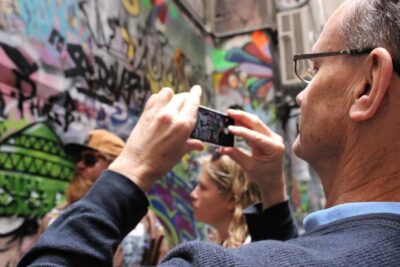

Browse the lists this tour appears in